Festivals and celebrationsSouth AsiaHindu
Vijayadashami
In its own language: विजयदशमी (Vijayadaśamī)
A Hindu festival marking the end of Navaratri, celebrating the victory of good over evil across India and Nepal.

Vijayadashami is a major Hindu festival observed in India and Nepal. It marks the tenth day of the waxing moon in the month of Ashvin. People celebrate it by commemorating divine victories over evil forces through prayers, performances, and rituals.
When is Vijayadashami in 2026?
Vijayadashami 2026 is on Tuesday, 20 October 2026. Other years: 2027, Saturday, 9 October 2027; 2028, Wednesday, 27 September 2028.
Vijayadashami is a widely observed Hindu festival that concludes the nine-day period of Navaratri. The name translates to 'tenth day of victory.' Communities across India and Nepal gather to honor the triumph of divine goodness over destructive evil. The specific stories and methods of celebration vary significantly by region, reflecting local epics and cultural traditions.
Origins and meanings
The festival draws its foundation from ancient epic literature. In northern regions, it recalls the victory of Lord Rama over the demon king Ravana, as described in the Ramayana. This event restored dharma after Ravana abducted Sita. In other areas, particularly the south and east, the day honors Goddess Durga's defeat of the buffalo demon Mahishasura. Some traditions also link the day to the Pandavas from the Mahabharata, who retrieved their hidden weapons on this date before defeating their rivals.
Regional celebrations
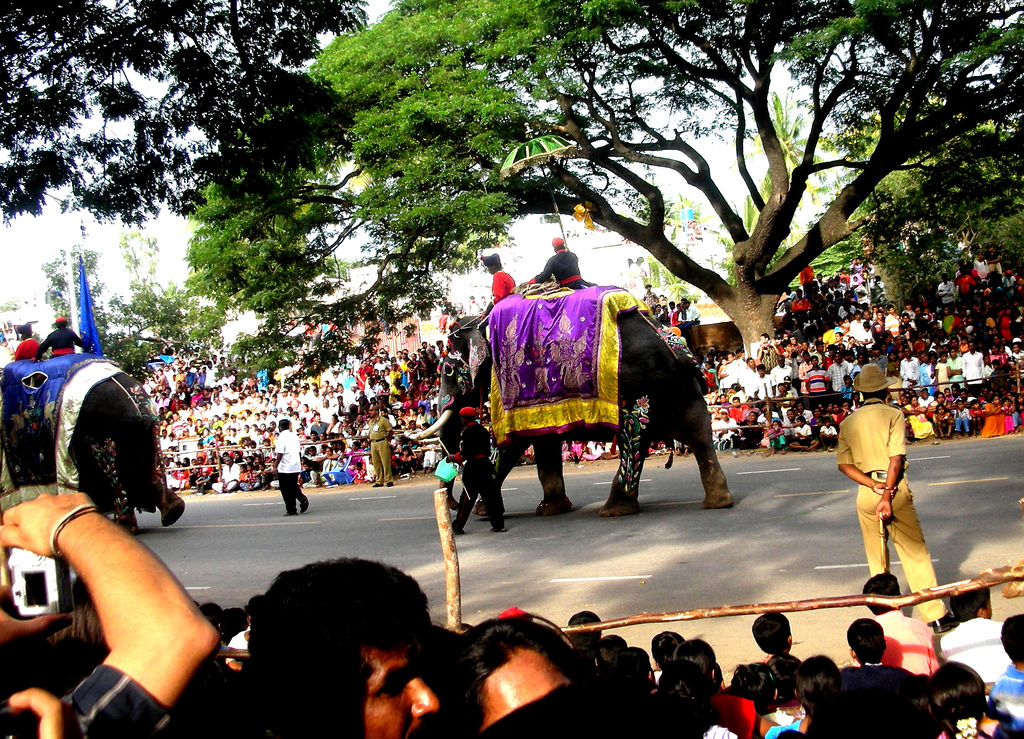
In northern India, communities stage Ramlila performances depicting Rama's life. These plays often culminate in the burning of large effigies representing Ravana and his allies. Southern states like Karnataka host grand processions featuring deities and elephant parades. Cities such as Mysuru organize extensive ten-day festivals with cultural programs. In Goa, people perform Seemollanghan, a ritual crossing of village borders with sacred umbrellas. Himachal Pradesh holds the Kullu Dussehra fair, drawing hundreds of thousands for deity processions.
Rituals and customs
Devotees engage in puja and fasting throughout the preceding days. On Vijayadashami, many immerse clay idols of deities in rivers or oceans as a final farewell. In Kerala, children begin their education on this day during Vidyarambham, where a guru writes letters on their tongues with honey. Artisans clean and worship their tools and instruments to honor Saraswati. Farmers in western India mark the start of the harvest season for crops like rice and cotton, bringing produce to markets for trade.
Cultural significance
The festival serves as a powerful symbol of the enduring struggle between righteousness and chaos. It reinforces community bonds through shared performances and public gatherings. The dramatic enactments of virtue versus vice attract diverse audiences who often participate spontaneously. UNESCO recognized the performance arts tradition associated with the festival as Intangible Cultural Heritage. The day also precedes preparations for Deepavali, linking the themes of light and victory across the autumn calendar.
How Vijayadashami is kept
Communities observe the day by attending temple services, performing puja, and participating in regional festivities. In the north, audiences watch Ramlila plays followed by the burning of Ravana effigies. In the south, elaborate processions carry deities through streets, while artisans bless their tools. Families exchange Apta leaves symbolizing gold, and farmers commence harvesting their kharif crops. Children in some regions begin formal schooling with ritual blessings.
When and where
It falls on the tenth day of the bright half of the Hindu lunar month of Ashvin. This typically corresponds to September or October in the Gregorian calendar.
The festival is primarily kept in India and Nepal. Major celebrations occur in Varanasi, Mysuru, Kullu, and Goa. Regional variations define the specific rituals performed in different states.
What Vijayadashami means
Vijayadashami represents the ultimate victory of good over evil. It signifies the restoration of moral order and justice. The burning of effigies destroys negative forces, while the immersion of idols marks a respectful conclusion to their earthly presence. Exchanging leaves symbolizes prosperity and the value of wisdom over material wealth.


Days Vijayadashami is marked
Vijayadashami dates: 2026, 2027, 2028
| Year | Vijayadashami date |
|---|---|
| 2026 | Tuesday, 20 October 2026 |
| 2027 | Saturday, 9 October 2027 |
| 2028 | Wednesday, 27 September 2028 |
Questions people ask about Vijayadashami
When is Vijayadashami in 2026?
Vijayadashami 2026 is on Tuesday, 20 October 2026. Other years: 2027, Saturday, 9 October 2027; 2028, Wednesday, 27 September 2028.
What does Vijayadashami mean?
The name comes from Sanskrit words meaning 'victory' and 'tenth day.' It marks the tenth day of the lunar fortnight following Navaratri, celebrating the triumph of divine forces over demonic evil.
How is the festival celebrated in different regions?
Northern India focuses on Rama's victory with Ramlila plays and effigy burning. Southern regions honor Durga with processions and tool worship. Eastern states celebrate Durga's return, while western areas mark harvest beginnings and village border rituals.
Why do people exchange leaves on this day?
In parts of western India, people exchange Apta leaves. This act symbolizes the exchange of gold, representing prosperity, wisdom, and the blessing of the gods for the coming year.
See also
 DiwaliA five-day festival of lights celebrated across India and its diaspora to mark the victory of light over darkness.
 MawlidAn annual festival marking the birth of the Prophet Muhammad, marked by poetry, processions and feasts.
 HoliA spring festival of colours and bonfires that marks the end of winter and the triumph of good over evil.
 NavaratriA nine-night Hindu festival honoring the goddess Durga and her nine forms through prayer, fasting, and dance.
Good reading and sources
- Encyclopaedia BritannicaArticle
- Celebrating RavanThe Hindu, Article
- Celebrating RavanThe Hindu, Article
- Vijayadashami on WikipediaEncyclopedia
- More photos on Wikimedia CommonsPhotos and video
- Wikidata recordOpen data
The facts on this page come from the Wikipedia article "Vijayadashami", written by its contributors and used under the CC BY-SA 4.0 licence, and from its Wikidata record (CC0). EveryParampara rewrote the text in its own words, with AI assistance, and compares every page with the article to make sure no passage is copied. It may be reused under the same CC BY-SA 4.0 licence with a link back.
It may contain mistakes. Traditions differ from one family, village and community to the next, and the people who keep them know them best. If something is wrong, tell us. Last refreshed 2026-10-04.
More from India
All the traditions of India
🇮🇳 Ayodhya, India and 7 moreDiwaliदीपावली (Dīpāvalī)
A five-day festival of lights celebrated across India and its diaspora to mark the victory of light over darkness.Festival · Feasts and festival meals
🇮🇳 Mathura, India and 5 moreHoliहोली (Hindi)
A spring festival of colours and bonfires that marks the end of winter and the triumph of good over evil.Festival
 🇮🇳 India and 4 moreWater lantern
Small lamps floated on water to honour the dead and ask for good fortuneFestival
🇮🇳 India and 4 moreWater lantern
Small lamps floated on water to honour the dead and ask for good fortuneFestival
 🇮🇳 Kolkata, India and 1 moreSindur Khelaসিঁদুর খেলা
A Bengali Hindu ritual where married women apply vermilion to each other on Vijayadashami.Festival
🇮🇳 Kolkata, India and 1 moreSindur Khelaসিঁদুর খেলা
A Bengali Hindu ritual where married women apply vermilion to each other on Vijayadashami.Festival
The same idea elsewhere
Remembering the ancestors compared 🇮🇱 Jerusalem, IsraelSukkotסוכות
A seven-day autumn Jewish festival of temporary booths, harvest prayers and hospitalitySpiritual
🇮🇱 Jerusalem, IsraelSukkotסוכות
A seven-day autumn Jewish festival of temporary booths, harvest prayers and hospitalitySpiritual
 🇯🇵 Kyoto, JapanTorii鳥居
A traditional Japanese gate marking the entrance to a Shinto shrine and separating the sacred from the mundane.Spiritual
🇯🇵 Kyoto, JapanTorii鳥居
A traditional Japanese gate marking the entrance to a Shinto shrine and separating the sacred from the mundane.Spiritual
 🇲🇲 Bagan, MyanmarNat worshipနတ်
Veneration of guardian spirits and nature deities alongside Buddhism in MyanmarSpiritual
🇲🇲 Bagan, MyanmarNat worshipနတ်
Veneration of guardian spirits and nature deities alongside Buddhism in MyanmarSpiritual
 🇦🇺 AustraliaThe Dreaming
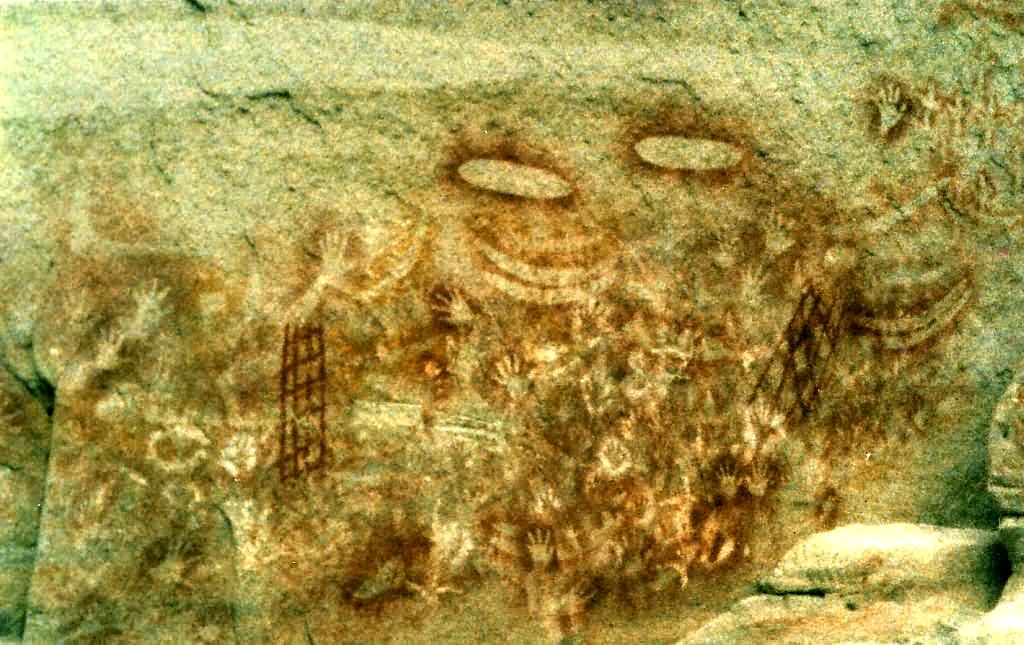
A living spiritual worldview and law connecting Aboriginal Australians to ancestors, land, and community.Spiritual
🇦🇺 AustraliaThe Dreaming
A living spiritual worldview and law connecting Aboriginal Australians to ancestors, land, and community.Spiritual