🇱🇰 Traditions of Sri Lanka
42 traditions from Sri Lanka, best known first, across 5 cities and towns.
Sri Lankan traditions are rooted in Theravada Buddhist practices alongside centuries of regional exchange across South and Southeast Asia. Everyday customs centre on spiced rice meals, temple drumming, and distinct regional dance schools. Communities across the island maintain unique crafts, sacred festival foods, and balanced spice blends.
Life in Sri Lanka reflects deep spiritual roots and a long history of maritime exchange. Theravada Buddhism guides everyday rituals and temple arts across much of the island, while South Indian and colonial influences shape regional habits. Family gatherings revolve around fresh coconut, heirloom rice, and delicate local spices like true cinnamon. From the hill country to coastal towns, people preserve ancient drumming rhythms, lively baila tunes, and celebratory foods made for the new year.
Daily meals and spices
Boiled or steamed rice anchors the daily meal across the island, complemented by an assortment of vegetable, lentil, fish, or meat curries. Cooks prepare freshly grated coconut and pressed coconut milk almost every day. Local spice blends rely heavily on native Ceylon cinnamon, black pepper, fragrant pandan leaves, and goraka, a dried sour fruit used for seasoning. Cured Maldives fish adds depth to vegetable preparations. Alongside main curries, tables feature spicy relishes such as coconut sambol, prepared with ground coconut, chillies, and lime. Fast meals include hoppers, which are crisp bowl-shaped pancakes made from fermented rice flour batter, and kottu, a popular street dish of shredded flatbread stir-fried with vegetables.
Festivals and milk rice
Significant life milestones and annual holidays call for kiribath, or paal soru, a dish of rice cooked slowly in salted coconut milk until soft and thick. Families prepare this milk rice for birthdays, religious observances, and the joint Sinhalese and Tamil New Year, known as Aluth Avurudu or Puthandu. When served for morning meals, kiribath is paired with lunu miris, a spicy paste of pounded red onions and crushed chillies. During the New Year season, households display festive tables laden with sweet treats such as oil cakes called kavum and crisp, deep-fried kokis. Palm sap beverages, including toddy and distilled arrack, are customary refreshments during celebrations.
Sacred drums and dance
Performance traditions on the island are closely tied to regional lineage and spiritual spaces. Three primary endemic dance styles are practiced today: Udarata from the central Kandy region, Pahatharata from the southern lowlands, and Sabaragamu from the south-central districts. Rhythmic percussion anchors these arts, particularly the resonant beat of Kandyan drums, which play an essential role inside both Buddhist and Hindu shrines. Musical customs also bear the imprint of maritime arrivals. Portuguese contact introduced ballads, guitars, and ukuleles, while African arrivals developed the rhythmic dance music known as baila, which remains popular for modern celebrations.
Temple art and craft
Visual art in Sri Lanka has developed in close connection with Buddhist devotion since the faith arrived in the third century BCE. Historic cave shrines and sacred compounds preserve elaborate wall paintings, seen at Sigiriya, Dambulla, and the Temple of the Tooth Relic in Kandy. Local craftsmanship reflects both local resources and maritime exchanges. In the central highlands, artisans specialize in carved wooden objects and hand-turned clay pottery. Coastal and trade contacts introduced craft traditions that took firm root on the island, notably delicate lacework inspired by Portuguese techniques and wax-resist batik textiles influenced by Indonesian trade.
Regional tables and harvests
Culinary habits shift noticeably between the island's shores and its interior mountains. In coastal communities, daily cooking depends on fresh catches, mackerel, sprats, and preserved fermented fish. In the northern peninsula around Jaffna, Tamil cooking incorporates techniques and spice combinations closely aligned with South Indian traditions. By contrast, Kandyan Sinhalese households in the central hills rely on local vegetables, mountain fruits, and distinct heirloom red rices such as Pachchaperumal and Kaluheenati. Sweeteners also reflect local flora, with sap harvested from kithul or palmyrah palms boiled down into cakes of jaggery, eaten with tea.
The facts in this overview come from the Wikipedia article "Culture of Sri Lanka", written by its contributors and used under the CC BY-SA 4.0 licence. EveryParampara rewrote the text in its own words, with AI assistance, and compares every page with the article to make sure no passage is copied. It may be reused under the same CC BY-SA 4.0 licence with a link back.
The table in Sri Lanka
Foods and drinks by the moment they belong to.
Cities, towns and villages of Sri Lanka
 🇮🇳 Ayodhya, India and 7 moreDiwaliदीपावली (Dīpāvalī)
A five-day festival of lights celebrated across India and its diaspora to mark the victory of light over darkness.Festival · Feasts and festival meals
🇮🇳 Ayodhya, India and 7 moreDiwaliदीपावली (Dīpāvalī)
A five-day festival of lights celebrated across India and its diaspora to mark the victory of light over darkness.Festival · Feasts and festival meals
 🇱🇰 Kandy, Sri LankaKandyan danceඋඩරට නැටුම්
The sacred dance of Sri Lanka's hill country, kept in temple and on the stagePerformance
🇱🇰 Kandy, Sri LankaKandyan danceඋඩරට නැටුම්
The sacred dance of Sri Lanka's hill country, kept in temple and on the stagePerformance
 🇮🇳 India and 5 morePretaप्रेत
Offerings and rites for spirits enduring deep hunger across Asian traditions.Spiritual
🇮🇳 India and 5 morePretaप्रेत
Offerings and rites for spirits enduring deep hunger across Asian traditions.Spiritual
 🇱🇰 Colombo, Sri Lanka and 5 moreVesakVisakha Bucha (Thailand), Visakha Bouxa (Laos), Full Moon Day of Kason (Myanmar)
A day to honor the birth, awakening, and passing of the Buddha, kept by Buddhists across Asia.Festival
🇱🇰 Colombo, Sri Lanka and 5 moreVesakVisakha Bucha (Thailand), Visakha Bouxa (Laos), Full Moon Day of Kason (Myanmar)
A day to honor the birth, awakening, and passing of the Buddha, kept by Buddhists across Asia.Festival
 🇮🇳 India and 3 moreMaha Shivaratriमहाशिवरात्रि
A Hindu night of fasting and vigil dedicated to Shiva, marking his divine union with Parvati.Festival
🇮🇳 India and 3 moreMaha Shivaratriमहाशिवरात्रि
A Hindu night of fasting and vigil dedicated to Shiva, marking his divine union with Parvati.Festival
 🇮🇳 Pune, India and 5 moreGanesh Chaturthiगणेश चतुर्थी
A Hindu festival celebrating the arrival of Ganesha, marked by clay idols, sweets, and public processions.Festival
🇮🇳 Pune, India and 5 moreGanesh Chaturthiगणेश चतुर्थी
A Hindu festival celebrating the arrival of Ganesha, marked by clay idols, sweets, and public processions.Festival
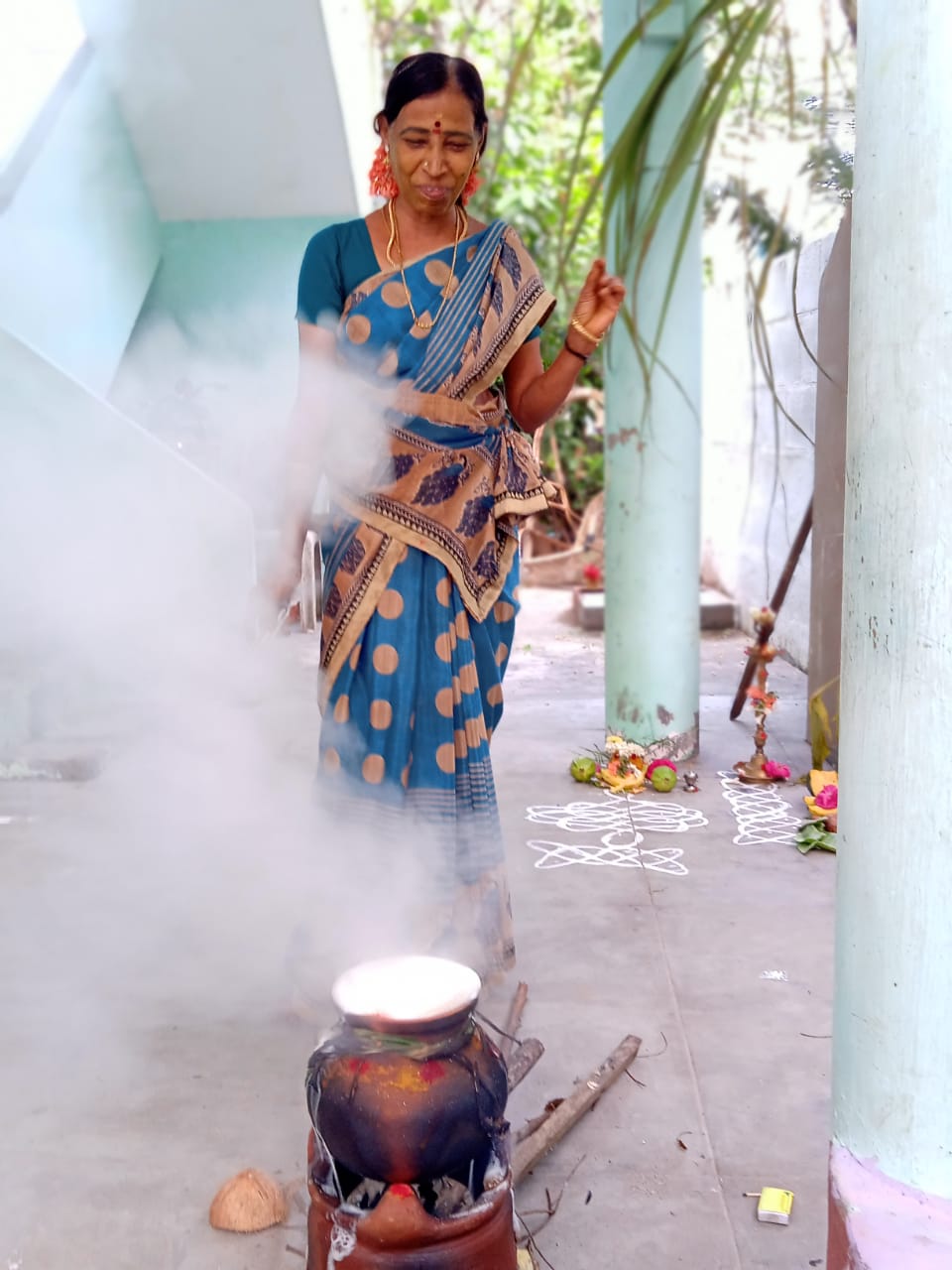 🇮🇳 India and 5 morePongal
Three or four days of boiling rice, garlanded cattle and thanks to the sunSeasonal · Sweets given and shared
🇮🇳 India and 5 morePongal
Three or four days of boiling rice, garlanded cattle and thanks to the sunSeasonal · Sweets given and shared
 🇮🇳 Mysuru, India and 2 moreVijayadashamiविजयदशमी (Vijayadaśamī)
A Hindu festival marking the end of Navaratri, celebrating the victory of good over evil across India and Nepal.Festival
🇮🇳 Mysuru, India and 2 moreVijayadashamiविजयदशमी (Vijayadaśamī)
A Hindu festival marking the end of Navaratri, celebrating the victory of good over evil across India and Nepal.Festival
 🇮🇳 Prayagraj, India and 6 moreMakar Sankrantiमकरसङ्क्रान्ति (Makarasaṅkrānti)
A mid-winter harvest festival marking the sun's northward journey, celebrated across South and Southeast Asia with fairsFestival · Feasts and festival meals
🇮🇳 Prayagraj, India and 6 moreMakar Sankrantiमकरसङ्क्रान्ति (Makarasaṅkrānti)
A mid-winter harvest festival marking the sun's northward journey, celebrated across South and Southeast Asia with fairsFestival · Feasts and festival meals
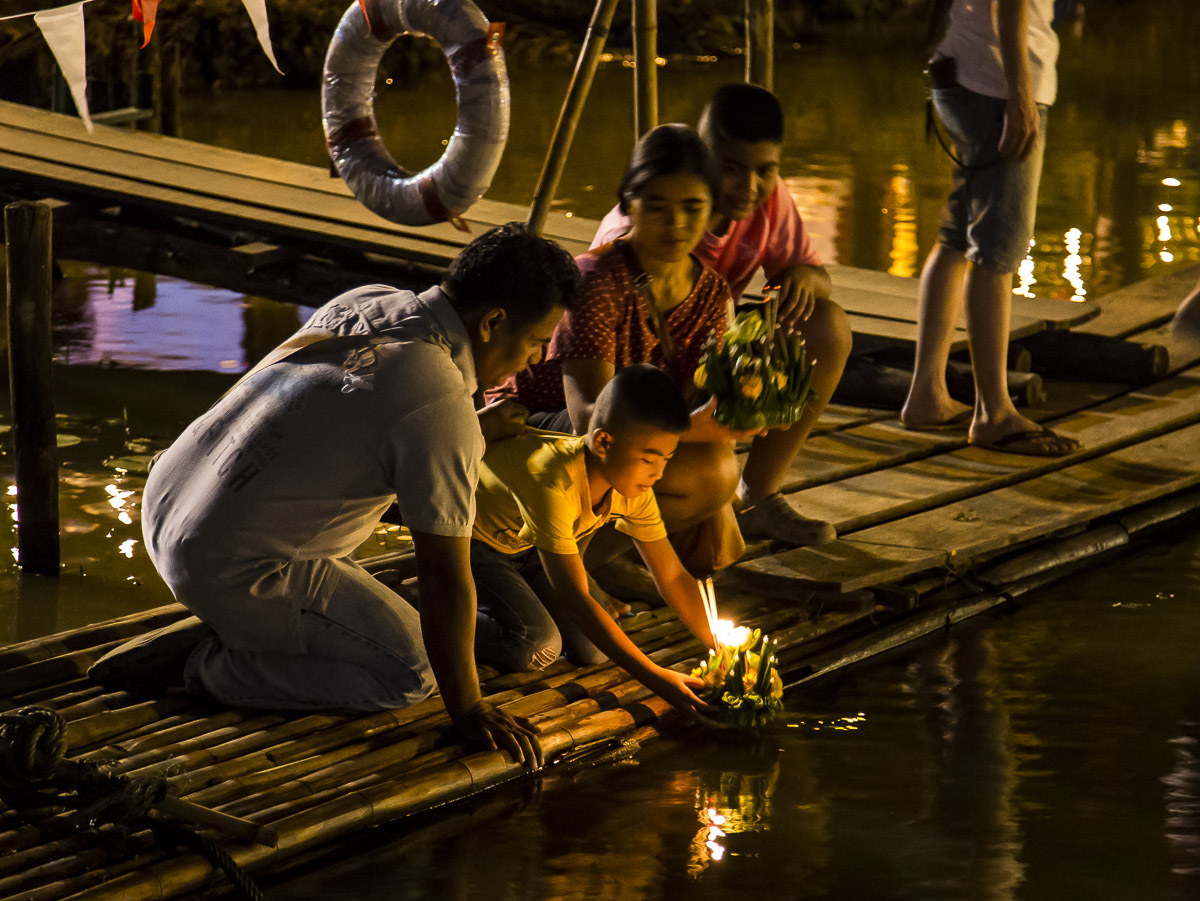 🇹🇭 Chiang Mai, Thailand and 5 moreLoy Krathongลอยกระทง
A Thai festival of floating leaf baskets on rivers to honor water and release negativity.Festival
🇹🇭 Chiang Mai, Thailand and 5 moreLoy Krathongลอยกระทง
A Thai festival of floating leaf baskets on rivers to honor water and release negativity.Festival
 🇮🇳 Puri, India and 4 moreRatha Yatra
An annual Hindu festival where deities travel through the streets in towering carriagesFestival
🇮🇳 Puri, India and 4 moreRatha Yatra
An annual Hindu festival where deities travel through the streets in towering carriagesFestival
 🇮🇳 Varanasi, India and 2 moreKartika Purnimaकार्त्तिकपूर्णिमा (Kārttikapūrṇimā)
A full moon festival of lights and holy baths celebrated by Hindus, Sikhs, and Jains across South Asia.Festival
🇮🇳 Varanasi, India and 2 moreKartika Purnimaकार्त्तिकपूर्णिमा (Kārttikapūrṇimā)
A full moon festival of lights and holy baths celebrated by Hindus, Sikhs, and Jains across South Asia.Festival
 🇹🇭 Thailand and 5 moreMāgha Pūjāមាឃបូជា
A Buddhist holy day honoring monastic unity, moral guidance and spiritual fellowshipSpiritual · Fasting and breaking the fast
🇹🇭 Thailand and 5 moreMāgha Pūjāមាឃបូជា
A Buddhist holy day honoring monastic unity, moral guidance and spiritual fellowshipSpiritual · Fasting and breaking the fast
 🇹🇭 Thailand and 5 moreKathina
A Buddhist season of offering new robes and gifts to monks after the rains retreatSpiritual
🇹🇭 Thailand and 5 moreKathina
A Buddhist season of offering new robes and gifts to monks after the rains retreatSpiritual
 🇳🇵 Kathmandu, Nepal and 4 moreDashainबडादशैँ
A fifteen-day festival of family gatherings, blessings, and feasts across NepalFestival
🇳🇵 Kathmandu, Nepal and 4 moreDashainबडादशैँ
A fifteen-day festival of family gatherings, blessings, and feasts across NepalFestival
 🇰🇭 Cambodia and 4 moreRoyal Ploughing Ceremonyព្រះរាជពិធីបុណ្យច្រត់ព្រះនង្គ័ល
A royal agricultural rite opening the rice season across mainland Southeast AsiaCeremony
🇰🇭 Cambodia and 4 moreRoyal Ploughing Ceremonyព្រះរាជពិធីបុណ្យច្រត់ព្រះនង្គ័ល
A royal agricultural rite opening the rice season across mainland Southeast AsiaCeremony
 🇮🇳 Tiruvannamalai, India and 1 moreKarthika DeepamKārtikai Tīpam
A Tamil and Malayali Hindu festival of lights honouring Shiva, Kartikeya and ParvatiSpiritual · Sweets given and shared
🇮🇳 Tiruvannamalai, India and 1 moreKarthika DeepamKārtikai Tīpam
A Tamil and Malayali Hindu festival of lights honouring Shiva, Kartikeya and ParvatiSpiritual · Sweets given and shared
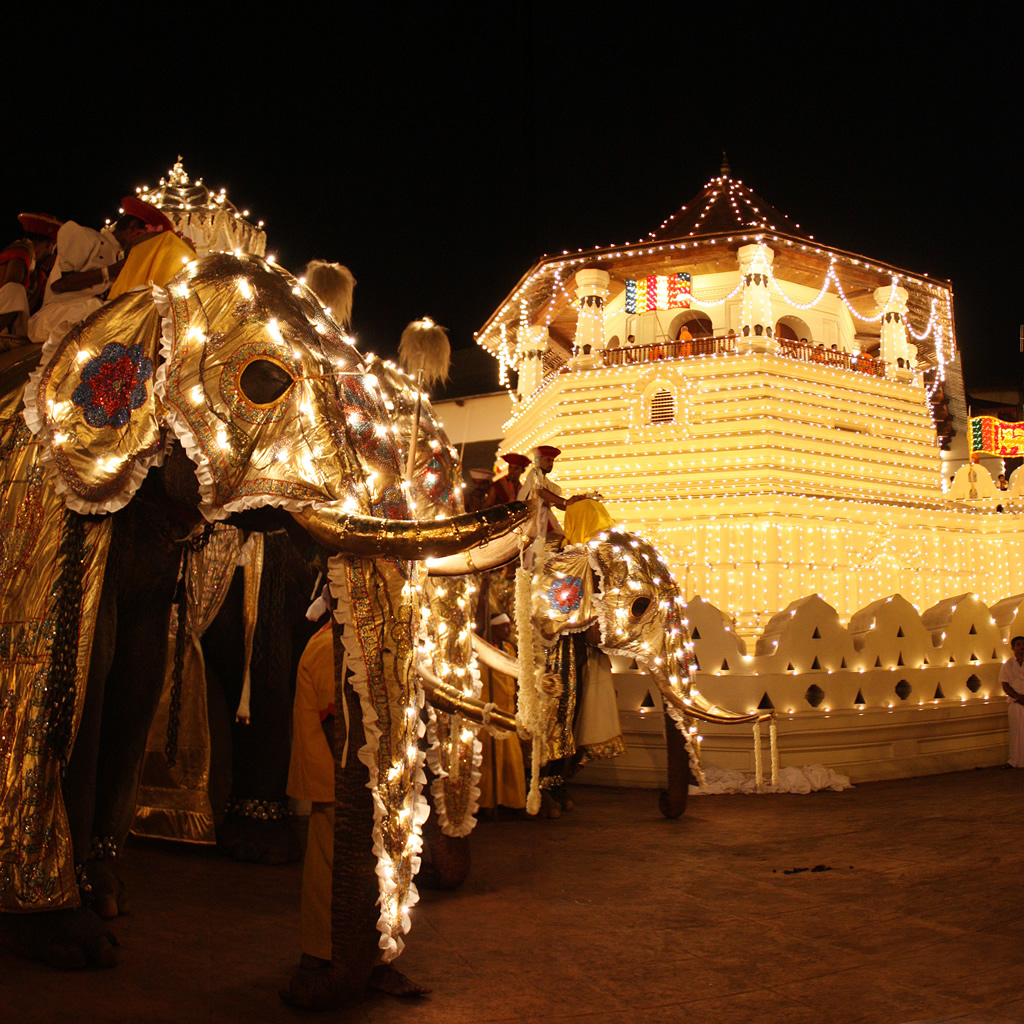 🇱🇰 Kandy, Sri LankaEsala Perahera
A Sri Lankan procession of sacred relics, drummers and elephants honouring the BuddhaSpiritual
🇱🇰 Kandy, Sri LankaEsala Perahera
A Sri Lankan procession of sacred relics, drummers and elephants honouring the BuddhaSpiritual
 🇮🇳 Chidambaram, India and 1 moreThiruvathira
A Hindu festival celebrating Shiva's cosmic dance, observed in Tamil Nadu and Kerala with fasting, processions, and dancFestival
🇮🇳 Chidambaram, India and 1 moreThiruvathira
A Hindu festival celebrating Shiva's cosmic dance, observed in Tamil Nadu and Kerala with fasting, processions, and dancFestival
 🇮🇳 Lucknow, India and 3 moreSherwani
A long buttoned coat for men, worn at weddings and state occasions in South AsiaDress
🇮🇳 Lucknow, India and 3 moreSherwani
A long buttoned coat for men, worn at weddings and state occasions in South AsiaDress
 🇱🇰 Sri LankaPoruwa ceremony
A Sinhalese wedding rite held on a decorated wooden platform called a PoruwaRite of passage
🇱🇰 Sri LankaPoruwa ceremony
A Sinhalese wedding rite held on a decorated wooden platform called a PoruwaRite of passage
 🇱🇰 Sri LankaKiribathකිරිබත්
Rice cooked in coconut milk, the dish of Sinhalese New Year and family beginningsTable custom · Breakfast
🇱🇰 Sri LankaKiribathකිරිබත්
Rice cooked in coconut milk, the dish of Sinhalese New Year and family beginningsTable custom · Breakfast
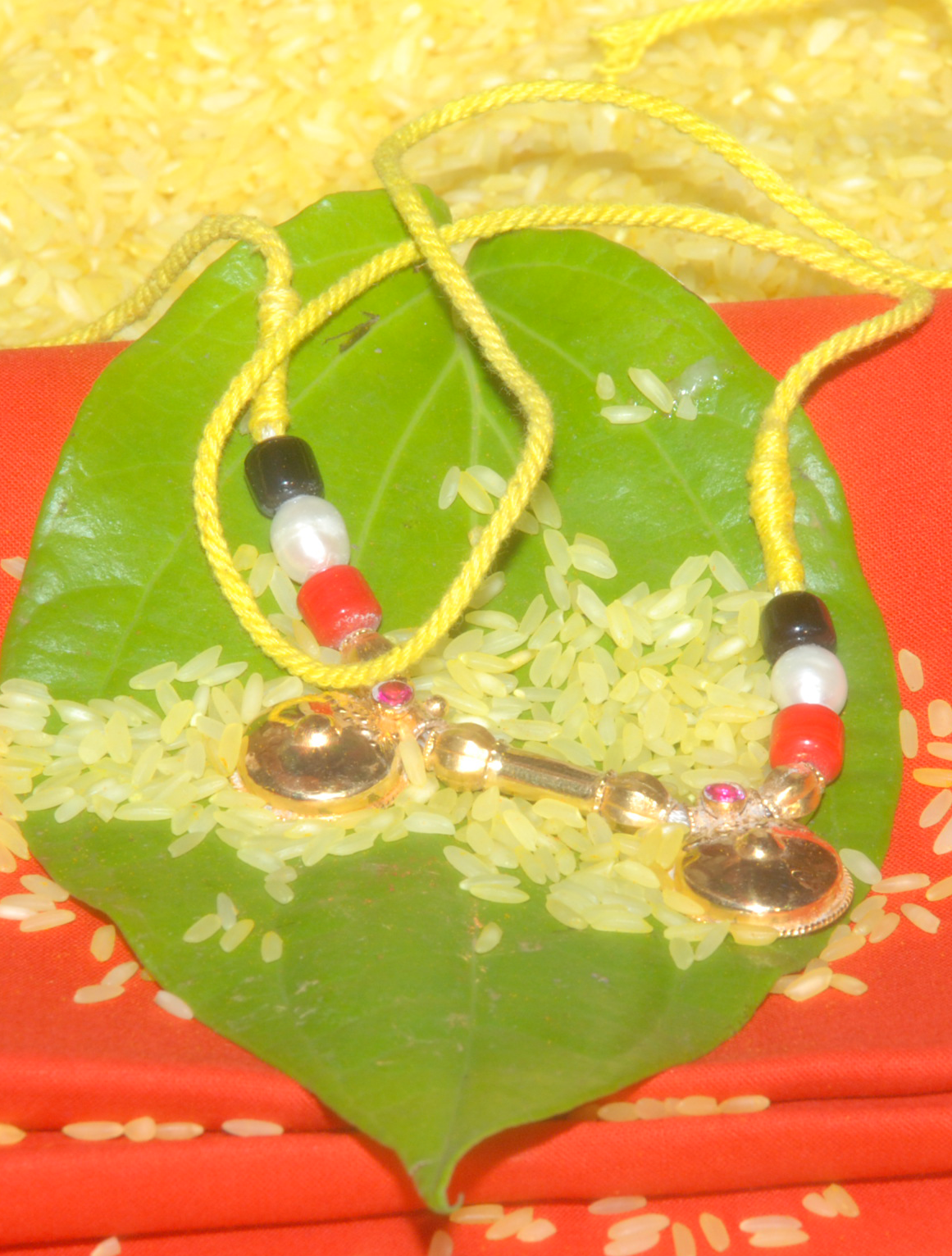 🇮🇳 India and 2 moreMangalasutraमङ्गलसूत्रम् (maṅgalasūtram)
A necklace tied by the groom at a wedding, worn through married lifeDress
🇮🇳 India and 2 moreMangalasutraमङ्गलसूत्रम् (maṅgalasūtram)
A necklace tied by the groom at a wedding, worn through married lifeDress
 🇱🇰 Mihintale, Sri LankaPoson
A Sri Lankan Buddhist festival marking the ancient arrival of Buddhism on the islandSpiritual
🇱🇰 Mihintale, Sri LankaPoson
A Sri Lankan Buddhist festival marking the ancient arrival of Buddhism on the islandSpiritual
 🇱🇰 Anuradhapura, Sri LankaSinhala New Yearඅලුත් අවුරුද්ද
The April solar New Year and harvest festival celebrated across Sri LankaSeasonal
🇱🇰 Anuradhapura, Sri LankaSinhala New Yearඅලුත් අවුරුද්ද
The April solar New Year and harvest festival celebrated across Sri LankaSeasonal
 🇹🇭 Thailand and 5 moreAsalha Pujaอาสาฬหบูชา
A Theravada festival marking the Buddha's first sermon and the monastic orderSpiritual
🇱🇰 Sri LankaPoya
A monthly full moon Buddhist holiday of observance and fasting in Sri LankaSpiritual · Fasting and breaking the fast
🇹🇭 Thailand and 5 moreAsalha Pujaอาสาฬหบูชา
A Theravada festival marking the Buddha's first sermon and the monastic orderSpiritual
🇱🇰 Sri LankaPoya
A monthly full moon Buddhist holiday of observance and fasting in Sri LankaSpiritual · Fasting and breaking the fast
 🇮🇳 India and 2 morePandal
Temporary decorated pavilions and arches built for festivals and gatheringsFestival
🇮🇳 India and 2 morePandal
Temporary decorated pavilions and arches built for festivals and gatheringsFestival
 🇮🇳 India and 5 moreKabaddi
A fast South Asian contact sport where solo raiders tag defenders on a single breathGame
🇮🇳 India and 5 moreThimithiதீமிதி
A South Indian firewalking festival honouring Draupadi Amman before DeepavaliSpiritual
🇮🇳 India and 5 moreKabaddi
A fast South Asian contact sport where solo raiders tag defenders on a single breathGame
🇮🇳 India and 5 moreThimithiதீமிதி
A South Indian firewalking festival honouring Draupadi Amman before DeepavaliSpiritual
 🇱🇰 Sri LankaSanni Yakuma
A Sinhalese rite where masked dancers summon eighteen illness demons and banish themSpiritual
🇱🇰 Sri LankaSanni Yakuma
A Sinhalese rite where masked dancers summon eighteen illness demons and banish themSpiritual
 🇮🇳 India and 4 moreSariसाड़ी
An unstitched length of cloth that women drape around the body, worn across South AsiaDress
🇮🇳 India and 4 moreSariसाड़ी
An unstitched length of cloth that women drape around the body, worn across South AsiaDress
 🇮🇩 Indonesia and 5 moreBatikꦧꦛꦶꦏ꧀ (bathik)
A Javanese wax-resist way of patterning cloth, and the textiles made that wayCraft
🇮🇩 Indonesia and 5 moreBatikꦧꦛꦶꦏ꧀ (bathik)
A Javanese wax-resist way of patterning cloth, and the textiles made that wayCraft
 🇮🇳 India and 5 moreKolamகோலம்
A rice-flour floor drawing made at South Indian doorsteps before sunriseCraft
🇮🇳 India and 5 moreKolamகோலம்
A rice-flour floor drawing made at South Indian doorsteps before sunriseCraft
 🇮🇳 India and 5 moreBindi
A dot worn between the eyebrows, red for marriage and devotion, worn daily by many womenDress
🇮🇳 India and 5 moreBindi
A dot worn between the eyebrows, red for marriage and devotion, worn daily by many womenDress
 🇮🇳 Palani, India and 5 moreKavadi Aattamகாவடி ஆட்டம்
Tamil devotees of Murugan carry burdens as a vow during ThaipusamSpiritual
🇮🇳 Palani, India and 5 moreKavadi Aattamகாவடி ஆட்டம்
Tamil devotees of Murugan carry burdens as a vow during ThaipusamSpiritual
 🇮🇳 India and 2 moreKoothu
Tamil street theatre with dance, music and epic stories, staged at temple festivals.Performance
🇮🇳 India and 2 moreKoothu
Tamil street theatre with dance, music and epic stories, staged at temple festivals.Performance
 🇮🇳 Madurai, India and 4 morePuthanduபுத்தாண்டு (Puttāṇṭu)
The first day of the Tamil solar calendar, celebrated by Tamils with family feasts and auspicious trays.Festival · Feasts and festival meals
🇮🇳 Madurai, India and 4 morePuthanduபுத்தாண்டு (Puttāṇṭu)
The first day of the Tamil solar calendar, celebrated by Tamils with family feasts and auspicious trays.Festival · Feasts and festival meals
 🇹🇭 Thailand and 4 moreVessantara JatakaVessantara Jātaka
A Buddhist festival celebrating the last life of the Buddha as a generous prince.Festival
🇹🇭 Thailand and 4 moreVessantara JatakaVessantara Jātaka
A Buddhist festival celebrating the last life of the Buddha as a generous prince.Festival
 🇨🇳 China and 5 moreLife release放生
A Buddhist practice of freeing captive animals to spare their lives and gain meritSpiritual
🇧🇹 Bhutan and 4 moreLhabab Duchenལྷ་བབས་དུས་ཆེན་
A Buddhist festival for the day the Buddha returned to earth from a god's realmSpiritual
🇱🇰 Colombo, Sri LankaColombo Pride
An annual LGBTQ+ pride parade and festival held in Colombo, Sri Lanka.Festival
🇨🇳 China and 5 moreLife release放生
A Buddhist practice of freeing captive animals to spare their lives and gain meritSpiritual
🇧🇹 Bhutan and 4 moreLhabab Duchenལྷ་བབས་དུས་ཆེན་
A Buddhist festival for the day the Buddha returned to earth from a god's realmSpiritual
🇱🇰 Colombo, Sri LankaColombo Pride
An annual LGBTQ+ pride parade and festival held in Colombo, Sri Lanka.Festival
Photo credits on this page
The small pictures above come from Wikimedia Commons under free licences. Some are cropped to fit.
- Sherwani: SabaFatima123456789, Public domain, source
- Diwali: Kalli navya, CC BY-SA 4.0, source
- Esala Perahera: Ashan96, CC BY-SA 4.0, source
- Maha Shivaratri: Navneesh Ramessur, CC BY-SA 4.0, source
- Pongal: Saral Shots, CC BY-SA 4.0, source
- Vijayadashami: DiplomatTesterMan, CC BY-SA 4.0, source
- Makar Sankranti: Saloni Desai, CC BY-SA 2.0, source
- Vesak: ผู้สร้างสรรค์ผลงาน/ส่งข้อมูลเก็บในคลังข้อมูลเสรีวิกิมีเดียคอมมอนส์ - เ, CC BY-SA 3.0, source
- Ganesh Chaturthi: Original uploader was MatthieuMoy at fr.wikipedia, CC BY 2.5, source
- Loy Krathong: John Shedrick, CC BY 2.0, source
- Ratha Yatra: G.-U. Tolkiehn, CC BY 2.5, source
- Kathina: Thai Government, CC BY 2.0, source
- Māgha Pūjā: myself, CC BY-SA 3.0, source
- Kartika Purnima: Pictowrit, CC BY-SA 3.0, source
- Dashain: Unknown author, CC0, source
- Royal Ploughing Ceremony: Xiengyod, CC BY-SA 3.0, source
- Mangalasutra: Ackroydman, CC BY-SA 3.0, source
- Poson: Hafiz Issadeen (YIM Hafiz), Dharga Town, Sri Lanka ( https://www.flick, CC BY 2.0, source
- Sinhala New Year: Anna Anichkova, CC BY-SA 3.0, source
- Kandyan dance: PIERRE ANDRE LECLERCQ, CC BY-SA 4.0, source
- Asalha Puja: Chainwit., CC BY 4.0, source
- Karthika Deepam: SriniG, Public domain, source
- Preta: Temple, Richard Carnac, Sir, Public domain, source
- Thiruvathira: Kalakki at Malayalam Wikipedia, CC BY 2.5, source
- Pandal: SHUBHAM KR SONI, CC0, source
- Kabaddi: Amir Hosseini, CC BY 4.0, source
- Poruwa ceremony: A Derivative Work by MediaJet ,, CC BY 2.0, source
- Kiribath: AntanO, CC BY-SA 4.0, source
- Sanni Yakuma: Michael Gunther, CC BY-SA 4.0, source
- Life release: Wonderlane, CC BY 2.0, source
- Sari: Suyash.dwivedi, CC BY-SA 4.0, source
- Batik: Fpangestuphotographer, CC BY-SA 4.0, source
- Kolam: mckaysavage, CC BY 2.0, source
- Bindi: Vinay Sahay, CC BY-SA 4.0, source
- Kavadi Aattam: Raja Ravi Varma, Public domain, source
- Koothu: Unknown author, CC0, source
- Puthandu: Amila Tennakoon, CC BY 2.0, source
- Vessantara Jataka: Adam Jones, CC BY-SA 2.0, source