Dress and adornmentEuropePagan and ancient
Xhubleta
A rippling bell-shaped skirt made by Albanian women of the northern highlands

The xhubleta is a hand-made bell-shaped skirt of Albanian women, rippling in wave-like folds. It comes from the highlands of northern Albania and is also worn by Albanian communities in Kosovo, North Macedonia and Montenegro, and in 2022 UNESCO listed it as heritage at risk.
The xhubleta is a bell-shaped skirt with a rippling, wavy outline, worn by Albanian women. It belongs to the mountainous north of Albania, and Albanian communities in Kosovo, North Macedonia and Montenegro also wear it. Two forms exist: a narrow one and a large one. In 2022 UNESCO placed it among the heritage judged to need urgent protection.
What it is
The xhubleta is a skirt rather than a whole outfit. Two straps carry it on the shoulders, and below them the cloth opens into a bell that swells most at the back. A maker joins thirteen to seventeen strips with five pieces of felt. Black crocheted wool forms the chest and the front, which an apron covers. There are two cuts: a narrow one and a large one. Wave-like folds run down the surface, giving the garment its rippling, undulating line, unlike any other Albanian dress.
Origins and history
The dress reaches far back. Its silhouette resembles clothing on Balkan Neolithic and Illyrian Bronze Age figures, and on figures from other parts of the Mediterranean that date to the second millennium BC, which ties it to old Mediterranean cultures. Goddesses and female dancers on Roman-era monuments in the Balkans wear bell-shaped garments too. The name is a separate puzzle: it is thought to descend from an old word for the bee, and that link is set beside Minoan Crete and the story of Zeus and Melissa.
Symbols and meaning
Much of the decoration is geometric, and it carries meanings that reach back to pagan times. Sun, moon, stars, eagles and serpents appear among the patterns. Many of these belong to the religious world of the southern Illyrians. Some marks were meant to turn away harm: illness, evil spirits and the evil eye, called syni i keq. They resemble Illyrian chains taken from burial mounds in Albania. Other ornaments are shaped like hands, the same form used for some Illyrian amulets.
Colours and change
Two colours are in use today. Women who are not married wear white; women who are married wear black. That was not always so. A writer in the seventeenth century said the peacock carried fewer colours than the xhubleta worn by the women of Kelmend. The palette narrowed over the past two hundred years, and one explanation given is that the garment stayed in use only in remote mountain areas.
Heritage status
In 2022 UNESCO added the xhubleta to its register of intangible heritage that needs urgent protection. Such a listing marks a practice as at risk and calls for support. The garment also appears in the records as a cultural heritage monument of Kosovo. It is understood as a dress that lived on only in Albanian-inhabited territories while it vanished from everywhere else, and its shape, structure and decoration are described as belonging to no other garment.
How Xhubleta is kept
The xhubleta is worn over the shoulders. Two straps hold it up. Below them the cloth widens into a bell that stands out most at the back, with wave-like folds down its length. A maker joins thirteen to seventeen strips and five pieces of felt. The chest and the front, later hidden by an apron, are worked in crocheted black wool. An unmarried woman wears the white version; a married woman wears the black one. Two cuts exist, a narrow one and a large one.
When and where
The xhubleta belongs to the north of Albania, and Albanian women in Kosovo, North Macedonia and Montenegro have worn it as well. Within Albania it is tied to the highlands, and its use lasted longest in mountain districts far from the towns. The sources name Kelmend, a highland area, in a seventeenth-century account.
What Xhubleta means
For the women who wear it, the xhubleta is more than cloth. Its patterns carry old sacred signs of Albanian tradition: the sun, Dielli, the moon, Hana, stars, eagles and the serpent, Vitore. Many of these belong to the religion of the southern Illyrians. Some marks are protective, set there to keep away sickness, harmful spirits and the evil eye, syni i keq. Hands worked into the ornament echo the shape of Illyrian amulets.

Questions people ask about Xhubleta
What is the xhubleta?
It is a bell-shaped skirt worn by Albanian women, made of strips of cloth and felt with an undulating surface. Two forms exist, a narrow one and a large one. The name is thought to descend from an ancient Albanian word for the bee, linked to Minoan Crete and to the story of Zeus and Melissa.
Where is it worn?
In the northern highlands of Albania, and among Albanian women in Kosovo, North Macedonia and Montenegro. The sources tie it to mountain districts, which is where it stayed in use after it disappeared from other places. Kelmend is named in a seventeenth-century account of its colours.
When did UNESCO recognise it?
In 2022, when UNESCO put the xhubleta on a list of heritage judged to need urgent protection. That marks the practice as one at risk and calls for support. The garment is also recorded as a cultural heritage monument of Kosovo.
What do the symbols mean?
Sun, moon, stars, eagles and serpents appear on the cloth. Many of these belong to the old religious world of the southern Illyrians. Some patterns were placed there for protection against illness, evil spirits and the evil eye, known in Albanian as syni i keq. Other ornaments take the shape of hands.
Do the colours mean anything?
Yes. White is worn by unmarried women and black by married women today. In earlier centuries many more colours were used. A writer of the seventeenth century said the peacock had fewer colours than the xhubleta worn by the women of Kelmend.
See also
 TurbanCloth wound around the head, worn for faith, rank, shade and identity
 NazarA blue glass eye amulet worn and displayed to deflect the evil eye.
 CălușariAn acrobatic Romanian spring dance and ritual brotherhood tied to folklore and healing
 Dita e VerësAn Albanian spring festival of bonfires, sweets and nature renewal on March 14
Good reading and sources
- Xhubleta, skills, craftsmanship and forms of usageUNESCO, Heritage listing
- Xhubleta, skills, craftsmanship and forms of usageUNESCO, Article
- Xhubleta on WikipediaEncyclopedia
- More photos on Wikimedia CommonsPhotos and video
- Wikidata recordOpen data
The facts on this page come from the Wikipedia article "Xhubleta", written by its contributors and used under the CC BY-SA 4.0 licence, and from its Wikidata record (CC0). EveryParampara rewrote the text in its own words, with AI assistance, and compares every page with the article to make sure no passage is copied. It may be reused under the same CC BY-SA 4.0 licence with a link back.
It may contain mistakes. Traditions differ from one family, village and community to the next, and the people who keep them know them best. If something is wrong, tell us. Last refreshed 2026-10-05.
More from Albania
All the traditions of Albania
🇮🇳 Pune, India and 5 moreTurbanدولبند (dolband)
Cloth wound around the head, worn for faith, rank, shade and identityDress
 🇷🇺 Russia and 4 moreGymnastyorkaгимнастёрка
A loose pullover smock that began as a peasant shirt and became a soldier's uniformDress
🇹🇷 Turkey and 5 moreNazarnazar boncuğu
A blue glass eye amulet worn and displayed to deflect the evil eye.Folklore
🇦🇱 Elbasan, Albania and 3 moreDita e Verës
An Albanian spring festival of bonfires, sweets and nature renewal on March 14Seasonal
🇷🇺 Russia and 4 moreGymnastyorkaгимнастёрка
A loose pullover smock that began as a peasant shirt and became a soldier's uniformDress
🇹🇷 Turkey and 5 moreNazarnazar boncuğu
A blue glass eye amulet worn and displayed to deflect the evil eye.Folklore
🇦🇱 Elbasan, Albania and 3 moreDita e Verës
An Albanian spring festival of bonfires, sweets and nature renewal on March 14Seasonal
The same idea elsewhere
Healing, luck and protection compared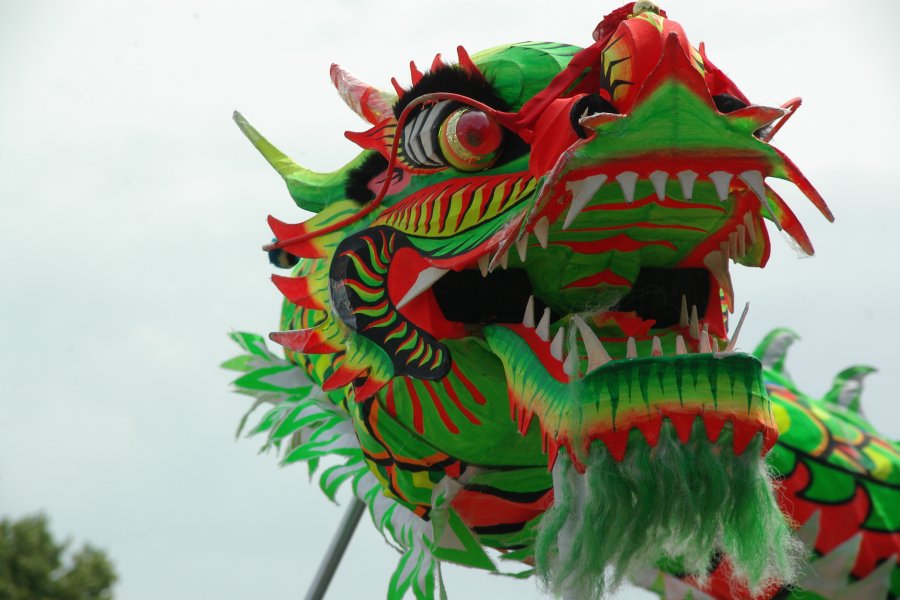 🇨🇳 China and 3 moreDragon dance舞龍 / 舞龙
A long dragon puppet on poles, danced by a team at Chinese New Year and other festivalsPerformance
🇨🇳 China and 3 moreDragon dance舞龍 / 舞龙
A long dragon puppet on poles, danced by a team at Chinese New Year and other festivalsPerformance
 🇺🇸 United States and 4 moreFriday the 13th
A Western folk superstition regarding the unluckiness of a Friday falling on the 13th.Folklore
🇺🇸 United States and 4 moreFriday the 13th
A Western folk superstition regarding the unluckiness of a Friday falling on the 13th.Folklore
 🇮🇳 India and 4 moreWater lantern
Small lamps floated on water to honour the dead and ask for good fortuneFestival
🇵🇬 Trobriand Islands, Papua New GuineaTrobriand cricket
Cricket as played in the Trobriand Islands, with chants, dances and a feastGame
🇮🇳 India and 4 moreWater lantern
Small lamps floated on water to honour the dead and ask for good fortuneFestival
🇵🇬 Trobriand Islands, Papua New GuineaTrobriand cricket
Cricket as played in the Trobriand Islands, with chants, dances and a feastGame