🇲🇰 Traditions of North Macedonia
23 traditions from North Macedonia, best known first, across 5 cities and towns.
North Macedonian life centers on the rhythm of Orthodox feasts, communal meals, and folk music. The year is marked by religious holidays and harvest festivals, while daily life revolves around shared food, strong hospitality, and artistic expression in music and visual arts.
In North Macedonia, the calendar turns on Orthodox Christian feasts and local harvest celebrations. Families gather for meals featuring grilled meats, stuffed peppers, and sharp cheeses. Music fills the streets during festivals, with ensembles performing traditional dances. Artisans craft ceramics and paintings that reflect both ancient Byzantine styles and modern influences. Coffee houses serve as social hubs where neighbors meet to talk. These practices bind communities together across generations.
The yearly cycle
The public holiday schedule follows the Orthodox liturgical year, marking key moments in the faith. National days also punctuate the calendar, honoring historical events like the Ilinden Uprising. Communities celebrate these dates with gatherings and official ceremonies. Religious observances dictate much of the seasonal rhythm, from Easter vigils to saint’s days. Local festivals often coincide with agricultural cycles, celebrating wine or olive harvests. These events bring people from different regions together, reinforcing a sense of shared identity through song and dance.
Faith and ritual
Orthodox Christianity forms the backbone of spiritual life, with numerous churches dotting the landscape. Ohrid alone hosts over thirty historic churches, many adorned with frescoes dating back centuries. The Cathedral of Saint Clement in Skopje stands as a major modern monument. Islamic heritage remains visible through Ottoman-era mosques and baths in cities like Skopje and Tetovo. These sites reflect a layered history of coexistence. Rituals at these places emphasize reverence and continuity, connecting current believers to their ancestors.
The table and drinks
Meals are hearty and centered on local produce. Tavče gravče, baked beans, serves as the national dish alongside mastika, an anise-flavored drink. Grilled kebapchinja and šopska salad appear frequently at gatherings. Dairy plays a vital role, with varieties like kaškaval cheese and bieno siren̂e offering distinct flavors. Wine, particularly Vranec, accompanies meals, while rakija spirits are common for toasts. Coffee culture thrives in thousands of kafanas, where Turkish coffee is served slowly, fostering conversation and community bonding.
Music and dance
Folk music holds a cherished place in cultural identity. Ensembles like Tanec perform traditional songs and dances that showcase regional styles. The Macedonian Philharmonic Orchestra presents classical works, bridging European traditions with local themes. Festivals such as Folkfest in Valandovo and Interfest in Bitola attract large audiences. Contemporary artists blend folk motifs with modern genres, as seen with bands like Leb i Sol. Jazz has also found a home through the prestigious Skopje Jazz Festival, drawing international attention.
Visual arts and cinema
Modern painting emerged in the twentieth century, with founders like Lazar Ličenoski paving the way. Artists today explore diverse styles, from surrealism to naive art. Sculptors like Dimo Todorovski have left significant marks on public spaces. Cinema has a long history, beginning with the Manaki brothers in Bitola in 1895. Directors like Milčo Mančevski have gained global recognition, bringing Macedonian stories to international festivals. Galleries in places like the Daut Pasha Baths host regular exhibitions, keeping the arts alive.
The facts in this overview come from the Wikipedia article "Culture of North Macedonia", written by its contributors and used under the CC BY-SA 4.0 licence. EveryParampara rewrote the text in its own words, with AI assistance, and compares every page with the article to make sure no passage is copied. It may be reused under the same CC BY-SA 4.0 licence with a link back.
The table in North Macedonia
Foods and drinks by the moment they belong to.
| Breakfast | Banitsa |
|---|---|
| Dinner | Old New Year, Đurđevdan |
| Sweets given and shared | Old New Year |
| Feasts and festival meals | Hıdırellez, Banitsa, Zapis, Đurđevdan |
Cities, towns and villages of North Macedonia
 🇲🇰 Galičnik, North Macedonia and 1 moreTeškotoТешкото
A Macedonian line dance that expresses the hardship and resilience of people in western Macedonia.Performance
🇲🇰 Galičnik, North Macedonia and 1 moreTeškotoТешкото
A Macedonian line dance that expresses the hardship and resilience of people in western Macedonia.Performance
 🇹🇷 Turkey and 6 moreHıdırellez
A spring festival marking the meeting of two prophets, celebrated across Turkey and the Balkans.Festival · Feasts and festival meals
🇹🇷 Turkey and 6 moreHıdırellez
A spring festival marking the meeting of two prophets, celebrated across Turkey and the Balkans.Festival · Feasts and festival meals
 🇷🇴 Romania and 3 moreCălușariCălușarii
An acrobatic Romanian spring dance and ritual brotherhood tied to folklore and healingPerformance
🇷🇴 Romania and 3 moreMărțișor
A spring custom of wearing intertwined red and white strings to welcome the new season.Festival
🇷🇴 Romania and 3 moreCălușariCălușarii
An acrobatic Romanian spring dance and ritual brotherhood tied to folklore and healingPerformance
🇷🇴 Romania and 3 moreMărțișor
A spring custom of wearing intertwined red and white strings to welcome the new season.Festival
 🇺🇦 Ukraine and 7 moreKoliadaКоляда
A traditional winter caroling and solstice festival kept across Slavic EuropeFestival
🇺🇦 Ukraine and 7 moreKoliadaКоляда
A traditional winter caroling and solstice festival kept across Slavic EuropeFestival
 🇲🇰 Galičnik, North MacedoniaGaličnik Wedding FestivalГаличка свадба
An annual village wedding festival celebrated every July in North MacedoniaFestival
🇲🇰 Galičnik, North MacedoniaGaličnik Wedding FestivalГаличка свадба
An annual village wedding festival celebrated every July in North MacedoniaFestival
 🇦🇱 Elbasan, Albania and 3 moreDita e Verës
An Albanian spring festival of bonfires, sweets and nature renewal on March 14Seasonal
🇦🇱 Elbasan, Albania and 3 moreDita e Verës
An Albanian spring festival of bonfires, sweets and nature renewal on March 14Seasonal
 🇧🇬 Bulgaria and 3 moreBanitsaБаница
A layered Bulgarian cheese pastry baked for morning meals and holiday fortunesTable custom · Breakfast
🇧🇬 Bulgaria and 3 moreBanitsaБаница
A layered Bulgarian cheese pastry baked for morning meals and holiday fortunesTable custom · Breakfast
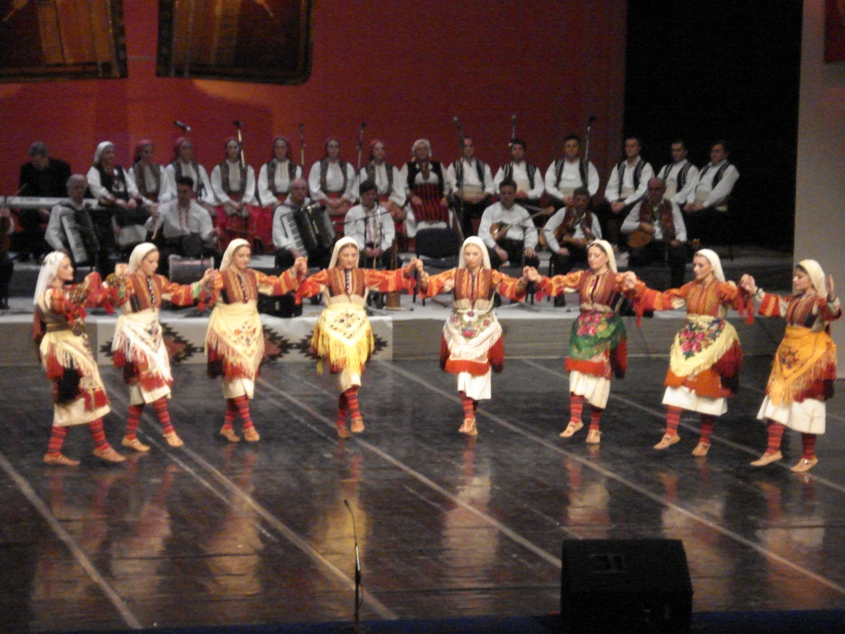 🇷🇴 Bucharest, Romania and 7 moreHorahoră (Romanian), хоро (Bulgarian), оро (Macedonian), הורה (Hebrew)
A circle dance from Southeast Europe, danced at weddings and festivalsPerformance
🇦🇱 Gjirokastër, Albania and 2 moreAlbanian iso-polyphonyIso-polifonia
Multi-part Albanian singing with a held drone, kept across the southPerformance
🇷🇴 Bucharest, Romania and 7 moreHorahoră (Romanian), хоро (Bulgarian), оро (Macedonian), הורה (Hebrew)
A circle dance from Southeast Europe, danced at weddings and festivalsPerformance
🇦🇱 Gjirokastër, Albania and 2 moreAlbanian iso-polyphonyIso-polifonia
Multi-part Albanian singing with a held drone, kept across the southPerformance
 🇧🇬 Bulgaria and 5 moreMartenitsaмартеница
Red and white yarn dolls worn from 1 March until spring shows itselfFestival
🇲🇰 Ohrid, North MacedoniaOhrid Summer FestivalОхридско лето
A summer season of concerts and theatre in Ohrid, running from mid-July to late AugustFestival
🇧🇬 Bulgaria and 5 moreMartenitsaмартеница
Red and white yarn dolls worn from 1 March until spring shows itselfFestival
🇲🇰 Ohrid, North MacedoniaOhrid Summer FestivalОхридско лето
A summer season of concerts and theatre in Ohrid, running from mid-July to late AugustFestival
 🇧🇬 Bulgaria and 4 moreKukeriкукери (kukeri)
Masked and belled figures who tour Bulgarian villages at New Year to drive off harmSpiritual
🇧🇬 Bulgaria and 4 moreKukeriкукери (kukeri)
Masked and belled figures who tour Bulgarian villages at New Year to drive off harmSpiritual
 🇦🇱 Albania and 5 moreSworn virginburrnesha
A vow of chastity that lets a woman of the northern Balkans live as a manRite of passage
🇦🇱 Albania and 5 moreSworn virginburrnesha
A vow of chastity that lets a woman of the northern Balkans live as a manRite of passage
 🇷🇺 Russia and 3 moreOld New YearСтарый Новый год (Russian), Стара Нова година (Macedonian), Српска Нова година (Serbian), Hen Galan (Welsh)
An informal holiday marking the start of the Julian calendar year, celebrated on 14 January in the Gregorian calendar.Festival · Dinner
🇷🇺 Russia and 3 moreOld New YearСтарый Новый год (Russian), Стара Нова година (Macedonian), Српска Нова година (Serbian), Hen Galan (Welsh)
An informal holiday marking the start of the Julian calendar year, celebrated on 14 January in the Gregorian calendar.Festival · Dinner
 🇦🇱 Albania and 3 moreXhubleta
A rippling bell-shaped skirt made by Albanian women of the northern highlandsDress
🇦🇱 Albania and 3 moreXhubleta
A rippling bell-shaped skirt made by Albanian women of the northern highlandsDress
 🇧🇬 Bulgaria and 5 moreKoledariколядники
A Slavic winter caroling custom of visiting homes with songs, masks and blessingsFestival
🇧🇬 Bulgaria and 5 moreKoledariколядники
A Slavic winter caroling custom of visiting homes with songs, masks and blessingsFestival
 🇺🇦 Ukraine and 7 moreVechornytsiвечорниці
Evening gatherings of Ukrainian youth, with songs, jokes, games and winter divinationSeasonal
🇺🇦 Ukraine and 7 moreVechornytsiвечорниці
Evening gatherings of Ukrainian youth, with songs, jokes, games and winter divinationSeasonal
 🇧🇬 Plovdiv, Bulgaria and 7 moreDay of Slavonic Alphabet, Bulgarian Enlightenment and CultureДен на българската просвета и култура и на славянската писменост
Bulgaria's public holiday for its alphabet, schools and culture, kept each 24 MayFestival
🇧🇬 Plovdiv, Bulgaria and 7 moreDay of Slavonic Alphabet, Bulgarian Enlightenment and CultureДен на българската просвета и култура и на славянската писменост
Bulgaria's public holiday for its alphabet, schools and culture, kept each 24 MayFestival
 🇷🇸 Serbia and 2 moreZapisзапис
A consecrated village tree marked with a cross, venerated in Serbian folk traditionSpiritual · Feasts and festival meals
🇷🇸 Serbia and 2 moreZapisзапис
A consecrated village tree marked with a cross, venerated in Serbian folk traditionSpiritual · Feasts and festival meals
 🇲🇰 Skopje, North MacedoniaAnother Story FestivalДруга приказна
An annual literary festival in Skopje celebrating short fiction, activism, and diverse voices.Festival
🇲🇰 Skopje, North MacedoniaAnother Story FestivalДруга приказна
An annual literary festival in Skopje celebrating short fiction, activism, and diverse voices.Festival
 🇲🇰 Bitola, North MacedoniaManaki Brothers Film Festival
An annual international festival in Bitola honouring the craft of cinematographyFestival
🇲🇰 Bitola, North MacedoniaManaki Brothers Film Festival
An annual international festival in Bitola honouring the craft of cinematographyFestival
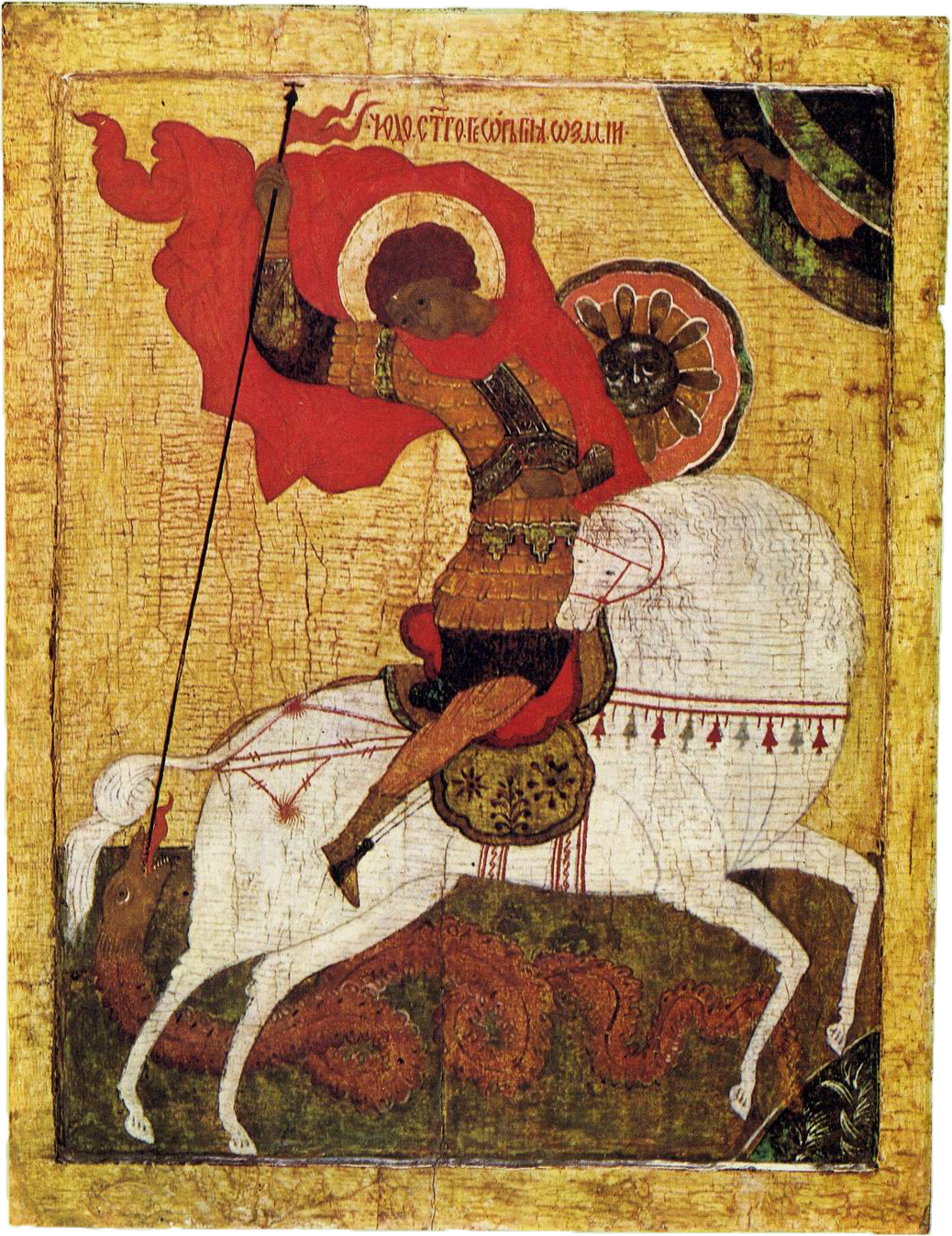 🇷🇸 Serbia and 5 moreĐurđevdanЂурђевдан
A spring festival and feast of Saint George kept across the Balkans and Eastern EuropeFestival · Feasts and festival meals
🇷🇸 Serbia and 5 moreĐurđevdanЂурђевдан
A spring festival and feast of Saint George kept across the Balkans and Eastern EuropeFestival · Feasts and festival meals
Photo credits on this page
The small pictures above come from Wikimedia Commons under free licences. Some are cropped to fit.
- Đurđevdan: Anonymous Russian icon painter (before 1917) Public domain image (acco, Public domain, source
- Hıdırellez: Правительство Республики Крым, CC BY 4.0, source
- Călușari: El bes, CC BY 3.0, source
- Koliada: Konstantin Trutovsky, Public domain, source
- Galičnik Wedding Festival: IvanaKrstik, CC BY-SA 3.0, source
- Dita e Verës: Bibiomn, CC BY-SA 4.0, source
- Banitsa: Sheku80, CC BY-SA 3.0, source
- Another Story Festival: Vancho Dzambaski, CC0, source
- Teškoto: This illustration was made by Rašo . An email to Rašo would be appreci, CC BY-SA 3.0, source
- Martenitsa: Unknown author, CC BY-SA 2.0, source
- Hora: Chajeshukarie ( talk ), Public domain, source
- Kukeri: Nenko Lazarov, CC BY 2.5, source
- Sworn virgin: Edith Durham, Public domain, source
- Xhubleta: Albinfo, CC BY-SA 4.0, source
- Vechornytsi: Гейслер, Кристиан Готфрид Генрих, Public domain, source
- Day of Slavonic Alphabet, Bulgarian Enlightenment and Culture: Unknown author, Public domain, source
- Old New Year: ceridwen, CC BY-SA 2.0, source
- Koledari: Mikhail Germashev, Public domain, source
- Manaki Brothers Film Festival: US Embassy, Macedonia, Public domain, source
- Zapis: Zblagojevic, CC BY-SA 4.0, source