Dress and adornmentEast AsiaBuddhist
Yingluo
In its own language: 璎珞
A ring-shaped Buddhist neck ornament that became a Chinese necklace, worn again today

Yingluo is a ring-shaped neck ornament that came into Chinese Buddhist art from prototypes in ancient India. Sculptors and painters put it on Bodhisattva figures, the Tang dynasty turned it into a wearable necklace, and Hanfu enthusiasts wear it again today.
Yingluo is a ring-shaped neck ornament from China, with Buddhist roots and prototypes in ancient India. It began life in Buddhist art, painted and carved on Bodhisattva figures, and the Tang dynasty turned it into a necklace people could wear. Court women wore it with hanfu, and today Hanfu enthusiasts wear it again, in many styles and materials.
What it is
A yingluo is a ring-shaped ornament worn at the neck, or a piece of fashion jewellery in the same form. Its ancestors lie in ancient India, where nobles wore body ornaments called keyūra, hāra, muktā-hāra and rucaka. Such pieces went on the chest, the arms, the legs and the feet, and could serve as crowns, head ornaments or bracelets, strung with gems and worked metals. Buddhist art then took the ornament over, and when Buddhism reached China the Chinese form took the name yingluo. In Japan it is called Yōraku. The Chinese version could also appear as a pattern printed or woven onto clothing.
In Buddhist art
Chinese Buddhist sculpture, painting and wall decoration used the yingluo freely. It hangs on Bodhisattva bodies and ranks among their chief decorations, and Dunhuang's grottoes show it in many shapes. Because Dunhuang lay where routes met, its ornament mixes Chinese work with non-Chinese ideas, including Central Asian approaches to materials. Art historians point to the Eastern Wei and Northern Qi years as a time of exchange, when the ornament took on new form; figures carved in the later sixth century already show Chinese invention beside foreign influence. Early Tang artists inherited the Dunhuang look and made it richer in colour, material and design.
From art to necklace
The ornament did not stay on painted and carved figures. During the Tang dynasty, makers copied the painted version as jewellery and produced actual necklaces, and the Khitan people of the Liao dynasty adopted them too. For centuries afterwards, the yingluo counted as a classical Chinese neckpiece. Women of the court wore it with hanfu, sometimes at the neck and sometimes as head-wear, and cloth could carry the same motif. Then taste shifted. In modern times the ornament lost its old appeal. It came back through the Hanfu movement, and Hanfu enthusiasts now wear yingluo in a wide range of styles and materials.
Today and change
Interest fell away as ideas about beauty changed, and the necklace stopped being ordinary dress. The Hanfu movement, which encourages people to wear traditional Chinese clothing, brought the yingluo back as an accessory. Wearers today choose their own shapes, colours and materials, from simple strands of beads to complex pieces. At the same time the ornament has not left religious art. Statues and shrines in China still carry it in carved or painted form, and in Japan the same element decorates Buddhist figures and shrine buildings, where it is known as Yōraku.
How Yingluo is kept
In Buddhist settings, a yingluo is painted or carved onto statues, murals and shrine figures, most famously at Dunhuang. Worn versions sit around the neck as a ring, often with beads hanging from them and small auspicious ornaments worked in. Tang-era women of the Chinese court wore them over hanfu, and some used them as head-wear. The motif also appeared as a pattern on cloth. Today Hanfu enthusiasts wear necklaces in many shapes and materials, and the ornament still decorates Buddhist statues in China and Japan.
When and where
The yingluo has no single day. It entered Chinese art as Buddhism spread, the Tang dynasty turned it into a wearable necklace, and it has been worn on and off since then. Its use follows Buddhist worship and hanfu dressing rather than a date in the calendar.
It belongs to China, where it became a classical necklace and remains a hanfu accessory, and where Dunhuang's murals and sculpture are the best-known home of its imagery. Its prototypes come from ancient India. In Japan it is known as Yōraku and decorates Buddhist statues and shrines.
What Yingluo means
For Buddhist makers, the yingluo marks the splendour of Bodhisattva figures; it is one of their main decorations. As jewellery it carries auspicious meaning, since wearers combined the beads with small motifs drawn from Chinese culture. Because Dunhuang sat where cultures met, the ornament also stands for exchange, Chinese workshops adopting and reshaping foreign forms. For today's wearers it signals a wish to dress in hanfu and to keep older Chinese styles in use.


Questions people ask about Yingluo
What is a yingluo?
A ring-shaped neck ornament. It began as a decorative element in Buddhist art, drawn and carved on Bodhisattva figures, then the Tang dynasty made it into a real necklace that Chinese women wore. Its name comes from the Sanskrit word keyūra.
Where is it worn or shown?
In China, above all at Dunhuang, whose murals and statues show it in many forms, and among Hanfu enthusiasts today. In Japan the same ornament is called Yōraku and decorates Buddhist statues and shrines. Ancient India is where its prototype comes from.
Is it worn at a particular time?
No. It is not tied to a festival or a season. It was used in Buddhist worship and in court dress, and it is worn now with hanfu. Its popularity rose and fell with changing taste rather than with the calendar.
What is it made of?
Historical pieces combined pearls, jade and gold, together with other valuable substances, and beads were often strung in strands with small auspicious trinkets. Today's versions use whatever materials the maker chooses.
What does the name mean?
The Chinese word yingluo is a rendering of keyūra, a Sanskrit term, which also appears in China as jiyouluo. In Japan the same ornament is called Yōraku. The written form has more than one spelling in Chinese.
See also
 Traditional tattooingThe ancient custom of marking the skin for protection, healing, status and sacred rites
 TangzhuangA Chinese jacket with a Mandarin collar, worn for formal occasions and holidays
 TurbanCloth wound around the head, worn for faith, rank, shade and identity
 DupattaA traditional South Asian scarf worn across the shoulders, chest, and head
Good reading and sources
The facts on this page come from the Wikipedia article "Yingluo (ornament)", written by its contributors and used under the CC BY-SA 4.0 licence, and from its Wikidata record (CC0). EveryParampara rewrote the text in its own words, with AI assistance, and compares every page with the article to make sure no passage is copied. It may be reused under the same CC BY-SA 4.0 licence with a link back.
It may contain mistakes. Traditions differ from one family, village and community to the next, and the people who keep them know them best. If something is wrong, tell us. Last refreshed 2026-10-10.
More from China
All the traditions of China
🇪🇬 Egypt and 5 moreTraditional tattooing
The ancient custom of marking the skin for protection, healing, status and sacred ritesDress
🇨🇳 Shanghai, ChinaTangzhuang唐裝 (traditional), 唐装 (simplified)
A Chinese jacket with a Mandarin collar, worn for formal occasions and holidaysDress
 🇰🇷 South Korea and 2 moreHanbok한복
Korea's customary dress: a short jacket, a skirt or trousers, and a bow-tied ribbonDress
🇰🇷 South Korea and 2 moreHanbok한복
Korea's customary dress: a short jacket, a skirt or trousers, and a bow-tied ribbonDress
 🇨🇳 Beijing, ChinaHanfu漢服
The dress of the Han Chinese, named for the Han dynasty and worn again todayDress
🇨🇳 Beijing, ChinaHanfu漢服
The dress of the Han Chinese, named for the Han dynasty and worn again todayDress
The same idea elsewhere
Healing, luck and protection compared 🇩🇪 Germany and 5 moreChristmas tree
A decorated evergreen or artificial tree placed indoors to mark the Christmas season.Festival
🇩🇪 Germany and 5 moreChristmas tree
A decorated evergreen or artificial tree placed indoors to mark the Christmas season.Festival
 🇫🇷 France and 5 moreCandlemas
A Christian feast of candle blessings marking the end of the Christmas seasonSpiritual
🇫🇷 France and 5 moreCandlemas
A Christian feast of candle blessings marking the end of the Christmas seasonSpiritual
 🇺🇸 United States and 4 moreFriday the 13th
A Western folk superstition regarding the unluckiness of a Friday falling on the 13th.Folklore
🇺🇸 United States and 4 moreFriday the 13th
A Western folk superstition regarding the unluckiness of a Friday falling on the 13th.Folklore
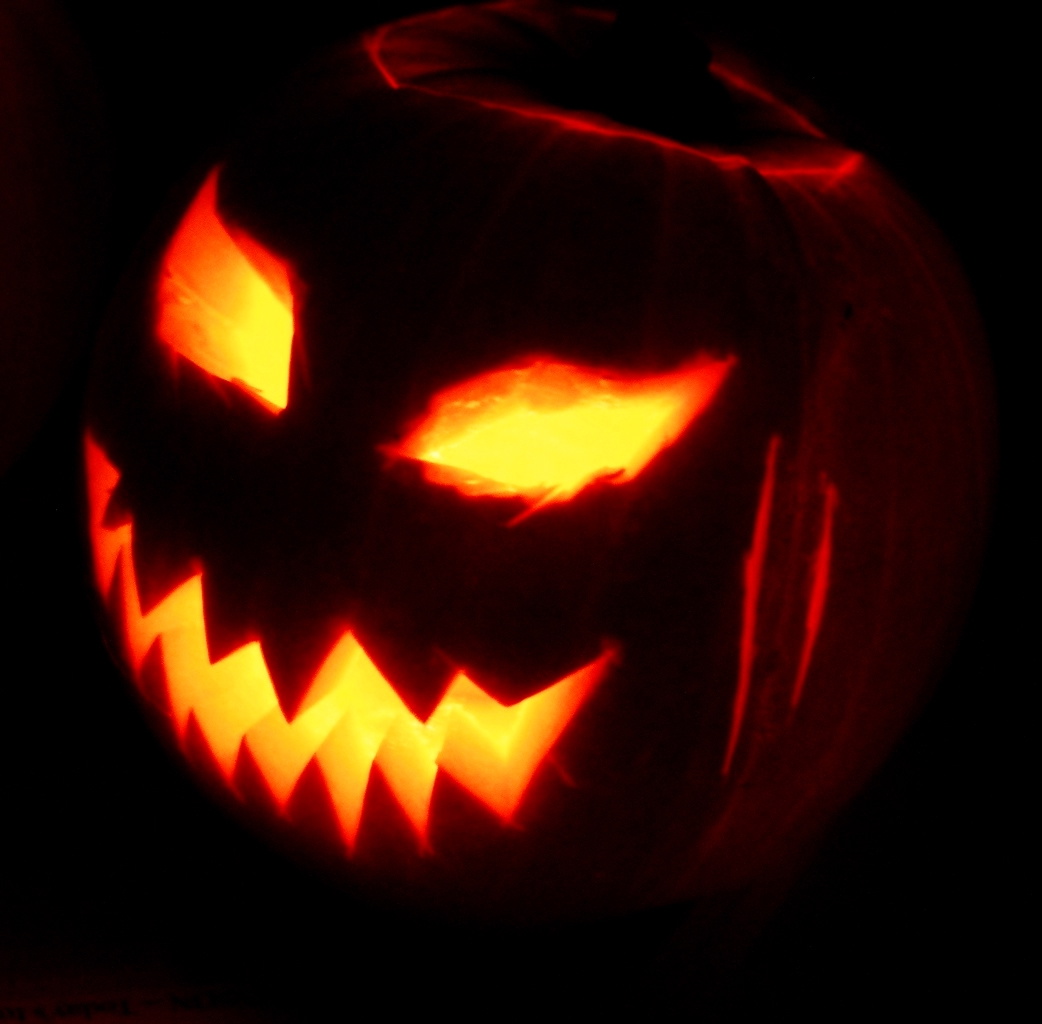 🇮🇪 Ireland and 2 moreJack-o'-lantern
A carved pumpkin lantern lit with a candle to brighten and protect Halloween nightsFolklore
🇮🇪 Ireland and 2 moreJack-o'-lantern
A carved pumpkin lantern lit with a candle to brighten and protect Halloween nightsFolklore