Tangzhuang
In its own language: 唐裝 (traditional), 唐装 (simplified)
A Chinese jacket with a Mandarin collar, worn for formal occasions and holidays

The tangzhuang is a Chinese jacket with a Mandarin collar and knotted fastenings, worn now for formal occasions and traditional holidays. It descends from the Qing-era magua, and the modern version designed for the APEC leaders' meeting in Shanghai in 2001 sparked a countrywide fashion.
When is Tangzhuang marked?
Tangzhuang is kept as part of Lunar New Year, which runs from 7 to 21 February 2027.
The tangzhuang is a jacket that many Chinese men wear when they need to look formal. It has a high Mandarin collar and closes with knotted fastenings rather than buttons. The cut is modern, closer to the body than older Chinese robes. Its name points to the Tang dynasty, but the garment itself descends from Qing-era dress, and it became widely popular after the 2001 APEC meeting in Shanghai.
What it is
A tangzhuang is a jacket, cut close to the body, that fastens down the front. Its collar stands straight and high, the kind known as a Mandarin collar, and the closure is made of decorative knots rather than ordinary buttons. Both Manchu and Han elements shape it. It is usually thought of as men's wear, and it serves as formal dress for many Chinese men today. Women wear it as well: Helen Clark, then prime minister of New Zealand, had one on at the 2001 APEC meeting. Red and blue are the colours most often seen, and patterned cloth is common.
A confusing name
Tángzhuāng is how the Mandarin name is written in pinyin. The characters are 唐裝 in traditional form and 唐装 in the simplified form used in mainland China, and other romanisations and dialects spell it a little differently. In English it is often rendered as tang suit or tang jacket. The Tang in the name points to a dynasty, but the designers meant it to say Chinese, not Tang-period. Cantonese speakers in southern China and in Chinese communities abroad use Tang people to mean Han Chinese, and the same habit lies behind the name. Criticism of the label led some to try new tangzhuang and APEC jackets; neither caught on, and the designers' own word stayed.
Roots in the magua
Behind the tangzhuang lies the magua, a front-opening jacket or surcoat that stopped at the waist or at mid-thigh. Manchu horsemen wore it first, often in dark blue. Under the Qing empire it became required dress for Han officials, and in time it turned from a protective layer over the changshan into a fashionable garment in its own right, even a sign of imperial favour. Common Han people took it up, and so did Chinese living abroad. The Mao suit later pushed the magua and the changshan aside, until a revival of traditional dress began in the 1980s. From the middle of the 1990s, magua styles appeared more often.
The 2001 APEC jackets
In 1993 Bill Clinton asked the leaders of the APEC economies to come to the meeting in person, and he handed out leather bomber jackets as keepsakes. Indonesia gave batik shirts the following year and asked the leaders to wear them for a photograph. That began a custom: each host offers clothing from its own culture, and the guests put it on for the last day as a sign of unity. When China hosted in 2001, officials looked at about forty designs over a year and picked one by the Shanghai tailors Li Jianqin and Yu Ying, working with five others at Qinyi and the Shanghai Garment Group.
Cut, cloth and after
The APEC jackets were meant to look both Chinese and modern. Their sleeves are set in separately, and the shaping uses darts and draping, methods learned from Europe and called solid-cutting. Older Chinese tailoring worked flat and hung loosely; shoulder pads gave the first version a firmer line. Silk has outsold cotton and other fabrics since, though the summit jackets were made from man-made fibre. Brocade often carries repeated embroidery, and auspicious characters such as fú and shòu appear in the pattern. Demand spread from Beijing to Lanzhou by the next Chinese New Year, then faded by 2004, but the jacket stayed a standby for holidays. The hanfu movement credits it with stirring interest in older Han dress.
How Tangzhuang is kept
Chinese men wear the tangzhuang for formal occasions, and it serves as festival dress at home and in overseas communities. Women wear it too, and New Zealand's prime minister Helen Clark had one on at the 2001 APEC meeting. At that summit the leaders of the member economies put the jackets on for their meetings and for the group photograph that closed the event, following a custom their hosts had started in the 1990s. Buyers then took up the style across China, and shops sold versions for everyday wear.
When and where
The tangzhuang has no single date of its own. It is worn through the year for formal events, and it comes out for traditional Chinese holidays. The fame of the modern jacket comes from 21 October 2001, when the APEC leaders wore it in Shanghai on the last day of their meeting.
The tangzhuang belongs to China. It is strongest on the mainland and among Chinese communities abroad. Shanghai is the city where the 2001 jackets were designed and worn, and the fashion that followed reached Beijing and Lanzhou in Gansu. China used Tang suit jackets again at the 2014 APEC summit.
What Tangzhuang means
The tangzhuang carries a sense of Chinese identity. Brocade versions often repeat the characters fú, happiness, and shòu, long life, worked into the cloth as wishes for good fortune. The name says Tang, though the designers meant only Chinese dress, and many people now stretch the word to cover any traditional Chinese clothing. Members of the hanfu movement say the tangzhuang, and the doubts about how traditional it really is, helped set their own revival going.


Days Tangzhuang is marked
Questions people ask about Tangzhuang
When is Tangzhuang marked?
Tangzhuang is kept as part of Lunar New Year, which runs from 7 to 21 February 2027.
What is a tangzhuang?
It is a Chinese jacket with a high Mandarin collar that fastens down the front with knotted closures instead of buttons. It takes after the Qing-era magua and serves as formal or festival dress, both in China and in Chinese communities overseas.
Why is it called a Tang suit if it is not from the Tang dynasty?
The designers gave it that name to mean Chinese dress in general, not clothing of the Tang period. In southern China and among Chinese communities overseas, the word for Han Chinese is Tang people, as distinct from Chinese nationals as a whole, and the name follows that usage.
Did the APEC jackets start a fashion?
Yes. After the leaders posed in them, the style spread quickly from Beijing to towns as far away as Lanzhou by the next Chinese New Year. Demand for silk garments grew, though the craze had largely passed by 2004.
Do women wear it?
It is usually thought of as menswear, but women wear tangzhuang too. New Zealand's prime minister Helen Clark wore one at the 2001 APEC meeting, and the jackets given to the leaders that year were made in styles for either sex.
See also
 Traditional tattooingThe ancient custom of marking the skin for protection, healing, status and sacred rites
 Water lanternSmall lamps floated on water to honour the dead and ask for good fortune
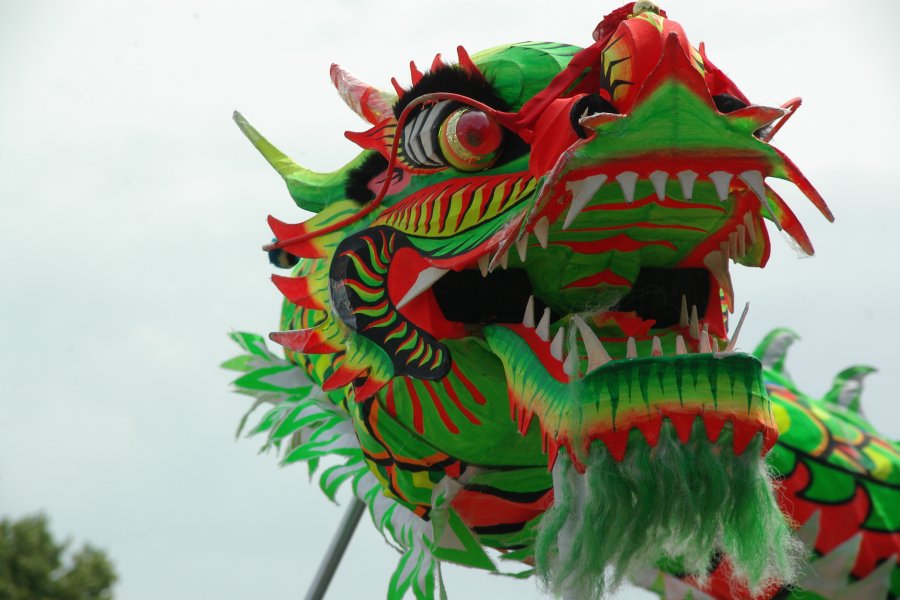 Dragon danceA long dragon puppet on poles, danced by a team at Chinese New Year and other festivals
 OvooA stone cairn on a peak or pass, circled by travellers and honoured in sky worship
Good reading and sources
- Awkward Apec fashion: what world leaders woreThe Guardian, Article
- Awkward Apec fashion: what world leaders woreThe Guardian, Article
- Tangzhuang on WikipediaEncyclopedia
- More photos on Wikimedia CommonsPhotos and video
- Wikidata recordOpen data
The facts on this page come from the Wikipedia article "Tangzhuang", written by its contributors and used under the CC BY-SA 4.0 licence, and from its Wikidata record (CC0). EveryParampara rewrote the text in its own words, with AI assistance, and compares every page with the article to make sure no passage is copied. It may be reused under the same CC BY-SA 4.0 licence with a link back.
It may contain mistakes. Traditions differ from one family, village and community to the next, and the people who keep them know them best. If something is wrong, tell us. Last refreshed 2026-10-05.
More from China
All the traditions of China
🇪🇬 Egypt and 5 moreTraditional tattooing
The ancient custom of marking the skin for protection, healing, status and sacred ritesDress
 🇰🇷 South Korea and 2 moreHanbok한복
Korea's customary dress: a short jacket, a skirt or trousers, and a bow-tied ribbonDress
🇰🇷 South Korea and 2 moreHanbok한복
Korea's customary dress: a short jacket, a skirt or trousers, and a bow-tied ribbonDress
 🇨🇳 Beijing, ChinaHanfu漢服
The dress of the Han Chinese, named for the Han dynasty and worn again todayDress
🇨🇳 Beijing, ChinaHanfu漢服
The dress of the Han Chinese, named for the Han dynasty and worn again todayDress
 🇨🇳 Shanghai, China and 1 moreCheongsam旗袍 (qípáo), 長衫 (chángshān)
A fitted one-piece Chinese dress with a high collar and side slits, worn since the 1920sDress
🇨🇳 Shanghai, China and 1 moreCheongsam旗袍 (qípáo), 長衫 (chángshān)
A fitted one-piece Chinese dress with a high collar and side slits, worn since the 1920sDress
The same idea elsewhere
New Year compared 🇮🇩 IndonesiaOgoh-ogohᬳᭀᬕᭀᬄᬳᭀᬕᭀᬄ
Giant handcrafted statues paraded and burned on the eve of the Balinese Saka New YearFestival
🇮🇩 IndonesiaOgoh-ogohᬳᭀᬕᭀᬄᬳᭀᬕᭀᬄ
Giant handcrafted statues paraded and burned on the eve of the Balinese Saka New YearFestival
 🇬🇧 United Kingdom and 5 moreYule log
A log kept burning on the hearth through the twelve days of Christmas, for luckSeasonal
🇬🇧 United Kingdom and 5 moreYule log
A log kept burning on the hearth through the twelve days of Christmas, for luckSeasonal
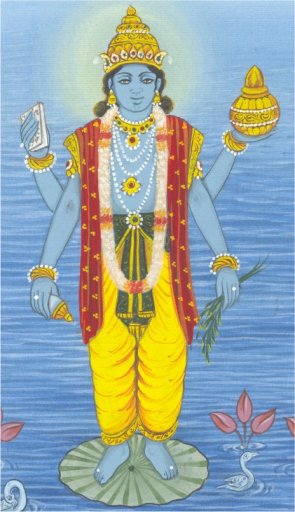 🇮🇳 India and 1 moreDhanterasधनतेरस (Hindi), धनत्रयोदशी (Sanskrit)
The first day of Diwali, a festival of lamps, health and wealth kept across India and Nepal.Festival
🇮🇳 India and 1 moreDhanterasधनतेरस (Hindi), धनत्रयोदशी (Sanskrit)
The first day of Diwali, a festival of lamps, health and wealth kept across India and Nepal.Festival
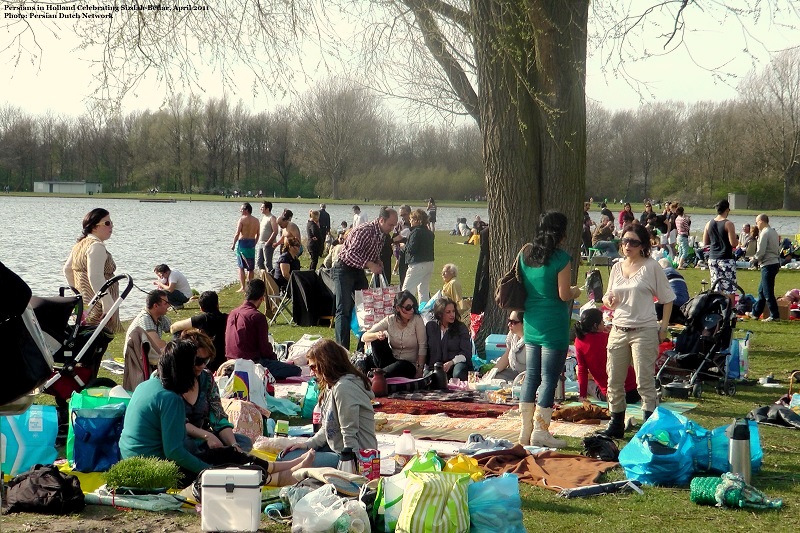 🇮🇷 Iran and 4 moreSizdah Bedarسیزدهبدر
An open-air picnic holiday concluding the Iranian New Year celebrationsFestival
🇮🇷 Iran and 4 moreSizdah Bedarسیزدهبدر
An open-air picnic holiday concluding the Iranian New Year celebrationsFestival