Spiritual and religiousSub-Saharan AfricaIndigenous and traditional
Adae Festival
A sacred day of rest and ancestral rites observed across the Ashanti Region in Ghana
Adae is a day of rest and ancestral remembrance kept by the Ashanti people of Ghana. Celebrated twice every six weeks, the cycle brings communities together to honour past chiefs and deities through drumming, traditional prayers, and food offerings at the sacred stool.
When is Adae Festival kept?
Adae Festival is kept on twice every six weeks, on a Sunday and a Wednesday.
Adae is an ancestral observance kept by the Ashanti people of Ghana. Meaning resting place in the Twi language, this sacred day provides rest from ordinary labour and an occasion to honour past leaders. Held on set Sundays and Wednesdays throughout the year, the rituals strengthen bonds between the living community, royal leaders, deities, and departed ancestors.
The calendar and cycle
The Akan calendar sets Adae celebrations into a repeating six-week sequence, spanning forty-two days. Within each cycle, two distinct festival days take place: Akwasidae on a Sunday and Awukudae on a Wednesday. This pattern occurs nine times over the course of a year. The final gathering of the sequence, known as Adae Kese or the big Adae, matches the arrival of the New Year. During this ninth observance, the community offers gratitude to the gods and ancestors for the recent harvest. These established dates have remained constant since ancient times.
Eve of the festival
Preparations begin on the day before the main event, known as Dapaa, which typically falls on a Tuesday or a Sunday. Households thoroughly clean their homes and sweep the surrounding ground. As twilight arrives, the divine drummer approaches the residence of the chief to pay respects. Drumming continues outdoors from sunset deep into the night, accompanied by traditional chants and ceremonial melodies that signal the start of the sacred period of rest.
Sacred stool rituals
On the festival day, the chief consumes an unsalted meal of boiled plantain or yam, as spirits are believed to dislike salt. Accompanied by an entourage, the chief enters the room housing the sacred royal throne. Leftover food is scattered in the courtyard while a hand bell rings, calling ancestral spirits to partake in the meal. Attendants perform a sheep sacrifice and daub the blood onto the chief's chest and forehead. The queen mother then presents fufu paste prepared from yam or cassava. Rum is poured over the ceremonial seat, and attendees share the remainder.
Public courtyard gathering
Following the private rites, the chief sits formally in the open courtyard to receive the community. Gathering guests offer the traditional greeting of Adae morn. A court poet stands before the assembly to recite verses commemorating the brave actions and character of previous rulers. Horn players join the continuous beat of royal drums, maintaining musical performances late into the night. Offerings left on the ceremonial stool are gathered in the late evening, though portions of meat stay in place for longer.
How Adae Festival is kept
Celebrations open on the eve of Dapaa with house cleaning and nocturnal drumming outside the chief's home. On the festival morning, the chief eats an unsalted dish of yam or plantain before moving to the royal stool room. Leftover food is scattered for the ancestors amid bell ringing, a sheep is sacrificed, and the queen mother presents fufu. Rum is poured over the throne and shared. In the open courtyard, subjects greet the seated chief with Adae morn while court poets recite praise poetry and musicians play drums and horns late into the night.
When and where
Adae takes place every forty-two days across a six-week cycle, recurring nine times each year. Each cycle features Akwasidae on a Sunday and Awukudae on a Wednesday. The ninth celebration, Adae Kese, aligns with the Akan New Year and harvest.
This custom is observed throughout the Ashanti Region of Ghana, centred around the chief's courtyard and the sacred stool chambers of the Ashanti people.
What Adae Festival means
Adae translates to resting place, marking a sacred pause from work to honour heritage. The custom reaffirms the connection between the living, past chiefs, and spiritual protectors. Unsalted food respects ancestral tastes, while libations and stool offerings feed the spirits, sustaining harmony and inviting blessings for the harvest and community.
On the table
- yam
- plantain
- fufu
- cassava
- rum
- sheep
Questions people ask about Adae Festival
When is Adae Festival kept?
Adae Festival is kept on twice every six weeks, on a Sunday and a Wednesday.
What is the Adae Festival?
It is a day of rest and ancestral reverence celebrated by the Ashanti people of Ghana. It honours departed leaders and deities through stool rites, drumming, and offerings.
How often does Adae occur?
It is observed nine times a year within a recurring six-week cycle. Each cycle contains two distinct festival days: Akwasidae on a Sunday and Awukudae on a Wednesday.
What food is offered during the rituals?
Offerings include unsalted yam or plantain, a fufu paste made of cassava or yam presented by the queen mother, rum libations, and meat from a sacrificed sheep.
What is Adae Kese?
Adae Kese, or the big Adae, is the ninth and final celebration of the annual cycle. It coincides with the Akan New Year and serves as a thanksgiving for the new harvest.
See also
 Akwasidae FestivalA Sunday gathering of the Ashanti people to honour ancestors and the king
 HomowoA harvest festival of the Ga people in Ghana to remember surviving famine
 Damba festivalA Ghanaian celebration of royal authority, ancestral memory, music and dance
 Fetu AfahyeA harvest festival of cleansing, boat races and royal durbars in Cape Coast, Ghana
Good reading and sources
The facts on this page come from the Wikipedia article "Adae Festival", written by its contributors and used under the CC BY-SA 4.0 licence, and from its Wikidata record (CC0). EveryParampara rewrote the text in its own words, with AI assistance, and compares every page with the article to make sure no passage is copied. It may be reused under the same CC BY-SA 4.0 licence with a link back.
It may contain mistakes. Traditions differ from one family, village and community to the next, and the people who keep them know them best. If something is wrong, tell us. Last refreshed 2026-10-04.
More from Ghana
All the traditions of Ghana
🇬🇭 Kumasi, GhanaAkwasidae Festival
A Sunday gathering of the Ashanti people to honour ancestors and the kingSpiritual
 🇪🇬 Egypt and 5 moreLibation
The ceremonial gift of drink given to deities, ancestors, and the earthSpiritual · Tea, coffee and drinking ceremonies
🇪🇬 Egypt and 5 moreLibation
The ceremonial gift of drink given to deities, ancestors, and the earthSpiritual · Tea, coffee and drinking ceremonies
 🇵🇭 Manila, Philippines and 5 moreNovena
A nine-day Christian prayer tradition for petitions, feasts, or mourning.Spiritual
🇵🇭 Manila, Philippines and 5 moreNovena
A nine-day Christian prayer tradition for petitions, feasts, or mourning.Spiritual
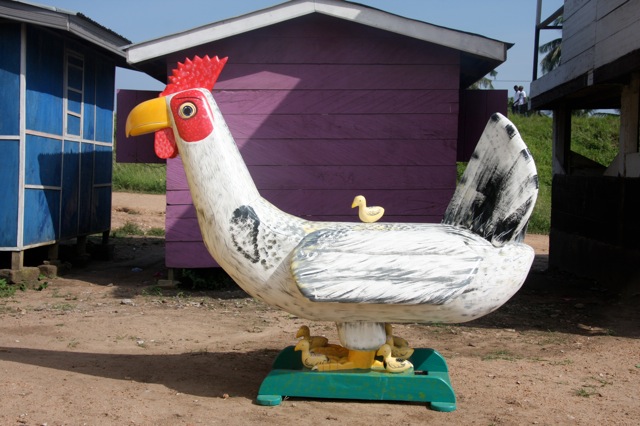 🇬🇭 Accra, GhanaFantasy coffinsAbebuu adekai
Custom hand-carved burial caskets shaped as animals, tools and symbols in southern GhanaRite of passage
🇬🇭 Accra, GhanaFantasy coffinsAbebuu adekai
Custom hand-carved burial caskets shaped as animals, tools and symbols in southern GhanaRite of passage
The same idea elsewhere
Remembering the ancestors compared 🇺🇸 United StatesMakahiki
A four-month Hawaiian new year season of peace, harvest gifts, feasts and gamesSeasonal · Feasts and festival meals
🇺🇸 United StatesMakahiki
A four-month Hawaiian new year season of peace, harvest gifts, feasts and gamesSeasonal · Feasts and festival meals
 🇮🇳 Ayodhya, India and 7 moreDiwaliदीपावली (Dīpāvalī)
A five-day festival of lights celebrated across India and its diaspora to mark the victory of light over darkness.Festival · Feasts and festival meals
🇮🇳 Ayodhya, India and 7 moreDiwaliदीपावली (Dīpāvalī)
A five-day festival of lights celebrated across India and its diaspora to mark the victory of light over darkness.Festival · Feasts and festival meals
 🇯🇵 JapanKadomatsu門松
A Japanese New Year gateway decoration of pine and bamboo where a visiting deity can restSeasonal
🇯🇵 JapanKadomatsu門松
A Japanese New Year gateway decoration of pine and bamboo where a visiting deity can restSeasonal
 🇵🇪 Cusco, Peru and 4 moreIntiinti (Quechua)
The Inca sun deity, honoured with temples, offerings and the June festival Inti RaymiSpiritual
🇵🇪 Cusco, Peru and 4 moreIntiinti (Quechua)
The Inca sun deity, honoured with temples, offerings and the June festival Inti RaymiSpiritual