Spiritual and religiousNorth AfricaPagan and ancientIndigenous and traditional
Libation
The ceremonial gift of drink given to deities, ancestors, and the earth

Libation is the sacred act of pouring a drink as an offering to gods, spirits, or deceased forebears. Practised across ancient and living traditions, people present liquids like wine, milk, or water onto altars, graves, or the soil before feasts and ceremonies.
When is Libation marked?
Libation is kept as part of Sukkot, which runs from 16 to 22 October 2027.
Giving a drink to unseen powers or departed family members is among humanity's oldest religious acts. Across many continents, people spill a portion of their beverage onto the earth, a dedicated altar, or a tomb before sharing the rest. These offerings honour ancestors, seal agreements, and invite blessings at communal gatherings, family meals, and rites of passage.
Sacred rites in antiquity
Archaeological finds in the Nile Valley show drink offerings dating back to predynastic Egypt, where priests gave water, beer, wine, and oils to purify shrines and nourish the life force of both deities and the deceased. In ancient Sumer, relatives poured fluids down clay tubes directly into burial pits to relieve spirits in the dusty underworld. Classical Greek worship depended heavily on wine offerings. Worshippers poured wine into shallow dishes called phiales during animal sacrifices, prayers, and social banquets. They also spilled unmixed wine or milk onto the bare soil to appease underworld deities.
Feasts, treaties, and daily life
In ancient Mediterranean households, almost every occasion involving wine opened with a gift to the gods. Greek banqueters dedicated successive mixing bowls of wine to Zeus, heroic spirits, and Hermes. The Greek word for such an offering also came to signify a peace treaty, because warring cities concluded truces under divine witness. Ancient Romans similarly opened formal sacrifices with wine and incense, while honouring household protectors or nursing deities with offerings of milk. Roman families brought wine and perfumed oils to gravesites during yearly memorial days.
Honouring ancestors today
In numerous African traditional religions, community elders lead drink offerings to invite departed forebears and divinities to festive gatherings, marriages, naming rites, and chief installations. Leaders frequently offer palm wine, water, or a blend of water and cornmeal. During the West African Agbekor dance, a pause in the drumming allows for this invocation. In the Andes, Quechua and Aymara people perform the challa, tipping drops of maize chicha onto the soil to nourish Mother Earth before taking a sip themselves.
How Libation is kept
An elder, priest, or host holds a vessel containing a chosen fluid, such as wine, water, milk, or oil. Standing before an altar, grave, or patch of ground, the celebrant recites prayers or speaks the names of ancestors and deities. A portion of the drink is poured out over the designated spot. Participants observe in silence or recite responses, after which the remaining beverage may be shared among the living or drunk by the person offering the prayer.
When and where
Offerings take place during moments of transition, including births, weddings, and burials. They also open daily meals, communal drinking sessions, and seasonal celebrations like the West African Homowo festival or harvest gatherings.
The custom appears across diverse regions, from West Africa and the Nile Valley to the Andean highlands of South America, and holds a deep historical presence across the Mediterranean basin and the Near East.
What Libation means
Releasing a drink onto the earth or an altar acknowledges that human life and nourishment depend on greater powers. In African and Andean belief, the gift preserves a bridge between living communities, deceased kin, and the land, ensuring that spirits share in the community's joy and provide ongoing guidance and protection.


Days Libation is marked
Questions people ask about Libation
When is Libation marked?
Libation is kept as part of Sukkot, which runs from 16 to 22 October 2027.
What is a libation?
It is a customary religious offering where someone pours a drink, such as wine, milk, or water, onto the ground, a grave, or an altar to honour spirits, gods, or deceased family members.
Where and when is this custom observed?
It is observed worldwide, especially in West Africa and the Andean mountains today, as well as historically in Egypt, Greece, and Rome, occurring during meals, weddings, funerals, and festivals.
Which liquids are typically used?
Worshippers use wine, palm wine, chicha, water, milk, oil, honey, or clarified butter, depending on the culture and the particular deity or ancestor being invoked.
Why do people pour drinks onto graves?
Historically in places like Sumer, Greece, and Rome, relatives poured beverages through tubes or directly onto burial ground to sustain and comfort the spirits of their deceased kin.
See also
 Akhand PathThe unbroken, continuous reading of the entire Sikh scripture over two days
 PretaOfferings and rites for spirits enduring deep hunger across Asian traditions.
 TheyyamA sacred ritual dance and divine invocation from North Malabar in IndiaHamadshaA Moroccan possession rite kept by Muslim fraternities to cure affliction and restore social balance through music and d
Good reading and sources
- Encyclopaedia BritannicaArticle
- Ancient Mesopotamian Beliefs in the AfterlifeWorld History Encyclopedia, Article
- Ancient Mesopotamian Beliefs in the AfterlifeWorld History Encyclopedia, Article
- Libation on WikipediaEncyclopedia
- More photos on Wikimedia CommonsPhotos and video
- Wikidata recordOpen data
The facts on this page come from the Wikipedia article "Libation", written by its contributors and used under the CC BY-SA 4.0 licence, and from its Wikidata record (CC0). EveryParampara rewrote the text in its own words, with AI assistance, and compares every page with the article to make sure no passage is copied. It may be reused under the same CC BY-SA 4.0 licence with a link back.
It may contain mistakes. Traditions differ from one family, village and community to the next, and the people who keep them know them best. If something is wrong, tell us. Last refreshed 2026-10-05.
More from Egypt
All the traditions of Egypt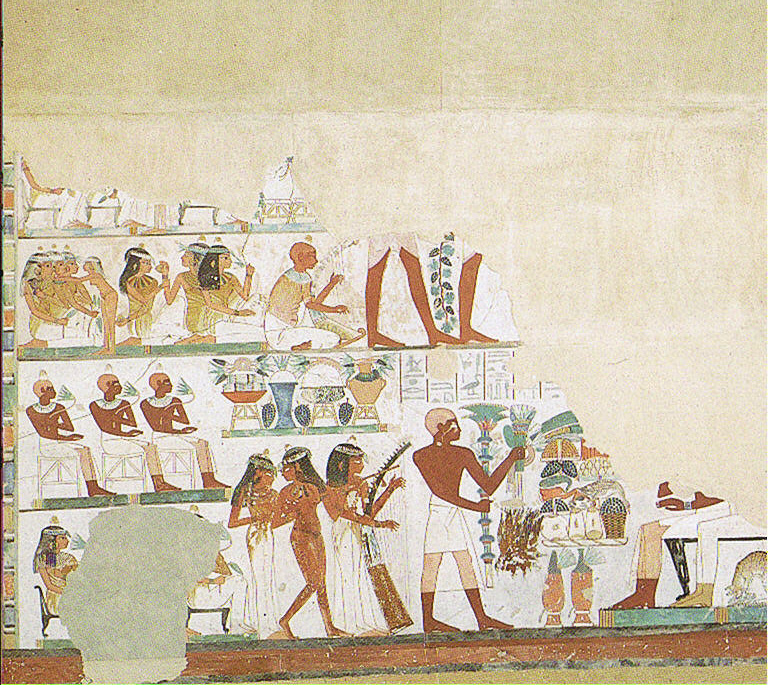 🇪🇬 Thebes, EgyptBeautiful Festival of the Valleyhb nfr n jnt
An ancient Egyptian festival honouring the dead with river processions across ThebesSpiritual
🇪🇬 Thebes, EgyptBeautiful Festival of the Valleyhb nfr n jnt
An ancient Egyptian festival honouring the dead with river processions across ThebesSpiritual
 🇮🇱 Israel and 4 moreTorah readingקריאת התורה
The public reading of the Torah scroll in synagogue, chanted to a special tuneSpiritual
🇮🇱 Israel and 4 moreTorah readingקריאת התורה
The public reading of the Torah scroll in synagogue, chanted to a special tuneSpiritual
 🇨🇳 China and 5 moreAncestor veneration
Honouring dead relatives with offerings, meals and prayers, kept in cultures worldwideSpiritual
🇨🇳 China and 5 moreAncestor veneration
Honouring dead relatives with offerings, meals and prayers, kept in cultures worldwideSpiritual
The same idea elsewhere
Remembering the ancestors compared 🇳🇿 Auckland, New ZealandWharenui
A Māori carved communal meeting house at the centre of tribal life in New ZealandHome
🇳🇿 Auckland, New ZealandWharenui
A Māori carved communal meeting house at the centre of tribal life in New ZealandHome
 🇹🇱 Timor-LesteUma Lulik
Sacred ancestral clan houses and ritual shrines in East TimorSpiritual
🇹🇱 Timor-LesteUma Lulik
Sacred ancestral clan houses and ritual shrines in East TimorSpiritual
 🇮🇩 Indonesia and 2 moreKenduri
A communal prayer meal and gathering shared across Indonesia, Malaysia and BruneiSpiritual · Feasts and festival meals
🇮🇳 India and 1 moreAkhand Pathਅਖੰਡ ਪਾਠ
The unbroken, continuous reading of the entire Sikh scripture over two daysSpiritual
🇮🇩 Indonesia and 2 moreKenduri
A communal prayer meal and gathering shared across Indonesia, Malaysia and BruneiSpiritual · Feasts and festival meals
🇮🇳 India and 1 moreAkhand Pathਅਖੰਡ ਪਾਠ
The unbroken, continuous reading of the entire Sikh scripture over two daysSpiritual