Spiritual and religiousSub-Saharan AfricaIndigenous and traditional
Akwasidae Festival
A Sunday gathering of the Ashanti people to honour ancestors and the king

The Akwasidae Festival is an Ashanti observance held every six weeks on a Sunday in Ghana. Gathered at the royal palace in Kumasi, chiefs and community members honour their ancestors and greet the king with drumming, song and offerings.
When is Akwasidae Festival kept?
Akwasidae Festival is kept every six weeks on a Sunday.
The Akwasidae Festival is a sacred gathering observed every six weeks by the Ashanti people of Ghana. Celebrated on a Sunday at the royal palace in Kumasi and in homes across the diaspora, it provides a dedicated time to remember departed ancestors, pay homage to the king, and mark the rhythms of the farming calendar with drumming, dance, and shared food.
The royal assembly
During the celebration in Kumasi, the Asantehene, or King of Ashanti, appears before his subjects and local chiefs in the courtyard of Manhyia Palace. The king travels in a palanquin adorned with gold jewellery before presiding over a public assembly known as a durbar. Citizens arrive in great numbers to greet their monarch directly and shake his hand. On this occasion, the Golden Stool, the sacred throne of the Ashanti nation, is brought out and displayed on the palace grounds. A large procession surrounds the courtyard, featuring traditional horn blowers, drummers, and folk dancers who perform before the king.
Rites and offerings
Akwasidae centres on remembering personal forebears and community ancestors, known as Nsamanfo, alongside lesser Akan deities called Abosom. A dedicated spiritual assembly, termed Akom, brings together singing, dancing, and rhythmic percussion. To honour these spirits, celebrants prepare sacred dishes, most notably eto, a meal of mashed African yam served with hard-boiled eggs. The king also makes a solemn visit to the Bantama Mausoleum. There, he pays formal respects to the physical remains and the carved stools of former rulers, acknowledging the lineage and spiritual guidance of those who came before.
The calendar cycle
The festival belongs to the Adae cycle, which divides the Akan year into nine distinct periods lasting between 40 and 42 days each. Within each cycle, two Adae celebrations take place: Awukudae on a Wednesday, and Akwasidae on the final Sunday. A preparatory ritual day, called Fofie, occurs ten days prior on a Friday. Akwasidae helps communities track the changing seasons and schedule agricultural work. The final Akwasidae of the yearly cycle coincides with the Adae Kese festival, an ancient observance devoted to cleansing the Golden Stool and presenting charity and food gifts to people in need.
How Akwasidae Festival is kept
The observance begins with ritual preparations, including the Fofie Friday held ten days earlier. On Sunday, Ashanti people hold an Akom gathering with percussion, chanting, and dances honouring ancestors and deities, offering plates of mashed yam with boiled eggs. In Kumasi, the king travels by palanquin to the Manhyia Palace courtyard to hold a public durbar. Subordinate chiefs and local citizens gather around the displayed Golden Stool to exchange greetings with the monarch, enjoy parades of horn blowers and dancers, and join the king as he pays homage at the ancestral mausoleum.
When and where
Akwasidae takes place every six weeks on a Sunday, repeating nine times throughout the Akan year. The exact spacing falls every 40 to 42 days, marking the end of each cycle in the traditional Ashanti calendar.
The festival is celebrated across the Ashanti Region of Ghana, with its primary royal ceremonies held at the Manhyia Palace in Kumasi. Ashanti diaspora communities around the world also observe the day.
What Akwasidae Festival means
The tradition serves as a vital bridge between the living, their forebears, and the divine. By honouring ancestral stools and displaying the Golden Stool, the community reaffirms political unity, lineage continuity, and respect for departed leaders. It also aligns communal life with the agricultural calendar, invoking blessings for farming, protection, and social welfare across the kingdom.
On the table
- Eto (mashed yam with boiled eggs)


Questions people ask about Akwasidae Festival
When is Akwasidae Festival kept?
Akwasidae Festival is kept every six weeks on a Sunday.
What is the Akwasidae Festival?
It is an Ashanti festival celebrated every six weeks on a Sunday to honour ancestors and the Akan deities, mark seasonal farming cycles, and bring the community together with their king.
Where does the main celebration take place?
The central celebration is held at the Manhyia Palace in Kumasi, Ghana, where the King of Ashanti holds a public durbar and presents the Golden Stool.
What food is traditionally prepared for Akwasidae?
Families and celebrants prepare eto, a traditional dish made from mashed African yam garnished with hard-boiled eggs, which is offered to honour the ancestors.
How often is the festival held?
It occurs nine times a year, falling every 40 to 42 days on the final Sunday of each Adae cycle in the Akan calendar.
See also
 Damba festivalA Ghanaian celebration of royal authority, ancestral memory, music and dance
 HomowoA harvest festival of the Ga people in Ghana to remember surviving famine
 Fetu AfahyeA harvest festival of cleansing, boat races and royal durbars in Cape Coast, Ghana
 Odwira FestivalAn annual harvest and purification festival celebrated by the Akuapem in Ghana
Good reading and sources
The facts on this page come from the Wikipedia article "Akwasidae Festival", written by its contributors and used under the CC BY-SA 4.0 licence, and from its Wikidata record (CC0). EveryParampara rewrote the text in its own words, with AI assistance, and compares every page with the article to make sure no passage is copied. It may be reused under the same CC BY-SA 4.0 licence with a link back.
It may contain mistakes. Traditions differ from one family, village and community to the next, and the people who keep them know them best. If something is wrong, tell us. Last refreshed 2026-10-04.
More from Ghana
All the traditions of Ghana 🇪🇬 Egypt and 5 moreLibation
The ceremonial gift of drink given to deities, ancestors, and the earthSpiritual · Tea, coffee and drinking ceremonies
🇪🇬 Egypt and 5 moreLibation
The ceremonial gift of drink given to deities, ancestors, and the earthSpiritual · Tea, coffee and drinking ceremonies
 🇵🇭 Manila, Philippines and 5 moreNovena
A nine-day Christian prayer tradition for petitions, feasts, or mourning.Spiritual
🇵🇭 Manila, Philippines and 5 moreNovena
A nine-day Christian prayer tradition for petitions, feasts, or mourning.Spiritual
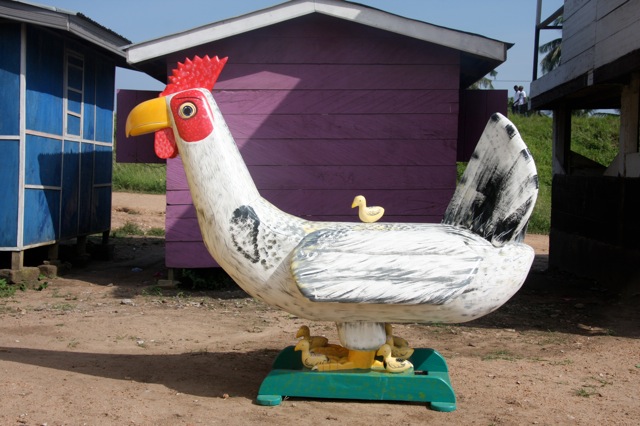 🇬🇭 Accra, GhanaFantasy coffinsAbebuu adekai
Custom hand-carved burial caskets shaped as animals, tools and symbols in southern GhanaRite of passage
🇬🇭 Accra, GhanaFantasy coffinsAbebuu adekai
Custom hand-carved burial caskets shaped as animals, tools and symbols in southern GhanaRite of passage
The same idea elsewhere
Remembering the ancestors compared 🇵🇪 Cusco, Peru and 4 moreIntiinti (Quechua)
The Inca sun deity, honoured with temples, offerings and the June festival Inti RaymiSpiritual
🇵🇪 Cusco, Peru and 4 moreIntiinti (Quechua)
The Inca sun deity, honoured with temples, offerings and the June festival Inti RaymiSpiritual
 🇺🇸 United StatesMakahiki
A four-month Hawaiian new year season of peace, harvest gifts, feasts and gamesSeasonal · Feasts and festival meals
🇺🇸 United StatesMakahiki
A four-month Hawaiian new year season of peace, harvest gifts, feasts and gamesSeasonal · Feasts and festival meals
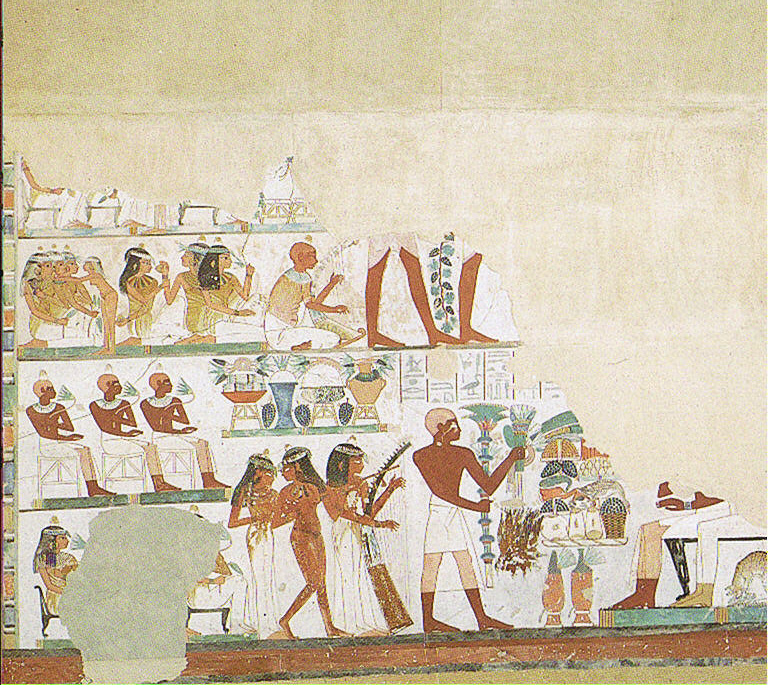 🇪🇬 Thebes, EgyptBeautiful Festival of the Valleyhb nfr n jnt
An ancient Egyptian festival honouring the dead with river processions across ThebesSpiritual
🇪🇬 Thebes, EgyptBeautiful Festival of the Valleyhb nfr n jnt
An ancient Egyptian festival honouring the dead with river processions across ThebesSpiritual
 🇮🇳 Ayodhya, India and 7 moreDiwaliदीपावली (Dīpāvalī)
A five-day festival of lights celebrated across India and its diaspora to mark the victory of light over darkness.Festival · Feasts and festival meals
🇮🇳 Ayodhya, India and 7 moreDiwaliदीपावली (Dīpāvalī)
A five-day festival of lights celebrated across India and its diaspora to mark the victory of light over darkness.Festival · Feasts and festival meals