Festivals and celebrationsSoutheast AsiaChristianIndigenous and traditional
Ati-Atihan
A week of drumbeats, street dancing, and devotion to the Infant Jesus in Aklan

The Ati-Atihan Festival is an annual celebration held every January across the province of Aklan on the island of Panay, culminating in the town of Kalibo. Devotees and visitors take to the streets with painted faces, rhythmic foot-dragging dances, and religious processions in honour of the Santo Niño, or Infant Jesus.
When is Ati-Atihan kept?
Ati-Atihan is kept every year in January, ending on the third Sunday.
Ati-Atihan is a major Catholic and cultural festival celebrated across the province of Aklan in the Philippines. Centred in Kalibo on the island of Panay, it honours the Santo Niño, or Infant Jesus. People gather for several days of processions, music, and energetic street dancing known as sadsad, marking what is widely regarded as the oldest festival in the country.
origins and history
According to local lore, the festival began in 1212 after ten Bornean chieftains arrived on Panay and were welcomed by the indigenous Ati people. Modern historians question this narrative, which comes from the Maragtas text. Catholic roots date back to at least the seventeenth century, when Spanish missionaries connected local festivities to the Santo Niño under colonial settlement policies. Some traditions also trace back to animist rites for ancestor spirits, known as anito. During the mid-twentieth century, the celebrations adopted modern carnival elements, including face paint and theatrical costumes, before taking the official name Ati-Atihan in 1972.
how it is kept
Festivities open with a formal religious mass and an energetic street procession led by beating drums. The following morning starts at daybreak with a rosary procession, followed by a communal mass and further parades. The celebration peaks on the third Sunday of January with colourful troupe competitions, where performers in elaborate dress vie for awards. The festival concludes with thousands of worshippers joining a final procession through the streets, carrying varied statues of the Santo Niño.
music and dance
Street dancing lies at the centre of the gathering. Marching bands fill the avenues with driving drum rhythms while participants perform the sadsad, a distinctive dance step where dancers briefly drag one foot across the ground in time with the percussion. Crowds wear bright costumes, body paint, and themed outfits. The energetic rhythm and participatory spirit have earned the event a reputation as the mother of all Philippine festivals, directly inspiring other regional celebrations such as Dinagyang in Iloilo and Sinulog in Cebu.
How Ati-Atihan is kept
The festival unfolds over several days of church services, marching band parades, and processions. It opens with an inaugural morning mass followed by drumming and dancing. On the second morning, devotees join a dawn rosary walk and another community service. Celebrations culminate on the third Sunday of January, when competing performance groups parade in bright costumes, floats roll through town, and thousands of participants dance the sadsad. The event finishes with a massive evening procession carrying images of the Santo Niño.
When and where
Ati-Atihan takes place every year in January. While events run across multiple days, the main festivities and the climactic parade always fall on the third Sunday of the month.
The festival is held across the province of Aklan on the island of Panay in the Philippines. Its largest and most famous gathering occurs in Kalibo, the provincial capital, with related celebrations in towns like Ibajay, Lezo, and Malay on Boracay Island.
What Ati-Atihan means
The festival combines Christian devotion to the Infant Jesus with homage to the island's earliest inhabitants. The phrase Ati-Atihan means to imitate the Ati people. While traditionally celebrated as an expression of hospitality and communal faith, modern observers and scholars also reflect on its historical representations, including the use of dark body paint, balancing religious devotion with evolving conversations on culture.


Questions people ask about Ati-Atihan
When is Ati-Atihan kept?
Ati-Atihan is kept every year in January, ending on the third Sunday.
What is the Ati-Atihan Festival?
It is an annual Philippine religious and cultural festival dedicated to the Santo Niño, or Infant Jesus. Known for its loud drumbeats, colourful costumes, and community street dancing, it is considered the oldest festival in the country.
What does the name Ati-Atihan mean?
The name translates to 'to imitate the Ati people', referring to the dark-skinned indigenous group of Panay Island. The festival was officially given this title in 1972.
What is the sadsad dance?
Sadsad is the local style of street dancing performed during the festival parade. Dancers momentarily drag one foot along the pavement in time with the driving rhythms played by brass and marching bands.
See also
 Christmas EveThe evening before Christmas, marked by church services, family meals, and gift preparations across Christian cultures.
 Chinese New Year's EveA reunion day for ethnic Chinese families before the Lunar New Year, marked by feasts, rituals, and staying up late.
 Sinulog FestivalAn annual Philippine dance festival and Catholic devotion honouring the Santo Niño
 Qingming FestivalA spring custom of sweeping family graves and honouring ancestors across East Asia.
Good reading and sources
- Ati-Atihan on WikipediaEncyclopedia
- More photos on Wikimedia CommonsPhotos and video
- Wikidata recordOpen data
The facts on this page come from the Wikipedia article "Ati-Atihan", written by its contributors and used under the CC BY-SA 4.0 licence, and from its Wikidata record (CC0). EveryParampara rewrote the text in its own words, with AI assistance, and compares every page with the article to make sure no passage is copied. It may be reused under the same CC BY-SA 4.0 licence with a link back.
It may contain mistakes. Traditions differ from one family, village and community to the next, and the people who keep them know them best. If something is wrong, tell us. Last refreshed 2026-10-04.
More from the Philippines
All the traditions of the Philippines 🇵🇭 Marinduque, PhilippinesMoriones Festival
A Holy Week reenactment in Marinduque where masked participants search for the Roman centurion Longinus.Festival
🇵🇭 Cebu City, Philippines and 4 moreSinulog Festival
An annual Philippine dance festival and Catholic devotion honouring the Santo NiñoFestival
🇨🇳 China and 5 moreChinese New Year's Evechúxī
A reunion day for ethnic Chinese families before the Lunar New Year, marked by feasts, rituals, and staying up late.Festival · Dinner
🇵🇭 Marinduque, PhilippinesMoriones Festival
A Holy Week reenactment in Marinduque where masked participants search for the Roman centurion Longinus.Festival
🇵🇭 Cebu City, Philippines and 4 moreSinulog Festival
An annual Philippine dance festival and Catholic devotion honouring the Santo NiñoFestival
🇨🇳 China and 5 moreChinese New Year's Evechúxī
A reunion day for ethnic Chinese families before the Lunar New Year, marked by feasts, rituals, and staying up late.Festival · Dinner
 🇯🇵 Tokyo, Japan and 3 moreObonお盆 (Obon)
A Japanese Buddhist festival honoring the spirits of ancestors through dance, light, and family reunion.Festival
🇯🇵 Tokyo, Japan and 3 moreObonお盆 (Obon)
A Japanese Buddhist festival honoring the spirits of ancestors through dance, light, and family reunion.Festival
The same idea elsewhere
Pilgrimage compared 🇮🇱 Jerusalem, IsraelSukkotסוכות
A seven-day autumn Jewish festival of temporary booths, harvest prayers and hospitalitySpiritual
🇮🇱 Jerusalem, IsraelSukkotסוכות
A seven-day autumn Jewish festival of temporary booths, harvest prayers and hospitalitySpiritual
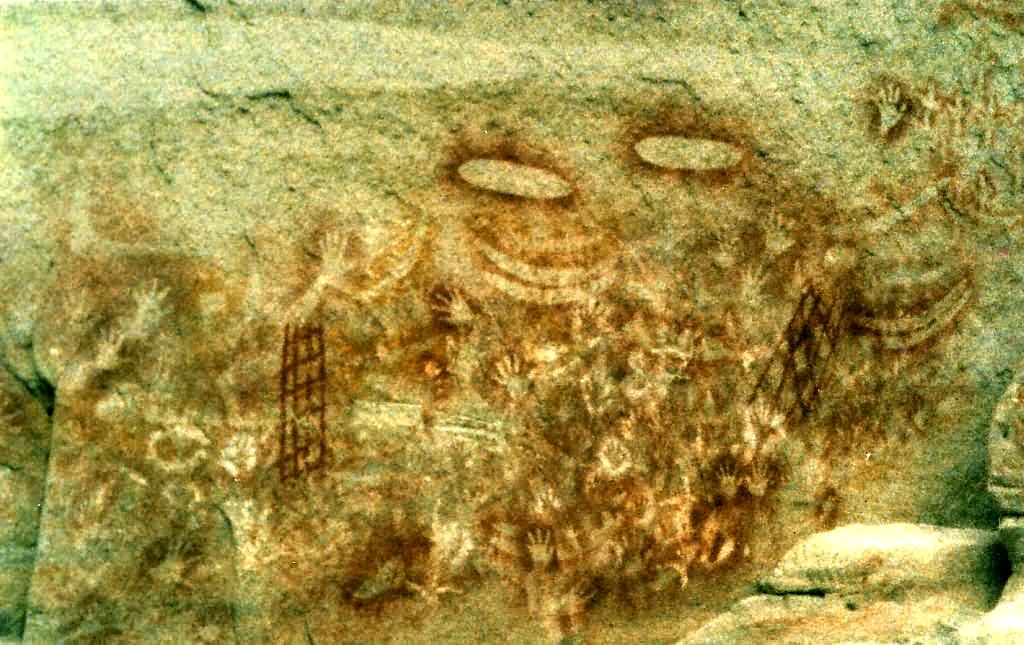 🇦🇺 AustraliaThe Dreaming
A living spiritual worldview and law connecting Aboriginal Australians to ancestors, land, and community.Spiritual
🇦🇺 AustraliaThe Dreaming
A living spiritual worldview and law connecting Aboriginal Australians to ancestors, land, and community.Spiritual
 🇯🇵 Kyoto, JapanTorii鳥居
A traditional Japanese gate marking the entrance to a Shinto shrine and separating the sacred from the mundane.Spiritual
🇯🇵 Kyoto, JapanTorii鳥居
A traditional Japanese gate marking the entrance to a Shinto shrine and separating the sacred from the mundane.Spiritual
 🇳🇬 Osogbo, NigeriaOsun-Osogbo FestivalOsun-Osogbo
An annual Yoruba festival of cleansing, procession and sacrifice to the river goddess Osun in Osogbo, Nigeria.Festival
🇳🇬 Osogbo, NigeriaOsun-Osogbo FestivalOsun-Osogbo
An annual Yoruba festival of cleansing, procession and sacrifice to the river goddess Osun in Osogbo, Nigeria.Festival