Festivals and celebrationsOceania
ʻAva ceremony
A solemn ritual of shared drink and oratory in Samoa and Tonga to mark chiefly titles and important gatherings.
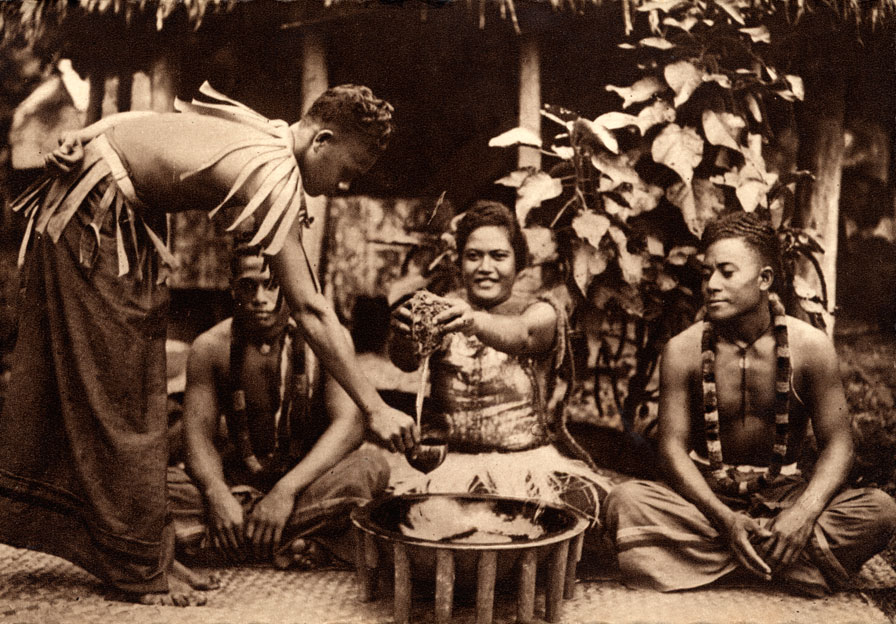
The ʻava ceremony is a central custom in Samoa and Tonga. It marks key social events like title bestowals and formal meetings. Participants share a prepared root drink while listening to speeches. The ritual follows strict rules of order and respect for status.
When is ʻAva ceremony kept?
ʻAva ceremony is kept on important occasions such as title bestowals or formal gatherings.
The ʻava ceremony serves as a vital social glue in Samoan and Tongan communities. It brings people together to honor chiefs, welcome guests, or settle matters through speech and shared drink. This ritual reinforces hierarchy and respect within the society.
Origins and meaning
The word ʻava comes from an ancient Polynesian term for a bitter root plant. Early Austronesian cultures used similar plants for rituals. In Samoa, the name shifted from kava to ʻava as the letter k was dropped. The drink connects modern ceremonies to these deep historical roots. It represents strength and community bonds across generations.
Ritual items
The preparation happens in a wooden bowl called a tanoa. These bowls stand on short legs and are often made from reddish-brown ifilele wood. A strainer made from hibiscus bark filters the liquid. Drinkers use polished coconut shell cups known as ipu tau ʻava. The tools are essential for the proper conduct of the ceremony.
Roles and actions
Specific people hold defined roles during the event. The ʻaumaga group prepares the drink by mixing the root and water. A distributor calls out names to serve guests in order of rank. Servers carry the cups with specific gestures to show respect. Everyone sits cross-legged in a circle facing the front of the space.
Social context
This ceremony occurs at major life events and political meetings. It is central to the bestowal of matai chiefly titles. The order of drinking reflects the social standing of each participant. Speeches accompany the drinking to address community issues or honor visitors. It remains a living tradition that structures daily social interactions.
How ʻAva ceremony is kept
Participants sit in a circle on the floor or ground. The ʻaumaga mix the dried root with water in a tanoa bowl using a fibrous strainer. A distributor calls out the names of attendees in order of rank. Servers hand the coconut cups to individuals using respectful gestures. Speeches are delivered throughout the process to mark the occasion's significance.
When and where
It takes place during significant social events. These include the granting of chiefly titles, formal visits, and important village meetings. There is no fixed calendar date for the ritual.
The practice is strongest in Samoa and Tonga. Ceremonies occur in village meeting houses or open communal spaces called malae. Seating arrangements follow strict spatial rules relative to the road or entrance.
What ʻAva ceremony means
The ritual reinforces social hierarchy and mutual respect. Drinking order reflects the status of each person present. Sharing the drink builds community ties and acknowledges authority. The serious atmosphere honors the ancestors and current leaders equally.


Questions people ask about ʻAva ceremony
When is ʻAva ceremony kept?
ʻAva ceremony is kept on important occasions such as title bestowals or formal gatherings.
What is the ʻava ceremony?
It is a solemn ritual in Samoa and Tonga involving the sharing of a prepared root drink. It marks important occasions like title bestowals and formal gatherings through speech and structured drinking.
Where does this tradition take place?
The ceremony is kept in Samoa and Tonga. It usually happens in village meeting houses or open communal grounds known as malae, following specific seating arrangements.
Who participates in the ritual?
Community members, chiefs, and orators participate. Specific roles exist for mixing the drink, distributing cups, and serving guests based on their social rank and status.
See also
 MaraeA cleared, sacred gathering place at the heart of Māori and Polynesian community life
 ʻIe tōgaPrecious woven mats exchanged in Samoan ceremonies to honor family ties and chiefly status.
 PeʻaThe traditional Samoan rite of full-body tattooing for men, tapped by master artists
Good reading and sources
The facts on this page come from the Wikipedia article "ʻAva ceremony", written by its contributors and used under the CC BY-SA 4.0 licence, and from its Wikidata record (CC0). EveryParampara rewrote the text in its own words, with AI assistance, and compares every page with the article to make sure no passage is copied. It may be reused under the same CC BY-SA 4.0 licence with a link back.
It may contain mistakes. Traditions differ from one family, village and community to the next, and the people who keep them know them best. If something is wrong, tell us. Last refreshed 2026-10-05.
More from Samoa
All the traditions of Samoa 🇺🇸 Spokane, United States and 5 moreFather's Day
A day to honour fathers and fatherhood, kept on many different dates worldwideFestival
🇺🇸 Spokane, United States and 5 moreFather's Day
A day to honour fathers and fatherhood, kept on many different dates worldwideFestival
 🇪🇬 Egypt and 5 moreTraditional tattooing
The ancient custom of marking the skin for protection, healing, status and sacred ritesDress
🇪🇬 Egypt and 5 moreTraditional tattooing
The ancient custom of marking the skin for protection, healing, status and sacred ritesDress
 🇼🇸 Samoa and 3 moreSiva Samoa
A graceful Samoan dance marked by subtle, expressive arm and hand movementsPerformance
🇼🇸 Samoa and 3 moreSiva Samoa
A graceful Samoan dance marked by subtle, expressive arm and hand movementsPerformance
The same idea elsewhere
All of this kind 🇮🇹 Rome, Italy and 4 moreChristmas
A festival of Jesus's birth, kept on 25 December with gifts, lights and shared mealsFestival
🇮🇹 Rome, Italy and 4 moreChristmas
A festival of Jesus's birth, kept on 25 December with gifts, lights and shared mealsFestival
 🇮🇪 Ireland and 5 moreHalloween
An annual observance on 31 October marking the eve of All Saints' Day, rooted in Christian tradition and Celtic heritageFestival · Sweets given and shared
🇮🇪 Ireland and 5 moreHalloween
An annual observance on 31 October marking the eve of All Saints' Day, rooted in Christian tradition and Celtic heritageFestival · Sweets given and shared
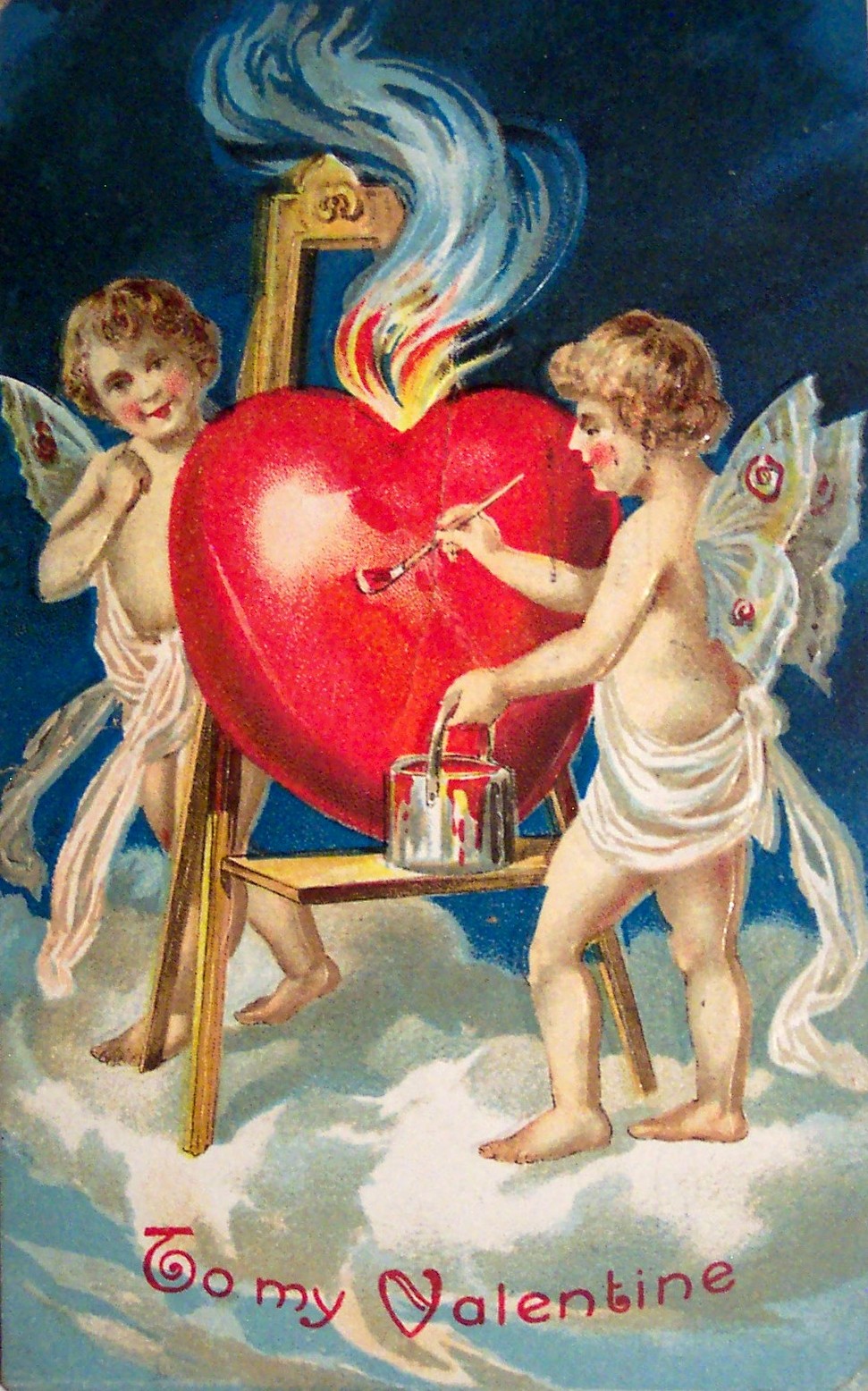 🇮🇹 Rome, Italy and 4 moreValentine's Day
A Christian feast day and cultural celebration of love kept on February 14 in many countries.Festival
🇮🇹 Rome, Italy and 4 moreValentine's Day
A Christian feast day and cultural celebration of love kept on February 14 in many countries.Festival
 🇹🇷 Turkey and 5 moreEid al-Fitrعيد الفطر
The feast that ends Ramadan, opened with morning prayers, sweets and visits homeFestival · Feasts and festival meals
🇹🇷 Turkey and 5 moreEid al-Fitrعيد الفطر
The feast that ends Ramadan, opened with morning prayers, sweets and visits homeFestival · Feasts and festival meals