Spiritual and religiousNorth America
Mesoamerican bloodletting
A ritual practice of self-cutting used by ancient Maya and other Mesoamerican elites to communicate with the divine.

This tradition involved piercing the body to offer blood to the gods, a act central to Maya spiritual and political life. It was performed by rulers and shamans on public platforms to legitimize power and maintain cosmic order through sacrifice.
When is Mesoamerican bloodletting kept?
Mesoamerican bloodletting is kept during major political events, births, marriages, burials, and vision quests.
Bloodletting served as a vital bridge between the human and divine realms in ancient Mesoamerica. Rulers and religious leaders pierced their bodies to release blood, which they believed contained sacred energy. This offering sustained the universe and validated the social hierarchy of the community.
The ritual act
Participants typically pierced soft tissues like the tongue or genitals using sharp tools such as obsidian blades, stingray spines, or shark teeth. The collected blood was either scattered or absorbed into amate paper. This material was then burned, allowing the smoke to carry the offering upward to the deities. The choice of body part held specific meanings; for instance, genital bleeding often symbolized fertility or supported agricultural cycles.
Political and social role
Elites performed these rites publicly on pyramid summits or elevated platforms to demonstrate their connection to the sacred. By sacrificing their own blood, rulers legitimized their authority and maintained the sociopolitical structure. The visible nature of the ceremony reinforced the belief that the ruler’s personal suffering ensured the well-being of the entire settlement and its people.
Spiritual foundations
The practice rested on the belief that humans were created from divine blood. To maintain cosmic balance, people had to return this essence to the gods. Blood represented life itself, and its release renewed divine energy. This exchange was not merely punitive but essential for the continuation of existence, linking human fate directly to the actions of the ruling class and the gods.
Historical records
Archaeological finds include jade replicas of piercing tools and stone depictions on lintels, such as those at Yaxchilan showing Lady Xoc performing the rite. Early Spanish accounts from the sixteenth century documented these practices, though some missionaries confused them with circumcision. Modern scholars distinguish these rituals as distinct acts of auto-sacrifice rather than bodily modification.
When and where
It occurred during significant life events and political milestones, including building dedications, marriages, births, and burials. It also accompanied vision quests where fasting and blood loss induced spiritual states.
The practice was widespread across Mesoamerica, particularly among the Maya. Ceremonies took place on pyramids and open plazas where communities could witness the elite's devotion.
What Mesoamerican bloodletting means
Blood signified life and divine origin. Offering it returned sacred energy to the creators, sustaining the universe. For rulers, it proved their unique ability to mediate between worlds, securing both spiritual favor and political stability for their subjects.


Questions people ask about Mesoamerican bloodletting
When is Mesoamerican bloodletting kept?
Mesoamerican bloodletting is kept during major political events, births, marriages, burials, and vision quests.
What was the primary purpose of bloodletting?
It served to communicate with deities and ancestors. Rulers offered their blood to sustain cosmic order and legitimize their political power within the community.
Who performed these rituals?
Primarily ruling elites, settlement leaders, and religious figures like shamans. Women of high status also participated, as shown by archaeological evidence of female practitioners.
How was the blood collected and offered?
Practitioners pierced their tongues or other body parts using sharp tools. The blood was often caught on amate paper, which was then burned so the smoke could reach the gods.
Did all Mesoamerican cultures practice it?
It was most prominent among the Maya and later Aztec groups. Olmec art lacks direct depictions, though tools suggest the practice existed earlier in the region.
See also
 Sweat lodgeA purification ceremony kept by Indigenous peoples of the Americas using a heated hut and steam.
 LibationThe ceremonial gift of drink given to deities, ancestors, and the earth
 Passion Play of IztapalapaA community passion play staged across Iztapalapa during Holy Week
 OfrendaA home altar of food, flowers and candles that welcomes the dead home at Día de Muertos
Good reading and sources
The facts on this page come from the Wikipedia article "Bloodletting in Mesoamerica", written by its contributors and used under the CC BY-SA 4.0 licence, and from its Wikidata record (CC0). EveryParampara rewrote the text in its own words, with AI assistance, and compares every page with the article to make sure no passage is copied. It may be reused under the same CC BY-SA 4.0 licence with a link back.
It may contain mistakes. Traditions differ from one family, village and community to the next, and the people who keep them know them best. If something is wrong, tell us. Last refreshed 2026-10-06.
More from Mexico
All the traditions of Mexico
🇺🇸 United States and 2 moreSweat lodge
A purification ceremony kept by Indigenous peoples of the Americas using a heated hut and steam.Spiritual
 🇲🇽 Mexico City, Mexico and 2 moreOur Lady of GuadalupeNuestra Señora de Guadalupe
A Mexican devotion to Mary, with a feast on 12 December and an image kept on a cloakSpiritual
🇲🇽 Mexico City, MexicoPassion Play of Iztapalapa
A community passion play staged across Iztapalapa during Holy WeekSpiritual
🇲🇽 Mexico City, MexicoOfrenda
A home altar of food, flowers and candles that welcomes the dead home at Día de MuertosSpiritual
🇲🇽 Mexico City, Mexico and 2 moreOur Lady of GuadalupeNuestra Señora de Guadalupe
A Mexican devotion to Mary, with a feast on 12 December and an image kept on a cloakSpiritual
🇲🇽 Mexico City, MexicoPassion Play of Iztapalapa
A community passion play staged across Iztapalapa during Holy WeekSpiritual
🇲🇽 Mexico City, MexicoOfrenda
A home altar of food, flowers and candles that welcomes the dead home at Día de MuertosSpiritual
The same idea elsewhere
Remembering the ancestors compared 🇮🇱 Jerusalem, IsraelSukkotסוכות
A seven-day autumn Jewish festival of temporary booths, harvest prayers and hospitalitySpiritual
🇮🇱 Jerusalem, IsraelSukkotסוכות
A seven-day autumn Jewish festival of temporary booths, harvest prayers and hospitalitySpiritual
 🇯🇵 Kyoto, JapanTorii鳥居
A traditional Japanese gate marking the entrance to a Shinto shrine and separating the sacred from the mundane.Spiritual
🇯🇵 Kyoto, JapanTorii鳥居
A traditional Japanese gate marking the entrance to a Shinto shrine and separating the sacred from the mundane.Spiritual
 🇲🇲 Bagan, MyanmarNat worshipနတ်
Veneration of guardian spirits and nature deities alongside Buddhism in MyanmarSpiritual
🇲🇲 Bagan, MyanmarNat worshipနတ်
Veneration of guardian spirits and nature deities alongside Buddhism in MyanmarSpiritual
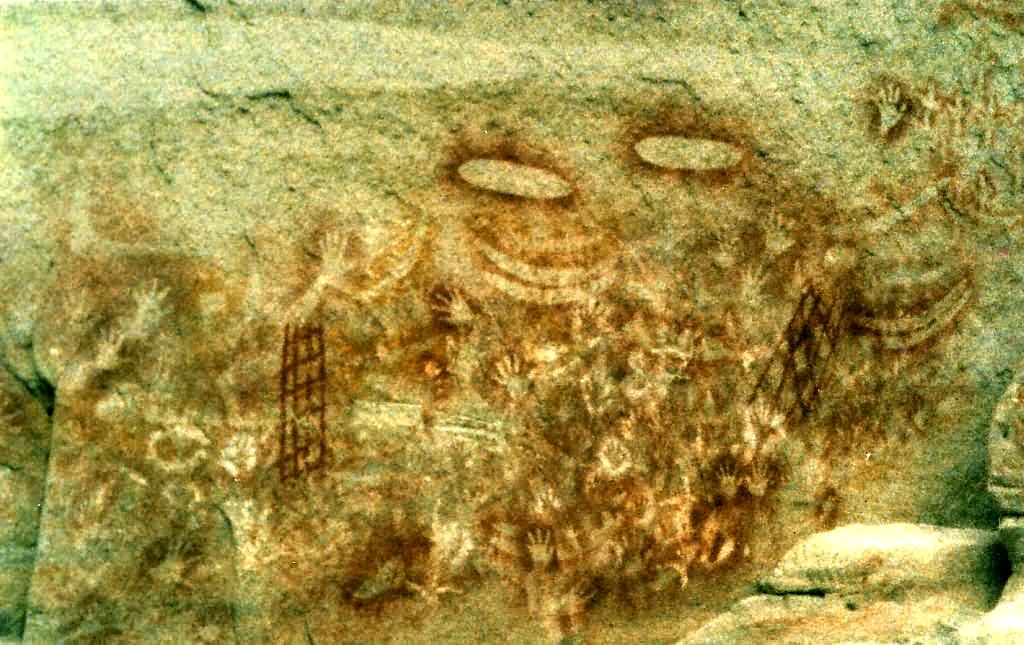 🇦🇺 AustraliaThe Dreaming
A living spiritual worldview and law connecting Aboriginal Australians to ancestors, land, and community.Spiritual
🇦🇺 AustraliaThe Dreaming
A living spiritual worldview and law connecting Aboriginal Australians to ancestors, land, and community.Spiritual