Dress and adornmentSouth AsiaMuslim
Burqa
A garment covering the body and face, worn by some Muslim women

The burqa is an outer garment that covers the whole body and face, worn by some Muslim women. Face veiling is documented in ancient Persia, Arabia, Egypt and the Byzantine Empire, and today the burqa is worn in Afghanistan and by some Muslim women elsewhere, while many countries restrict or ban it.
When is Burqa kept?
Burqa is kept on worn in public, and in the presence of men who are not close relatives.
The burqa is an outer garment that covers the whole body and the face. It is worn by some Muslim women, who often describe it as a mark of modesty, piety and cultural identity, while others wear it because the law or custom where they live asks it of them. Face veils are older than Islam, and the practice is documented in Persia, Arabia, Egypt and the Byzantine Empire.
What it is
A burqa is an enveloping outer garment that covers the whole body and the face. Some Muslim women wear it. Sources also give the name harabah, used in Egypt in the 19th century, and in Afghanistan this full covering is called the chadaree. Two related garments appear alongside it: the paranja of Central Asia and the black boshiya of the Arab world. The burqa is discussed together with modesty, Islamic law and women's dress, and it is classed among face veils such as the niqab. It belongs to everyday life rather than to any one ceremony, and its meaning depends on who is wearing it and where.
Older than Islam
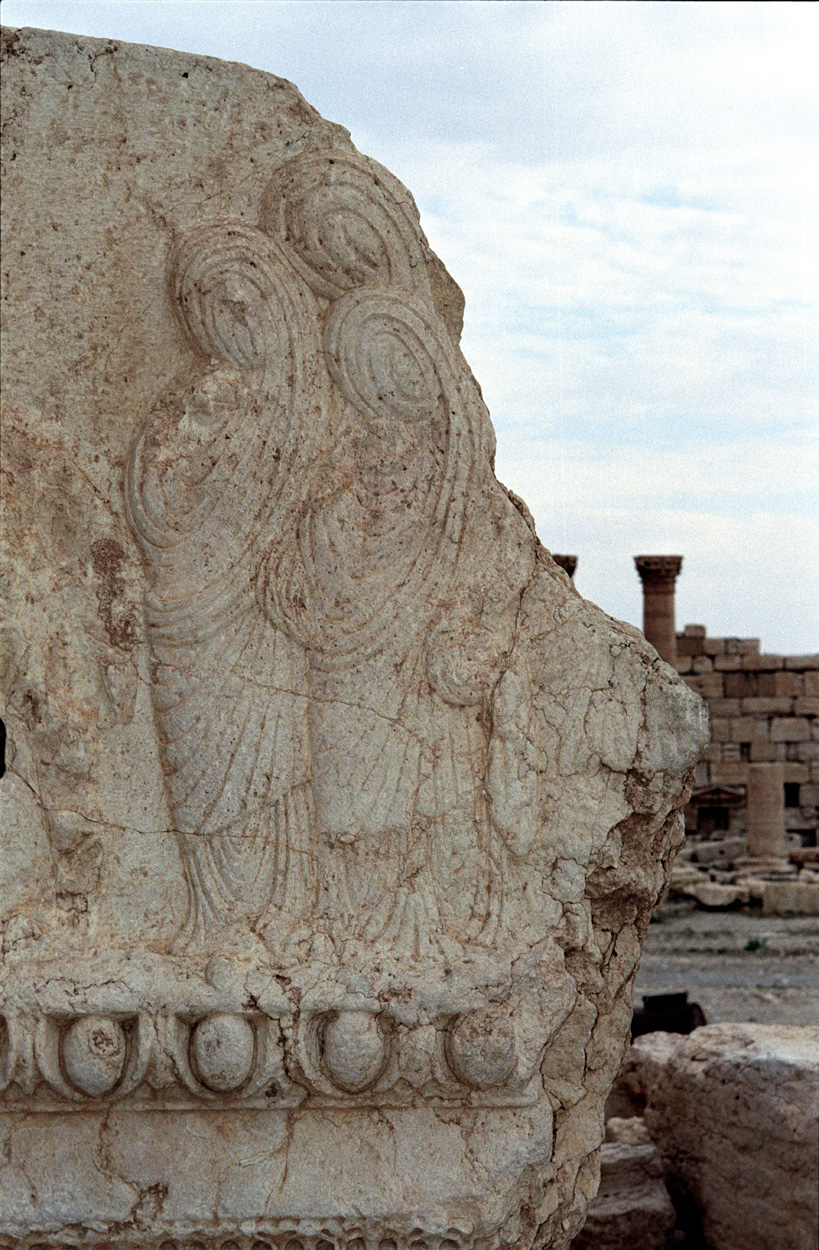
Face veils are recorded long before Islam. The Byzantine Empire used them among certain classes of women, though Byzantine art from before Islam shows covered heads and hair rather than covered faces. Strabo, a Greek geographer writing in the 1st century CE, mentions Persian women who veiled their faces. In the early 3rd century the Christian writer Tertullian described women of Arabia whose veil covered the whole face as well as the head. Genesis tells of Tamar and Rebecca covering themselves. In Oriental Orthodox Christianity, Coptic women historically covered head and face in public, unmarried women in white and married women in black.
In Islamic teaching
Most Islamic scholars, past and present, do not treat covering the face as a religious duty. Quran 24:31 asks women to guard their modesty and to cover their chests with their veils. The mantle verse, 33:59, asks the Prophet's wives, daughters and believing women to draw their wraps around them, so that they are known and no harm comes to them. A hadith about Asma', daughter of Abu Bakr, is used by those who say only the face and hands need show. Medieval jurists disagreed: Maliki and Hanafi opinion held that everything except the face should be covered, while many Hanbali and Shafi'i jurists counted the face among the parts not to be shown. Salafi teaching commonly holds full covering to be obligatory.
Why women wear it
The reasons differ from woman to woman. Those who wear the burqa often speak of modesty, piety and cultural identity, or of personal and religious commitment. Others wear it because the law requires it, as happened in Afghanistan during the first period of Taliban rule. In a few cases the garment has been worn to make a political point. In 2017 an Australian senator put on a burqa inside the Senate chamber while calling for a ban, and did so again in 2025. Another senator answered that mocking a community's religious garments is an appalling thing to do.
Bans and limits
Many countries have restricted the burqa or face coverings in public. The list in the sources includes Austria, France, Belgium, Denmark, Bulgaria, Switzerland, Norway, Italy, Portugal, Germany in some states, and the Netherlands in schools, hospitals and on public transport. Chad and Cameroon banned the full veil after suicide bombings in 2015, while Gabon and the Republic of the Congo gave security as their reason. Morocco stopped the manufacture, sale and import of burqas in 2017. Egypt restricts them in universities, and Sri Lanka, Tajikistan and China's Xinjiang also appear in the list. Quebec bars them in the public workplace.
How Burqa is kept
There is no ceremony and no fixed day. A woman who wears a burqa puts it on over her ordinary clothes when she leaves the house or meets men who are not relatives. It covers the body and the face. Some women choose it as a sign of piety, modesty or cultural identity. Others wear it because the law asks it of them, as in Afghanistan during the first period of Taliban rule. In a small number of cases women have worn it to make a political point, including inside a parliament.
When and where
The burqa is worn in Afghanistan, where it is called the chadaree, and by some Muslim women in other countries. Face covering was recorded in Egypt, where the garment was known as harabah, and in Persia and Arabia before Islam. Central Asia has a related garment, the paranja, and the Arab version is the boshiya.
What Burqa means
People read the burqa in different ways. Women who wear it often describe it as a statement of modesty, piety and cultural identity, or of personal and religious commitment. Many Muslim scholars, classical and modern, hold that covering the face is not required by the faith, and that the Quran asks for modest behaviour rather than for one fixed garment. Outside the tradition the burqa is sometimes taken as a sign of women's oppression, and some politicians have campaigned to ban it.



Questions people ask about Burqa
When is Burqa kept?
Burqa is kept on worn in public, and in the presence of men who are not close relatives.
What is a burqa?
A burqa is an outer garment that covers the whole body and the face. Some Muslim women wear it. In Afghanistan this kind of full covering is known as the chadaree, and in 19th-century Egypt the name harabah was used for it.
Where is it worn?
It is worn in Afghanistan, and by some Muslim women in other countries. Face covering was also recorded in Egypt, Persia and Arabia in earlier centuries. Central Asia has a related garment called the paranja, and the Arab version is the boshiya.
Does Islam require women to cover their faces?
Most Islamic scholars, both historically and today, say it does not. Quran 24:31 and 33:59 are read as calls for modesty and safety. A minority, including many Salafi scholars, hold that covering the whole body in public is obligatory for women.
Why do some countries ban it?
Governments have given different reasons. Chad and Cameroon banned full face veils after suicide bombings in 2015, and Gabon and the Republic of the Congo cited security. Other countries, among them France, Belgium, Austria and Denmark, have banned face coverings in public spaces.
Why do women wear one?
Women give different reasons: modesty, piety, cultural identity, personal or religious commitment, or the law where they live. In Afghanistan during the first Taliban rule many wore the burqa under compulsion. A few have worn it in protest against proposed bans.
See also
 Traditional tattooingThe ancient custom of marking the skin for protection, healing, status and sacred rites
 TurbanCloth wound around the head, worn for faith, rank, shade and identity
 NiqabA face veil worn by some Muslim women, hiding all but the eyes
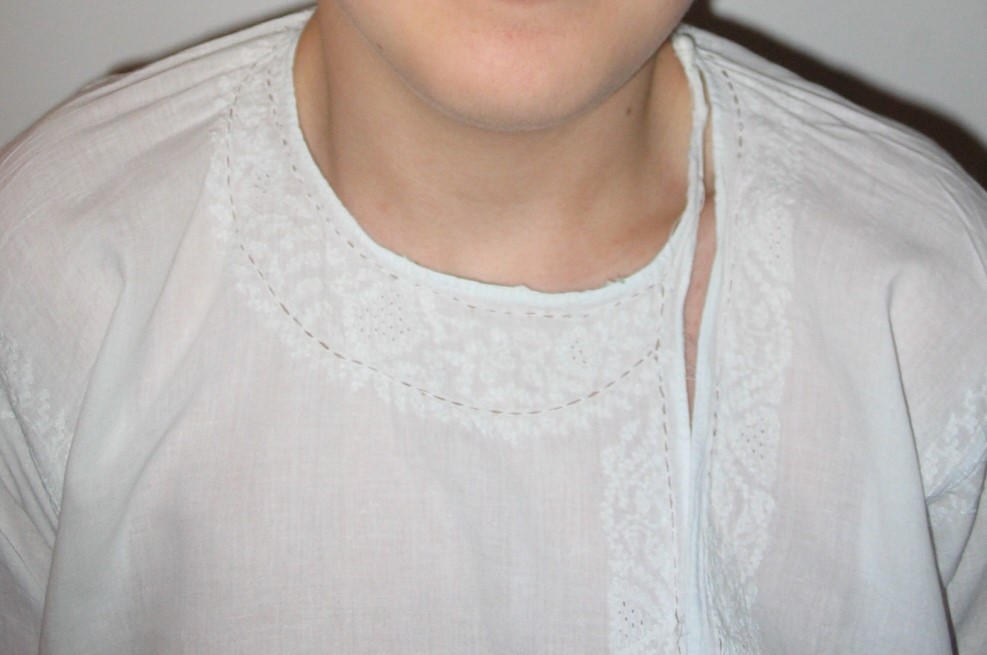 KurtaA loose collarless tunic from South Asia, worn plain or embroidered over pyjamas or jeans
Good reading and sources
- Encyclopaedia BritannicaArticle
- Chad police: Anyone wearing face veils will be arrestedAl Jazeera, Article
- Denmark passes ban on niqabs and burkasBBC, Article
- Chad police: Anyone wearing face veils will be arrestedAl Jazeera, Article
- Denmark passes ban on niqabs and burkasBBC, Article
- Burqa on WikipediaEncyclopedia
- More photos on Wikimedia CommonsPhotos and video
- Wikidata recordOpen data
The facts on this page come from the Wikipedia article "Burqa", written by its contributors and used under the CC BY-SA 4.0 licence, and from its Wikidata record (CC0). EveryParampara rewrote the text in its own words, with AI assistance, and compares every page with the article to make sure no passage is copied. It may be reused under the same CC BY-SA 4.0 licence with a link back.
It may contain mistakes. Traditions differ from one family, village and community to the next, and the people who keep them know them best. If something is wrong, tell us. Last refreshed 2026-10-05.
More from Afghanistan
All the traditions of Afghanistan
🇮🇳 Pune, India and 5 moreTurbanدولبند (dolband)
Cloth wound around the head, worn for faith, rank, shade and identityDress
 🇵🇰 Multan, Pakistan and 3 moreShalwar kameez
Loose trousers and a long tunic, worn as one outfit across South AsiaDress
🇮🇳 Lucknow, India and 5 moreKurtaکرته (Persian), कुरता (Hindi)
A loose collarless tunic from South Asia, worn plain or embroidered over pyjamas or jeansDress
🇵🇰 Multan, Pakistan and 3 moreShalwar kameez
Loose trousers and a long tunic, worn as one outfit across South AsiaDress
🇮🇳 Lucknow, India and 5 moreKurtaکرته (Persian), कुरता (Hindi)
A loose collarless tunic from South Asia, worn plain or embroidered over pyjamas or jeansDress
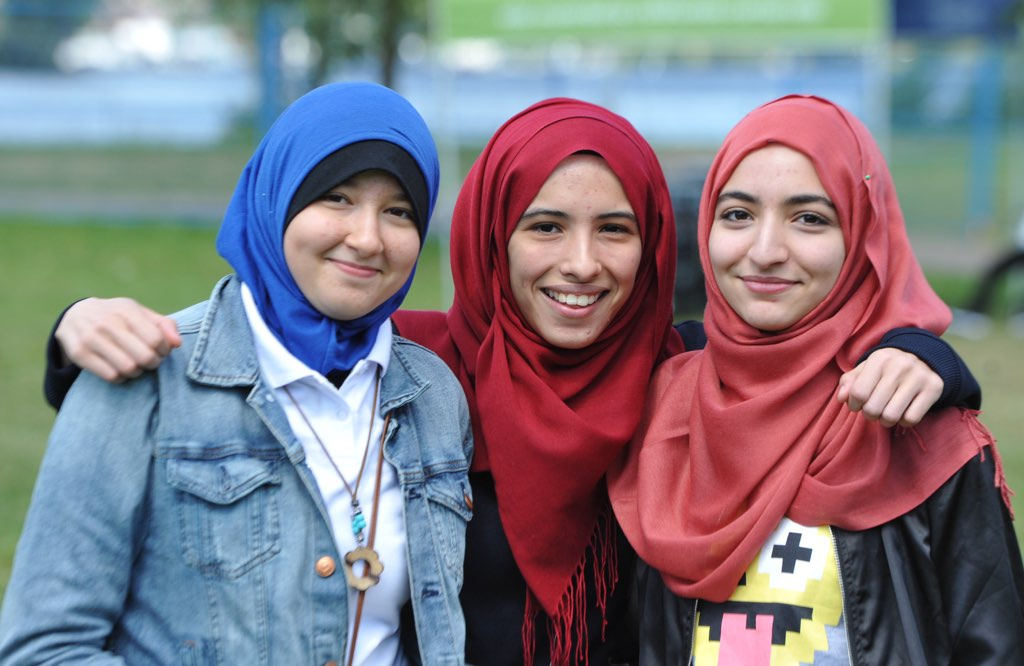 🇸🇦 Saudi Arabia and 2 moreHijabحجاب
A Muslim practice of modesty and dress, worn by women as a headscarf or more coveringDress
🇸🇦 Saudi Arabia and 2 moreHijabحجاب
A Muslim practice of modesty and dress, worn by women as a headscarf or more coveringDress
The same idea elsewhere
All of this kind 🇳🇴 Norway and 3 moreGákti
A traditional coat worn by the Sámi people across northern Scandinavia and Russia, signaling origin and status through cDress
🇳🇴 Norway and 3 moreGákti
A traditional coat worn by the Sámi people across northern Scandinavia and Russia, signaling origin and status through cDress
 🇮🇱 Israel and 1 moreTzitzitצִיצִית
Knotted ritual fringes worn on a four-cornered garment, a reminder of the commandmentsDress
🇮🇱 Israel and 1 moreTzitzitצִיצִית
Knotted ritual fringes worn on a four-cornered garment, a reminder of the commandmentsDress
 🇼🇸 Samoa and 1 moreʻIe tōga
Precious woven mats exchanged in Samoan ceremonies to honor family ties and chiefly status.Dress
🇪🇬 Egypt and 5 moreTraditional tattooing
The ancient custom of marking the skin for protection, healing, status and sacred ritesDress
🇼🇸 Samoa and 1 moreʻIe tōga
Precious woven mats exchanged in Samoan ceremonies to honor family ties and chiefly status.Dress
🇪🇬 Egypt and 5 moreTraditional tattooing
The ancient custom of marking the skin for protection, healing, status and sacred ritesDress