🇦🇫 Traditions of Afghanistan
26 traditions from Afghanistan, best known first, across 8 cities and towns.
Afghan life centers on Islamic faith, tribal hospitality, and a cuisine built on rice and lamb. The year is marked by religious holidays and seasonal harvests, while the arts preserve Persianate poetry and intricate crafts. These traditions bind diverse ethnic groups through shared language and custom.
In Afghanistan, daily life moves to the rhythm of prayer and family duty. People gather for tea, share meals of spiced rice, and recite poetry that has survived centuries of change. Despite recent conflicts, communities keep their customs alive through music, weaving, and the warm welcome offered to every guest who crosses the threshold.
The year and its festivals
The calendar follows Islamic observances, with Eid al-Fitr and Eid al-Adha marking the most significant breaks in the year. Families clean their homes, wear new clothes, and visit relatives to exchange greetings and sweets. Spring brings Nowruz, the Persian New Year, celebrated with bonfires and jumping over flames to ward off evil. Harvest seasons see neighbors sharing fresh fruits like apricots and pomegranates. Weddings are arranged around these dates, ensuring large gatherings when everyone is available to celebrate together.
Faith and ritual
Nearly all Afghans practice Sunni Islam, guiding their daily prayers, dietary laws, and moral codes. Mosques serve as community hubs where men discuss local affairs after Friday services. Women often pray in separate spaces within the home or designated areas of larger mosques. Ritual purity before prayer shapes household routines. Sufi orders maintain shrines where devotees tie ribbons and make wishes. These spiritual practices provide comfort during hard times and structure the week's work and rest cycles.
Birth and marriage rites
Naming ceremonies happen shortly after birth, often involving the recitation of Quranic verses. Circumcision marks boyhood, celebrated with feasts and gifts. Marriages unite families rather than just individuals, requiring extensive negotiations between elders. The mahr, or dowry, is agreed upon before the wedding day. Brides traditionally wear red or green dresses adorned with jewelry. Guests dance the Attan, a circular folk dance performed to drum beats. Divorce remains rare but is handled through religious courts if necessary.
The table and what is eaten
Meals revolve around rice dishes called palao, cooked with meat, carrots, and raisins. Kabuli pulao is the national dish, served at celebrations. Bread baked in clay ovens accompanies every meal. Tea is poured constantly throughout the day, symbolizing friendship. Stews known as qormah use lamb, chicken, or vegetables simmered with onions and spices. Dumplings like mantu appear at special occasions. Hospitality demands offering food to any visitor, regardless of social status or background.
Music and dance
The rubab and dambura provide melodies for folk songs and ballads. The harmonium supports vocal performances in both Dari and Pashto. Dancing the Attan involves men moving in circles to rhythmic drumming. Theater has historically been male-dominated, though women now participate in modern productions. Music was suppressed during periods of strict rule but survives in private homes and neighboring countries. Poets like Rumi remain cultural icons, their verses sung in public squares and private gatherings alike.
The facts in this overview come from the Wikipedia article "Culture of Afghanistan", written by its contributors and used under the CC BY-SA 4.0 licence. EveryParampara rewrote the text in its own words, with AI assistance, and compares every page with the article to make sure no passage is copied. It may be reused under the same CC BY-SA 4.0 licence with a link back.
The table in Afghanistan
Foods and drinks by the moment they belong to.
Cities, towns and villages of Afghanistan
 🇮🇷 Iran and 7 moreNowruzنوروز
The Iranian new year at the March equinox, kept with fire, greenery and picnicsSeasonal
🇮🇷 Iran and 7 moreNowruzنوروز
The Iranian new year at the March equinox, kept with fire, greenery and picnicsSeasonal
 🇵🇰 Karachi, Pakistan and 2 moreSouth Asian truck art
The craft of painting and adorning cargo trucks and buses across India and Pakistan.Craft
🇵🇰 Karachi, Pakistan and 2 moreSouth Asian truck art
The craft of painting and adorning cargo trucks and buses across India and Pakistan.Craft
 🇮🇷 Isfahan, Iran and 3 morePersian gardenباغ ایرانی
An ancient tradition of creating walled, geometric sanctuaries of shade and flowing waterCraft
🇦🇫 Kabul, Afghanistan and 1 moreAttanاتڼ
A Pashtun circle dance of drums and clapping, kept at weddings and gatherings.Performance
🇮🇷 Isfahan, Iran and 3 morePersian gardenباغ ایرانی
An ancient tradition of creating walled, geometric sanctuaries of shade and flowing waterCraft
🇦🇫 Kabul, Afghanistan and 1 moreAttanاتڼ
A Pashtun circle dance of drums and clapping, kept at weddings and gatherings.Performance
 🇹🇲 Ashgabat, Turkmenistan and 2 moreTurkmen rugTürkmen haly
Handmade textiles woven by Turkmen tribes, featuring geometric patterns and natural dyes.Craft
🇹🇲 Ashgabat, Turkmenistan and 2 moreTurkmen rugTürkmen haly
Handmade textiles woven by Turkmen tribes, featuring geometric patterns and natural dyes.Craft
 🇦🇫 Kabul, Afghanistan and 1 moreJirgaجرګه
A traditional consultative council of elders that settles disputes through consensusCeremony
🇦🇫 Kabul, Afghanistan and 1 moreJirgaجرګه
A traditional consultative council of elders that settles disputes through consensusCeremony
 🇮🇷 Iran and 5 moreYaldā Nightشب یلدا
A solstice night of poetry, fruit and family, kept from Iran through Central AsiaFestival · Dinner
🇮🇷 Iran and 5 moreYaldā Nightشب یلدا
A solstice night of poetry, fruit and family, kept from Iran through Central AsiaFestival · Dinner
 🇮🇷 Isfahan, Iran and 4 moreChaharshanbe Suriچهارشنبهسوری
An Iranian festival of fire and renewal celebrated on the eve of the final Wednesday before spring.Festival · Tea-time and snacking customs
🇮🇷 Isfahan, Iran and 4 moreChaharshanbe Suriچهارشنبهسوری
An Iranian festival of fire and renewal celebrated on the eve of the final Wednesday before spring.Festival · Tea-time and snacking customs
 🇮🇷 Isfahan, Iran and 4 moreMehreganمهرگان
An Iranian autumn festival honoring Mithra, friendship, and the harvestSeasonal
🇮🇷 Isfahan, Iran and 4 moreMehreganمهرگان
An Iranian autumn festival honoring Mithra, friendship, and the harvestSeasonal
 🇮🇷 Iran and 3 morePahlevani and zurkhaneh ritualsآیین پهلوانی و زورخانهای
A traditional Iranian martial art blending calisthenics, wrestling, music and ethicsGame
🇮🇷 Iran and 3 morePahlevani and zurkhaneh ritualsآیین پهلوانی و زورخانهای
A traditional Iranian martial art blending calisthenics, wrestling, music and ethicsGame
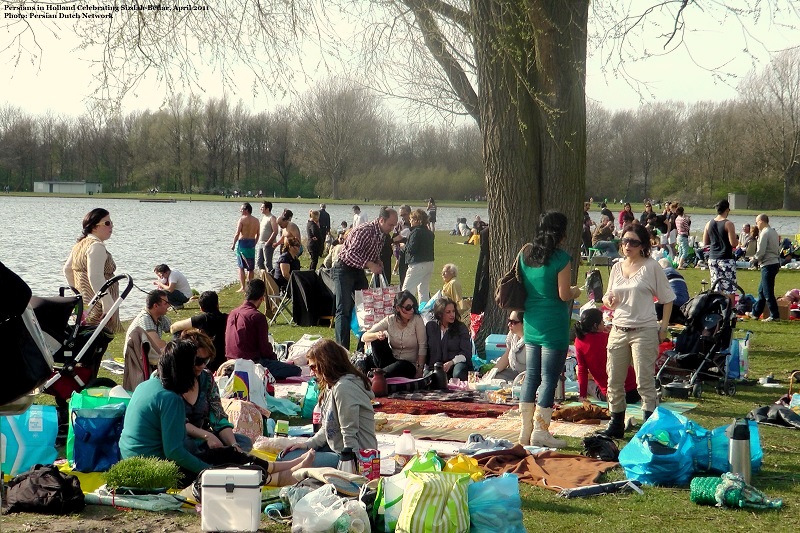 🇮🇷 Iran and 4 moreSizdah Bedarسیزدهبدر
An open-air picnic holiday concluding the Iranian New Year celebrationsFestival
🇮🇷 Iran and 4 moreSizdah Bedarسیزدهبدر
An open-air picnic holiday concluding the Iranian New Year celebrationsFestival
 🇮🇳 Pune, India and 5 moreTurbanدولبند (dolband)
Cloth wound around the head, worn for faith, rank, shade and identityDress
🇮🇳 Pune, India and 5 moreTurbanدولبند (dolband)
Cloth wound around the head, worn for faith, rank, shade and identityDress
 🇨🇳 Lhasa, China and 5 moreButter teaབོད་ཇ་
A salted tea churned with yak butter, served to guests across the HimalayaTable custom · Tea, coffee and drinking ceremonies
🇨🇳 Lhasa, China and 5 moreButter teaབོད་ཇ་
A salted tea churned with yak butter, served to guests across the HimalayaTable custom · Tea, coffee and drinking ceremonies
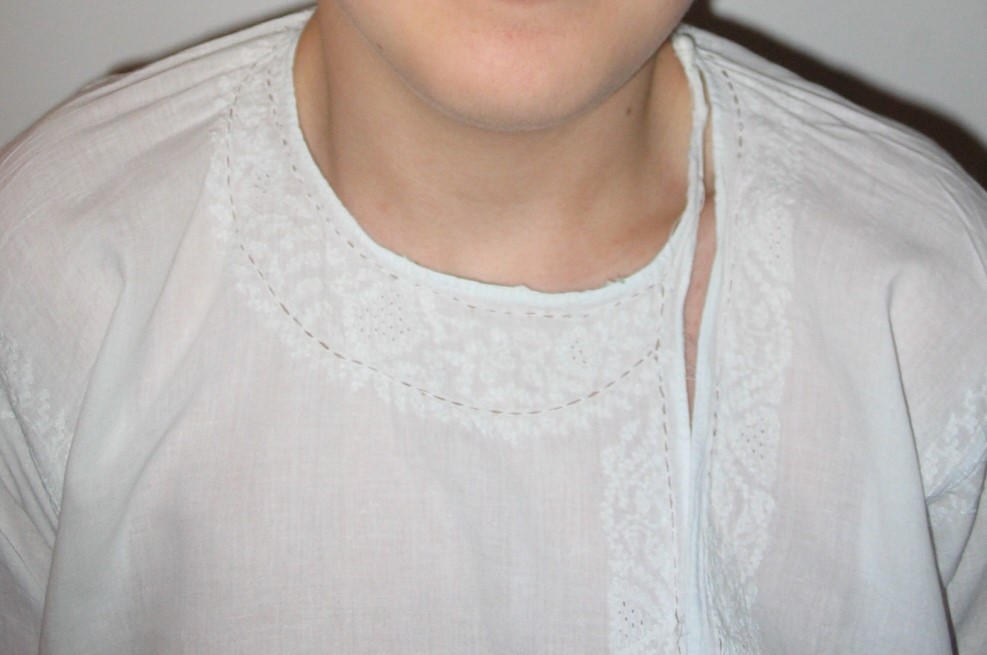 🇮🇳 Lucknow, India and 5 moreKurtaکرته (Persian), कुरता (Hindi)
A loose collarless tunic from South Asia, worn plain or embroidered over pyjamas or jeansDress
🇮🇳 Lucknow, India and 5 moreKurtaکرته (Persian), कुरता (Hindi)
A loose collarless tunic from South Asia, worn plain or embroidered over pyjamas or jeansDress
 🇵🇰 Multan, Pakistan and 3 moreShalwar kameez
Loose trousers and a long tunic, worn as one outfit across South AsiaDress
🇵🇰 Multan, Pakistan and 3 moreShalwar kameez
Loose trousers and a long tunic, worn as one outfit across South AsiaDress
 🇦🇫 Mazar-i-Sharif, AfghanistanNowruzنوروز
The Afghan spring new year, celebrated with picnics, wheat pudding and dried fruit.Seasonal · Feasts and festival meals
🇦🇫 Mazar-i-Sharif, AfghanistanNowruzنوروز
The Afghan spring new year, celebrated with picnics, wheat pudding and dried fruit.Seasonal · Feasts and festival meals
 🇮🇷 Iran and 5 moreDutarدوتار
A long-necked lute crafted from wood and played across Iran and Central AsiaPerformance
🇮🇷 Iran and 5 moreDutarدوتار
A long-necked lute crafted from wood and played across Iran and Central AsiaPerformance
 🇦🇫 Kabul, Afghanistan and 1 moreBurqa
A garment covering the body and face, worn by some Muslim womenDress
🇦🇫 Kabul, Afghanistan and 1 moreBurqa
A garment covering the body and face, worn by some Muslim womenDress
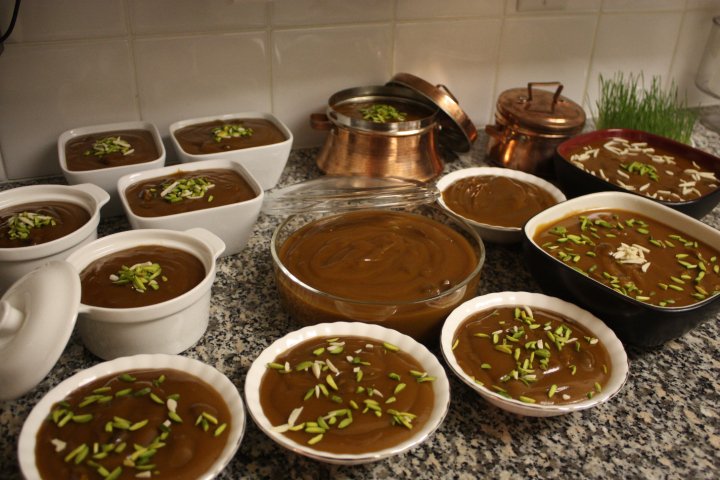 🇮🇷 Ashtian, Iran and 5 moreSamanuسمنو
A sweet sprouted-wheat paste stirred through the night for NowruzTable custom · Sweets given and shared
🇮🇷 Ashtian, Iran and 5 moreSamanuسمنو
A sweet sprouted-wheat paste stirred through the night for NowruzTable custom · Sweets given and shared
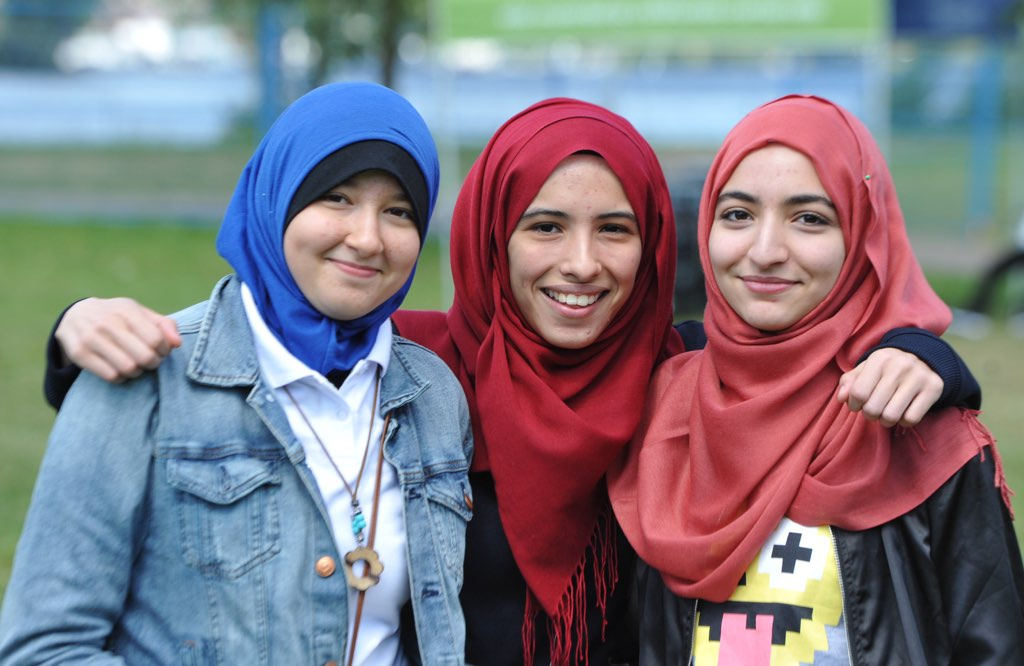 🇸🇦 Saudi Arabia and 2 moreHijabحجاب
A Muslim practice of modesty and dress, worn by women as a headscarf or more coveringDress
🇸🇦 Saudi Arabia and 2 moreHijabحجاب
A Muslim practice of modesty and dress, worn by women as a headscarf or more coveringDress
 🇷🇺 Russia and 5 moreYuri's Night
An annual global celebration on April 12 marking milestones in space explorationFestival
🇦🇫 Kabul, AfghanistanBacha poshباشا بوش / بچه پوشی
An Afghan custom of dressing and raising a daughter as a sonHome
🇷🇺 Russia and 5 moreYuri's Night
An annual global celebration on April 12 marking milestones in space explorationFestival
🇦🇫 Kabul, AfghanistanBacha poshباشا بوش / بچه پوشی
An Afghan custom of dressing and raising a daughter as a sonHome
 🇦🇫 Kabul, AfghanistanAfghan Independence Dayد افغانستان د خپلواکۍ ورځ (Pashto); روز استقلال افغانستان (Dari)
Afghanistan's national day, kept on 19 August for the treaty of 1919Ceremony
🇦🇫 Kabul, AfghanistanAfghan Independence Dayد افغانستان د خپلواکۍ ورځ (Pashto); روز استقلال افغانستان (Dari)
Afghanistan's national day, kept on 19 August for the treaty of 1919Ceremony
 🇮🇳 Muhamma, India and 5 moreAkhiri Chahar Shambah
A day of bathing, prayer and charity on the last Wednesday of SafarSpiritual
🇮🇳 Muhamma, India and 5 moreAkhiri Chahar Shambah
A day of bathing, prayer and charity on the last Wednesday of SafarSpiritual
 🇦🇫 AfghanistanPashtun clothing
Loose linen clothes worn by Pashtun men and women in Afghanistan and PakhtunkhwaDress
🇦🇫 AfghanistanPashtun clothing
Loose linen clothes worn by Pashtun men and women in Afghanistan and PakhtunkhwaDress
 🇮🇱 Tel Aviv, Israel and 5 moreTel Aviv International Student Film Festival
A week-long gathering in June where student filmmakers from around the world screen their work, attend workshops, and mePerformance
🇮🇱 Tel Aviv, Israel and 5 moreTel Aviv International Student Film Festival
A week-long gathering in June where student filmmakers from around the world screen their work, attend workshops, and mePerformance
Photo credits on this page
The small pictures above come from Wikimedia Commons under free licences. Some are cropped to fit.
- Chaharshanbe Suri: Philippe Giabbanelli, CC BY 3.0, source
- Mehregan: PersianDutchNetwork, CC BY-SA 3.0, source
- Sizdah Bedar: PersianDutchNetwork, CC BY-SA 3.0, source
- Pahlevani and zurkhaneh rituals: Hossein Khosravi, CC BY 4.0, source
- Nowruz: Katzenfee50, CC0, source
- Nowruz: Peretz Partensky, CC BY-SA 2.0, source
- Turban: pxhere, CC0, source
- Dutar: Yuet Man Lee, CC BY-SA 4.0, source
- South Asian truck art: Alexandros.Papadopoulos, CC BY-SA 2.0, source
- Jirga: Alpha4354747, Public domain, source
- Persian garden: dynamosquito, CC BY-SA 2.0, source
- Turkmen rug: AltynAsyr, CC BY-SA 3.0, source
- Kurta: Unknown author, Public domain, source
- Shalwar kameez: Bernard Gagnon, CC BY-SA 3.0, source
- Butter tea: Yosomono, CC BY 2.0, source
- Burqa: [1], CC BY-SA 2.0, source
- Pashtun clothing: Staff Sgt. Ian M. Terry, Public domain, source
- Samanu: Myone63, CC BY-SA 3.0, source
- Yaldā Night: M.Sadegh Nikgostar/Tasnim News Agency, CC BY 4.0, source
- Hijab: Sophie Barat, CC BY 2.0, source
- Afghan Independence Day: Master Sgt. Michael O'Connor (U.S. armed forces), CC BY 2.0, source
- Akhiri Chahar Shambah: Hans Kyoto, CC BY-SA 4.0, source
- Yuri's Night: Ryan Somma, CC BY 2.0, source
- Tel Aviv International Student Film Festival: Adam4896, CC BY-SA 4.0, source