Crafts and makingNorth AmericaIndigenous and traditional
Calaca
Skull and skeleton figures made for the Day of the Dead, joyful rather than sad

Calaca is a Mexican Spanish word for a skeleton, and also the name for the skull and skeleton figures used to decorate the Day of the Dead. They are made all year round from wood, stone, clay or candy, and are shown dancing, dressed up and playing music, with marigolds often nearby.
When is Calaca marked?
Calaca is kept as part of Day of the Dead, which runs from 1 to 2 November 2026.
A calaca is a figure of a skull or a skeleton, and in Mexican Spanish the word also means skeleton. Calacas decorate the Day of the Dead, though people make them at any time of year. They dance, wear festive clothes and play instruments, because the belief behind them is that the dead should not be remembered sadly.
What it is
The word calaca is everyday Mexican Spanish for a skeleton. It names a picture or model of a skull or a whole skeleton, usually a human one, and these figures are the standard decoration of the Day of the Dead. Marigold flowers and leaves often surround them. Like other parts of the festival, a calaca is meant to look cheerful, not sorrowful: it may be dressed in party clothes, caught mid-dance or holding an instrument. There is also a common saying among Mexicans, used when somebody has died, which translates as 'the calaca took them'.
Origins and beliefs
The joyful skeleton is not new. Its imagery reaches back to Mayan art, and the belief behind it is Aztec: a dead person does not want to be mourned, and death can be met with celebration. Among figures of this kind, the calaca is one of the few that survived the Spanish conquest. The prints of José Guadalupe Posada, a Mexican political lithographer, shaped how calacas are drawn today. This is why a Mexican calaca tends to look happy.
Shapes and materials
A calaca can take many forms. Revelers wear carved skull masks. Small figures are cut from wood or shaped in fired clay. Others are carved from stone. Some are sweets: skulls and little skeletons made of candy, sold and shared at festival time. Not every calaca is joyful, though. In Guatemala the word is understood to mean death, and a bare skeleton there stands for the fear of dying, so it is not normally used as a happy image.
In film and games
Skeleton figures of this kind appear in animation, cinema and games, usually as stand-ins for the dead. Two animated features, The Book of Life and Coco, put them at the centre; in Coco, Miguel races to win his family's blessing before he turns into one. They can also be seen in Corpse Bride and Coraline, and in games such as Grim Fandango, LittleBigPlanet and Guacamelee!. Television has used them as well: a villain in El Tigre commands a group of them, a Monster High character is one, and they feature in an episode of The Simpsons.
How Calaca is kept
There is no set ritual for a calaca. Families and communities make them or buy them, then set them out as decoration for the Day of the Dead, alongside marigolds. Some people wear carved skull masks during the festival. Others display small wooden or clay figures at home, or give and eat sugar skulls. The figures are produced throughout the year, so makers are at work long before the festival. When someone dies, friends and neighbours may say that the calaca took that person.
When and where
Calacas are made all year round, but they belong above all to the Day of the Dead, when they are set out as decoration. No single date is fixed for making them. The word is also used in everyday speech at any time, most often just after someone has died.
Calacas belong to Mexico and appear wherever Mexicans keep the Day of the Dead. The figures are also known in Guatemala, but with a different sense: there the word is understood as death itself, and a plain skeleton carries the fear of dying rather than a happy image.
What Calaca means
A calaca says that death is not only a loss. Dancers, musicians and party clothes carry the Mexican belief that no dead soul wants to be remembered with sadness, and that dying may be met as a joyful occasion. The message comes from Aztec thought and survived the Spanish conquest. Outside Mexico the same figure can carry the opposite feeling: in Guatemala a bare skeleton means death plainly and is treated with fear.
Days Calaca is marked
Questions people ask about Calaca
When is Calaca marked?
Calaca is kept as part of Day of the Dead, which runs from 1 to 2 November 2026.
What is a calaca?
In Mexican Spanish the word means skeleton. It also names the skull or skeleton figures used to decorate the Day of the Dead, and it appears in a common phrase people say after a death.
Where are they kept?
In Mexico, and among Mexicans elsewhere. The word is also known in Guatemala, where it means death, and a bare skeleton there is understood as something to be feared rather than celebrated.
Do they always look happy?
In Mexico, usually yes. Calacas dance, wear festive clothes and play instruments, part of a belief that the dead dislike being mourned. In Guatemala the same figure is not normally used in that joyful way.
Who was José Guadalupe Posada?
He was a Mexican political lithographer whose prints shaped the modern look of the calaca. His skeleton images are among the best known behind today's figures.
See also
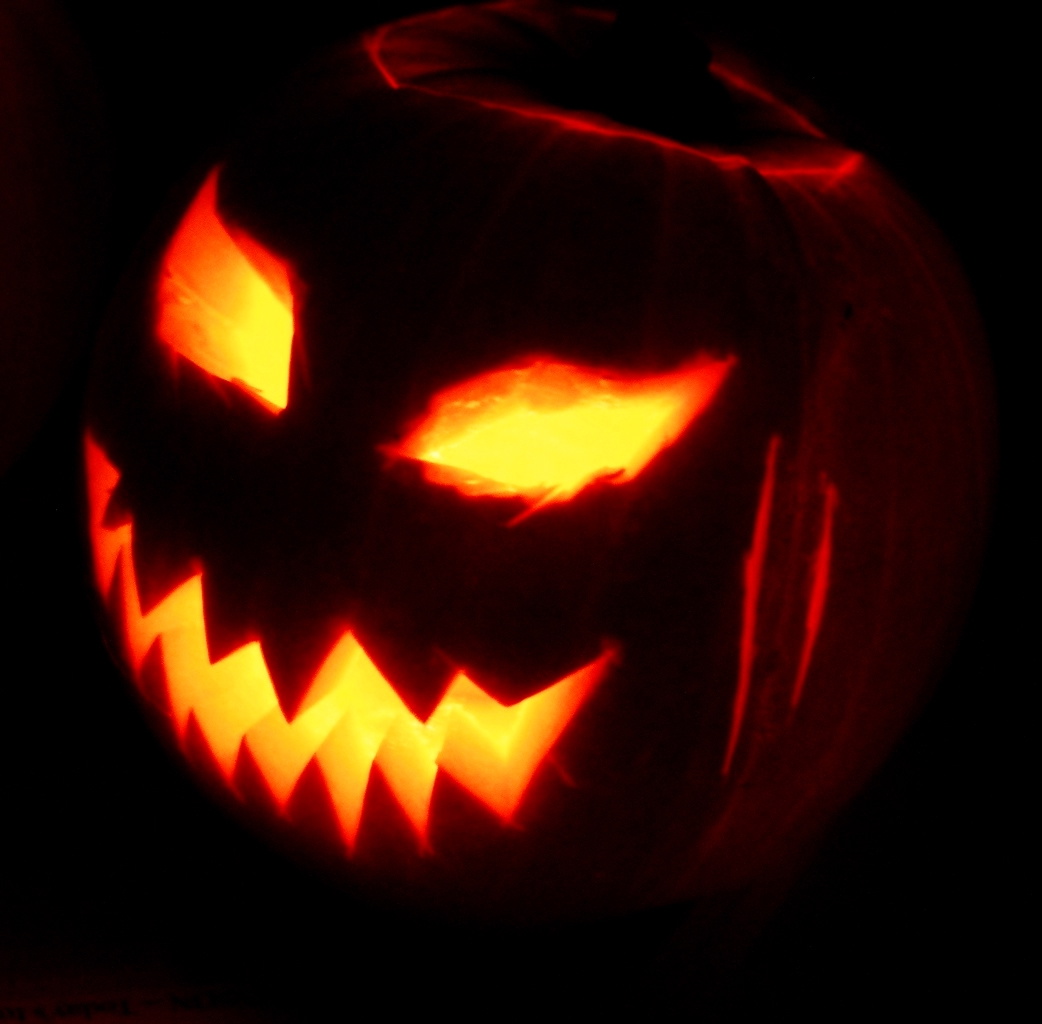 HalloweenAn annual observance on 31 October marking the eve of All Saints' Day, rooted in Christian tradition and Celtic heritage
 Day of the DeadA Mexican remembrance of deceased family and friends with altars, marigolds and feasts
 Danza de los ViejitosA Purépecha masked dance honouring the sun and the four elements in Michoacán
 Papel picadoA Mexican folk art of cutting intricate designs into tissue paper for festive and spiritual displays.
Good reading and sources
- Calaca on WikipediaEncyclopedia
- More photos on Wikimedia CommonsPhotos and video
- Wikidata recordOpen data
The facts on this page come from the Wikipedia article "Calaca", written by its contributors and used under the CC BY-SA 4.0 licence, and from its Wikidata record (CC0). EveryParampara rewrote the text in its own words, with AI assistance, and compares every page with the article to make sure no passage is copied. It may be reused under the same CC BY-SA 4.0 licence with a link back.
It may contain mistakes. Traditions differ from one family, village and community to the next, and the people who keep them know them best. If something is wrong, tell us. Last refreshed 2026-10-05.
More from Mexico
All the traditions of Mexico 🇲🇽 Oaxaca, MexicoNight of the RadishesNoche de Rábanos
An annual festival of intricate sculptures carved from oversized radishes in OaxacaCraft
🇮🇪 Ireland and 5 moreHalloween
An annual observance on 31 October marking the eve of All Saints' Day, rooted in Christian tradition and Celtic heritageFestival · Sweets given and shared
🇲🇽 Mexico City, Mexico and 1 moreDay of the DeadDía de Muertos
A Mexican remembrance of deceased family and friends with altars, marigolds and feastsFestival · Sweets given and shared
🇲🇽 MexicoDanza de los ViejitosT'arche Uarakua
A Purépecha masked dance honouring the sun and the four elements in MichoacánPerformance
🇲🇽 Oaxaca, MexicoNight of the RadishesNoche de Rábanos
An annual festival of intricate sculptures carved from oversized radishes in OaxacaCraft
🇮🇪 Ireland and 5 moreHalloween
An annual observance on 31 October marking the eve of All Saints' Day, rooted in Christian tradition and Celtic heritageFestival · Sweets given and shared
🇲🇽 Mexico City, Mexico and 1 moreDay of the DeadDía de Muertos
A Mexican remembrance of deceased family and friends with altars, marigolds and feastsFestival · Sweets given and shared
🇲🇽 MexicoDanza de los ViejitosT'arche Uarakua
A Purépecha masked dance honouring the sun and the four elements in MichoacánPerformance
The same idea elsewhere
Remembering the ancestors compared 🇮🇳 Ayodhya, India and 7 moreDiwaliदीपावली (Dīpāvalī)
A five-day festival of lights celebrated across India and its diaspora to mark the victory of light over darkness.Festival · Feasts and festival meals
🇮🇳 Ayodhya, India and 7 moreDiwaliदीपावली (Dīpāvalī)
A five-day festival of lights celebrated across India and its diaspora to mark the victory of light over darkness.Festival · Feasts and festival meals
 🇮🇷 Iran and 7 moreNowruzنوروز
The Iranian new year at the March equinox, kept with fire, greenery and picnicsSeasonal
🇮🇷 Iran and 7 moreNowruzنوروز
The Iranian new year at the March equinox, kept with fire, greenery and picnicsSeasonal
 🇮🇱 Jerusalem, Israel and 1 moreHanukkahחֲנֻכָּה
An eight-day Jewish festival marking the rededication of the Second Temple in Jerusalem and the miracle of a single day'Festival
🇮🇱 Jerusalem, Israel and 1 moreHanukkahחֲנֻכָּה
An eight-day Jewish festival marking the rededication of the Second Temple in Jerusalem and the miracle of a single day'Festival
 🇮🇳 Mathura, India and 5 moreHoliहोली (Hindi)
A spring festival of colours and bonfires that marks the end of winter and the triumph of good over evil.Festival
🇮🇳 Mathura, India and 5 moreHoliहोली (Hindi)
A spring festival of colours and bonfires that marks the end of winter and the triumph of good over evil.Festival