Festivals and celebrationsNorth AmericaIndigenous and traditionalChristian
Papel picado
A Mexican folk art of cutting intricate designs into tissue paper for festive and spiritual displays.

Papel picado is a traditional decorative craft from Mexico where artisans cut elaborate patterns into stacks of colored tissue paper. The resulting banners hang at celebrations like the Day of the Dead, weddings, and national holidays, serving as both festive decoration and spiritual symbols within homes and public spaces.
When is Papel picado marked?
Papel picado is kept as part of Day of the Dead, which runs from 1 to 2 November 2026.
Papel picado transforms simple sheets of tissue paper into delicate banners that mark life’s most important moments in Mexico. Artisans carve these designs by hand, creating intricate patterns that represent everything from festive joy to ancestral memory. These colorful decorations hang across streets and altars, connecting the physical world with spiritual beliefs during key seasonal and personal celebrations.
Origins and history
The craft traces its roots to precolonial Aztec traditions, where people carved spirit figures into bark paper known as amate. This practice evolved significantly after the mid-nineteenth century when Mexican communities began using imported tissue paper found at hacienda stores. San Salvador Huixcolotla in Puebla is widely recognized as the birthplace of modern papel picado. Local craftsmen adapted colorful China paper to create intricate patterns, eventually replacing scissors with chisels for greater precision. By the early twentieth century, the art form spread from this town to other regions like Tlaxcala and Mexico City, eventually reaching the United States and Europe by the 1960s.
Making the banners
Artisans typically work entirely by hand, stacking between forty and fifty sheets of tissue paper together. They secure the stack with staples and place a transparent plastic sheet over a drawn design to protect the original artwork. Using small mallets and variously shaped chisels, they punch through the entire stack simultaneously. This method allows them to produce multiple identical copies efficiently. Once cut, the individual sheets are separated and strung together with thread or attached to wooden dowels. While tissue paper remains the primary material, some makers use rice or silk paper, and occasionally employ scissors or craft knives for different effects.
Symbolism and meaning
Each design carries specific weight depending on the occasion. During the Day of the Dead, skull patterns hang above ofrendas, representing the element of air alongside fire, water, and earth. Christmas banners feature red or green paper with images of angels, baby Jesus, or bells. Wedding decorations mimic white lace using doves, hearts, and churches. Beyond celebration, shamans create custom figures to help individuals improve relationships, boost crops, or seek guidance. These special pieces are placed on family altars or in specific locations believed to amplify their intended influence on the person's life journey.
Modern recognition
The Ministry of Tourism and Culture officially supports this folk art as an important part of Mexican heritage. In 1998, the governor of Puebla declared the style produced in San Salvador Huixcolotla as part of the state's cultural patrimony. Contemporary artists continue to innovate while preserving traditional techniques. Figures like Olga Ponce Furginson and Carmen Lomas Garza have gained international acclaim, exhibiting their work in major museums such as the Smithsonian. Their efforts ensure that this vibrant craft remains a living tradition rather than a historical relic, adapting to new audiences while honoring its deep roots.
How Papel picado is kept
Artisans gather stacks of colored tissue paper, often layering forty to fifty sheets at once. They pin a template underneath and use chisels and mallets to punch out designs through the entire bundle. After separating the sheets, they string the perforated banners together for display. Families and communities hang these creations across alleyways, inside homes, and on altars during festivals like the Day of the Dead, Christmas, and weddings. Shamans also create specific figures for personal spiritual needs, placing them on altars to influence health or prosperity.
When and where
It appears during major holidays including the Day of the Dead, Christmas, and Fiestas Patrias. It also marks life-cycle events such as weddings, baptisms, and quinceañeras. The timing depends entirely on the community calendar and personal milestones rather than a single fixed date.
The craft originated in San Salvador Huixcolotla, Puebla, which remains its central hub. It spread to other Mexican cities like Tlaxcala and Mexico City by the mid-twentieth century. Today, it is also practiced in the United States, particularly in areas with large Mexican-American populations like Los Angeles and San Antonio.
What Papel picado means
The banners serve as visual prayers and festive markers. Skulls honor ancestors during the Day of the Dead, representing the air element. White lace-like patterns celebrate new unions in weddings. Custom shamanic figures act as conduits for personal wishes regarding health, agriculture, or relationships. The colors and shapes chosen directly reflect the specific intention behind each hanging, turning ordinary paper into meaningful objects.


Days Papel picado is marked
Questions people ask about Papel picado
When is Papel picado marked?
Papel picado is kept as part of Day of the Dead, which runs from 1 to 2 November 2026.
What is papel picado?
It is a Mexican folk art involving the cutting of intricate designs into stacked sheets of tissue paper. The resulting banners decorate homes, streets, and altars during holidays and life events.
Where did this tradition begin?
It evolved from precolonial Aztec bark carving practices. Modern papel picado emerged in the nineteenth century using tissue paper, with San Salvador Huixcolotla in Puebla recognized as its birthplace.
How are they made?
Artisans stack up to fifty sheets of paper, secure them, and punch designs through the bundle using chisels and mallets. This creates multiple identical copies quickly before stringing them together.
See also
 ChristmasA festival of Jesus's birth, kept on 25 December with gifts, lights and shared meals
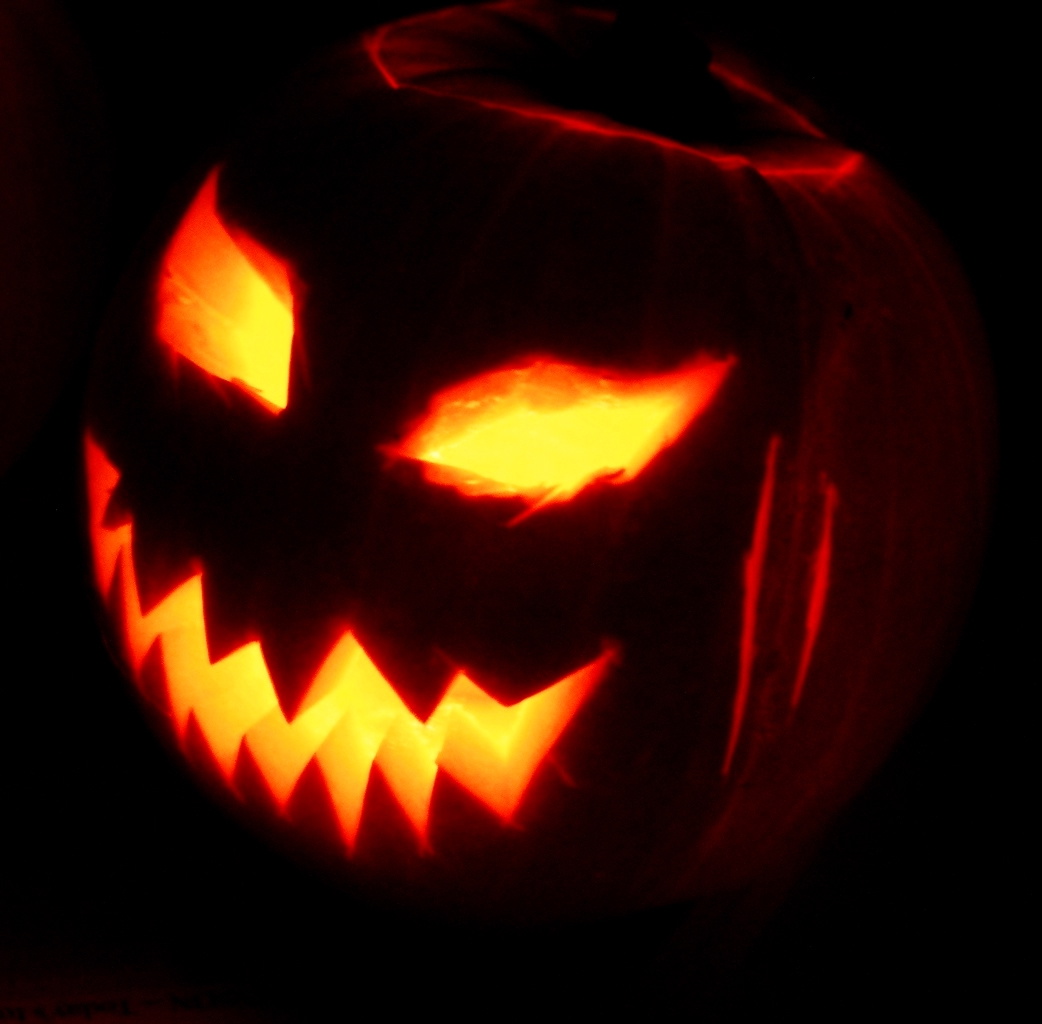 HalloweenAn annual observance on 31 October marking the eve of All Saints' Day, rooted in Christian tradition and Celtic heritage
 Christmas treeA decorated evergreen or artificial tree placed indoors to mark the Christmas season.
 HanukkahAn eight-day Jewish festival marking the rededication of the Second Temple in Jerusalem and the miracle of a single day'
Good reading and sources
- Papel picado on WikipediaEncyclopedia
- More photos on Wikimedia CommonsPhotos and video
- Wikidata recordOpen data
The facts on this page come from the Wikipedia article "Papel picado", written by its contributors and used under the CC BY-SA 4.0 licence, and from its Wikidata record (CC0). EveryParampara rewrote the text in its own words, with AI assistance, and compares every page with the article to make sure no passage is copied. It may be reused under the same CC BY-SA 4.0 licence with a link back.
It may contain mistakes. Traditions differ from one family, village and community to the next, and the people who keep them know them best. If something is wrong, tell us. Last refreshed 2026-10-04.
More from Mexico
All the traditions of Mexico
🇮🇪 Ireland and 5 moreHalloween
An annual observance on 31 October marking the eve of All Saints' Day, rooted in Christian tradition and Celtic heritageFestival · Sweets given and shared
 🇲🇽 Mexico City, Mexico and 1 moreDay of the DeadDía de Muertos
A Mexican remembrance of deceased family and friends with altars, marigolds and feastsFestival · Sweets given and shared
🇲🇽 Mexico City, Mexico and 1 moreDay of the DeadDía de Muertos
A Mexican remembrance of deceased family and friends with altars, marigolds and feastsFestival · Sweets given and shared
 🇲🇽 Huamantla, Mexico and 4 moreSawdust carpettapete de aserrín
Colored sawdust designs laid on streets to greet religious processions in Latin America and beyond.Festival
🇲🇽 Huamantla, Mexico and 4 moreSawdust carpettapete de aserrín
Colored sawdust designs laid on streets to greet religious processions in Latin America and beyond.Festival
 🇲🇽 Oaxaca, Mexico and 1 moreGuelaguetza
An annual Oaxacan festival of indigenous dance, music, costumes and communal sharingFestival
🇲🇽 Oaxaca, Mexico and 1 moreGuelaguetza
An annual Oaxacan festival of indigenous dance, music, costumes and communal sharingFestival
The same idea elsewhere
Remembering the ancestors compared 🇮🇳 Ayodhya, India and 7 moreDiwaliदीपावली (Dīpāvalī)
A five-day festival of lights celebrated across India and its diaspora to mark the victory of light over darkness.Festival · Feasts and festival meals
🇮🇳 Ayodhya, India and 7 moreDiwaliदीपावली (Dīpāvalī)
A five-day festival of lights celebrated across India and its diaspora to mark the victory of light over darkness.Festival · Feasts and festival meals
 🇮🇱 Jerusalem, IsraelSukkotסוכות
A seven-day autumn Jewish festival of temporary booths, harvest prayers and hospitalitySpiritual
🇮🇪 Ireland and 2 moreJack-o'-lantern
A carved pumpkin lantern lit with a candle to brighten and protect Halloween nightsFolklore
🇮🇱 Jerusalem, IsraelSukkotסוכות
A seven-day autumn Jewish festival of temporary booths, harvest prayers and hospitalitySpiritual
🇮🇪 Ireland and 2 moreJack-o'-lantern
A carved pumpkin lantern lit with a candle to brighten and protect Halloween nightsFolklore
 🇹🇱 Timor-LesteUma Lulik
Sacred ancestral clan houses and ritual shrines in East TimorSpiritual
🇹🇱 Timor-LesteUma Lulik
Sacred ancestral clan houses and ritual shrines in East TimorSpiritual