Festivals and celebrationsCentral Asia and the CaucasusChristian
Chichilaki
In its own language: ჩიჩილაკი
A shaved hazelnut branch crafted as a Georgian Christmas tree and burned at Epiphany

The chichilaki is a shaved wooden holiday tree crafted in Georgia for Orthodox Christmas. Families decorate the dried hazelnut or walnut bough with fruit, keep it through the festive season, and burn it on the eve of Epiphany to leave past troubles behind.
When is Chichilaki marked?
Chichilaki is kept as part of Christmas, which is on Friday, 25 December 2026.
The chichilaki is a traditional Christmas tree sculpted in Georgia from hazelnut or walnut wood. Shaved into soft, pale curls, this light wooden ornament stands in homes during Orthodox festivities each January. Georgians adorn its branches with berries and fruit as hopes for a fruitful harvest, before setting the entire carving alight just before Epiphany to clear away the troubles of the past twelve months.
Shaving the wood
Woodworkers fashion each chichilaki from straight hazelnut or walnut branches that have been left to dry. By carefully paring down the stick with a blade, the maker creates long, curly fronds of pale wood that cascade around the central stem. These handmade pieces vary greatly in size, ranging from twenty centimetres tall up to grand displays reaching three metres. Because artisans use pruned boughs rather than felling live pines, Georgians view this festive craft as a gentle choice for surrounding forests, avoiding the strict penalties imposed on unlawful evergreen harvesting.
Meaning and adornment
The pale strands of the tree evoke the bushy white beard of Saint Basil the Great, a figure associated with midwinter visits and gift-giving. Georgians also regard the carved staff as a representation of the tree of life. To prepare for the holiday, households decorate the curly fronds with dried madder alongside fresh pomegranates, apples, and small berries. These colorful additions serve as sacred offerings to heaven, asking for good crops and a generous harvest in the coming year. In the Samegrelo region, some people also purchase the carvings in memory of departed relatives.
The Epiphany fire
A chichilaki remains inside the home throughout the festive period following Christmas Day on 7 January. Its role concludes on 18 January, the eve of Georgian Orthodox Epiphany. On this night, families take the dry, shaved branch outside and light it in a ceremonial fire. Watching the wood turn to ash is believed to clear away the troubles, grief, and difficulties experienced during the past twelve months. Burning the decoration allows households to leave the old year behind with a sense of renewal and fresh optimism.
Bans and revival
Following the Soviet takeover of Georgia in 1921, authorities banned the public sale of chichilakis because of their overt connection to Christian ritual. For nearly seven decades, the custom had to survive quietly under state disapproval. When Soviet rule collapsed in 1990, the tradition made a swift return to winter markets and homes across the country. Today, the carved tree has regained widespread affection across Georgia, leading the national government to seek its formal inscription on the UNESCO global list of intangible cultural heritage.
How Chichilaki is kept
Artisans make the tree by peeling dried hazelnut or walnut sticks into curling wooden ribbons. Families purchase them from markets or shops before Georgian Orthodox Christmas on 7 January. Household members drape small fruits such as apples, pomegranates, and berries over the pale strands alongside madder. The ornament sits in the home throughout the festive period. On 18 January, the day before Epiphany, the family takes the chichilaki and burns it in a ritual fire to cast off the past year's hardships.
When and where
The custom takes place during the winter holiday season. Chichilakis are bought and displayed for Georgian Orthodox Christmas on 7 January and are burned on 18 January, the day before Epiphany.
The tradition is practiced throughout Georgia. It is most deeply rooted in the western regions of Guria and Samegrelo along the Black Sea coast, but the trees are also widely available and displayed in the capital city of Tbilisi.
What Chichilaki means
The shaved wood recalls the beard of Saint Basil the Great, who brings winter blessings. It also embodies the tree of life, carrying hopes for peace and endurance. Hanging fruit and madder symbolizes prayers for an abundant agricultural yield, while burning the branch before Epiphany represents the destruction of past troubles.
On the table
- Apples
- Pomegranates
- Madder
- Berries


Days Chichilaki is marked
Questions people ask about Chichilaki
When is Chichilaki marked?
Chichilaki is kept as part of Christmas, which is on Friday, 25 December 2026.
What is a chichilaki?
A chichilaki is a Georgian holiday tree made from dried hazelnut or walnut wood. Makers shave the branch so that thin, pale ribbons curl outward around the stem. It can stand anywhere from twenty centimetres to three metres tall.
What items are used to decorate the tree?
People hang fresh fruit and plant cuttings from the curls, including apples, pomegranates, small berries, and madder. These colorful ornaments serve as offerings to heaven to request a fruitful harvest in the coming year.
Why do Georgians set the tree on fire?
Burning the chichilaki before Epiphany is a symbolic cleansing rite. Georgians believe the flames consume the misfortunes, grief, and troubles of the preceding year, allowing the household to start fresh.
See also
 RtveliA Georgian harvest festival marking the grape picking season with feasts and folk songs.
 ChristmasA festival of Jesus's birth, kept on 25 December with gifts, lights and shared meals
 HalloweenAn annual observance on 31 October marking the eve of All Saints' Day, rooted in Christian tradition and Celtic heritage
 Christmas treeA decorated evergreen or artificial tree placed indoors to mark the Christmas season.
Good reading and sources
- Georgians rediscover Christmas tree traditionsBBC, Article
- Four seasons of culture in GeorgiaNational Geographic, Article
- Georgians rediscover Christmas tree traditionsBBC, Article
- Four seasons of culture in GeorgiaNational Geographic, Article
- Chichilaki on WikipediaEncyclopedia
- More photos on Wikimedia CommonsPhotos and video
- Wikidata recordOpen data
The facts on this page come from the Wikipedia article "Chichilaki", written by its contributors and used under the CC BY-SA 4.0 licence, and from its Wikidata record (CC0). EveryParampara rewrote the text in its own words, with AI assistance, and compares every page with the article to make sure no passage is copied. It may be reused under the same CC BY-SA 4.0 licence with a link back.
It may contain mistakes. Traditions differ from one family, village and community to the next, and the people who keep them know them best. If something is wrong, tell us. Last refreshed 2026-10-04.
More from Georgia
All the traditions of Georgia
🇬🇪 GeorgiaRtveliრთველი
A Georgian harvest festival marking the grape picking season with feasts and folk songs.Festival · Feasts and festival meals
 🇬🇪 Tbilisi, GeorgiaTbilisobaთბილისობა
An annual October festival celebrating the culture, harvest, and history of TbilisiFestival
🇬🇪 Tbilisi, GeorgiaTbilisobaთბილისობა
An annual October festival celebrating the culture, harvest, and history of TbilisiFestival
 🇱🇧 Beirut, Lebanon and 7 moreEid il-Burbaraعيد البربارة
A winter feast of costumes, sweet boiled wheat, and sprouting seeds across the LevantFestival · Feasts and festival meals
🇱🇧 Beirut, Lebanon and 7 moreEid il-Burbaraعيد البربارة
A winter feast of costumes, sweet boiled wheat, and sprouting seeds across the LevantFestival · Feasts and festival meals
 🇬🇪 Tbilisi, Georgia and 4 moreGeorgian polyphonic singing
Several voices at once, sung without instruments at Georgian feasts and weddingsPerformance
🇬🇪 Tbilisi, Georgia and 4 moreGeorgian polyphonic singing
Several voices at once, sung without instruments at Georgian feasts and weddingsPerformance
The same idea elsewhere
Midwinter and the longest night compared 🇵🇪 Cusco, Peru and 4 moreIntiinti (Quechua)
The Inca sun deity, honoured with temples, offerings and the June festival Inti RaymiSpiritual
🇵🇪 Cusco, Peru and 4 moreIntiinti (Quechua)
The Inca sun deity, honoured with temples, offerings and the June festival Inti RaymiSpiritual
 🇺🇦 Ukraine and 1 moreDidukhдідух
A wheat sheaf kept at Christmas to honour ancestors and pray for a bountiful harvestHome
🇺🇦 Ukraine and 1 moreDidukhдідух
A wheat sheaf kept at Christmas to honour ancestors and pray for a bountiful harvestHome
 🇫🇮 FinlandChristmas in Finlandjoulu
A quiet midwinter festival of saunas, grave candles and table casseroles across FinlandSeasonal · Dinner
🇫🇮 FinlandChristmas in Finlandjoulu
A quiet midwinter festival of saunas, grave candles and table casseroles across FinlandSeasonal · Dinner
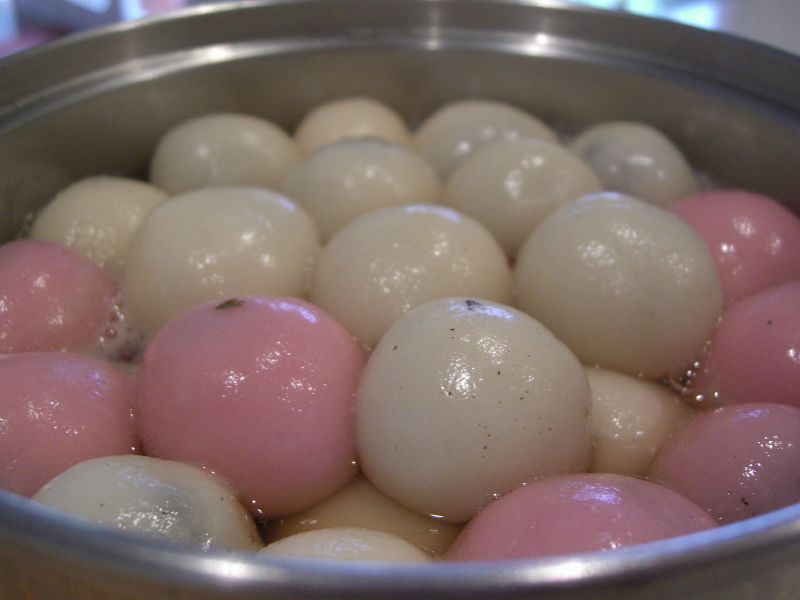 🇨🇳 Suzhou, China and 4 moreDongzhi Festival冬至
A winter solstice festival of family reunions, ancestor rites and sweet rice ballsSeasonal · Dinner
🇨🇳 Suzhou, China and 4 moreDongzhi Festival冬至
A winter solstice festival of family reunions, ancestor rites and sweet rice ballsSeasonal · Dinner