Crafts and makingEast AsiaBuddhistShinto, Taoist and folk Chinese
Chinese patchwork
A needlework craft joining fabric scraps into protective clothing, quilts and folk art

Chinese patchwork is a traditional needlework custom that joins silk and cotton scraps into clothing, quilts and decorative household items. Practised across China for millennia, especially by rural women, these stitched pieces serve as protective talismans and folk storytelling art.
When is Chinese patchwork kept?
Chinese patchwork is kept on made throughout the year, especially around the birth or adoption of a child.
Chinese patchwork is a traditional needlework craft in which remnants of silk or cotton are pieced together into garments, bedding and folk art. Kept alive across generations in rural China, this sewing practice turns leftover cloth into meaningful items. Beyond saving fabric, the patchwork often serves as a protective talisman for infants, expresses spiritual dedication in Buddhist robes, or illustrates legendary figures from Chinese folklore.
Garments of protection and devotion
Among the best-known forms is the baijiayi, or hundred-families robe, a patchwork jacket made for young boys to serve as a protective talisman. In Buddhist practice, priests wear a jia sha, a robe assembled from small pieces of donated silk that reflects their vow of asceticism while offering spiritual merit to donors. During the Ming dynasty, women embraced shuitianyi, an artistic garment made from irregular cloth patches that matched the era's appetite for fresh fashion trends. These garments unite personal protection, faith and design.
Quilts and communal wishes
The northern Chinese tradition of baijia bei, or hundred-families quilt, gathers square fabric scraps from one hundred contributors. Assembling these donated pieces creates a bedcover believed to channel the combined goodwill, energy and blessings of the community. In the early twenty-first century, this custom inspired the One Hundred Good Wishes Quilt in the United States, where families adopting children from China collect cloth from friends and relatives to make a welcoming commemorative blanket bridging two cultures.
Techniques, symbols and patterns
Makers arrange silk or cotton remnants face-to-face, stitching along seam allowances to form continuous panels. In Shaanxi province, Yanchuan patchwork pairs sewing with embroidery, transforming mended garments into decorative items. Unlike Korean patchwork styles that favor unadorned cloth, Chinese needleworkers frequently embellish individual segments with embroidered motifs. Traditional patterns incorporate geometric blocks, lattices, diamonds and coin shapes, often illustrating folklore figures such as the Kitchen God, Door Gods, the Dragon King and the child-bringing Qilin.
Everyday household creations
Beyond historic garments and protective nursery quilts, Chinese needleworkers apply patchwork to a broad range of domestic goods. Modern and traditional makers create decorative curtains, scarves, aprons, dudou undergarments and women's handbags. Patchwork also adorns small practical items, including shoes and caps for infants, alongside wallets and cigarette cases for men. These everyday objects carry forward the practical instinct to reuse cloth while enriching daily life with decorative folk designs.
How Chinese patchwork is kept
To create patchwork items, makers collect fabric scraps of cotton or silk, cut them into geometric shapes such as squares, triangles or diamonds, and leave seam allowances around the edges. For special gifts like a baijia bei, family members seek cloth contributions from up to one hundred donors. The pieces are arranged in planned geometric patterns or narrative folk motifs, placed face-to-face, and sewn together into large panels. Some craftworkers add embroidery before finishing the work into robes, bedcovers, bags or protective children's garments.
When and where
Patchwork is stitched throughout the year as clothing needs mending or new household goods are created. Specific pieces, such as the hundred-families robe or quilt, are made around the birth or adoption of a child to offer protection and blessings.
The craft is kept in rural communities across China, with distinctive regional styles such as Yanchuan patchwork in northern Shaanxi province. Derivative quilt customs are also practised by adoptive families in the United States.
What Chinese patchwork means
Chinese patchwork conveys protection, shared goodwill and spiritual devotion. A jacket or quilt sewn from scraps gathered from many households represents communal support and shields young children from harm. Buddhist patchwork robes symbolise an ascetic life while earning merit for patrons. Traditional motifs also honour folklore figures, bringing blessings and auspicious energy into the home.


Questions people ask about Chinese patchwork
When is Chinese patchwork kept?
Chinese patchwork is kept on made throughout the year, especially around the birth or adoption of a child.
What is Chinese patchwork?
It is a traditional folk needlework craft where scraps of silk or cotton are sewn together to make garments, quilts, talismans and decorative accessories.
What is a hundred-families robe?
Known in Chinese as a baijiayi, it is a traditional Han patchwork jacket made from cloth scraps collected from many households, worn by young boys as a protective talisman.
Where is traditional patchwork practised?
It is widely practised in rural areas across China, including notable regional centres like Yanchuan in northern Shaanxi province, as well as among international adoptive communities.
How does Chinese patchwork differ from Korean patchwork?
Unlike traditional Korean patchwork that generally uses unadorned cloth, Chinese patchwork frequently combines pieced remnants with detailed embroidery, showcasing regional folklore figures and protective cultural symbols.
See also
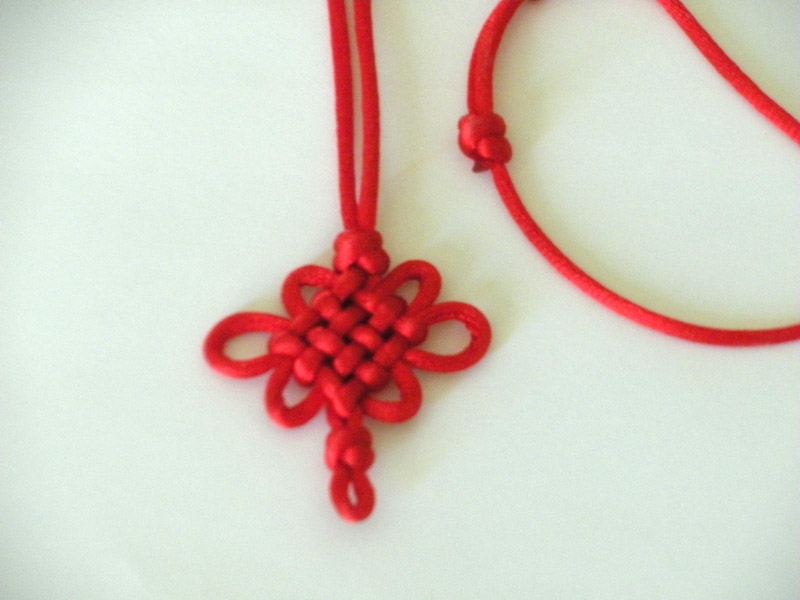 Chinese knottingA folk craft of cord tied into lucky shapes, made in China and given as charms
 DreamcatcherA hand-woven hoop from Anishinaabe tradition, hung above a cradle to protect a child
 Chinese paper cuttingChinese cut paper pictures, pasted on windows and doors for luck at New Year
 Water lanternSmall lamps floated on water to honour the dead and ask for good fortune
Good reading and sources
The facts on this page come from the Wikipedia article "Chinese patchwork", written by its contributors and used under the CC BY-SA 4.0 licence, and from its Wikidata record (CC0). EveryParampara rewrote the text in its own words, with AI assistance, and compares every page with the article to make sure no passage is copied. It may be reused under the same CC BY-SA 4.0 licence with a link back.
It may contain mistakes. Traditions differ from one family, village and community to the next, and the people who keep them know them best. If something is wrong, tell us. Last refreshed 2026-10-06.
More from China
All the traditions of China
🇨🇳 China and 2 moreChinese knotting中國結 (Zhōngguó jié)
A folk craft of cord tied into lucky shapes, made in China and given as charmsCraft
🇨🇳 ChinaChinese paper cutting剪紙 / 剪纸 (jiǎnzhǐ)
Chinese cut paper pictures, pasted on windows and doors for luck at New YearCraft
 🇨🇳 ChinaChinese herbology中藥學
The traditional Chinese system of preparing and prescribing herbal and natural remediesCraft
🇨🇳 ChinaChinese herbology中藥學
The traditional Chinese system of preparing and prescribing herbal and natural remediesCraft
 🇵🇬 Papua New Guinea and 5 moreShell money
Traditional currency made from cowries, ground clam beads, and carved sea shellsCraft
🇵🇬 Papua New Guinea and 5 moreShell money
Traditional currency made from cowries, ground clam beads, and carved sea shellsCraft
The same idea elsewhere
Healing, luck and protection compared 🇦🇺 AustraliaSmoking ceremonyNumbuk Yabbun
An Aboriginal Australian ritual of burning native plants to cleanse, heal and welcomeSpiritual
🇺🇸 United States and 1 moreDreamcatcherᐊᓴᐱᑫᔒᓐᐦ (asabikeshiinh)
A hand-woven hoop from Anishinaabe tradition, hung above a cradle to protect a childCraft
🇦🇺 AustraliaSmoking ceremonyNumbuk Yabbun
An Aboriginal Australian ritual of burning native plants to cleanse, heal and welcomeSpiritual
🇺🇸 United States and 1 moreDreamcatcherᐊᓴᐱᑫᔒᓐᐦ (asabikeshiinh)
A hand-woven hoop from Anishinaabe tradition, hung above a cradle to protect a childCraft
 🇮🇩 IndonesiaSlametan
A short communal meal on Java where neighbours share food, prayer and a wish for peaceSpiritual · Feasts and festival meals
🇮🇩 IndonesiaSlametan
A short communal meal on Java where neighbours share food, prayer and a wish for peaceSpiritual · Feasts and festival meals
 🇮🇩 Yogyakarta, IndonesiaSekatenꦱꦼꦏꦠꦺꦤ꧀
A week-long Javanese royal festival and market honouring the birth of the ProphetFestival
🇮🇩 Yogyakarta, IndonesiaSekatenꦱꦼꦏꦠꦺꦤ꧀
A week-long Javanese royal festival and market honouring the birth of the ProphetFestival