Spiritual and religiousEuropeChristian
Dancing procession of Echternach
In its own language: Iechternacher Sprangprëssioun
A Roman Catholic hopping pilgrimage honouring Saint Willibrord in eastern Luxembourg

The dancing procession of Echternach is a Catholic pilgrimage held each year on Whit Tuesday in eastern Luxembourg. Thousands of pilgrims join lines linked by white handkerchiefs, hopping rhythmically to folk music through the town streets to Saint Willibrord's crypt in the abbey basilica.
When is Dancing procession of Echternach kept?
Dancing procession of Echternach is kept every year on Whit Tuesday.
Every Whit Tuesday, thousands of pilgrims gather in the eastern Luxembourg town of Echternach for Europe's last surviving dancing procession. Participants line up in rows, holding handkerchiefs between them, and hop rhythmically through the town towards the basilica. Organised in honour of Saint Willibrord, the founder of the local abbey, the event blends physical movement, music, and Catholic prayer into an act of collective devotion and penance.
Music and movement
The procession begins in the morning by the bridge over the Sauer River with a sermon. Members of the organising group, the Willibrordus-Bauverein, arrange the crowds into alternating sections of musicians and pilgrims. Rows of four or five people advance through the streets holding the corners of white handkerchiefs. Dancers hop from left to right to the rhythm of a traditional tune, the Sprangprozessioùn, which resembles an Irish jig and derives from the folk melody "Adam had seven sons". Moving over roughly one and a half kilometres, the dancers wind their way across town towards the basilica, accompanied by Catholic clergy, monks, nuns, and visiting bishops.
Reaching the crypt
Because thousands of people take part, the final groups usually do not arrive at the abbey basilica until well after midday. Inside the church, the rhythm does not stop. Dancers continue their hopping steps straight into the crypt below the high altar, circling past the tomb of Saint Willibrord. The ceremony turns to formal prayer with recited litanies dedicated to the saint, before concluding with the Benediction of the Blessed Sacrament. Over centuries, these rituals have offered worshippers an expressive way to pray with both body and spirit, asking for protection against ailments such as convulsions, epilepsy, and Saint Vitus Dance.
Origins and bans
Pilgrims have visited Saint Willibrord's resting place since the Middle Ages, including rulers such as Charlemagne and Emperor Maximilian. The custom of hopping is documented in records dating to the late fifteenth century, though local lore links its roots to earlier centuries and legends of averted plagues. The procession faced numerous interruptions and bans. In the eighteenth century, church authorities and Emperor Joseph II prohibited the dancing. After further disruption during the French Revolution, the tradition returned in 1802. Although nineteenth-century authorities attempted to shift the observance to a Sunday, the town maintained its custom on Whit Tuesday from 1830 onward.
How Dancing procession of Echternach is kept
The day opens at the bridge over the River Sauer, where a priest delivers a morning sermon. Stewards place musicians and pilgrims into alternating groups. Participants stand four or five abreast, grasping white handkerchiefs, and hop from side to side to a lively traditional tune. The procession winds for one and a half kilometres through Echternach. Upon entering the basilica, the dancers continue their rhythmic movement down into the crypt and around Saint Willibrord's tomb. Prayers and litanies are recited, and the gathering finishes with the Benediction of the Blessed Sacrament.
When and where
The procession occurs annually on Whit Tuesday, which is the Tuesday directly after Pentecost. While Saint Willibrord's official calendar feast day falls on 7 November, Echternach has observed this specific dance pilgrimage on Whit Tuesday continuously since 1830.
The tradition takes place in Echternach, located in eastern Luxembourg along the River Sauer. Dancers travel a route of roughly one and a half kilometres from the river bridge through the town streets to the Abbey of Echternach.
What Dancing procession of Echternach means
To the pilgrims, dancing serves as an embodied prayer and an act of religious penance. Moving both physically and spiritually, participants celebrate Saint Willibrord while seeking spiritual blessing and health. Historically, pilgrims took part in the hopping steps to ward off or heal illnesses such as epilepsy, convulsions, and Saint Vitus Dance, expressing joyful devotion through shared motion.
Questions people ask about Dancing procession of Echternach
When is Dancing procession of Echternach kept?
Dancing procession of Echternach is kept every year on Whit Tuesday.
What is the dancing procession of Echternach?
It is an annual Roman Catholic pilgrimage in eastern Luxembourg where pilgrims hop in rhythmic rows through the streets to honour Saint Willibrord, making it the last dancing procession in Europe.
How do participants dance in the procession?
Dancers line up four or five abreast while holding white handkerchiefs. They jump from left to right in time to an upbeat traditional melody that resembles an Irish jig.
Who was Saint Willibrord?
Saint Willibrord was the founder of the Abbey of Echternach and is the patron saint of Luxembourg. His tomb rests in the crypt beneath the high altar of the town's basilica.
See also
 CandlemasA Christian feast of candle blessings marking the end of the Christmas season
 PassoverA Jewish spring festival celebrating freedom from slavery with ritual meals
 SukkotA seven-day autumn Jewish festival of temporary booths, harvest prayers and hospitality
 Isra and Mi'rajAn Islamic observance marking the prophet Muhammad’s night journey and ascent through the heavens.
Good reading and sources
- Hopping procession of EchternachUNESCO, Heritage listing
- Hopping procession of EchternachUNESCO, Article
- Dancing procession of Echternach on WikipediaEncyclopedia
- More photos on Wikimedia CommonsPhotos and video
- Wikidata recordOpen data
The facts on this page come from the Wikipedia article "Dancing procession of Echternach", written by its contributors and used under the CC BY-SA 4.0 licence, and from its Wikidata record (CC0). EveryParampara rewrote the text in its own words, with AI assistance, and compares every page with the article to make sure no passage is copied. It may be reused under the same CC BY-SA 4.0 licence with a link back.
It may contain mistakes. Traditions differ from one family, village and community to the next, and the people who keep them know them best. If something is wrong, tell us. Last refreshed 2026-10-04.
More from Luxembourg
All the traditions of Luxembourg
🇫🇷 France and 5 moreCandlemas
A Christian feast of candle blessings marking the end of the Christmas seasonSpiritual
 🇪🇸 Santiago de Compostela, Spain and 7 moreCamino de SantiagoEl Camino de Santiago
A Christian walking pilgrimage across Europe to the shrine of Saint James in SpainSpiritual
🇪🇸 Santiago de Compostela, Spain and 7 moreCamino de SantiagoEl Camino de Santiago
A Christian walking pilgrimage across Europe to the shrine of Saint James in SpainSpiritual
 🇮🇹 Rome, Italy and 2 moreAssumption of Mary
A feast on 15 August, when Christians remember Mary taken up into heavenSpiritual
🇮🇹 Rome, Italy and 2 moreAssumption of Mary
A feast on 15 August, when Christians remember Mary taken up into heavenSpiritual
 🇱🇺 Luxembourg City, Luxembourg and 3 moreOktavMuttergottesoktav
A two-week annual Marian pilgrimage and festival in Luxembourg CitySpiritual · Tea-time and snacking customs
🇱🇺 Luxembourg City, Luxembourg and 3 moreOktavMuttergottesoktav
A two-week annual Marian pilgrimage and festival in Luxembourg CitySpiritual · Tea-time and snacking customs
The same idea elsewhere
Pilgrimage compared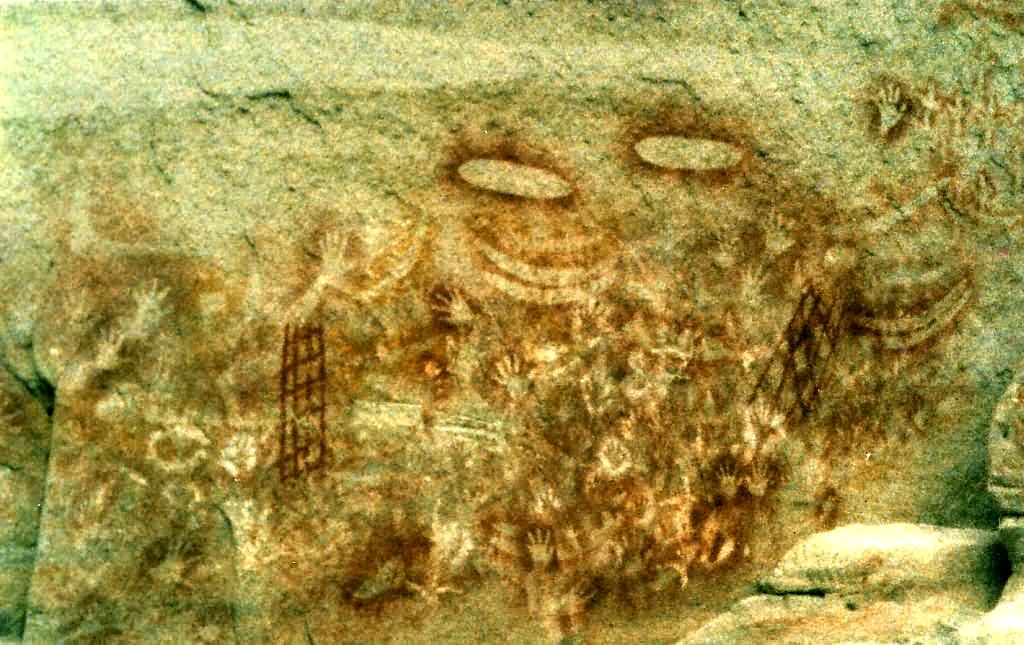 🇦🇺 AustraliaThe Dreaming
A living spiritual worldview and law connecting Aboriginal Australians to ancestors, land, and community.Spiritual
🇦🇺 AustraliaThe Dreaming
A living spiritual worldview and law connecting Aboriginal Australians to ancestors, land, and community.Spiritual
 🇮🇳 India and 5 moreThaipusam
A Tamil Hindu festival honoring Murugan through devotional burdens and pilgrimageSpiritual
🇮🇳 India and 5 moreThaipusam
A Tamil Hindu festival honoring Murugan through devotional burdens and pilgrimageSpiritual
 🇵🇭 Cebu City, Philippines and 4 moreSinulog Festival
An annual Philippine dance festival and Catholic devotion honouring the Santo NiñoFestival
🇵🇭 Cebu City, Philippines and 4 moreSinulog Festival
An annual Philippine dance festival and Catholic devotion honouring the Santo NiñoFestival
 🇵🇪 Cusco, PeruQoyllur Rit'iQuyllurit'i
An Andean mountain pilgrimage uniting indigenous star lore and Catholic devotionSpiritual
🇵🇪 Cusco, PeruQoyllur Rit'iQuyllurit'i
An Andean mountain pilgrimage uniting indigenous star lore and Catholic devotionSpiritual