Spiritual and religiousSouth AsiaHindu
Ganga Dussehra
A ten-day Hindu river festival celebrating the descent of the Ganges to earth

Ganga Dussehra is a ten-day Hindu observance held across northern and eastern India during the month of Jyeshtha. Devotees gather at holy riverbanks to bathe in sacred waters, light lamps in prayer, fly kites and share refreshing drinks.
When is Ganga Dussehra kept?
Ganga Dussehra is kept on annually in May or June, on the tenth day of the waxing moon in the month of Jyeshtha.
Ganga Dussehra is an annual Hindu festival celebrating the arrival of the sacred river Ganges on earth from the heavens. For ten days culminating on Dashami in the month of Jyeshtha, worshippers gather along riverbanks in northern and eastern India. Pilgrims bathe in the water to cleanse sins, seek bodily healing, and offer evening prayers with oil lamps, floating lights, and floral garlands.
River bathing and rituals
Devotees travel in large numbers to the banks of the Ganges during the festival. Bathing in the sacred waters is the central observance. Worshippers believe that taking a dip purges bodily illnesses and washes away spiritual wrongdoing. In the evenings, priests and pilgrims perform aarti by circulating lit lamps in clockwise motions during prayer. Floating clay lamps, known as diyas, are set adrift upon the water at places like Dashashwamedh Ghat in Varanasi. In Patna, priests lead ceremonies at Gandhi Ghat and release a long floral garland into the river at Adalat Ghat.
Honouring the Yamuna and sharing food
Observances also extend to the river Yamuna on the same day. People assemble along its shores in pilgrimage towns such as Mathura, Vrindavan, and Bateshwar to bathe and pray. Festivities around the river include kite-flying gatherings that draw local crowds into the open air. Devotees offer watermelons and cucumbers to the river deity and distribute cooling drinks to visitors. Refreshing beverages like lassi, spiced sharbat, and citrusy shikanji are shared freely among participants gathering along the waterfronts.
Spiritual meaning and name
The festival name reflects its central spiritual meaning. In Sanskrit, the word dasha means ten, while hara translates to destroy or remove. Based on this understanding, pilgrims believe that washing in the holy waters across these ten days eradicates ten distinct sins, or clears away misdeeds accumulated over ten past lifetimes. The festival commemorates the holy descent of the river, transforming riverfront steps into busy gathering places where families pray together and send offerings across the water.
How Ganga Dussehra is kept
The festival spans ten days, ending on the tenth day of the waxing moon. Devotees travel to riverbanks, where they immerse themselves in the sacred water for spiritual purification and physical relief. Families fly kites, give offerings of cucumber and watermelon, and share cool drinks. At dusk, priests and worshippers hold circular prayer lamps, chant prayers, float small clay diyas on the current, and dedicate long garlands to the river.
When and where
The festival takes place over ten days, concluding on Dashami, the tenth waxing moon day in the Hindu calendar month of Jyeshtha. In the Gregorian calendar, this observance falls in May or June.
Ganga Dussehra is celebrated across Indian states along the Ganges and Yamuna, including Uttarakhand, Uttar Pradesh, Bihar, and West Bengal. Key gathering sites include Haridwar, Varanasi, Rishikesh, Garhmukteshwar, Allahabad, Patna, Mathura, and Vrindavan.
What Ganga Dussehra means
The festival commemorates the descent of the river Ganges from heaven to earth. For worshippers, the river is a sacred presence whose waters offer spiritual renewal. The ten-day observance represents the washing away of ten sins or ten lifetimes of wrongful deeds, combining prayers of gratitude with acts of cleansing and community sharing.


Questions people ask about Ganga Dussehra
When is Ganga Dussehra kept?
Ganga Dussehra is kept on annually in May or June, on the tenth day of the waxing moon in the month of Jyeshtha.
What is Ganga Dussehra?
Ganga Dussehra, also known as Gangavataran, is a ten-day Hindu river festival. It commemorates the descent of the sacred river Ganges from heaven to earth and focuses on ritual bathing, prayers, and community offerings.
Why do devotees bathe in the river during Ganga Dussehra?
Devotees bathe in the river to purify themselves spiritually and seek relief from physical ailments. Tradition holds that bathing across the festival cleanses an individual of ten sins or ten lifetimes of past wrongdoing.
What rituals take place along the river ghats?
Priests and worshippers perform evening aarti rituals by waving oil lamps in prayer. Devotees also float small clay lamps on the water, present floral garlands, fly kites, and offer fruits like watermelon and cucumber.
See also
 Krishna JanmashtamiA Hindu festival celebrating the birth of Krishna with fasting, singing and night vigils
 ThaipusamA Tamil Hindu festival honoring Murugan through devotional burdens and pilgrimage
 Chhath PujaA four-day Hindu festival honouring the sun and Chhathi Maiya along riverbanks
 Govardhan PujaA Hindu festival of piled vegetarian foods and sculpted earth, honouring Krishna
Good reading and sources
The facts on this page come from the Wikipedia article "Ganga Dussehra", written by its contributors and used under the CC BY-SA 4.0 licence, and from its Wikidata record (CC0). EveryParampara rewrote the text in its own words, with AI assistance, and compares every page with the article to make sure no passage is copied. It may be reused under the same CC BY-SA 4.0 licence with a link back.
It may contain mistakes. Traditions differ from one family, village and community to the next, and the people who keep them know them best. If something is wrong, tell us. Last refreshed 2026-10-04.
More from India
All the traditions of India 🇮🇳 Mumbai, India and 1 moreFire templeآتشکده
A consecrated sanctuary where Zoroastrians tend sacred fires and gather for worshipSpiritual
🇮🇳 Mumbai, India and 1 moreFire templeآتشکده
A consecrated sanctuary where Zoroastrians tend sacred fires and gather for worshipSpiritual
 🇮🇳 India and 1 moreKailash Mansarovar Yatraकैलाश मानसरोवर यात्रा (Hindi); ཀཱའི་ལ་ཤ་མན་ས་རོ་ཝར་ཡ་ཏྲ། (Tibetan)
A high-altitude pilgrimage to Mount Kailash and Lake Manasarovar in TibetSpiritual
🇮🇳 India and 1 moreKailash Mansarovar Yatraकैलाश मानसरोवर यात्रा (Hindi); ཀཱའི་ལ་ཤ་མན་ས་རོ་ཝར་ཡ་ཏྲ། (Tibetan)
A high-altitude pilgrimage to Mount Kailash and Lake Manasarovar in TibetSpiritual
 🇨🇳 China and 1 morePrayer wheelའཁོར་ལོ།
A cylindrical wheel spun in Tibetan Buddhist practice to accumulate merit and wisdomSpiritual
🇨🇳 China and 1 morePrayer wheelའཁོར་ལོ།
A cylindrical wheel spun in Tibetan Buddhist practice to accumulate merit and wisdomSpiritual
The same idea elsewhere
Pilgrimage compared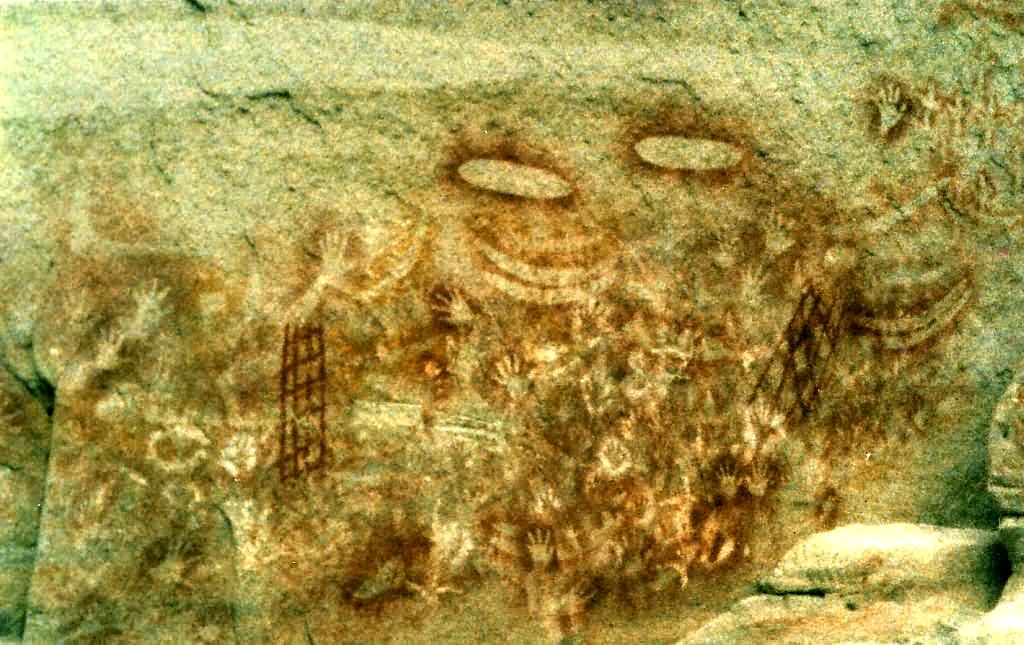 🇦🇺 AustraliaThe Dreaming
A living spiritual worldview and law connecting Aboriginal Australians to ancestors, land, and community.Spiritual
🇦🇺 AustraliaThe Dreaming
A living spiritual worldview and law connecting Aboriginal Australians to ancestors, land, and community.Spiritual
 🇪🇸 Santiago de Compostela, SpainBotafumeiro
A giant swinging censer of brass and silver that fills the Santiago de Compostela Cathedral with incense during solemn fSpiritual
🇪🇸 Santiago de Compostela, SpainBotafumeiro
A giant swinging censer of brass and silver that fills the Santiago de Compostela Cathedral with incense during solemn fSpiritual
 🇵🇭 Cebu City, Philippines and 4 moreSinulog Festival
An annual Philippine dance festival and Catholic devotion honouring the Santo NiñoFestival
🇵🇭 Cebu City, Philippines and 4 moreSinulog Festival
An annual Philippine dance festival and Catholic devotion honouring the Santo NiñoFestival
 🇵🇪 Cusco, PeruQoyllur Rit'iQuyllurit'i
An Andean mountain pilgrimage uniting indigenous star lore and Catholic devotionSpiritual
🇵🇪 Cusco, PeruQoyllur Rit'iQuyllurit'i
An Andean mountain pilgrimage uniting indigenous star lore and Catholic devotionSpiritual