Festivals and celebrationsEuropeChristian
Gilles
In its own language: Gille
Costumed carnival figures of Binche and surrounding Belgian towns

Gilles are traditional male carnival figures in Belgium, most famously seen at the Carnival of Binche. On Shrove Tuesday, roughly a thousand participants step out before dawn in straw-padded linen suits, dancing through the streets in wooden clogs and tossing blood oranges to the crowds.
When is Gilles marked?
Gilles is kept as part of Shrove Tuesday and Mardi Gras, which is on Tuesday, 9 February 2027.
The Gilles are the central masked figures of the Carnival of Binche in southern Belgium. Every Shrove Tuesday, hundreds of boys and men dress in straw-stuffed linen costumes and wooden clogs to dance through the streets from early dawn until late at night. They carry twig bundles to repel evil spirits, don wax masks in the morning, and toss blood oranges to spectators during the afternoon procession.
The festival day
Celebrations begin at four in the morning on Shrove Tuesday. About one thousand male participants, from three-year-old boys to grown men, step into the streets and move to the rhythm of traditional songs. During the morning hours, each Gille covers his face with an identical wax mask. After walking to the town hall, the dancers remove these masks for the rest of the day. In the afternoon procession, they put on tall hats covered in white plumes, carry wicker baskets, and throw blood oranges into the gathering crowds, keeping up their steps until late into the night.
Costume and adornments
The outfit of a Gille is instantly recognisable. Tailored from linen cloth, the suit displays heraldic designs in red, yellow, and black, reflecting the colours of the Belgian flag. Bands of wide white lace trim the cuffs and wide collar. Underneath the fabric, padding made of straw gives the dancer a rounded, hunched silhouette. Dancers wear carved wooden clogs on their feet and strap small bells around their waists to chime as they move. They also hold ramons, small bundles of bound twigs used to ward off evil spirits.
Origins and legends
The earliest written record of the Gilles dates to 1795, when local revolutionary authorities attempted to ban the wearing of masks. Several stories attempt to explain where the custom began. One popular tale links the figures to Mary of Hungary, who governed the Low Countries in 1549 and staged a grand entry in Brussels for Charles V of Spain. That theory suggests the feathered headdresses drew inspiration from Inca clothing. Another explanation traces the look, hunched back, and name to commedia dell'arte stock characters such as Pulcinella or Pierrot, adapted over time with regional elements like wooden clogs.
Beyond Binche
While Binche holds the most renowned celebration, recognised in 2003 by UNESCO as a masterpiece of intangible cultural heritage, the custom thrives elsewhere. Several other towns in the region maintain their own Gille societies and carnival appearances. Communities such as Nivelles, Charleroi, La Louvière, Le Roeulx, Morlanwelz, and Seneffe also bring costumed Gilles into their annual festivities, keeping the distinct music, dancing, and rhythmic clog steps alive across the province.
How Gilles is kept
On Shrove Tuesday, around a thousand male participants dress in straw-padded linen suits, lace collars, bells, and wooden clogs. Starting at four in the morning, they dance through town to traditional melodies while wearing identical wax masks. In the afternoon, after visiting the town hall, they remove the masks, put on towering white feathered hats, and march in a parade while throwing blood oranges from baskets into the crowd.
When and where
The tradition takes place once a year on Shrove Tuesday, beginning at four in the morning and continuing until late at night. The exact date shifts annually according to the Christian liturgical calendar.
The custom belongs to Belgium, centered in the town of Binche. Similar Gille processions also take place during carnival in neighbouring towns such as Nivelles, Charleroi, and La Louvière.
What Gilles means
The bundle of twigs carried by each Gille, known as a ramon, is traditionally used to drive away harmful spirits. The stuffing of straw creates a hunched silhouette, while the suit's red, yellow, and black heraldic motifs display the national colours of Belgium.


Days Gilles is marked
Questions people ask about Gilles
When is Gilles marked?
Gilles is kept as part of Shrove Tuesday and Mardi Gras, which is on Tuesday, 9 February 2027.
What is a Gille?
A Gille is a traditional carnival figure in Belgium, most famously seen in Binche. Male participants wear straw-padded suits, wax masks, and wooden clogs while dancing to traditional songs on Shrove Tuesday.
Where and when does the tradition take place?
The tradition happens every Shrove Tuesday, beginning at four in the morning in the town of Binche. Other Belgian towns such as Nivelles, Charleroi, and La Louvière also hold Gille celebrations.
What do the Gilles throw to the crowd?
During the afternoon street parade, the costumed Gilles carry baskets filled with blood oranges and throw the fruit into the gathering crowd of spectators.
Why do the Gilles hold bundles of twigs?
Participants hold tightly tied bundles of twigs called ramons. In carnival tradition, these twig bundles are carried by the dancers to ward off evil spirits.
See also
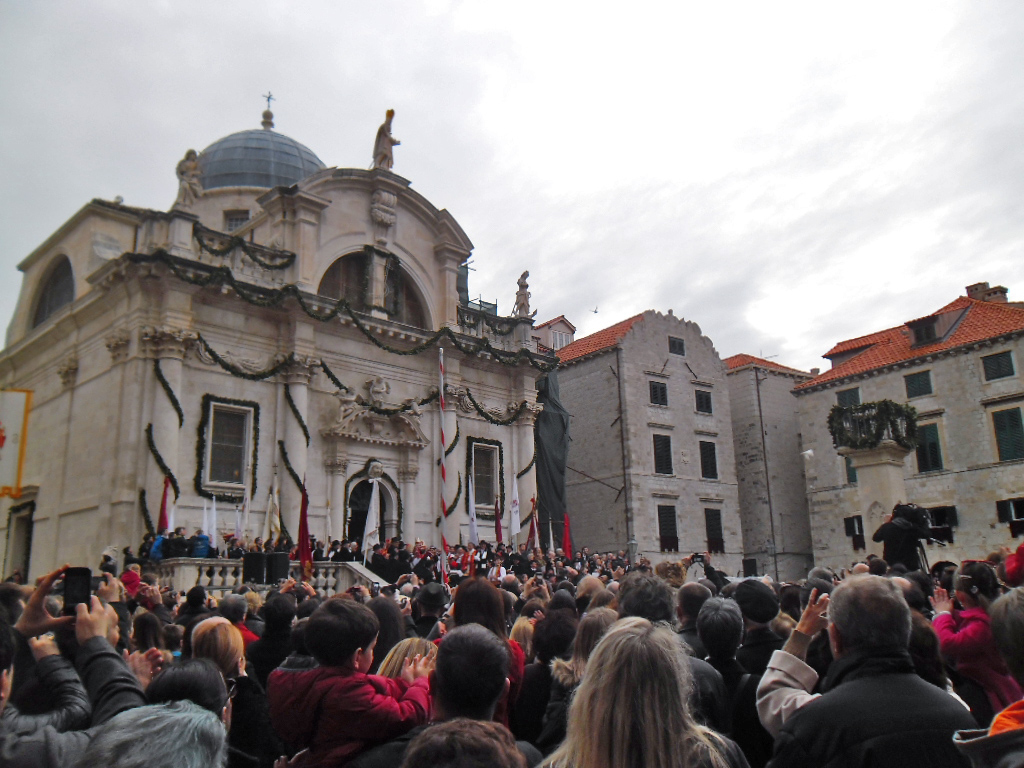 Festivity of Saint BlaiseAn annual patron saint festival in Dubrovnik with processions, relics and doves
 MeyboomAn annual Brussels parade and ceremonial tree planting held every August
 CandlemasA Christian feast of candle blessings marking the end of the Christmas season
 Mid-Autumn FestivalAn annual harvest festival celebrating family reunions, full moons and mooncakes
Good reading and sources
- Gilles on WikipediaEncyclopedia
- More photos on Wikimedia CommonsPhotos and video
- Wikidata recordOpen data
The facts on this page come from the Wikipedia article "Gilles", written by its contributors and used under the CC BY-SA 4.0 licence, and from its Wikidata record (CC0). EveryParampara rewrote the text in its own words, with AI assistance, and compares every page with the article to make sure no passage is copied. It may be reused under the same CC BY-SA 4.0 licence with a link back.
It may contain mistakes. Traditions differ from one family, village and community to the next, and the people who keep them know them best. If something is wrong, tell us. Last refreshed 2026-10-04.
More from Belgium
All the traditions of Belgium
🇭🇷 Dubrovnik, Croatia and 1 moreFestivity of Saint BlaiseFesta Svetog Vlaha
An annual patron saint festival in Dubrovnik with processions, relics and dovesFestival
🇧🇪 Brussels, BelgiumMeyboomMaâbuum
An annual Brussels parade and ceremonial tree planting held every AugustFestival
 🇩🇪 Germany and 5 moreMaypole
A tall wooden pole, garlanded and danced around, raised at May Day, Whitsun or MidsummerFestival
🇩🇪 Germany and 5 moreMaypole
A tall wooden pole, garlanded and danced around, raised at May Day, Whitsun or MidsummerFestival
 🇧🇪 Mons, BelgiumDucasse de Mons
An eight-day festival in Mons featuring a golden carriage and a dragon combatFestival
🇧🇪 Mons, BelgiumDucasse de Mons
An eight-day festival in Mons featuring a golden carriage and a dragon combatFestival
The same idea elsewhere
Healing, luck and protection compared 🇮🇳 India and 4 moreWater lantern
Small lamps floated on water to honour the dead and ask for good fortuneFestival
🇮🇳 India and 4 moreWater lantern
Small lamps floated on water to honour the dead and ask for good fortuneFestival
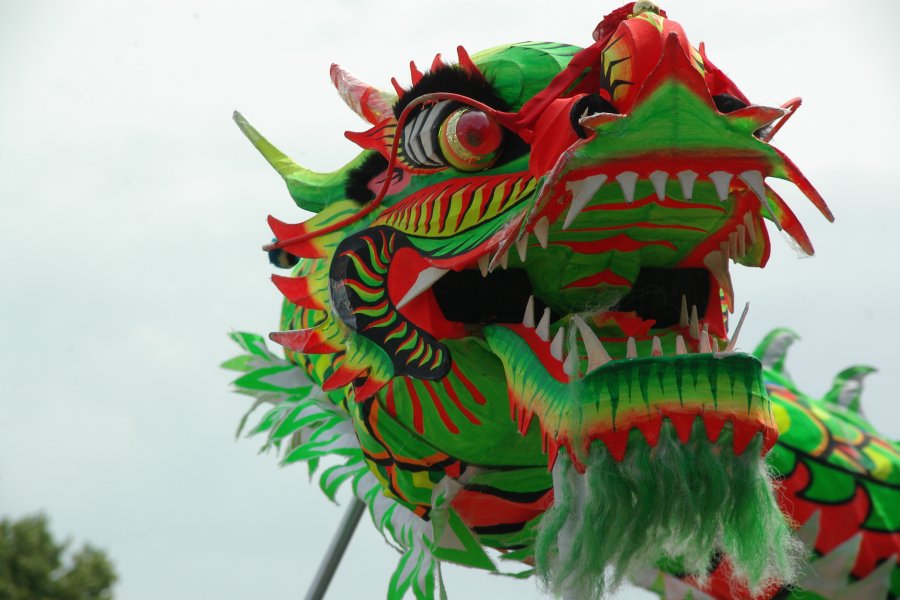 🇨🇳 China and 3 moreDragon dance舞龍 / 舞龙
A long dragon puppet on poles, danced by a team at Chinese New Year and other festivalsPerformance
🇨🇳 China and 3 moreDragon dance舞龍 / 舞龙
A long dragon puppet on poles, danced by a team at Chinese New Year and other festivalsPerformance
 🇺🇸 United States and 4 moreFriday the 13th
A Western folk superstition regarding the unluckiness of a Friday falling on the 13th.Folklore
🇵🇬 Trobriand Islands, Papua New GuineaTrobriand cricket
Cricket as played in the Trobriand Islands, with chants, dances and a feastGame
🇺🇸 United States and 4 moreFriday the 13th
A Western folk superstition regarding the unluckiness of a Friday falling on the 13th.Folklore
🇵🇬 Trobriand Islands, Papua New GuineaTrobriand cricket
Cricket as played in the Trobriand Islands, with chants, dances and a feastGame