Festivals and celebrationsEuropeSecular and civic
Meyboom
In its own language: Maâbuum
An annual Brussels parade and ceremonial tree planting held every August

The Meyboom is a centuries-old civic tradition in Brussels, Belgium, held every 9 August on the eve of Saint Lawrence's Day. Led by the Companions of St Lawrence, participants march a large beech tree through the city and erect it before five in the afternoon.
When is Meyboom kept?
Meyboom is kept every year on 9 August.
The Meyboom is a traditional folk procession and tree planting held every August in Brussels, Belgium. Rooted in medieval guild lore, the custom involves bringing a massive young beech into the city, presenting it at the main square, and planting it before five o'clock in the afternoon. Organised by the Companions of St Lawrence, the lively event celebrates local identity, community camaraderie, and a historic rivalry with the nearby city of Leuven.
Origins and legends
Folklore traces the celebration back to 1213, when a dispute erupted between Brussels and Leuven over beer taxation. Members of the St Lawrence guild defended Brussels residents during an ambush at a tavern wedding. In recognition of their courage, the Duke of Brabant granted them permission to erect a tree of joy symbolizing youth and fertility on the eve of their patron saint's feast day. Although historical records first explicitly mention the planting in 1579, tradition asserts that the privilege was first carried out in 1308. Other historical explanations suggest ties to regional political alliances or aristocratic weddings.
The day of the pageant
Preparations begin early on 9 August in the Ter Kamerenbos woods, where a beech weighing at least 600 kilograms is felled. Tree carriers known as Bûûmdroegers shoulder the trunk and carry it through several districts towards the city centre. They are joined by marching bands, puppet handlers carrying giant figures, cart pushers, and women handing out flowers and branches for good luck. In the afternoon, the parade stops at the Grand-Place to show the tree to civic authorities, before moving towards the corner of Rue des Sables and Rue du Marais.
The race against the clock
A strict deadline governs the final planting: the tree must stand firmly in its pit before five in the afternoon. According to tradition, missing this cutoff would grant victory to Leuven in their long-running municipal rivalry. Once the beech is erected, a climber ascends the trunk to fasten the national flag, while musicians play traditional melodies and the Belgian anthem. The tree remains in place overnight, and the successful completion of the ritual is marked by festivities across the neighbourhood until morning.
Rivalry and preservation
The friendly dispute with Leuven turned tangible in the twentieth century. In 1939 and again in 1974, groups from Leuven attempted to sabotage the custom by taking the designated tree. In 1974, Leuven participants successfully felled the chosen trunk overnight, prompting Brussels to quickly cut another; both cities have since claimed to plant the authentic Meyboom. The tradition persevered through wars and urban redevelopment, earning recognition from UNESCO as an intangible cultural heritage masterpiece.
How Meyboom is kept
On the morning of 9 August, guild members cut a leafy beech tree in the woods and carry it towards central Brussels. Accompanied by giant puppets, guards, brass musicians, and flower distributors, the procession visits several neighbourhoods before arriving at the Grand-Place in the early afternoon. After presenting the tree to city leaders, participants carry it to the intersection of Rue des Sables and Rue du Marais. Bearers must secure the tree into a special ground pit before five o'clock, raising the Belgian flag atop it to declare victory and initiate an all-night celebration.
When and where
The ceremony takes place each year on 9 August, which is the eve of the feast of Saint Lawrence. The timing of the procession follows a precise schedule throughout the day, strictly requiring the tree to be planted before five in the afternoon.
The festival unfolds in Brussels, Belgium. The procession travels from the Ter Kamerenbos through Saint-Josse-ten-Noode and Schaerbeek to the Grand-Place, concluding at the crossing of Rue des Sables and Rue du Marais in the historic lower town.
What Meyboom means
The Meyboom, translated as the tree of joy, represents vitality, youth, and renewal. Handing out small twigs and blossoms along the parade route is believed to bring fortune to local residents for the upcoming year. Erecting the tree also honours the ancient guild of Saint Lawrence and defends civic pride against the neighbouring town of Leuven.


Questions people ask about Meyboom
When is Meyboom kept?
Meyboom is kept every year on 9 August.
What is the Meyboom?
It is a historic annual ceremony in Brussels where a large beech tree is carried through the streets in a public parade and erected by late afternoon.
Why must the tree be planted before five in the afternoon?
According to local lore, missing the deadline forfeits the ancient planting privilege to the rival town of Leuven, which has historically competed to claim the real tree.
What happens to the tree after it is erected?
A bearer climbs the trunk to secure the Belgian flag while brass musicians perform. The tree stands in its designated pit overnight before being taken down the following day.
See also
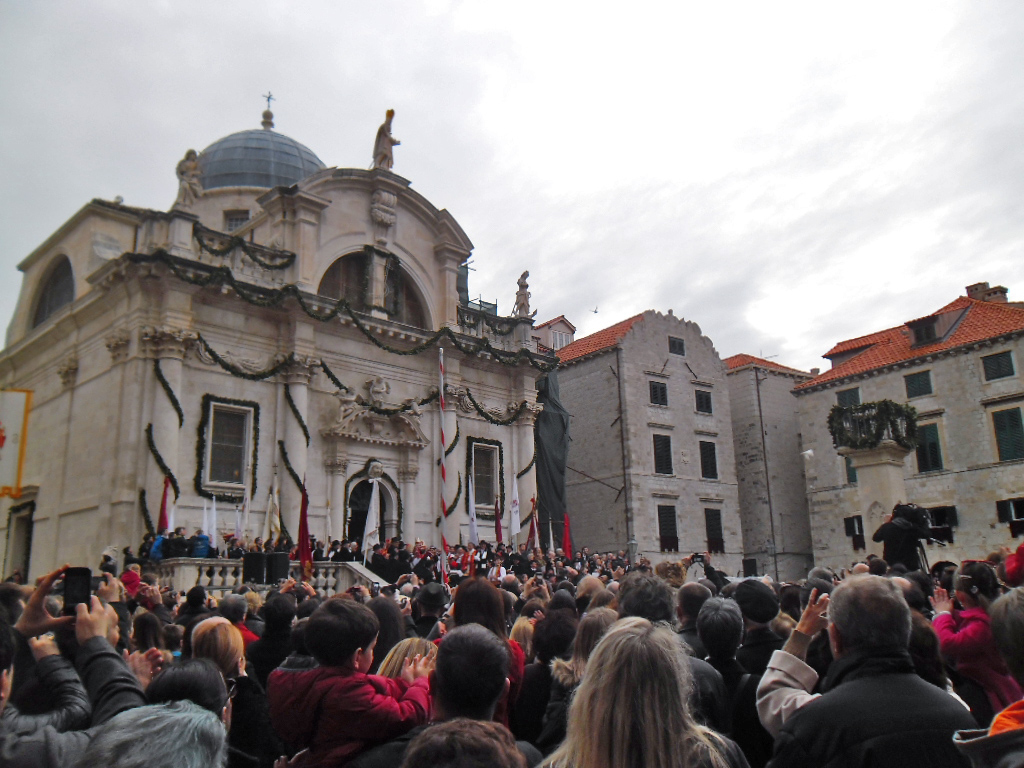 Festivity of Saint BlaiseAn annual patron saint festival in Dubrovnik with processions, relics and doves
 CandlemasA Christian feast of candle blessings marking the end of the Christmas season
 Mid-Autumn FestivalAn annual harvest festival celebrating family reunions, full moons and mooncakes
 Mardi GrasA festive day of parades and rich foods marking the final celebration before the Christian fasting season of Lent begins
Good reading and sources
- Processional giants and dragons in Belgium and FranceUNESCO, Heritage listing
- Processional giants and dragons in Belgium and FranceUNESCO, Article
- Meyboom on WikipediaEncyclopedia
- More photos on Wikimedia CommonsPhotos and video
- Wikidata recordOpen data
The facts on this page come from the Wikipedia article "Meyboom", written by its contributors and used under the CC BY-SA 4.0 licence, and from its Wikidata record (CC0). EveryParampara rewrote the text in its own words, with AI assistance, and compares every page with the article to make sure no passage is copied. It may be reused under the same CC BY-SA 4.0 licence with a link back.
It may contain mistakes. Traditions differ from one family, village and community to the next, and the people who keep them know them best. If something is wrong, tell us. Last refreshed 2026-10-04.
More from Belgium
All the traditions of Belgium
🇭🇷 Dubrovnik, Croatia and 1 moreFestivity of Saint BlaiseFesta Svetog Vlaha
An annual patron saint festival in Dubrovnik with processions, relics and dovesFestival
 🇧🇪 Binche, BelgiumGillesGille
Costumed carnival figures of Binche and surrounding Belgian townsFestival
🇧🇪 Binche, BelgiumGillesGille
Costumed carnival figures of Binche and surrounding Belgian townsFestival
 🇩🇪 Germany and 5 moreMaypole
A tall wooden pole, garlanded and danced around, raised at May Day, Whitsun or MidsummerFestival
🇩🇪 Germany and 5 moreMaypole
A tall wooden pole, garlanded and danced around, raised at May Day, Whitsun or MidsummerFestival
 🇧🇪 Mons, BelgiumDucasse de Mons
An eight-day festival in Mons featuring a golden carriage and a dragon combatFestival
🇧🇪 Mons, BelgiumDucasse de Mons
An eight-day festival in Mons featuring a golden carriage and a dragon combatFestival
The same idea elsewhere
Healing, luck and protection compared 🇮🇳 India and 4 moreWater lantern
Small lamps floated on water to honour the dead and ask for good fortuneFestival
🇮🇳 India and 4 moreWater lantern
Small lamps floated on water to honour the dead and ask for good fortuneFestival
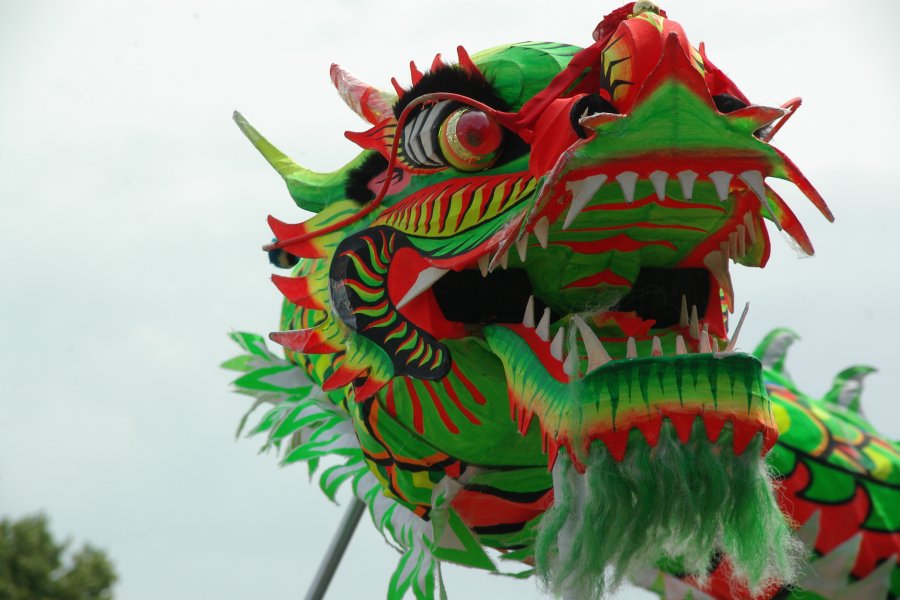 🇨🇳 China and 3 moreDragon dance舞龍 / 舞龙
A long dragon puppet on poles, danced by a team at Chinese New Year and other festivalsPerformance
🇨🇳 China and 3 moreDragon dance舞龍 / 舞龙
A long dragon puppet on poles, danced by a team at Chinese New Year and other festivalsPerformance
 🇺🇸 United States and 4 moreFriday the 13th
A Western folk superstition regarding the unluckiness of a Friday falling on the 13th.Folklore
🇵🇬 Trobriand Islands, Papua New GuineaTrobriand cricket
Cricket as played in the Trobriand Islands, with chants, dances and a feastGame
🇺🇸 United States and 4 moreFriday the 13th
A Western folk superstition regarding the unluckiness of a Friday falling on the 13th.Folklore
🇵🇬 Trobriand Islands, Papua New GuineaTrobriand cricket
Cricket as played in the Trobriand Islands, with chants, dances and a feastGame