Festivals and celebrationsEast AsiaShinto, Taoist and folk ChineseBuddhist
Gion Matsuri
In its own language: 祇園祭
A month-long Kyoto festival of grand floats, evening markets and purifying rituals

Gion Matsuri is a month-long Shinto festival held every July across central Kyoto, centered on Yasaka Shrine. Local neighbourhood associations build and pull towering wooden floats through the streets, carrying on a tradition originally established to ward off plagues and appease restless spirits.
When is Gion Matsuri in 2027?
Gion Matsuri 2027 runs from 17 July to 16 August 2027. Other years: 2026, 17 July to 16 August 2026; 2028, 17 July to 16 August 2028.
Gion Matsuri is an annual month-long celebration held every July in Kyoto, Japan. Rooted in the traditions of Yasaka Shrine, it began as a Shinto ritual to banish epidemics and calm vengeful spirits. Today, downtown neighbourhoods spend weeks assembling massive decorated floats, presenting family heirlooms, and escorting portable shrines through the city to renew sacred protections for the coming year.
Plagues and imperial origins
The ritual began in the year 869 during a devastating outbreak of disease in Kyoto. Believing the sickness was caused by angry spirits, Emperor Seiwa ordered special prayers to Gozu Tenno, the guardian deity of the shrine then known as Gion Temple. Sixty-six decorated halberds, representing each province of Japan, were raised at the imperial garden of Shinsen-en alongside sacred portable shrines. The rites were repeated during later outbreaks and grew into a fixed yearly custom around the year 1000. Despite halts during the Onin War in the fifteenth century, neighbourhood leaders and later figures like Oda Nobunaga helped sustain the tradition.
Building and pulling floats
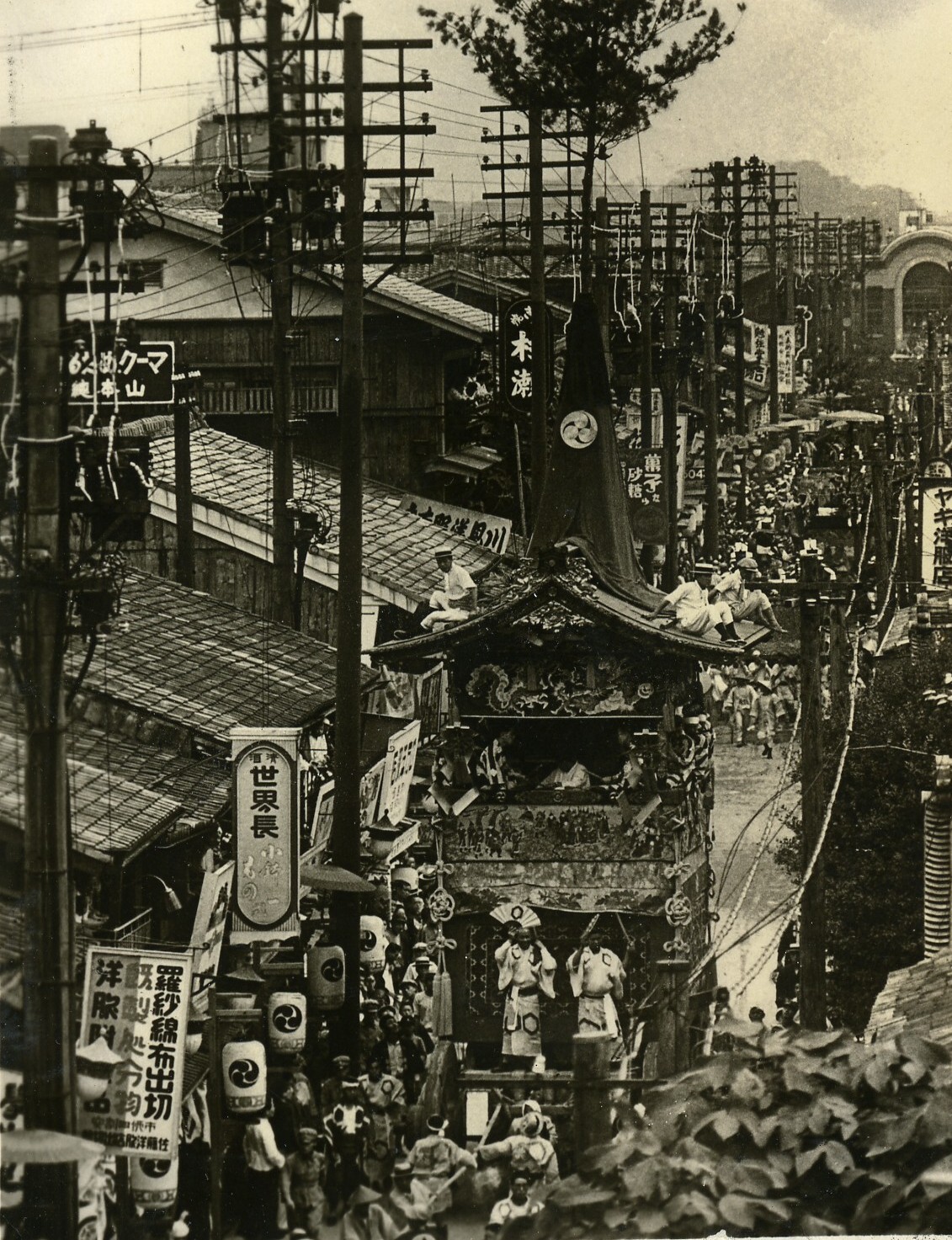
The highlight of the month is the Yamaboko Junko, two grand street processions held on July 17 and July 24. Floats come in two forms. The massive hoko floats weigh around twelve tons, stand twenty-seven metres tall, and recall the ancient purification halberds. Teams of dozens of people pull them with heavy ropes while musicians play flutes and drums on board. The smaller yama floats carry statues depicting kami, Buddhist figures, and cultural heroes. Local guilds decorate these structures with prized tapestries, including pieces woven in the historic Nishijin district as well as antique textiles gathered from across the world.
The evening celebrations
For three nights before each float procession, downtown streets close to vehicle traffic for the yoiyama evenings. Crowds wander among food vendors selling skewered chicken, fried octopus balls, and sweet treats. During these evenings, residents of historic houses near the float stations take part in the folding screen festival, opening their entrance halls so passersby can view private collections of screens and family heirlooms. Good luck charms are tossed to spectators from the floats, and children chosen for sacred roles take part in dedication ceremonies.
Purifying the neighbourhoods
Beyond the float parades, the festival revolves around the movements of Yasaka Shrine's resident deities. On the evening of July 17, hundreds of parishioners carry the spirits through the city inside portable shrines called mikoshi. These divine litters travel to a temporary residence in the city centre, blessing and purifying the surrounding districts as they pass. The deities remain there for one week until July 24, when bearers carry them back to Yasaka Shrine, stopping at the historic imperial garden where the first purification ceremonies occurred over a millennium ago.
How Gion Matsuri is kept
Throughout July, neighbourhood groups draw lots for parade order, assemble floats without nails, and conduct purification rites. Young boys selected as sacred pages undergo weeks of isolation and ceremonial cleansing before cutting a sacred rope to open the first procession. On July 17 and 24, teams pull the towering floats along downtown boulevards. Parishioners hoist portable shrines on their shoulders to escort the shrine deities across Kyoto, while residents open their front halls to display screens and street stalls feed evening crowds.
When and where
The festival takes place throughout the entire month of July each year. Major float processions happen on July 17 and July 24, preceded by three nights of street celebrations.
Gion Matsuri is celebrated in Kyoto, Japan. Events centre on Yasaka Shrine in the Gion quarter, downtown commercial districts, and the historic garden of Shinsen-en.
What Gion Matsuri means
The festival represents communal purification and defence against illness, natural disasters, and destructive spiritual forces. By parading halberd floats and carrying kami through the streets, residents cleanse their neighbourhoods and preserve harmony between the living city and the unseen world.


![Gion Matsuri: *description:Vending stalls lining the side streets. photographer: Chris Gladis photographer location:Kyoto, Japan flickr_url: [1]](https://thumb.wikimedia.org/wikipedia/commons/thumb/f/f7/Crafts_and_food2.jpg/500px-Crafts_and_food2.jpg)
Gion Matsuri dates: 2026, 2027, 2028
| Year | Gion Matsuri date |
|---|---|
| 2026 | 17 July to 16 August 2026 |
| 2027 | 17 July to 16 August 2027 |
| 2028 | 17 July to 16 August 2028 |
Questions people ask about Gion Matsuri
When is Gion Matsuri in 2027?
Gion Matsuri 2027 runs from 17 July to 16 August 2027. Other years: 2026, 17 July to 16 August 2026; 2028, 17 July to 16 August 2028.
What is Gion Matsuri?
It is a month-long Shinto festival in Kyoto, celebrated every July. Originally created to protect against plagues, it features massive wooden floats, evening street food markets, and the procession of sacred portable shrines from Yasaka Shrine.
What is the Folding Screen Festival?
During the pedestrian evenings known as yoiyama, local families living near float storehouses open their front entrances to the public. They display heirloom folding screens and traditional family treasures for visitors to admire.
What role does the sacred child play?
A young boy chosen from Kyoto merchant families acts as a divine page for the Naginata float. After weeks of ritual purification, he cuts a sacred rope with a sword to initiate the first float procession.
See also
 Children's DayA Japanese holiday on May fifth celebrating the happiness and growth of children
 KoinoboriCarp-shaped windsocks flown across Japan for Children's Day in spring
 Aoi MatsuriA classical Kyoto festival with an imperial procession and ancient shrine rituals
 JiaoziCrescent Chinese dumplings filled with meat or vegetables, eaten for fortune and feasts
Good reading and sources
- Gion Matsuri on WikipediaEncyclopedia
- More photos on Wikimedia CommonsPhotos and video
- Wikidata recordOpen data
The facts on this page come from the Wikipedia article "Gion Matsuri", written by its contributors and used under the CC BY-SA 4.0 licence, and from its Wikidata record (CC0). EveryParampara rewrote the text in its own words, with AI assistance, and compares every page with the article to make sure no passage is copied. It may be reused under the same CC BY-SA 4.0 licence with a link back.
It may contain mistakes. Traditions differ from one family, village and community to the next, and the people who keep them know them best. If something is wrong, tell us. Last refreshed 2026-10-04.
More from Japan
All the traditions of Japan 🇮🇳 India and 4 moreWater lantern
Small lamps floated on water to honour the dead and ask for good fortuneFestival
🇯🇵 JapanChildren's Dayこどもの日
A Japanese holiday on May fifth celebrating the happiness and growth of childrenFestival
🇯🇵 Kyoto, JapanAoi Matsuri葵祭
A classical Kyoto festival with an imperial procession and ancient shrine ritualsFestival
🇯🇵 Tokyo, JapanKoinobori鯉のぼり
Carp-shaped windsocks flown across Japan for Children's Day in springFestival
🇮🇳 India and 4 moreWater lantern
Small lamps floated on water to honour the dead and ask for good fortuneFestival
🇯🇵 JapanChildren's Dayこどもの日
A Japanese holiday on May fifth celebrating the happiness and growth of childrenFestival
🇯🇵 Kyoto, JapanAoi Matsuri葵祭
A classical Kyoto festival with an imperial procession and ancient shrine ritualsFestival
🇯🇵 Tokyo, JapanKoinobori鯉のぼり
Carp-shaped windsocks flown across Japan for Children's Day in springFestival
The same idea elsewhere
Healing, luck and protection compared 🇩🇪 Germany and 5 moreChristmas tree
A decorated evergreen or artificial tree placed indoors to mark the Christmas season.Festival
🇩🇪 Germany and 5 moreChristmas tree
A decorated evergreen or artificial tree placed indoors to mark the Christmas season.Festival
 🇫🇷 France and 5 moreCandlemas
A Christian feast of candle blessings marking the end of the Christmas seasonSpiritual
🇫🇷 France and 5 moreCandlemas
A Christian feast of candle blessings marking the end of the Christmas seasonSpiritual
 🇮🇪 Ireland and 2 moreJack-o'-lantern
A carved pumpkin lantern lit with a candle to brighten and protect Halloween nightsFolklore
🇮🇪 Ireland and 2 moreJack-o'-lantern
A carved pumpkin lantern lit with a candle to brighten and protect Halloween nightsFolklore
 🇺🇸 United States and 4 moreFriday the 13th
A Western folk superstition regarding the unluckiness of a Friday falling on the 13th.Folklore
🇺🇸 United States and 4 moreFriday the 13th
A Western folk superstition regarding the unluckiness of a Friday falling on the 13th.Folklore