Festivals and celebrationsEast AsiaSecular and civic
Children's Day
In its own language: こどもの日
A Japanese holiday on May fifth celebrating the happiness and growth of children

Children's Day is a Japanese public holiday held on May 5 at the close of Golden Week. Families mark the occasion by flying carp streamers, displaying warrior helmets, and sharing traditional rice sweets to honour their sons and daughters.
When is Children's Day marked?
Children's Day is kept as part of Children's Day in Japan, which is on Wednesday, 5 May 2027.
Children's Day, known in Japan as Kodomo no hi, takes place every year on May 5. As the concluding holiday of Golden Week, it honors the unique character of young people while wishing for their well-being and family harmony. Originally an ancient festival known as Tango no Sekku, modern celebrations combine centuries of warrior customs with colorful outdoor banners and seasonal sweets.
From ancient rites to modern holiday
The festival traces back to Tango no Sekku, an ancient court ceremony observed on the fifth day of the fifth lunar month. Early customs involved women thatching roofs with wild iris leaves to drive away harmful spirits and take physical rest. As military rulers gained power in the Kamakura era, the occasion became focused on boys. The Japanese word for iris shared its pronunciation with a term meaning devotion to martial values, while the plant's long blades mirrored swords. In 1948, the Japanese government re-established the date as a public holiday celebrating both boys and girls alongside their parents.
Carp windsocks and warrior displays
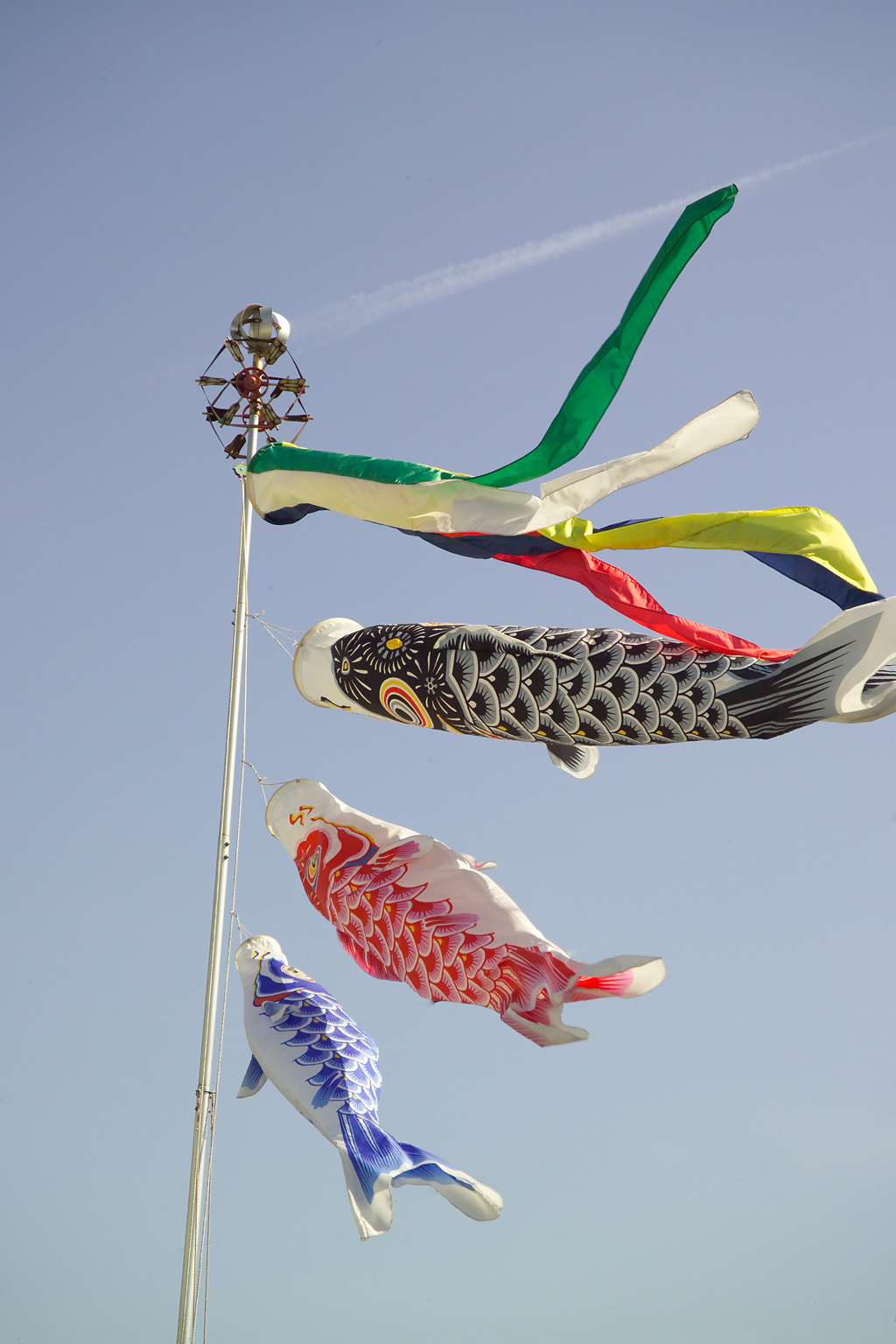
Families celebrate by raising large fabric fish streamers called koinobori outside their houses. Drawing on a legend where a persevering carp travels upriver to transform into a dragon, these windsocks feature a black fish for the father, a red or pink fish for the mother, and additional colored fish for each child. Indoors, households set up Gogatsu Ningyo, which are ornamental sets containing miniature warrior armor or helmets. These tiered arrangements often include miniature long swords, bows, war fans, and samurai hats, placed inside the home to watch over the children and wish them resilience.
Purification and festive sweets
The wild iris, known locally as shōbu, features in many domestic traditions on this day. People float iris leaves in hot bathwater, steep sliced roots in sake, or tuck wrapped leaves under their pillows at night to encourage protection. Special foods mark the celebration as well. Families enjoy chimaki, which consists of sweet glutinous rice wrapped in bamboo or iris foliage. They also prepare kashiwa mochi, a steamed rice pastry containing sweet bean paste wrapped in an oak leaf. The oak leaf symbolizes lasting family lines, as older leaves remain attached to branches until fresh leaves develop.
How Children's Day is kept
Families mark the day at home and in their neighbourhoods. Outdoors, households hoist carp banners on tall poles, arranging different colors to represent each parent and child. Inside, families set up displays of miniature samurai helmets, armor, or historic folk hero figures on tiered shelves. People prepare hot iris baths for bathing, slice iris leaves into evening sake, and wrap bundles of festive rice sweets. Household members gather to share chimaki wrapped in bamboo leaves along with bean-filled rice treats folded inside oak foliage.
When and where
The holiday is observed annually on May 5. Originally celebrated on the fifth day of the fifth lunar moon during the imperial court era, the date moved to May 5 after Japan adopted the Gregorian calendar. It serves as the final national holiday of Golden Week.
Children's Day is observed throughout Japan as an official nationwide public holiday. Families celebrate the occasion in private homes, residential yards, and local communities across the country, where carp streamers fly above rooftops and rivers.
What Children's Day means
The carp windsock draws from an old legend of a carp swimming upstream to become a dragon, symbolizing courage, resilience, and success. Miniature warrior armor and helmets reflect wishes for health, physical strength, and safety from harm. Oak leaves enclosing festival rice treats stand for the prosperity and continuation of future generations, since mature leaves remain on branches until new growth appears. Iris leaves, resembling swords, represent protection from evil spirits.
On the table
- Kashiwa mochi
- Chimaki
- Iris sake


Days Children's Day is marked
Questions people ask about Children's Day
When is Children's Day marked?
Children's Day is kept as part of Children's Day in Japan, which is on Wednesday, 5 May 2027.
What is Children's Day in Japan?
It is an annual Japanese national holiday held on May 5 to celebrate the happiness, distinct character, and healthy growth of children, while recognizing fathers, mothers, and family unity.
How did the holiday evolve over time?
The observance began in ancient times as Tango no Sekku, a court purification ritual. It later turned into a day honoring young boys during the samurai era, before Japan designated it as a holiday for all children in 1948.
What do the flying carp banners represent?
The streamers, called koinobori, represent family members swimming like fish. Based on a story where a carp scales a stream to become a dragon, they express hopes that children will grow strong and overcome life's obstacles.
What traditional foods are eaten on this day?
People traditionally eat chimaki, which is sweet sticky rice wrapped in bamboo or iris foliage, and kashiwa mochi, a rice treat containing sweet bean paste wrapped inside an oak leaf.
See also
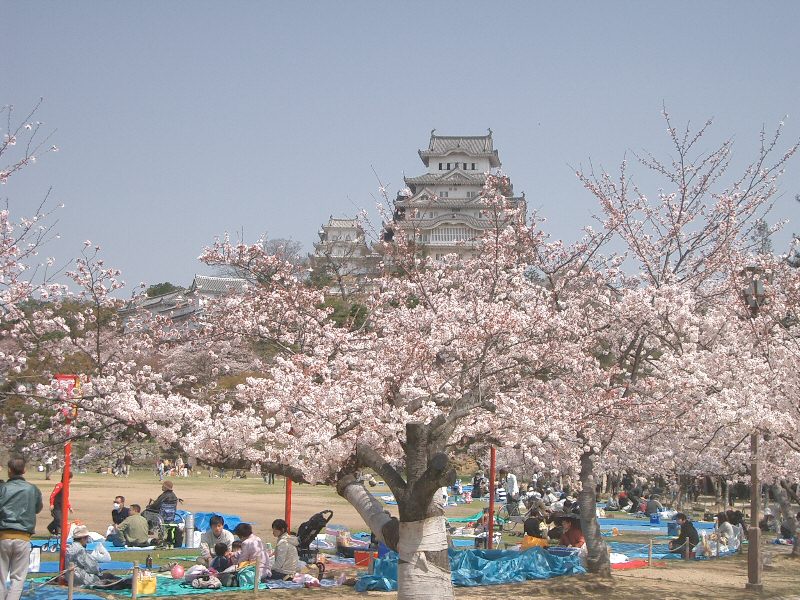 HanamiA Japanese spring custom of gathering under blooming cherry trees to eat, drink, and celebrate the fleeting beauty of th
 JiaoziCrescent Chinese dumplings filled with meat or vegetables, eaten for fortune and feasts
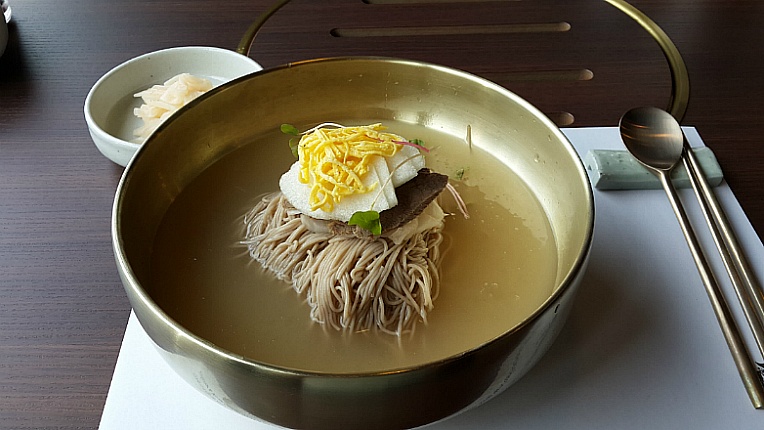 NaengmyeonLong buckwheat noodles in icy broth, born in North Korea and eaten most in summer
 Double Ninth FestivalAn autumn festival of mountain walks, chrysanthemum wine and ancestor remembrance
Good reading and sources
The facts on this page come from the Wikipedia article "Children's Day (Japan)", written by its contributors and used under the CC BY-SA 4.0 licence, and from its Wikidata record (CC0). EveryParampara rewrote the text in its own words, with AI assistance, and compares every page with the article to make sure no passage is copied. It may be reused under the same CC BY-SA 4.0 licence with a link back.
It may contain mistakes. Traditions differ from one family, village and community to the next, and the people who keep them know them best. If something is wrong, tell us. Last refreshed 2026-10-04.
More from Japan
All the traditions of Japan 🇮🇳 India and 4 moreWater lantern
Small lamps floated on water to honour the dead and ask for good fortuneFestival
🇯🇵 Kyoto, Japan and 4 moreHanami花見
A Japanese spring custom of gathering under blooming cherry trees to eat, drink, and celebrate the fleeting beauty of thFestival · Lunch
🇮🇳 India and 4 moreWater lantern
Small lamps floated on water to honour the dead and ask for good fortuneFestival
🇯🇵 Kyoto, Japan and 4 moreHanami花見
A Japanese spring custom of gathering under blooming cherry trees to eat, drink, and celebrate the fleeting beauty of thFestival · Lunch
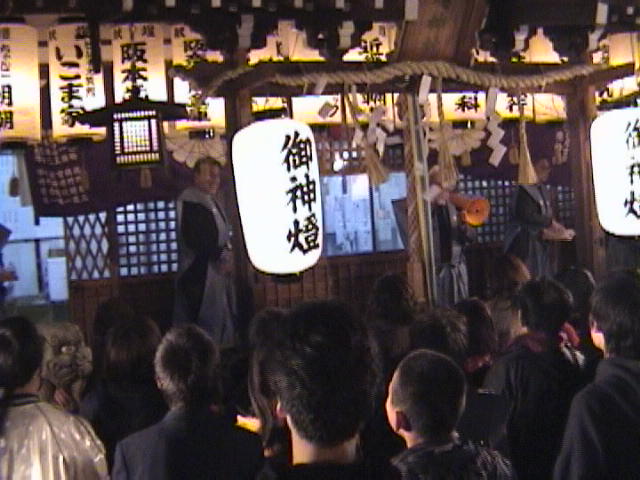 🇯🇵 Tokyo, JapanSetsubun節分
A Japanese ritual of throwing roasted soybeans to banish evil spirits and welcome spring.Festival · Feasts and festival meals
🇯🇵 Tokyo, JapanSetsubun節分
A Japanese ritual of throwing roasted soybeans to banish evil spirits and welcome spring.Festival · Feasts and festival meals
 🇯🇵 Kyoto, JapanAoi Matsuri葵祭
A classical Kyoto festival with an imperial procession and ancient shrine ritualsFestival
🇯🇵 Kyoto, JapanAoi Matsuri葵祭
A classical Kyoto festival with an imperial procession and ancient shrine ritualsFestival
The same idea elsewhere
Spring and renewal compared 🇫🇷 France and 5 moreCandlemas
A Christian feast of candle blessings marking the end of the Christmas seasonSpiritual
🇫🇷 France and 5 moreCandlemas
A Christian feast of candle blessings marking the end of the Christmas seasonSpiritual
 🇮🇪 Ireland and 1 moreImbolcLá Fhéile Bríde
A Gaelic festival heralding spring and honoring Saint Brigid with woven rush crossesSeasonal · Feasts and festival meals
🇮🇪 Ireland and 1 moreImbolcLá Fhéile Bríde
A Gaelic festival heralding spring and honoring Saint Brigid with woven rush crossesSeasonal · Feasts and festival meals
 🇷🇴 Romania and 3 moreCălușariCălușarii
An acrobatic Romanian spring dance and ritual brotherhood tied to folklore and healingPerformance
🇷🇴 Romania and 3 moreCălușariCălușarii
An acrobatic Romanian spring dance and ritual brotherhood tied to folklore and healingPerformance
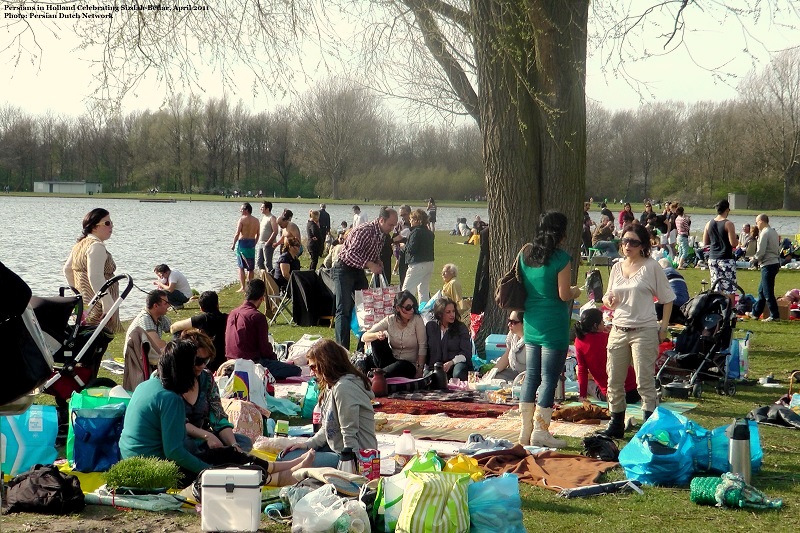 🇮🇷 Iran and 4 moreSizdah Bedarسیزدهبدر
An open-air picnic holiday concluding the Iranian New Year celebrationsFestival
🇮🇷 Iran and 4 moreSizdah Bedarسیزدهبدر
An open-air picnic holiday concluding the Iranian New Year celebrationsFestival