Festivals and celebrationsEast Asia
Koinobori
In its own language: 鯉のぼり
Carp-shaped windsocks flown across Japan for Children's Day in spring

Koinobori are carp-shaped windsocks flown outside homes across Japan each spring to mark Children's Day. Families raise them from tall poles to wish health, strength, and courage for their children, drawing on ancient tales of carp leaping upstream.
When is Koinobori marked?
Koinobori is kept as part of Children's Day in Japan, which is on Wednesday, 5 May 2027.
Koinobori are colourful carp windsocks flown outside Japanese homes from April into early May. Raised to celebrate Children's Day, also known as Tango no sekku, these fluttering banners express hopes for the good health, strength, and future success of young people. Their design recalls an old legend of a determined carp that swam up a rushing waterfall to transform into a dragon.
Structure of the pole
A complete display sits on a tall pole topped by a pair of arrow-spoked wheels called yaguruma and a spinning sphere. Just beneath hangs a windsock, which either carries family crests or displays five colours drawn from ancient Chinese philosophy. Beneath the windsock, carp streamers flutter in the breeze. The highest and largest streamer is black, representing the father. Next comes a red or pink carp for the mother, followed by smaller fish in various bright shades, arranged from oldest to youngest child. In earlier times, red represented the eldest son, with other hues added for younger brothers.
Samurai origins and evolution
The practice began in the eighteenth century during the Edo period. Samurai households placed military banners and windsocks marked with family crests in their gardens during the seasonal festival of Tango no sekku. Over time, craftspeople in the city of Edo combined these flags into carp shapes. By the Meiji era, bright, colourful versions spread to the wider public. Originally a festival exclusively for boys, the holiday was renamed Children's Day in 1948 to celebrate daughters as well. While many households now fly streamers for every child, some families continue the older habit of raising them only for sons.
Festive customs and foods
Flying windsocks is part of a broader set of customs marking Children's Day at the conclusion of Golden Week. Inside houses, families display miniature samurai armor, protective helmets called kabuto, and warrior dolls. People take baths infused with iris leaves and prepare seasonal treats, such as sweet kashiwa mochi wrapped inside oak leaves and sake steeped with iris root. In certain areas, young boys crawl through hollow fabric streamers to receive good fortune. Throughout the holiday, children express gratitude to their parents, relatives, and teachers, and young voices frequently sing a well-known 1932 song dedicated to the swimming carp.
Materials and giant banners
Traditional streamers were painted by hand onto paper or cloth. While handmade paper and fine silk versions remain available at higher prices, modern streamers are usually sewn from synthetic fabrics that resist rain and strong winds. Sizes vary enormously, from tiny ornaments measuring just a few centimetres to giant versions several metres across. The city of Kazo in Saitama prefecture became famous for its craft when local makers produced a massive streamer in 1988. That colossal carp measured one hundred metres in length and weighed three hundred and fifty kilograms, requiring immense effort to lift into the air.
How Koinobori is kept
Across Japan, families hoist strings of carp streamers above rooftops, balconies, and open fields between April and early May. Household sets are assembled with spinning wheels at the peak, a streaming windsock underneath, and a descending row of fish representing each family member. Children take part in holiday events, bathe in iris-scented water, enjoy oak-leaf rice cakes, and thank their elders. In some communities, youngsters crawl through huge banners for good fortune.
When and where
Banners fly outdoors throughout April and early May. The celebrations centre on May 5, which marks the national holiday of Children's Day at the end of the annual Golden Week holiday period.
Koinobori are flown throughout Japan, outside private homes, along riverbanks, and across public parks, with notable displays in historic craft centres like Kazo in Saitama prefecture.
What Koinobori means
The carp stands for resilience, courage, and perseverance because of its power to swim against swift river currents. This imagery draws on a Chinese legend where a golden fish overcame a rushing waterfall to turn into a dragon. Flying these banners expresses a household's hope that their children will grow up vigorous, brave, and healthy.
On the table
- Kashiwa mochi
- Shōbu-sake


Days Koinobori is marked
Questions people ask about Koinobori
When is Koinobori marked?
Koinobori is kept as part of Children's Day in Japan, which is on Wednesday, 5 May 2027.
What is a koinobori?
A koinobori is a carp-shaped windsock made from cloth, paper, or synthetic fabric. Japanese households fly these banners outdoors to celebrate Children's Day and wish strength and health for their sons and daughters.
What do the different colours of carp mean?
In a modern set, the top black carp represents the father, the red or pink carp represents the mother, and each subsequent smaller fish in blue, green, or other colours represents a child.
What traditional foods are eaten on Children's Day?
Families commonly eat kashiwa mochi, which are sticky rice cakes wrapped in oak leaves, and adults may drink shōbu-sake, an alcoholic beverage infused with iris leaves and roots.
See also
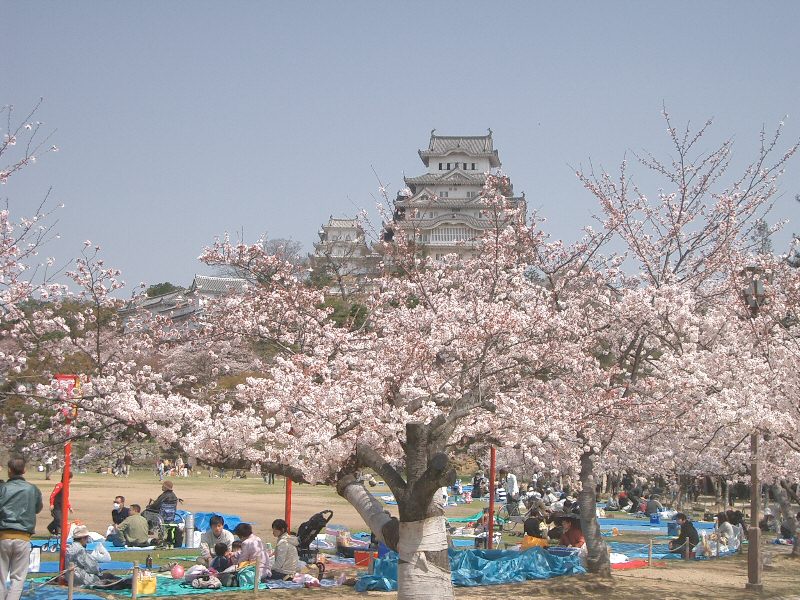 HanamiA Japanese spring custom of gathering under blooming cherry trees to eat, drink, and celebrate the fleeting beauty of th
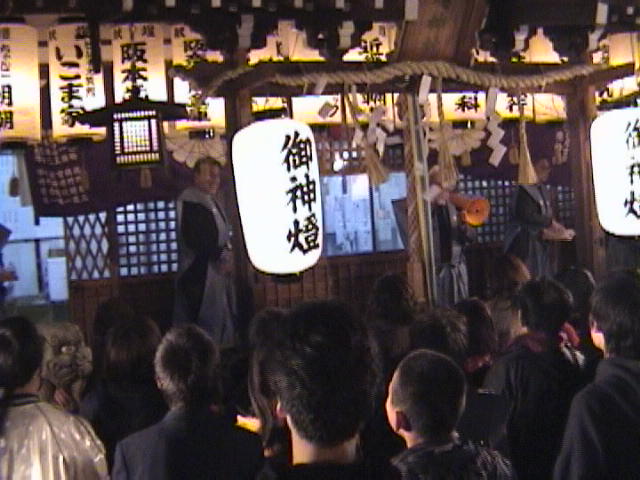 SetsubunA Japanese ritual of throwing roasted soybeans to banish evil spirits and welcome spring.
 Children's DayA Japanese holiday on May fifth celebrating the happiness and growth of children
 Aoi MatsuriA classical Kyoto festival with an imperial procession and ancient shrine rituals
Good reading and sources
- Koinobori on WikipediaEncyclopedia
- More photos on Wikimedia CommonsPhotos and video
- Wikidata recordOpen data
The facts on this page come from the Wikipedia article "Koinobori", written by its contributors and used under the CC BY-SA 4.0 licence, and from its Wikidata record (CC0). EveryParampara rewrote the text in its own words, with AI assistance, and compares every page with the article to make sure no passage is copied. It may be reused under the same CC BY-SA 4.0 licence with a link back.
It may contain mistakes. Traditions differ from one family, village and community to the next, and the people who keep them know them best. If something is wrong, tell us. Last refreshed 2026-10-04.
More from Japan
All the traditions of Japan 🇮🇳 India and 4 moreWater lantern
Small lamps floated on water to honour the dead and ask for good fortuneFestival
🇯🇵 Kyoto, Japan and 4 moreHanami花見
A Japanese spring custom of gathering under blooming cherry trees to eat, drink, and celebrate the fleeting beauty of thFestival · Lunch
🇯🇵 JapanChildren's Dayこどもの日
A Japanese holiday on May fifth celebrating the happiness and growth of childrenFestival
🇯🇵 Tokyo, JapanSetsubun節分
A Japanese ritual of throwing roasted soybeans to banish evil spirits and welcome spring.Festival · Feasts and festival meals
🇮🇳 India and 4 moreWater lantern
Small lamps floated on water to honour the dead and ask for good fortuneFestival
🇯🇵 Kyoto, Japan and 4 moreHanami花見
A Japanese spring custom of gathering under blooming cherry trees to eat, drink, and celebrate the fleeting beauty of thFestival · Lunch
🇯🇵 JapanChildren's Dayこどもの日
A Japanese holiday on May fifth celebrating the happiness and growth of childrenFestival
🇯🇵 Tokyo, JapanSetsubun節分
A Japanese ritual of throwing roasted soybeans to banish evil spirits and welcome spring.Festival · Feasts and festival meals
The same idea elsewhere
Spring and renewal compared 🇫🇷 France and 5 moreCandlemas
A Christian feast of candle blessings marking the end of the Christmas seasonSpiritual
🇫🇷 France and 5 moreCandlemas
A Christian feast of candle blessings marking the end of the Christmas seasonSpiritual
 🇮🇪 Ireland and 1 moreImbolcLá Fhéile Bríde
A Gaelic festival heralding spring and honoring Saint Brigid with woven rush crossesSeasonal · Feasts and festival meals
🇮🇪 Ireland and 1 moreImbolcLá Fhéile Bríde
A Gaelic festival heralding spring and honoring Saint Brigid with woven rush crossesSeasonal · Feasts and festival meals
 🇷🇴 Romania and 3 moreCălușariCălușarii
An acrobatic Romanian spring dance and ritual brotherhood tied to folklore and healingPerformance
🇷🇴 Romania and 3 moreCălușariCălușarii
An acrobatic Romanian spring dance and ritual brotherhood tied to folklore and healingPerformance
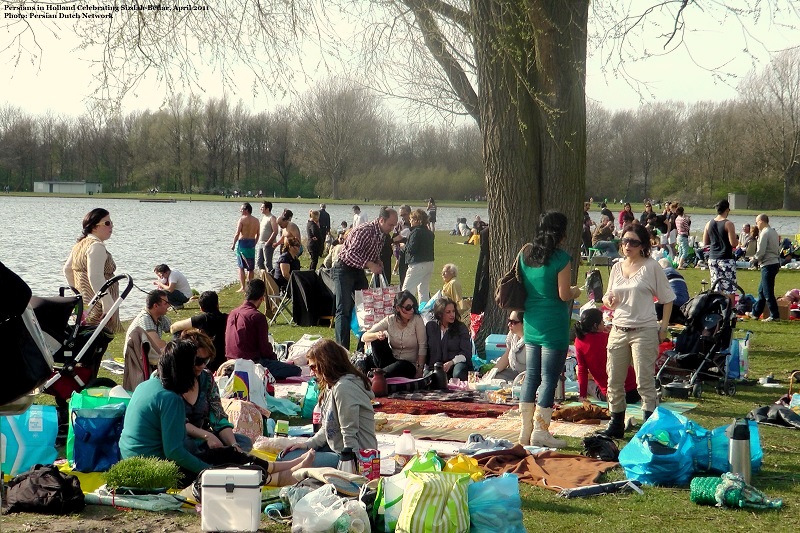 🇮🇷 Iran and 4 moreSizdah Bedarسیزدهبدر
An open-air picnic holiday concluding the Iranian New Year celebrationsFestival
🇮🇷 Iran and 4 moreSizdah Bedarسیزدهبدر
An open-air picnic holiday concluding the Iranian New Year celebrationsFestival