Life-cycle ritesEuropeChristian
Globe de mariée
A glass bell jar used in France to display a bride's bouquet or crown, later holding family memories.

The globe de mariée is a decorative glass case from France that once held a bride's wedding flowers or wax orange blossom crown. Made popular between the mid-nineteenth and early twentieth centuries, these objects often evolved into personal archives for families, preserving photographs and mementos of significant life events.
When is Globe de mariée kept?
Globe de mariée is kept on wedding day, then kept for decades.
This French tradition features a glass dome designed to protect and showcase a bride's bouquet or wax floral crown on her wedding day. Originating around 1850, the object served as a symbol of feminine virtue before evolving into a cherished family heirloom that preserved photographs and other personal mementos over many years.
Origins and history
These glass cases first appeared around 1850 and became widely popular in France during the 1890s. Their use peaked between the 1890s and the 1920s before declining due to social changes brought by the First World War. Manufacturers were primarily based in Paris, but couples across various regions and even other European nations owned them. The practice faded as traditional gender roles shifted, though some families continued to value the objects.
Construction and materials
A typical globe consists of an oval glass bell jar resting on a wooden base. Inside, a velvet cushion, often red, supports the bride's items. The interior is highly personalized with decorations made from wax, paper, glass mirrors, and gilded metals like brass. These elements carry strong symbolic meaning related to the bride's status. Intimate feminine items such as a communion purse, a scapular, or a chastity ring were sometimes included alongside the flowers.
Evolution into a family archive
While initially called a bridal globe, the term globe de mariage applies when the object becomes a small museum of family history. Over time, it houses memories of rites of passage and significant events. Families added family photographs, records of births or deaths, and military rewards inside the glass case. This transformation turned a single-use wedding item into a living object that preserved generations of personal history within its protective shell.
How Globe de mariée is kept
On the wedding day, the bride places her bouquet or wax orange blossom crown inside the glass dome. The dome rests on a decorated base with a velvet cushion. After the ceremony, the object is kept in the home. Over subsequent years, family members add photographs, documents, and other mementos of important life events inside the glass case, transforming it into a personal archive.
When and where
It was commonly used from the mid-nineteenth century until the early twentieth century, peaking between the 1890s and 1920s.
Manufacturers were mainly located in Paris. Couples from many regions of France and other European countries owned these objects.
What Globe de mariée means
The original design intended the globe to witness the bride's purity and virtue. It reflected societal expectations and norms for women during that period. The inclusion of religious items and intimate accessories reinforced these values. Later, the symbolism shifted toward preserving family heritage and honoring significant life milestones.

Questions people ask about Globe de mariée
When is Globe de mariée kept?
Globe de mariée is kept on wedding day, then kept for decades.
Where is Globe de mariée kept?
Globe de mariée belongs to the traditions of France, and is tied most closely to Paris.
See also
 BridesmaidThe companions and attendants who support a bride during a wedding
 Las arrasThirteen gold coins, blessed at a wedding and given by the groom to the brideTelling the beesA Western European custom of informing honeybees about major household events like deaths and weddings.
Good reading and sources
- Globe de mariée on WikipediaEncyclopedia
- More photos on Wikimedia CommonsPhotos and video
- Wikidata recordOpen data
The facts on this page come from the Wikipedia article "Globe de mariée", written by its contributors and used under the CC BY-SA 4.0 licence, and from its Wikidata record (CC0). EveryParampara rewrote the text in its own words, with AI assistance, and compares every page with the article to make sure no passage is copied. It may be reused under the same CC BY-SA 4.0 licence with a link back.
It may contain mistakes. Traditions differ from one family, village and community to the next, and the people who keep them know them best. If something is wrong, tell us. Last refreshed 2026-10-13.
More from France
All the traditions of France
🇪🇸 Spain and 2 moreLas arras
Thirteen gold coins, blessed at a wedding and given by the groom to the brideRite of passage
🇺🇸 New York, United States and 5 moreBundling
A traditional courtship practice where a couple shares a bed under supervision to ensure compatibility and accountabilitRite of passage
🇬🇧 United Kingdom and 5 moreBridesmaid
The companions and attendants who support a bride during a weddingRite of passage
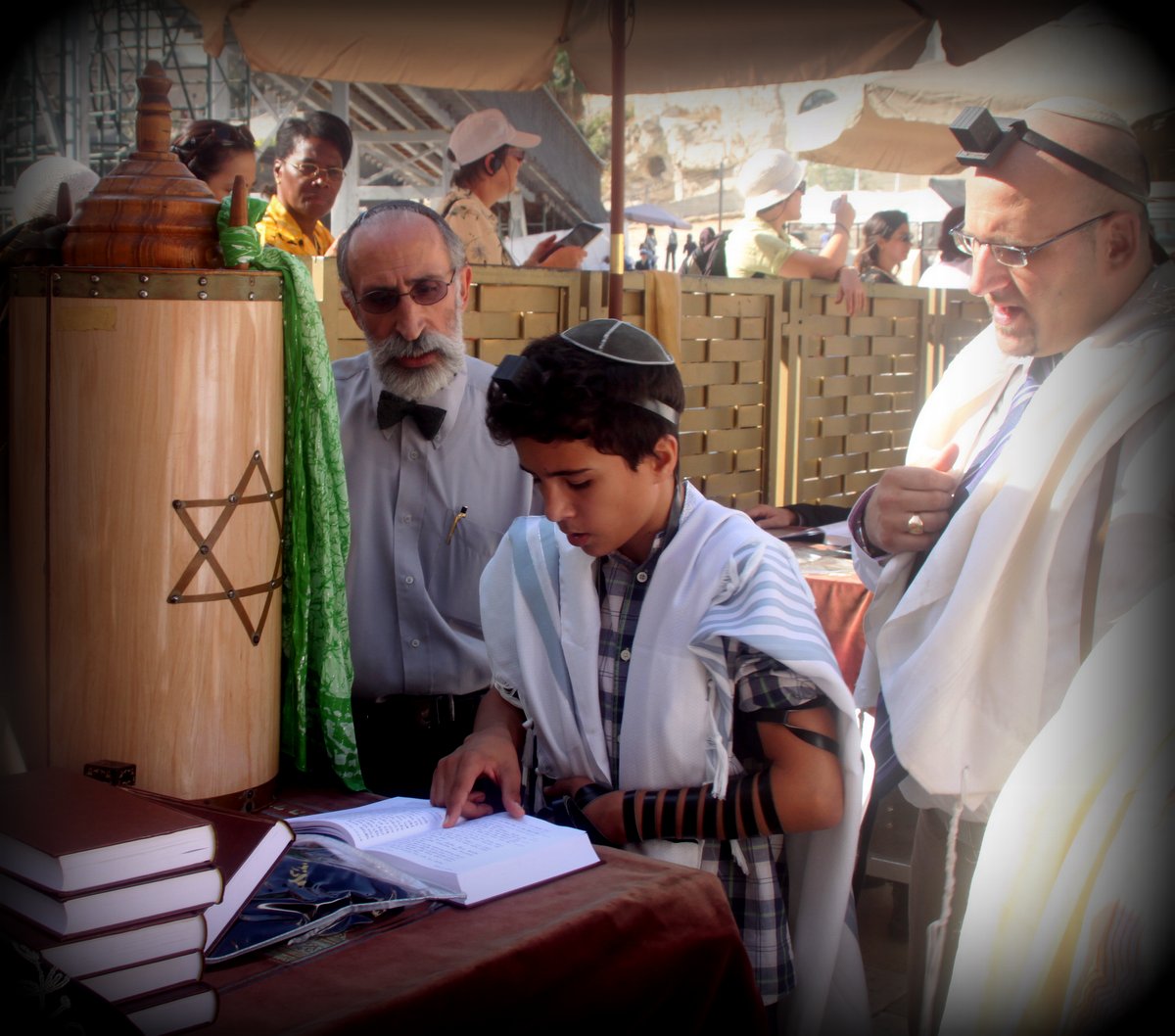 🇮🇱 Jerusalem, Israel and 5 moreBar and bat mitzvahבַּר מִצְוָה / בַּת מִצְוָה
A Jewish rite of passage marking when youth reach adulthood and take responsibility for their own actions.Rite of passage · Feasts and festival meals
🇮🇱 Jerusalem, Israel and 5 moreBar and bat mitzvahבַּר מִצְוָה / בַּת מִצְוָה
A Jewish rite of passage marking when youth reach adulthood and take responsibility for their own actions.Rite of passage · Feasts and festival meals
The same idea elsewhere
Weddings compared 🇫🇯 FijiTabua
A polished sperm whale tooth traded as a sacred gift in Fijian ceremonies and negotiations.Ceremony
🇫🇯 FijiTabua
A polished sperm whale tooth traded as a sacred gift in Fijian ceremonies and negotiations.Ceremony
 🇼🇸 Samoa and 1 moreʻIe tōga
Precious woven mats exchanged in Samoan ceremonies to honor family ties and chiefly status.Dress
🇼🇸 Samoa and 1 moreʻIe tōga
Precious woven mats exchanged in Samoan ceremonies to honor family ties and chiefly status.Dress
 🇮🇩 Indonesia and 2 moreKenduri
A communal prayer meal and gathering shared across Indonesia, Malaysia and BruneiSpiritual · Feasts and festival meals
🇮🇩 Indonesia and 2 moreKenduri
A communal prayer meal and gathering shared across Indonesia, Malaysia and BruneiSpiritual · Feasts and festival meals
 🇮🇳 IndiaWarli painting
Sacred white rice paste murals made on red clay walls in western IndiaCraft
🇮🇳 IndiaWarli painting
Sacred white rice paste murals made on red clay walls in western IndiaCraft