Life-cycle ritesEuropeChristian
Las arras
Thirteen gold coins, blessed at a wedding and given by the groom to the bride
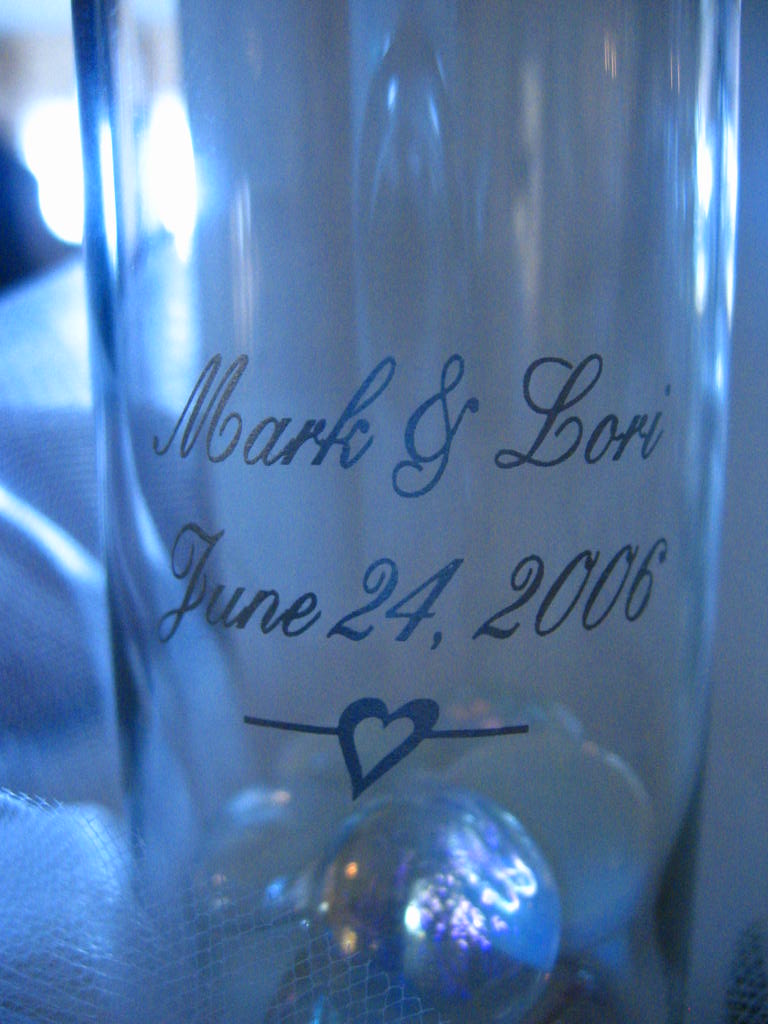
Las arras, also called las arras matrimoniales, are thirteen gold coins used at Christian weddings in Spain, Latin America and the Philippines; English speakers know them as arrhae, wedding tokens or unity coins. A priest blesses the coins, the groom hands them to his bride, and the couple keep them as a sign of the promise between them.
When is Las arras kept?
Las arras is kept at the wedding ceremony, after the priest blesses the coins.
Las arras are coins exchanged at Christian weddings in Spain, Latin America and the Philippines. Thirteen gold pieces, blessed by a priest, pass from the groom to the bride. The couple keep them as a sign of his promise to provide and her trust in him. Families with Hispanic roots carry the custom to other countries too, under different names and in their own ways.
What it is
Las arras, or las arras matrimoniales, are a set of thirteen gold coins used at Christian weddings in Spain, Latin America and the Philippines. In English they are also called arrhae, wedding tokens or unity coins. In Spain and Latin America the coins arrive in a decorated box or chest, while in the Philippines they come in a decorated basket or pouch. A priest blesses them before the groom presents them to the bride. Families of Hispanic descent in other countries keep the practice too, often under their own names and with local variations.
Origins and history
Where the coins began is disputed. An Introductory Dictionary of Theology and Religious Studies traces them to Visigothic law, where gold rings and coins played a part. Sex and Society says the practice grew out of Frankish marriage ceremonies. Coins also appeared at Roman weddings, where a piece of gold or silver was split into two equal halves as a promise between two people. Reynolds and Witte record that Franks gave thirteen pennies while Spaniards gave coins or a marriage gift, and they suggest the two habits met in the eleventh century. The Spanish word arras can mean earnest money, a bride price or bride wealth. In law, it also names a payment that shows earnest intent.
What the coins mean
Thirteen is the usual number, and two readings are offered for it. One counts twelve months and adds a coin for the poor. Another, common today, sees Jesus and his twelve apostles. More than arithmetic, the handover carries a promise: the groom undertakes to provide for his household, and the bride answers with trust that he can. The Spanish form is described as Mozarabic, and sources stress that it was never a dowry or a means of bringing prosperity sooner.
The coin bearer
Hispanic and Filipino weddings often add a second young attendant to the entourage, known as the arrhae bearer or coin bearer. The sources describe this person as a second page in the wedding party, walking alongside the ring bearer, though the job is different: the coins themselves are what this attendant brings forward. The role is one of the small parts that make up an entourage, and the coins stay ready until the priest blesses them and the groom hands them over.
Other occasions
The rite is optional in church use. Spanish wording was allowed for Catholics in the United States in 2010, and an English form followed in September 2016, printed in the same book as the wedding cord. Outside weddings, the coins appear at quinceañeras, at debutante balls for young women and at bat mitzvahs, though in most Hispanic countries that is uncommon. France had a related habit: Balzac, writing in 1833, described a marriage dozen kept in Berry and Anjou, where a bride's family or the groom's put twelve pieces into a purse for her, and sometimes many more.
How Las arras is kept
Coins are prepared before the wedding day. At the marriage ceremony a priest blesses them, and then the groom hands them to his bride; the couple keep the set afterwards. A separate attendant, the arrhae bearer or coin bearer, joins the wedding party as a second page beside the ring bearer. This attendant brings the coins themselves rather than a symbolic stand-in. Where the rite is used, it is optional in the church's books, and it can appear at other family occasions too, such as a girl's fifteenth birthday celebration.
When and where
There is no date in the calendar for las arras. They belong to the marriage ceremony itself, so they are exchanged whenever a couple weds, once the priest has blessed the coins. In church use the rite is optional and may be left out entirely; where it is included, it sits inside the wedding service or Mass.
Spain is the home of the word and the custom, and it is kept most widely there, across Latin America and in the Philippines. Communities shaped by Hispanic culture elsewhere have their own versions under their own names. In parts of central France, Balzac recorded a related marriage dozen, kept in Berry and Anjou, where a bride received a purse of twelve gold pieces.
What Las arras means
The coins carry more than one meaning. Counted as thirteen, they are read as the year's twelve months with one more set aside for the poor. Many couples now read them instead as Jesus and his twelve apostles. The handing over is a promise in visible form: the groom takes on the duty of providing for his household, and the bride answers with trust in him. In the Spanish tradition the coins are not a dowry, and they are not meant to hurry good fortune.

Questions people ask about Las arras
When is Las arras kept?
Las arras is kept at the wedding ceremony, after the priest blesses the coins.
What are las arras?
They are thirteen gold coins used at Christian weddings in Spain, Latin America and the Philippines. A priest blesses the coins, the groom gives them to his bride, and the couple keep them. English speakers also call them arrhae, wedding tokens or unity coins.
Why thirteen coins?
Two readings are common. One counts the year's twelve months and adds a coin for the poor. The other sees Jesus and his twelve apostles. Thirteen is the usual figure in Spain and Latin America, though the French marriage dozen shows that other numbers, and multiples of twelve, were also used.
Is a coin bearer part of the wedding party?
Often there is one. A second page, called the arrhae bearer or coin bearer, walks in the procession with the ring bearer, and brings the coins themselves. The rite also turns up at quinceañeras, at debutante balls for young women, and at bat mitzvahs, though it is uncommon in most Hispanic countries.
Where did the custom start?
Sources differ. An Introductory Dictionary of Theology and Religious Studies links the coins to Visigothic law. Sex and Society says the practice came out of Frankish marriage ceremonies. Coins were also part of Roman weddings. Reynolds and Witte suggest the Frankish and Spanish habits came together in the eleventh century.
See also
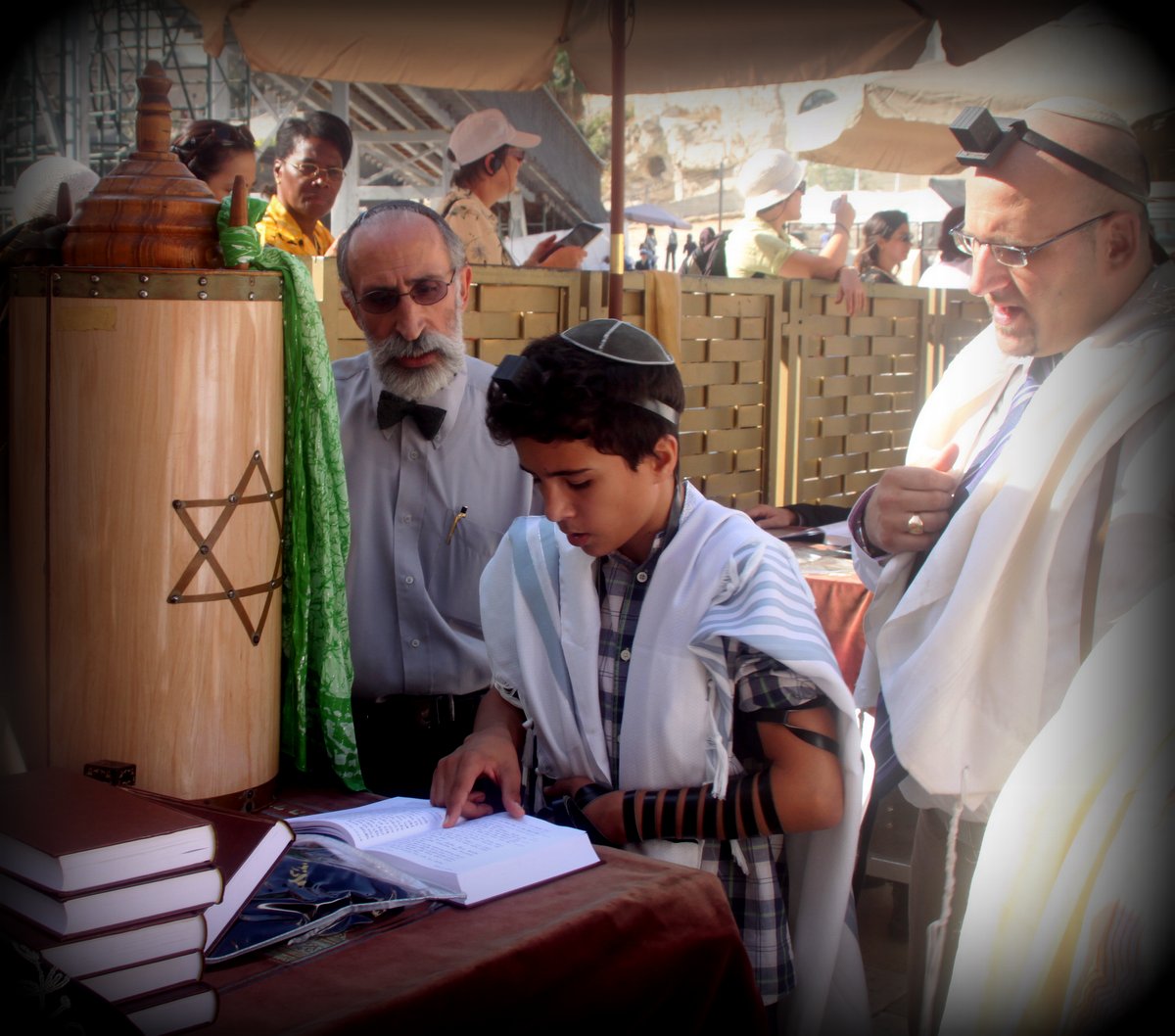 Bar and bat mitzvahA Jewish rite of passage marking when youth reach adulthood and take responsibility for their own actions.
 ConfirmationA Christian rite of laying on of hands that completes baptism and strengthens faith
 Filipino wedding customsA blend of indigenous rituals and Christian traditions marking the union of two families in the Philippines.
 BatokIndigenous Filipino tattooing, once worn as dress, rank and a rite of passage
Good reading and sources
The facts on this page come from the Wikipedia article "Las arras", written by its contributors and used under the CC BY-SA 4.0 licence, and from its Wikidata record (CC0). EveryParampara rewrote the text in its own words, with AI assistance, and compares every page with the article to make sure no passage is copied. It may be reused under the same CC BY-SA 4.0 licence with a link back.
It may contain mistakes. Traditions differ from one family, village and community to the next, and the people who keep them know them best. If something is wrong, tell us. Last refreshed 2026-10-05.
More from Spain
All the traditions of Spain 🇲🇽 Mexico and 2 moreWedding cord
A loop of white cord laid over a kneeling bride and groom in Catholic weddingsRite of passage
🇲🇽 Mexico and 2 moreWedding cord
A loop of white cord laid over a kneeling bride and groom in Catholic weddingsRite of passage
 🇵🇭 Philippines and 5 moreFirst Communion
A Christian rite of passage marking a person's initial reception of the Eucharist.Rite of passage
🇵🇭 Philippines and 5 moreFirst Communion
A Christian rite of passage marking a person's initial reception of the Eucharist.Rite of passage
 🇬🇧 United Kingdom and 1 moreBreeching
A rite of passage when a young boy first wore trousers instead of a dress.Rite of passage
🇬🇧 United Kingdom and 1 moreBreeching
A rite of passage when a young boy first wore trousers instead of a dress.Rite of passage
 🇮🇪 Ireland and 5 moreSaint Stephen's Day
A Christian feast day celebrating the first martyr with feasts, rides and folk customs.Spiritual · Feasts and festival meals
🇮🇪 Ireland and 5 moreSaint Stephen's Day
A Christian feast day celebrating the first martyr with feasts, rides and folk customs.Spiritual · Feasts and festival meals
The same idea elsewhere
Weddings compared 🇺🇬 Uganda and 4 moreBarkcloth
Cloth beaten from tree bark across Africa, Asia and the PacificCraft
🇺🇬 Uganda and 4 moreBarkcloth
Cloth beaten from tree bark across Africa, Asia and the PacificCraft
 🇮🇱 IsraelTallitטלית
A four-cornered Jewish prayer shawl with ritual fringes worn during worshipSpiritual
🇮🇱 IsraelTallitטלית
A four-cornered Jewish prayer shawl with ritual fringes worn during worshipSpiritual
 🇺🇸 United States and 5 moreRite of passage
A ceremony that marks leaving one group and entering another, with a new statusRite of passage
🇺🇸 United States and 5 moreRite of passage
A ceremony that marks leaving one group and entering another, with a new statusRite of passage
 🇬🇭 Odumase Krobo, GhanaDipo
An annual Ghanaian coming-of-age ceremony welcoming Krobo girls into womanhoodRite of passage
🇬🇭 Odumase Krobo, GhanaDipo
An annual Ghanaian coming-of-age ceremony welcoming Krobo girls into womanhoodRite of passage