Spiritual and religiousSub-Saharan AfricaMuslim
Grand Magal of Touba
An annual pilgrimage to the holy city of Touba in Senegal, kept by followers of the Mouride Sufi order.
The Grand Magal is a major religious gathering for the Mouride Brotherhood in Senegal. Held on the eighteenth day of Safar, it honors the life and exile of founder Amadou Bamba. Millions travel to the city each year to pray at his mausoleum and the Great Mosque.
When is Grand Magal of Touba in 2027?
Grand Magal of Touba 2027 is on Thursday, 22 July 2027. The date follows the moon or a local calendar, so it can move by a day. Other years: 2026, Saturday, 1 August 2026; 2028, Tuesday, 11 July 2028.
The Grand Magal of Touba stands as the most significant annual event for the Mouride Brotherhood in Senegal. This massive pilgrimage draws millions of devotees to the holy city of Touba. They gather to honor Amadou Bamba, the order's founder, and to commemorate his historical exile. The festival blends deep spiritual devotion with communal celebration, marking a key moment in the Islamic lunar calendar.
Origins and history
Amadou Bamba requested that his followers mark the anniversary of his exile to Gabon by French colonial authorities in 1895. After his death in 1927, his son Moustapha Mbacke held the first gathering in 1928 on the date of Bamba's passing instead. In 1946, Falilou Mbacke shifted the observance back to the exile anniversary, aligning with the founder's original wishes. The exile represents a period of tested faith and resilience for the community.
Rites and rituals
Pilgrims perform acts similar to the Hajj, focusing on the Great Mosque and Amadou Bamba's mausoleum. Devotees circumambulate the mosque and touch its walls, believing the tomb holds spiritual power called barakah. Many wait hours to pray near the tomb or drop coins into the enclosure. Visitors also explore the Well of Mercy and the central library, while night gatherings feature the singing of Arabic poetry written by Bamba.
Growth and logistics
Attendance has surged from tens of thousands to over six million people today. Organizing such a vast movement requires immense coordination. Local groups known as da'iras manage sites and feed travelers, while the Baye Fall sect provides much of the labor. Government support remains limited due to the site's sacred status. Traffic congestion poses risks, leading to safety measures and medical deployments during the peak days of the event.
Global presence
Mouride communities have established themselves worldwide, particularly in Western Europe and North America. These international branches, called dahiras, organize their own celebrations to maintain ties with Touba. Expatriates watch televised broadcasts of the main events and sing sacred poems together. These gatherings allow diaspora members to connect with their spiritual roots and participate in the broader brotherhood despite geographical distance.
How Grand Magal of Touba is kept
Devotees travel to Touba to visit the Great Mosque and Amadou Bamba's mausoleum. They pray, touch the sacred structures, and listen to poetry recitals. Local associations manage logistics and provide food for visitors. Political leaders often meet with Mouride heads during the event. The community sings and reflects on Bamba's teachings throughout the two-day gathering.
When and where
The event falls on the eighteenth day of Safar, the second month of the Islamic lunar calendar. Because the lunar year is shorter than the solar year, the Gregorian date shifts earlier each year. This cycle allows the pilgrimage to occur twice in one solar year roughly every thirty-three years.
The primary location is Touba, a holy city in Senegal that serves as the headquarters of the Mouride Brotherhood. The tradition originated there and remains centered on the city's religious sites. While the main pilgrimage happens in Senegal, affiliated communities in other countries hold parallel celebrations.
What Grand Magal of Touba means
The Magal commemorates Amadou Bamba's exile, which symbolizes spiritual endurance and resistance against colonial pressure. Visiting his tomb connects pilgrims to his enduring legacy and divine favor. The gathering reinforces community bonds and demonstrates the strength of the Mouride faith. It serves as a living reminder of the founder's commitment to God and his people.
Grand Magal of Touba dates: 2026, 2027, 2028
| Year | Grand Magal of Touba date |
|---|---|
| 2026 | Saturday, 1 August 2026 |
| 2027 | Thursday, 22 July 2027 |
| 2028 | Tuesday, 11 July 2028 |
This date follows the moon or a local calendar and can move by a day, so check with a local source nearer the time.
Questions people ask about Grand Magal of Touba
When is Grand Magal of Touba in 2027?
Grand Magal of Touba 2027 is on Thursday, 22 July 2027. The date follows the moon or a local calendar, so it can move by a day. Other years: 2026, Saturday, 1 August 2026; 2028, Tuesday, 11 July 2028.
What is the Grand Magal of Touba?
It is the largest annual religious pilgrimage for the Mouride Brotherhood in Senegal. Devotees gather in the holy city of Touba to honor founder Amadou Bamba. The event combines prayer, poetry, and communal celebration on a massive scale.
Why is the Grand Magal important?
It marks the anniversary of Amadou Bamba's exile to Gabon by French authorities. This event highlights his spiritual strength and resilience. For Mourides, it is the most significant gathering of the year, fostering unity and devotion.
Where do people go during the Magal?
Pilgrims travel to Touba in Senegal. Key sites include the Great Mosque and Amadou Bamba's mausoleum. Visitors also explore local libraries and wells associated with the founder's life and miracles.
See also
 KoraA 21-string West African harp-lute played by hereditary storytellers and bards
 GriotWest Africa's hereditary keepers of spoken history, praise and music
 Eid al-FitrThe feast that ends Ramadan, opened with morning prayers, sweets and visits home
 PassoverA Jewish spring festival celebrating freedom from slavery with ritual meals
Good reading and sources
The facts on this page come from the Wikipedia article "Grand Magal of Touba", written by its contributors and used under the CC BY-SA 4.0 licence, and from its Wikidata record (CC0). EveryParampara rewrote the text in its own words, with AI assistance, and compares every page with the article to make sure no passage is copied. It may be reused under the same CC BY-SA 4.0 licence with a link back.
It may contain mistakes. Traditions differ from one family, village and community to the next, and the people who keep them know them best. If something is wrong, tell us. Last refreshed 2026-10-05.
More from Senegal
All the traditions of Senegal 🇨🇳 China and 5 moreAncestor worship
Honouring dead relatives with offerings and prayers, kept in many cultures worldwideSpiritual
🇨🇳 China and 5 moreAncestor worship
Honouring dead relatives with offerings and prayers, kept in many cultures worldwideSpiritual
 🇨🇳 China and 5 moreAncestor veneration
Honouring dead relatives with offerings, meals and prayers, kept in cultures worldwideSpiritual
🇲🇱 Bamako, Mali and 5 moreGriotjeli, ߖߋ߬ߟߌ in N'Ko script
West Africa's hereditary keepers of spoken history, praise and musicPerformance
🇬🇲 Gambia and 4 moreKoraߞߐߙߊ
A 21-string West African harp-lute played by hereditary storytellers and bardsPerformance
🇨🇳 China and 5 moreAncestor veneration
Honouring dead relatives with offerings, meals and prayers, kept in cultures worldwideSpiritual
🇲🇱 Bamako, Mali and 5 moreGriotjeli, ߖߋ߬ߟߌ in N'Ko script
West Africa's hereditary keepers of spoken history, praise and musicPerformance
🇬🇲 Gambia and 4 moreKoraߞߐߙߊ
A 21-string West African harp-lute played by hereditary storytellers and bardsPerformance
The same idea elsewhere
Pilgrimage compared 🇮🇱 Jerusalem, IsraelSukkotסוכות
A seven-day autumn Jewish festival of temporary booths, harvest prayers and hospitalitySpiritual
🇮🇱 Jerusalem, IsraelSukkotסוכות
A seven-day autumn Jewish festival of temporary booths, harvest prayers and hospitalitySpiritual
 🇯🇵 Kyoto, JapanTorii鳥居
A traditional Japanese gate marking the entrance to a Shinto shrine and separating the sacred from the mundane.Spiritual
🇯🇵 Kyoto, JapanTorii鳥居
A traditional Japanese gate marking the entrance to a Shinto shrine and separating the sacred from the mundane.Spiritual
 🇲🇲 Bagan, MyanmarNat worshipနတ်
Veneration of guardian spirits and nature deities alongside Buddhism in MyanmarSpiritual
🇲🇲 Bagan, MyanmarNat worshipနတ်
Veneration of guardian spirits and nature deities alongside Buddhism in MyanmarSpiritual
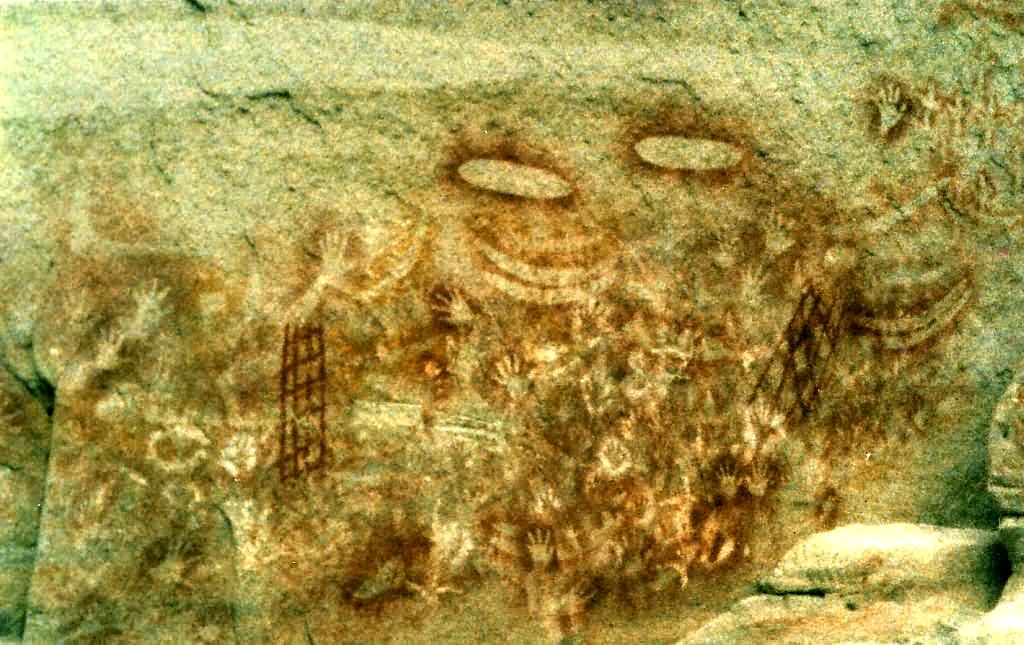 🇦🇺 AustraliaThe Dreaming
A living spiritual worldview and law connecting Aboriginal Australians to ancestors, land, and community.Spiritual
🇦🇺 AustraliaThe Dreaming
A living spiritual worldview and law connecting Aboriginal Australians to ancestors, land, and community.Spiritual