Spiritual and religiousEast AsiaShinto, Taoist and folk ChineseBuddhist
Hadaka Matsuri
In its own language: 裸祭り
Japanese festivals where participants clad in loincloths seek luck and purification

Hadaka Matsuri are Japanese festivals where participants wear minimal attire, such as a loincloth, to purify themselves and appeal to the deities. Held at shrines and temples across Japan, these ceremonies feature cold-water ablutions, energetic talisman contests, and agricultural prayers.
When is Hadaka Matsuri kept?
Hadaka Matsuri is kept on throughout the year, frequently in February or November.
Hadaka Matsuri are Japanese devotional festivals known for participants wearing minimal clothing, typically a simple loincloth. Celebrated at Shinto shrines and Buddhist temples across Japan, these gatherings centre on bodily purification, seeking divine blessings, and casting off misfortune. Though often translated as naked festivals, full nudity is rare. Instead, attendees withstand cold weather and test physical endurance to prepare for contact with the deities.
Purification and attire
Participants in these gatherings typically wear only a fundoshi, a traditional loincloth, sometimes paired with a short happi jacket or a tenugui cloth on the head. Total nudity remains unusual. The stripping away of regular garments serves as an act of ritual cleansing before approaching the gods. In secluded ceremonies like the ancient Hayama-gomori rite at Kuronuma Shrine in Fukushima, men purify themselves in freezing well water at dawn. By enduring cold water and shedding their daily clothes, participants prepare their minds and bodies to receive divine omens, pray for family wellbeing, and bridge the divide between humans and the sacred world.
Sacred contests and warding evil
Many festivals feature physical competition or high-energy interactions to secure auspicious fortune. At Inazawa's Owari Okunitama Shrine, crowd members rush to touch a chosen sacred man, the shin-otoko, transferring their accumulated misfortunes onto him before he returns to the sanctuary. Other sites focus on capturing blessed talismans. Young men at Shitennoji Temple in Osaka shout together while struggling for an amulet of the cow god attached to a central pillar. Similarly, during the Somin festival at Kokuseki-ji Temple in Oshu, hundreds of lightly dressed men grapple for a sacred hemp pouch thought to bestow prosperity.
Agricultural rituals and food
Several festivals integrate farming prayers directly into their proceedings. During secluded rites, celebrants act out plowing and rice planting through rhythmic stomping, mock cavalry battles, and the dropping of tatami mats while singing planting tunes. Food plays a central ceremonial role. In Fukushima, fasting participants eat simple meals of locally gathered hakusai cabbage, daikon radish, and rice steamed in well water, alongside vegetable carvings offered to deities. In Inazawa, temple leaders knead a giant dark mochi cake using rice blended with the ashes of old protective amulets, which is later buried in a woodland hideaway to seal away evil.
Local traditions and participation
Dozens of communities across Japan preserve their own distinct versions of the custom. The Saidai-ji Eyo festival in Okayama draws thousands of men each winter, continuing a tradition that spans five centuries. At Ohara in Chiba Prefecture, loincloth-clad shrine bearers carry portable shrines to invoke fruitful harvests and plentiful fishing. While these events have historically involved male participants performing demanding rituals, practices continue to evolve. At the ancient Inazawa gathering in February 2024, a group of forty-one clothed women took part in the ceremonies for the first time in its long history.
How Hadaka Matsuri is kept
Celebrants gather at a shrine or temple, dressed primarily in loincloths. Many wash in freezing water or undertake strict fasting before the main events. Participants chant, pound ceremonial mochi, or re-enact agricultural tasks like planting and plowing to pray for rain and abundant harvests. In large public assemblies, men wrestle for lucky talismans or strive to touch a designated sacred person to shed bad luck. The rites conclude with sacred offerings, oracle readings, or the burial of ritual objects.
When and where
Festivals occur throughout the year in dozens of locations, though the majority take place in February or November. Some observances follow fixed dates on the solar calendar, such as third weekends of specific months, while older secluded rites adjust their schedules based on the traditional lunar calendar.
Communities host these observances throughout Japan. Major gatherings take place at Kuronuma Shrine in Fukushima, Owari Okunitama Shrine in Inazawa, Saidai-ji Temple in Okayama, Shitennoji Temple in Osaka, Ohara in Chiba Prefecture, and Kokuseki-ji Temple in Oshu City.
What Hadaka Matsuri means
Shedding everyday clothes symbolizes physical and spiritual purification, casting aside vanity and impurities to stand ready before the gods. Physical struggles, cold water dousings, and agricultural roleplay express prayers for rain, bountiful harvests, and abundant fishing. Touching sacred figures or securing blessed amulets channels community hopes for good fortune while absorbing and sealing away personal misfortune.
On the table
- hakusai cabbage
- daikon radish
- white rice
- mochi
- black mochi

Questions people ask about Hadaka Matsuri
When is Hadaka Matsuri kept?
Hadaka Matsuri is kept on throughout the year, frequently in February or November.
What is a Hadaka Matsuri?
A Hadaka Matsuri is a traditional Japanese festival where participants wear minimal clothing, usually just a fundoshi loincloth, to perform purification rituals, ward off bad luck, and pray for good fortune and fertile harvests.
Are participants completely naked during the festival?
Full nudity is very rare. Most participants wear a traditional loincloth called a fundoshi, occasionally accompanied by a short happi jacket or a cloth wrapped around the head.
What is the purpose of touching the shin-otoko in Inazawa?
At the Owari Okunitama Shrine in Inazawa, touching the designated sacred man allows participants to transfer their personal bad luck onto him, clearing misfortune for the coming year.
See also
 HatsumōdeThe first shrine or temple visit of the Japanese New Year to pray for good fortune
 TanabataA Japanese summer star festival of written wishes hung on leafy bamboo.
 JiaoziCrescent Chinese dumplings filled with meat or vegetables, eaten for fortune and feasts
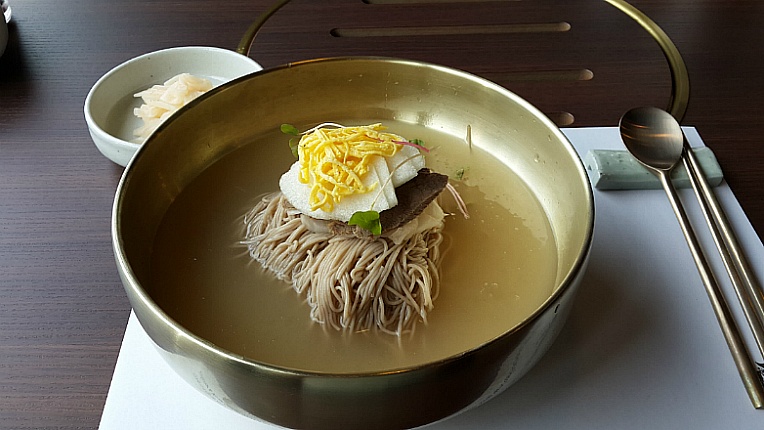 NaengmyeonLong buckwheat noodles in icy broth, born in North Korea and eaten most in summer
Good reading and sources
- Saidaiji Eyo: Near-naked crowds hunt for lucky sticks at Japan festivalBBC, Article
- Women in Japan allowed to take part in ‘naked festival’ for first timeThe Guardian, Article
- Saidaiji Eyo: Near-naked crowds hunt for lucky sticks at Japan festivalBBC, Article
- Women in Japan allowed to take part in ‘naked festival’ for first timeThe Guardian, Article
- Hadaka Matsuri on WikipediaEncyclopedia
- More photos on Wikimedia CommonsPhotos and video
- Wikidata recordOpen data
The facts on this page come from the Wikipedia article "Hadaka Matsuri", written by its contributors and used under the CC BY-SA 4.0 licence, and from its Wikidata record (CC0). EveryParampara rewrote the text in its own words, with AI assistance, and compares every page with the article to make sure no passage is copied. It may be reused under the same CC BY-SA 4.0 licence with a link back.
It may contain mistakes. Traditions differ from one family, village and community to the next, and the people who keep them know them best. If something is wrong, tell us. Last refreshed 2026-10-04.
More from Japan
All the traditions of Japan 🇯🇵 JapanMiko巫女
A woman who serves at a Shinto shrine, dancing, cleansing and helping with ritesSpiritual
🇯🇵 JapanMiko巫女
A woman who serves at a Shinto shrine, dancing, cleansing and helping with ritesSpiritual
 🇯🇵 JapanOmikujiおみくじ
Paper fortunes drawn at Japanese shrines and temples to consult divine guidanceSpiritual
🇯🇵 Tokyo, JapanHatsumōde初詣
The first shrine or temple visit of the Japanese New Year to pray for good fortuneSpiritual
🇯🇵 JapanOmikujiおみくじ
Paper fortunes drawn at Japanese shrines and temples to consult divine guidanceSpiritual
🇯🇵 Tokyo, JapanHatsumōde初詣
The first shrine or temple visit of the Japanese New Year to pray for good fortuneSpiritual
 🇯🇵 Tokyo, JapanDaijō-sai大嘗祭
The emperor's once-in-a-reign Shinto rite of thanks for the rice harvestSpiritual
🇯🇵 Tokyo, JapanDaijō-sai大嘗祭
The emperor's once-in-a-reign Shinto rite of thanks for the rice harvestSpiritual
The same idea elsewhere
Harvest and thanksgiving compared 🇮🇪 Galway, Ireland and 1 moreBrigid's crossCros Bhríde
A cross of woven rushes or straw, made for Saint Brigid's Day on the first of FebruaryCraft
🇮🇪 Galway, Ireland and 1 moreBrigid's crossCros Bhríde
A cross of woven rushes or straw, made for Saint Brigid's Day on the first of FebruaryCraft
 🇪🇪 EstoniaJaanipäev
Estonia's midsummer night of bonfires, song and fortune-telling, on 23 and 24 JuneFestival
🇪🇪 EstoniaJaanipäev
Estonia's midsummer night of bonfires, song and fortune-telling, on 23 and 24 JuneFestival
 🇮🇪 Ireland and 2 moreJack-o'-lantern
A carved pumpkin lantern lit with a candle to brighten and protect Halloween nightsFolklore
🇮🇪 Ireland and 2 moreJack-o'-lantern
A carved pumpkin lantern lit with a candle to brighten and protect Halloween nightsFolklore
 🇨🇱 ChileNgillatun
A communal Mapuche rite of prayer, sacrifice and dance to maintain cosmic balanceSpiritual
🇨🇱 ChileNgillatun
A communal Mapuche rite of prayer, sacrifice and dance to maintain cosmic balanceSpiritual