Spiritual and religiousEast AsiaShinto, Taoist and folk ChineseBuddhist
Hatsumōde
In its own language: 初詣
The first shrine or temple visit of the Japanese New Year to pray for good fortune

Hatsumōde is the Japanese custom of visiting a temple or shrine during the opening days of January. Worshippers offer prayers for the upcoming year, purchase protective amulets, and return old charms for ritual burning.
When is Hatsumōde kept?
Hatsumōde is kept during the first three days of January.
Hatsumōde is the Japanese practice of making an inaugural visit of the calendar year to a Shinto shrine or Buddhist temple. Observed across Japan in early January, it marks a fresh beginning. People gather to pray for health and success in the coming months, purchase protective amulets, draw written fortunes, and respectfully surrender the previous year's charms for ritual burning.
Rituals and shrine grounds
Large crowds gather at religious sites across Japan during the opening days of January. Upon arrival, worshippers present their prayers and wishes for the upcoming months. It is customary to bring back old omamori, which are protective amulets, so shrine staff can burn them. Attendees then purchase new talismans to protect their households and careers. Visitors also buy omikuji, slips of paper containing detailed forecasts for areas such as romance and business. If a slip predicts misfortune, the recipient ties the paper strip to a tree on the grounds in hopes of averting bad luck.
Holiday customs and foods
The wider holiday period in Japan typically runs from late December through early January. Families use this time away from work to settle debts, clean their residences, exchange gifts, and visit relatives. On New Year's morning, household prayers precede the sharing of celebratory foods like osechi and zōni soup, alongside spiced toso sake. One variation of the shrine visit, known as ninenmairi, begins on New Year's Eve and extends past midnight into New Year's Day. Participants often write wishes onto wooden ema plaques and eat toshikoshi-soba noodles an hour before midnight.
Origins and major destinations
Although central to contemporary winter observances, the custom took its modern form relatively recently. Railway companies promoted the practice during the Meiji era to foster passenger travel over the holiday period. Today, prominent sites welcome millions of worshippers across the first three days of January. Sensoji temple in Tokyo ranks as the most popular destination. Other heavily visited locations include Meiji Jingu, Naritasan, Kawasaki Daishi, Fushimi Inari-taisha, Sumiyoshi Taisha, Atsuta Jingu, Tsurugaoka Hachimangu, Dazaifu Tenmangu, and Hikawa Shrine.
How Hatsumōde is kept
Worshippers travel to a shrine or temple during the first three days of January, or overnight starting on New Year's Eve. Attendees wait in lines, offer their new year prayers, and surrender old talismans for ritual cremation. They purchase fresh omamori charms and draw omikuji fortune slips. When an omikuji forecasts bad luck, the person fastens the paper to a tree on the grounds to ward off misfortune.
When and where
Hatsumōde takes place during the first three days of January, coinciding with the Japanese New Year holiday. Some worshippers begin their visit late on New Year's Eve and stay past midnight into New Year's Day.
The custom is observed throughout Japan at Buddhist temples and Shinto shrines. Major destinations include Sensoji temple in Tokyo, Meiji Jingu, Naritasan, Kawasaki Daishi, Fushimi Inari-taisha, and Sumiyoshi Taisha, each drawing millions of worshippers.
What Hatsumōde means
The visit marks an opportunity for a clean start to the calendar year. By offering prayers, acquiring new omamori amulets, and discarding old charms, worshippers seek luck and protection for their family, romantic life, and business affairs in the year ahead.
On the table
- Toso
- Osechi
- Zōni
- Toshikoshi-soba
Questions people ask about Hatsumōde
When is Hatsumōde kept?
Hatsumōde is kept during the first three days of January.
What is Hatsumōde?
Hatsumōde is the traditional first visit of the year to a Shinto shrine or Buddhist temple in Japan. People attend to offer prayers for good fortune, buy new amulets, and return old charms.
What is an omikuji?
An omikuji is a written fortune bought at a shrine or temple. It predicts outcomes for topics like love and work. If it foretells bad luck, the buyer ties it to a tree on site.
What is Ninenmairi?
Ninenmairi is a style of hatsumōde where the visit starts on New Year's Eve and concludes on New Year's Day. Participants often eat toshikoshi-soba noodles before midnight and write wishes on ema plaques.
See also
 HalloweenAn annual observance on 31 October marking the eve of All Saints' Day, rooted in Christian tradition and Celtic heritage
 JiaoziCrescent Chinese dumplings filled with meat or vegetables, eaten for fortune and feasts
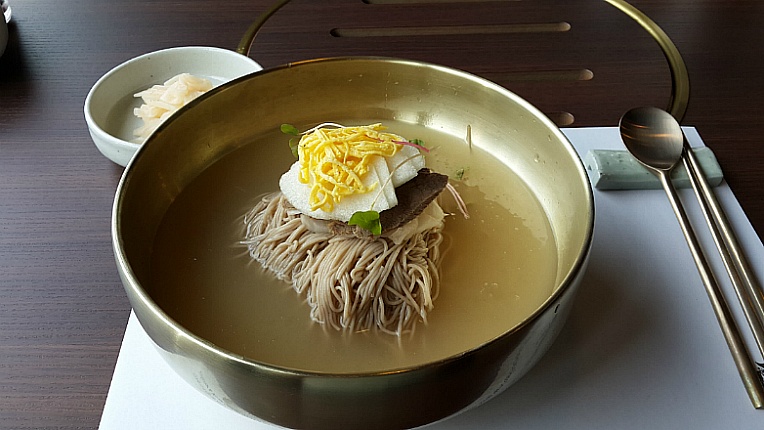 NaengmyeonLong buckwheat noodles in icy broth, born in North Korea and eaten most in summer
 Children's DayA Japanese holiday on May fifth celebrating the happiness and growth of children
Good reading and sources
- Hatsumōde on WikipediaEncyclopedia
- More photos on Wikimedia CommonsPhotos and video
- Wikidata recordOpen data
The facts on this page come from the Wikipedia article "Hatsumōde", written by its contributors and used under the CC BY-SA 4.0 licence, and from its Wikidata record (CC0). EveryParampara rewrote the text in its own words, with AI assistance, and compares every page with the article to make sure no passage is copied. It may be reused under the same CC BY-SA 4.0 licence with a link back.
It may contain mistakes. Traditions differ from one family, village and community to the next, and the people who keep them know them best. If something is wrong, tell us. Last refreshed 2026-10-04.
More from Japan
All the traditions of Japan 🇯🇵 JapanOmikujiおみくじ
Paper fortunes drawn at Japanese shrines and temples to consult divine guidanceSpiritual
🇯🇵 JapanOmikujiおみくじ
Paper fortunes drawn at Japanese shrines and temples to consult divine guidanceSpiritual
 🇯🇵 JapanMiko巫女
A woman who serves at a Shinto shrine, dancing, cleansing and helping with ritesSpiritual
🇯🇵 JapanMiko巫女
A woman who serves at a Shinto shrine, dancing, cleansing and helping with ritesSpiritual
 🇯🇵 JapanHadaka Matsuri裸祭り
Japanese festivals where participants clad in loincloths seek luck and purificationSpiritual
🇯🇵 JapanHadaka Matsuri裸祭り
Japanese festivals where participants clad in loincloths seek luck and purificationSpiritual
 🇯🇵 Japan and 2 moreJoya no Kane除夜の鐘
A Japanese Buddhist New Year's Eve ritual where temple bells are struck to cleanse the year of worldly desires.Spiritual
🇯🇵 Japan and 2 moreJoya no Kane除夜の鐘
A Japanese Buddhist New Year's Eve ritual where temple bells are struck to cleanse the year of worldly desires.Spiritual
The same idea elsewhere
New Year compared 🇮🇩 IndonesiaOgoh-ogohᬳᭀᬕᭀᬄᬳᭀᬕᭀᬄ
Giant handcrafted statues paraded and burned on the eve of the Balinese Saka New YearFestival
🇮🇩 IndonesiaOgoh-ogohᬳᭀᬕᭀᬄᬳᭀᬕᭀᬄ
Giant handcrafted statues paraded and burned on the eve of the Balinese Saka New YearFestival
 🇬🇧 United Kingdom and 5 moreYule log
A log kept burning on the hearth through the twelve days of Christmas, for luckSeasonal
🇬🇧 United Kingdom and 5 moreYule log
A log kept burning on the hearth through the twelve days of Christmas, for luckSeasonal
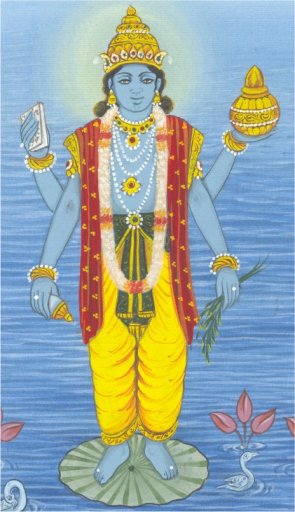 🇮🇳 India and 1 moreDhanterasधनतेरस (Hindi), धनत्रयोदशी (Sanskrit)
The first day of Diwali, a festival of lamps, health and wealth kept across India and Nepal.Festival
🇮🇳 India and 1 moreDhanterasधनतेरस (Hindi), धनत्रयोदशी (Sanskrit)
The first day of Diwali, a festival of lamps, health and wealth kept across India and Nepal.Festival
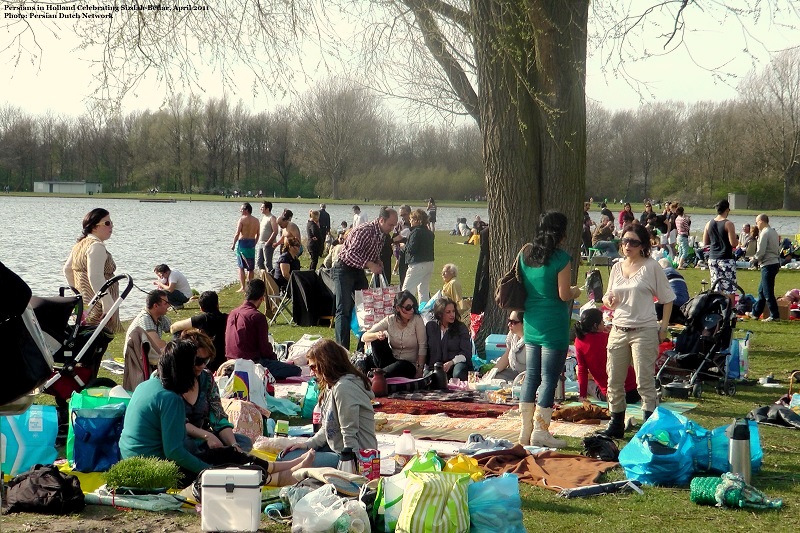 🇮🇷 Iran and 4 moreSizdah Bedarسیزدهبدر
An open-air picnic holiday concluding the Iranian New Year celebrationsFestival
🇮🇷 Iran and 4 moreSizdah Bedarسیزدهبدر
An open-air picnic holiday concluding the Iranian New Year celebrationsFestival