Festivals and celebrationsLatin America and the CaribbeanIndigenous and traditional
Inti Raymi
A major Andean festival honoring the sun god Inti and marking the winter solstice in Cusco.

Inti Raymi is a traditional ceremony from the Inca Empire held to honor the sun god Inti. It marks the southern winter solstice and the start of the new year. Today it is kept by indigenous communities in Peru, Ecuador and Argentina as a living cultural tradition.
When is Inti Raymi in 2027?
Inti Raymi 2027 is on Thursday, 24 June 2027. Other years: 2026, Wednesday, 24 June 2026; 2028, Saturday, 24 June 2028.
Inti Raymi is an annual festival that honors the sun god Inti. It marks the winter solstice and the beginning of the Inca New Year. The ceremony began in the Inca Empire and continues today in the Andes. People keep this tradition to remember their ancestors and celebrate the return of light.
Origins and history
The Sapa Inca Pachacuti created this festival to celebrate the new year in the Andes. It symbolized the mythical origin of the Inca people. The first celebration took place in 1412. The last one with an Inca emperor lasted nine days. Spanish colonists banned the ceremony after 1535. A historical reconstruction began in 1944 using chronicles from Garcilaso de la Vega. Modern performances started at Sacsaywaman on June 24.
How it is kept
The celebration begins at the Qorikancha temple. Participants move through Loreto Street to the Plaza de Armas. There they exchange a khipu representing three powers. The royal party then travels to Sacsayhuamán. Over 800 artists perform dances and rituals. They wear colorful costumes and woven masks. The central ceremony includes offerings and sacred fire rites.
Meaning and symbolism
The festival honors Inti, the most venerated deity in Inca religion. It celebrates the shortest day of the year. People believe the hours of light begin to lengthen again after this date. The ceremony thanks Pachamama for a good harvest. It also connects modern communities to their Inca heritage and spiritual roots.
Modern celebrations
Inti Raymi is now the second-largest festival in South America. Thousands of visitors attend the main events in Cusco. Indigenous groups in Ecuador and Argentina also hold their own versions. Some celebrations align with Catholic festivals like Saint John the Baptist. Music, dance and food sharing remain central to these gatherings.
How Inti Raymi is kept
The festival starts at the Qorikancha temple. Participants walk to the Plaza de Armas. Leaders exchange a khipu there. The group moves to Sacsayhuamán for the main rites. Artists perform dances and rituals. Offerings are made to the earth and sun.
When and where
It falls on the winter solstice. Dates vary by country. Peru holds it on June 24. Ecuador uses June 22. Argentina observes June 21. The timing marks the shortest day in the Southern Hemisphere.
The main event happens in Cusco, Peru. Sites include Qorikancha, the Plaza de Armas and Sacsayhuamán. Indigenous communities in Ecuador and Argentina also celebrate it locally.
What Inti Raymi means
It honors the sun god Inti. It marks the Inca New Year. The festival celebrates the return of longer days. It thanks Pachamama for harvests. It connects people to their ancestral origins.


Days Inti Raymi is marked
Inti Raymi dates: 2026, 2027, 2028
| Year | Inti Raymi date |
|---|---|
| 2026 | Wednesday, 24 June 2026 |
| 2027 | Thursday, 24 June 2027 |
| 2028 | Saturday, 24 June 2028 |
Questions people ask about Inti Raymi
When is Inti Raymi in 2027?
Inti Raymi 2027 is on Thursday, 24 June 2027. Other years: 2026, Wednesday, 24 June 2026; 2028, Saturday, 24 June 2028.
What is Inti Raymi?
It is a traditional festival honoring the sun god Inti. It marks the winter solstice and the Inca New Year. The ceremony originated in the Inca Empire and continues today in the Andes.
Where does it take place?
The main event occurs in Cusco, Peru. Key sites include Qorikancha, the Plaza de Armas and Sacsayhuamán. Other Andean regions also host local versions.
Who keeps this tradition?
Indigenous communities of the Andes maintain it. It is especially important in Peru, Ecuador and Argentina. Thousands of locals and tourists attend the main ceremonies.
See also
 ChristmasA festival of Jesus's birth, kept on 25 December with gifts, lights and shared meals
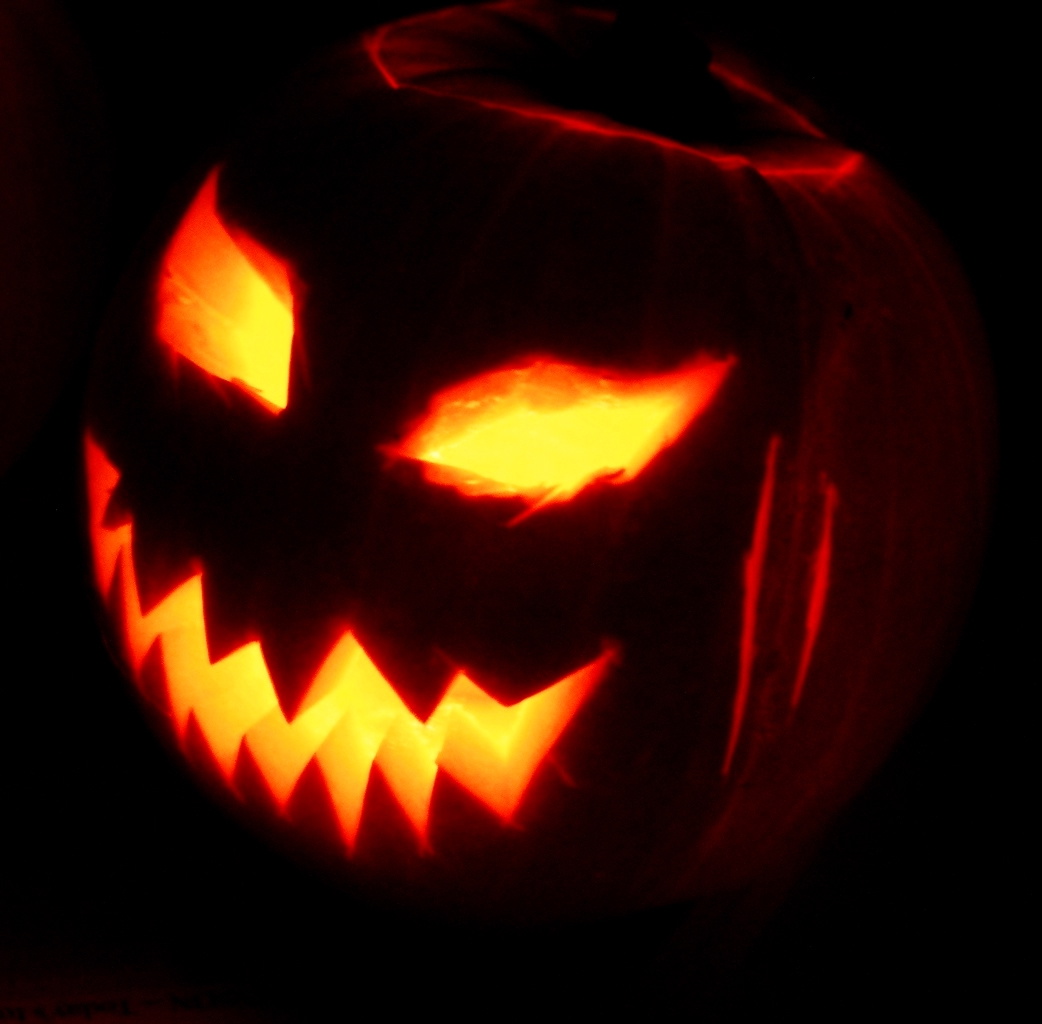 HalloweenAn annual observance on 31 October marking the eve of All Saints' Day, rooted in Christian tradition and Celtic heritage
 Christmas treeA decorated evergreen or artificial tree placed indoors to mark the Christmas season.
 DiwaliA five-day festival of lights celebrated across India and its diaspora to mark the victory of light over darkness.
Good reading and sources
- Inti Raymi on WikipediaEncyclopedia
- More photos on Wikimedia CommonsPhotos and video
- Wikidata recordOpen data
The facts on this page come from the Wikipedia article "Inti Raymi", written by its contributors and used under the CC BY-SA 4.0 licence, and from its Wikidata record (CC0). EveryParampara rewrote the text in its own words, with AI assistance, and compares every page with the article to make sure no passage is copied. It may be reused under the same CC BY-SA 4.0 licence with a link back.
It may contain mistakes. Traditions differ from one family, village and community to the next, and the people who keep them know them best. If something is wrong, tell us. Last refreshed 2026-10-04.
More from Peru
All the traditions of Peru 🇪🇸 Córdoba, Spain and 5 moreFiesta de las Cruces
A May festival where communities decorate crosses with flowers and crafts to celebrate faith and local heritage.Festival
🇪🇸 Córdoba, Spain and 5 moreFiesta de las Cruces
A May festival where communities decorate crosses with flowers and crafts to celebrate faith and local heritage.Festival
 🇪🇸 Madrid, Spain and 4 moreFeast of Saint Isidore the LaborerFiestas de San Isidro Labrador
A May festival honoring the patron saint of farmers, marked by processions and harvest gratitude in Spain and former colFestival · Feasts and festival meals
🇪🇸 Madrid, Spain and 4 moreFeast of Saint Isidore the LaborerFiestas de San Isidro Labrador
A May festival honoring the patron saint of farmers, marked by processions and harvest gratitude in Spain and former colFestival · Feasts and festival meals
 🇵🇭 Manila, Philippines and 1 moreSimbang Gabi
A nine-day series of early morning Masses held in the Philippines to prepare for Christmas.Festival
🇵🇭 Manila, Philippines and 1 moreSimbang Gabi
A nine-day series of early morning Masses held in the Philippines to prepare for Christmas.Festival
 🇪🇸 Spain and 5 moreMoors and ChristiansMoros y Cristianos
Theatrical parades and mock battles staging historic clashes across Spain and beyondFestival
🇪🇸 Spain and 5 moreMoors and ChristiansMoros y Cristianos
Theatrical parades and mock battles staging historic clashes across Spain and beyondFestival
The same idea elsewhere
Remembering the ancestors compared
🇮🇳 Ayodhya, India and 7 moreDiwaliदीपावली (Dīpāvalī)
A five-day festival of lights celebrated across India and its diaspora to mark the victory of light over darkness.Festival · Feasts and festival meals
 🇮🇱 Jerusalem, IsraelSukkotסוכות
A seven-day autumn Jewish festival of temporary booths, harvest prayers and hospitalitySpiritual
🇮🇪 Ireland and 2 moreJack-o'-lantern
A carved pumpkin lantern lit with a candle to brighten and protect Halloween nightsFolklore
🇮🇱 Jerusalem, IsraelSukkotסוכות
A seven-day autumn Jewish festival of temporary booths, harvest prayers and hospitalitySpiritual
🇮🇪 Ireland and 2 moreJack-o'-lantern
A carved pumpkin lantern lit with a candle to brighten and protect Halloween nightsFolklore
 🇹🇱 Timor-LesteUma Lulik
Sacred ancestral clan houses and ritual shrines in East TimorSpiritual
🇹🇱 Timor-LesteUma Lulik
Sacred ancestral clan houses and ritual shrines in East TimorSpiritual