Dress and adornmentMiddle EastMuslim
Thawb
In its own language: ثَوْب (thawb)
A long robe for men in the Arab world, with a different name in each region
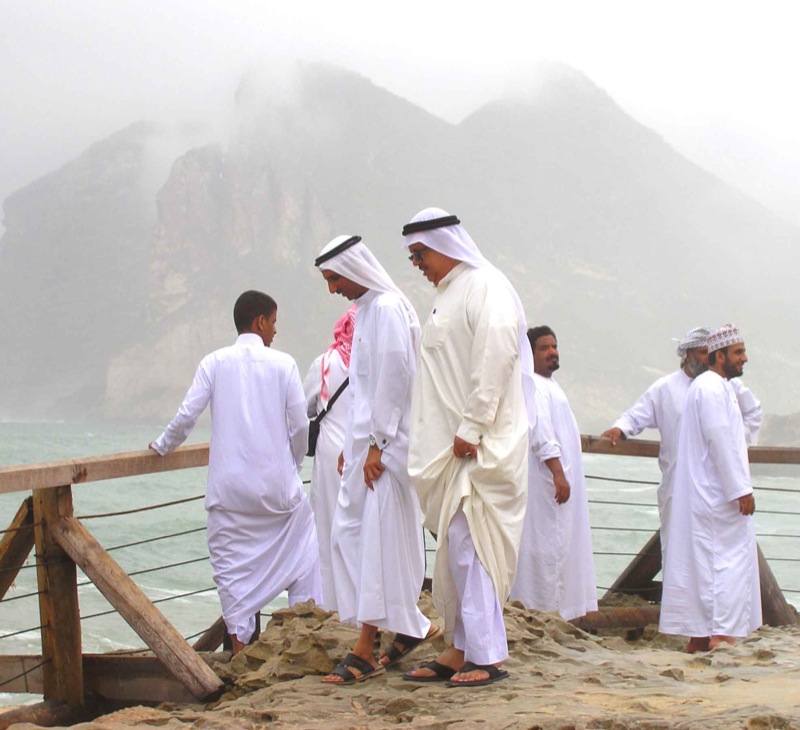
A long-sleeved robe to the ankle, worn by men across the Arab world and, as the jubbah, in the Indian subcontinent. Names, cloth and trim shift by region: polyester or cotton in white or beige, wool in winter, with tassels in Oman and the Emirates.
When is Thawb kept?
Thawb is kept on worn through the year, with woollen thobes in the colder months.
A thawb is a long robe for men, reaching the ankle and cut with long sleeves. It comes from the Arab world, and men wear it there both every day and for worship and official events. Regional names differ: dishdashah in Iraq, Kuwait, the Levant and Oman; kandura in the Emirates and the Maghreb; jubbah in Pakistan and the Indian subcontinent. Colour, cloth and fastenings change from place to place.
Names by region
The garment carries a different word in each place. Standard Arabic thawb means a dress or a garment, and writers also set it down as thobe, thaub or thob. In Iraq, Kuwait, the Levant and Oman people say dishdashah. In the United Arab Emirates and across the Maghreb the usual word is kandura. In Pakistan and elsewhere in the subcontinent it is a jubbah, and there it is cut and decorated in keeping with local styles. Each region also settles what the robe looks like, so the name and the shape tend to travel together.
Cloth and cut
Most thawbs are sewn from polyester, cotton or a similar fabric, usually white or beige. In colder places, and in the Levant especially, heavier cloth such as sheep's wool is used, and men wear coloured wool thobes when the weather turns cold. The cut reaches the ankle with long sleeves. Tailors can stiffen the collar and sleeves so that the robe looks more formal, add front pockets or embroidery, and cover the placket buttons, leave them showing, or swap them for a zip. In the Emirates and Oman the collar is left off, frog closures fasten the placket, and tassels hang from it.
The bisht over it
Over the thawb a man may put on a bisht, a cloak. Elsewhere in the Arabian Peninsula it goes by mishlah or ʿabāʾ. It belongs to occasions rather than to every day. Clergy wear it, and so do men at weddings, at Eid and at funerals. Because it marks out the wearer, it can suggest wealth, royal standing or a religious office. The bisht was first made in Syria, Iraq and Jordan, and today it is worn in the Arabian Peninsula, in Jordan, in Syria and in parts of southern Iraq.
What it stands for
For many men the thawb is not simply clothing. In the Arabian Peninsula it is treated as a sign of national and cultural identity, and it is the robe men reach for when the day calls for formality. Its plain, covering lines are also read as modest dress. In the subcontinent that modesty is the reason some men give for wearing the jubbah: they follow it as sunnah, a practice, saying or habit of the prophet Muhammad, the founding prophet of Islam. The meaning, then, is both local and religious, and it differs from one country to the next.
Today and change
Beyond the Arab world the thawb has been taken up in a number of Muslim-majority regions, above all the Indian subcontinent, where the jubbah is worn. Clothiers there work it into ornate designs that follow local taste. In the Gulf too the robe has moved onto the fashion floor. Designers bring their own ideas to a garment that once changed very slowly, giving new shapes to sleeves, collars and fastenings while keeping the long line that made it recognisable. Some of these versions are sold as fashion rather than as everyday dress.
How Thawb is kept
A boy or man puts the robe on over the head. It falls to the ankle and the sleeves run the length of the arm. Fastenings close the front: buttons, frog loops or a zip, depending on the region. In Oman and the Emirates, tassels hang from the opening. The collar may be stiffened for a formal look. For a wedding, an Eid or a funeral, a bisht is laid over the shoulders. Officials and religious clergy wear the bisht as well. Nothing about the robe is fixed to a season; the heavier wool ones come out when the cold arrives.
When and where
The thawb has no date of its own. It is worn through the year, on ordinary days and on days that call for dressing up: weddings, Eid and funerals. In cold weather and in the Levant, men turn to woollen thobes instead of the lighter ones. The bisht is the piece that marks the ceremonial moment.
It is worn across the Arabian Peninsula, and it is the usual formal dress for men in Saudi Arabia. Iraq, Kuwait, Oman and the United Arab Emirates all have their own names for it, as do the Levant and North Africa. In South Asia and other Muslim-majority regions it appears as the jubbah, cut in local styles.
What Thawb means
Men in the Arabian Peninsula regard the thawb as a mark of who they are, both nationally and culturally. Its covering shape is read as modest, and in South Asia some wear the jubbah because they take it as sunnah, following the prophet Muhammad. A bisht worn on top carries its own message: wealth, royal rank or a religious post. So the same robe can signal belonging, faith and standing, depending on the cloth, the trim and the company.


Questions people ask about Thawb
When is Thawb kept?
Thawb is kept on worn through the year, with woollen thobes in the colder months.
What is a thawb?
It is a long robe for men, with long sleeves, reaching the ankle. The word is Standard Arabic for a dress or garment. In other forms of Arabic the same robe is called a dishdashah or a kandura, and in Pakistan and the subcontinent a jubbah.
Where is it worn?
Men wear it in the Arabian Peninsula, where it is the main formal dress in Saudi Arabia, and in Iraq, Kuwait, Oman, the United Arab Emirates, the Levant and North Africa. It has also been taken up in Muslim-majority areas, particularly Pakistan and the rest of the subcontinent.
What is a bisht?
A bisht is a cloak worn over the thawb, known as a mishlah or ʿabāʾ in other parts of the Arabian Peninsula. Clergy and officials wear it, and men also wear it at weddings, Eids and funerals. It can point to wealth, royalty or a religious position.
Do all thawbs look the same?
No. Cloth, colour and trim change by region. Polyester, cotton and wool are all used. Some have stiffened collars, covered or exposed buttons, or zips. In Oman and the United Arab Emirates there is no collar, frog closures fasten the front, and tassels are added.
See also
 SariAn unstitched length of cloth that women drape around the body, worn across South Asia
 DupattaA traditional South Asian scarf worn across the shoulders, chest, and head
 SherwaniA long buttoned coat for men, worn at weddings and state occasions in South Asia
 Pakistani clothingShalwar kameez and its many regional forms, worn across Pakistan's provinces
Good reading and sources
The facts on this page come from the Wikipedia article "Thawb", written by its contributors and used under the CC BY-SA 4.0 licence, and from its Wikidata record (CC0). EveryParampara rewrote the text in its own words, with AI assistance, and compares every page with the article to make sure no passage is copied. It may be reused under the same CC BY-SA 4.0 licence with a link back.
It may contain mistakes. Traditions differ from one family, village and community to the next, and the people who keep them know them best. If something is wrong, tell us. Last refreshed 2026-10-12.
More from Saudi Arabia
All the traditions of Saudi Arabia 🇵🇸 Palestine and 5 moreKeffiyehكُوفِيَّة (kūfīyah)
A square cotton headscarf worn by men in arid parts of the Middle East and North AfricaDress
🇵🇸 Palestine and 5 moreKeffiyehكُوفِيَّة (kūfīyah)
A square cotton headscarf worn by men in arid parts of the Middle East and North AfricaDress
 🇸🇦 Saudi Arabia and 2 moreNiqabنِقاب
A face veil worn by some Muslim women, hiding all but the eyesDress
🇸🇦 Saudi Arabia and 2 moreNiqabنِقاب
A face veil worn by some Muslim women, hiding all but the eyesDress
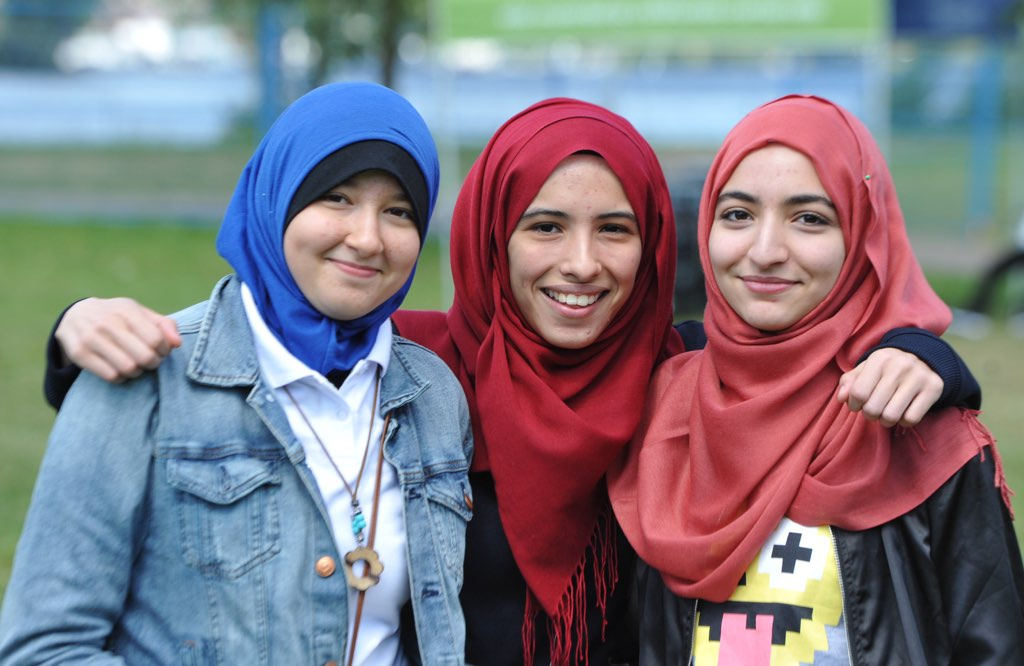 🇸🇦 Saudi Arabia and 2 moreHijabحجاب
A Muslim practice of modesty and dress, worn by women as a headscarf or more coveringDress
🇸🇦 Saudi Arabia and 2 moreHijabحجاب
A Muslim practice of modesty and dress, worn by women as a headscarf or more coveringDress
 🇩🇿 Algeria and 4 moreFoutaفوطة
A thin patterned cotton or linen cloth, worn as a wrap at the baths and as dressDress
🇩🇿 Algeria and 4 moreFoutaفوطة
A thin patterned cotton or linen cloth, worn as a wrap at the baths and as dressDress
The same idea elsewhere
Weddings compared 🇮🇩 Bali, Indonesia and 5 moreIkat
A resist-dyeing craft from Southeast Asia, where yarns are tied and dyed before weavingCraft
🇮🇩 Bali, Indonesia and 5 moreIkat
A resist-dyeing craft from Southeast Asia, where yarns are tied and dyed before weavingCraft
 🇺🇬 UgandaGomesi
A floor-length, brightly coloured dress tied with a sash, worn by women in UgandaDress
🇺🇬 UgandaGomesi
A floor-length, brightly coloured dress tied with a sash, worn by women in UgandaDress
 🇹🇴 Tonga and 1 moreTaʻovala
A waist mat worn in Tonga for weddings, funerals and formal daysDress
🇹🇴 Tonga and 1 moreTaʻovala
A waist mat worn in Tonga for weddings, funerals and formal daysDress
 🇲🇬 MadagascarLamba
A rectangular cloth wrapped around the body, worn across Madagascar and at burialsDress
🇲🇬 MadagascarLamba
A rectangular cloth wrapped around the body, worn across Madagascar and at burialsDress