Festivals and celebrationsEuropeChristian
Kao nekad pred Božić
A one-day festival of Christmas music and folk dance in Sarajevo.
This annual event takes place on December 6 in Sarajevo, Bosnia and Herzegovina. It brings together church choirs, pop singers, and folk groups to share seasonal songs and traditional dances.
When is Kao nekad pred Božić kept?
Kao nekad pred Božić is kept every year on December 6.
Kao nekad pred Božić is a yearly concert held in Sarajevo. It celebrates the season with carols and folk traditions. The event started in 1999 to bring people together through music and dance.
Origins and history
The festival began in 1999. Marijo Pejic founded it as a collaboration between Croatian and Catholic groups in the region. It was created to foster cultural connection during the holiday season. The event has continued every year since its start.
Music and performers
The main stage features church choirs and pop musicians. Famous artists like Goran Karan and Oliver Dragojević have performed there. Contemporary singers join traditional ensembles for the show. The Dom Mladih venue hosts these large concerts annually.
Dance and culture
Beyond singing, the festival showcases folk traditions. Groups from Bosnia, Croatia, and abroad perform kolo dances. These steps are shared by communities across the diaspora. The performances highlight regional heritage alongside the musical acts.
How Kao nekad pred Božić is kept
Choirs and singers perform Christmas songs on stage. Folk dancers follow with traditional kolo routines. The event gathers audiences at the Dom Mladih in Sarajevo. It combines religious carols with popular music styles.
When and where
It occurs once a year on December 6. This date falls just before Christmas.
The festival is based in Sarajevo, Bosnia and Herzegovina. It takes place at the Dom Mladih venue.
What Kao nekad pred Božić means
The name means 'As it used to be before Christmas'. It aims to preserve seasonal customs. The gathering strengthens community bonds through shared art.
Questions people ask about Kao nekad pred Božić
When is Kao nekad pred Božić kept?
Kao nekad pred Božić is kept every year on December 6.
What is this festival?
It is an annual Christmas music and dance event in Sarajevo. It features choirs, pop stars, and folk dancers.
Where is it located?
It takes place at the Dom Mladih in Sarajevo, Bosnia and Herzegovina.
See also
 KoliadaA traditional winter caroling and solstice festival kept across Slavic Europe
 Serbian ChristmasA three-day midwinter observance focused on oak logs, floor straw and family gatherings
 ChristmasA festival of Jesus's birth, kept on 25 December with gifts, lights and shared meals
 Christmas treeA decorated evergreen or artificial tree placed indoors to mark the Christmas season.
Good reading and sources
The facts on this page come from the Wikipedia article "Kao nekad pred Božić", written by its contributors and used under the CC BY-SA 4.0 licence, and from its Wikidata record (CC0). EveryParampara rewrote the text in its own words, with AI assistance, and compares every page with the article to make sure no passage is copied. It may be reused under the same CC BY-SA 4.0 licence with a link back.
It may contain mistakes. Traditions differ from one family, village and community to the next, and the people who keep them know them best. If something is wrong, tell us. Last refreshed 2026-10-13.
More from Bosnia and Herzegovina
All the traditions of Bosnia and Herzegovina
🇺🇦 Ukraine and 12 moreKoliadaКоляда
A traditional winter caroling and solstice festival kept across Slavic EuropeFestival
 🇺🇦 Kyiv, Ukraine and 14 morePysankaписанка
A wax-resist egg decorating tradition kept by Slavic communities for Easter and spring renewal.Festival
🇺🇦 Kyiv, Ukraine and 14 morePysankaписанка
A wax-resist egg decorating tradition kept by Slavic communities for Easter and spring renewal.Festival
 🇧🇦 Medjugorje, Bosnia and Herzegovina and 1 moreMedjugorje International Youth Festival
A six-day August gathering of Catholic youth in Medjugorje, Bosnia and HerzegovinaFestival
🇷🇸 Belgrade, Serbia and 2 moreMerlinka Festival
An annual queer film festival held across Serbia, Bosnia and Herzegovina, and MontenegroFestival
🇧🇦 Medjugorje, Bosnia and Herzegovina and 1 moreMedjugorje International Youth Festival
A six-day August gathering of Catholic youth in Medjugorje, Bosnia and HerzegovinaFestival
🇷🇸 Belgrade, Serbia and 2 moreMerlinka Festival
An annual queer film festival held across Serbia, Bosnia and Herzegovina, and MontenegroFestival
The same idea elsewhere
Midwinter and the longest night compared 🇵🇪 Cusco, Peru and 4 moreIntiinti (Quechua)
The Inca sun deity, honoured with temples, offerings and the June festival Inti RaymiSpiritual
🇵🇪 Cusco, Peru and 4 moreIntiinti (Quechua)
The Inca sun deity, honoured with temples, offerings and the June festival Inti RaymiSpiritual
 🇮🇷 Iran and 5 moreYaldā Nightشب یلدا
A solstice night of poetry, fruit and family, kept from Iran through Central AsiaFestival · Dinner
🇮🇷 Iran and 5 moreYaldā Nightشب یلدا
A solstice night of poetry, fruit and family, kept from Iran through Central AsiaFestival · Dinner
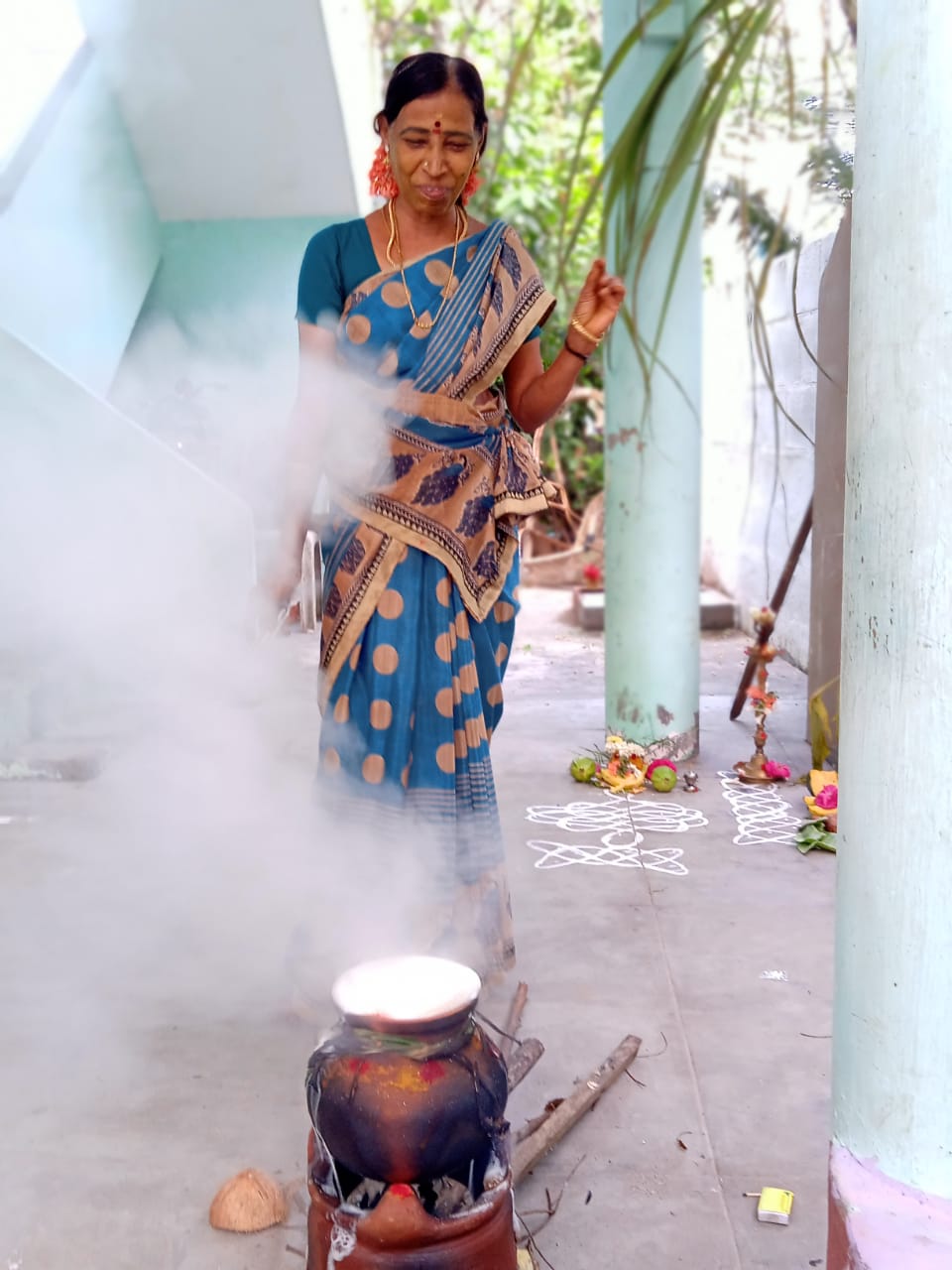 🇮🇳 India and 5 morePongal
Three or four days of boiling rice, garlanded cattle and thanks to the sunSeasonal · Sweets given and shared
🇮🇳 India and 5 morePongal
Three or four days of boiling rice, garlanded cattle and thanks to the sunSeasonal · Sweets given and shared
 🇨🇳 Shanghai, China and 1 moreJiaozi餃子
Crescent Chinese dumplings filled with meat or vegetables, eaten for fortune and feastsTable custom · Breakfast
🇨🇳 Shanghai, China and 1 moreJiaozi餃子
Crescent Chinese dumplings filled with meat or vegetables, eaten for fortune and feastsTable custom · Breakfast