Spiritual and religiousMiddle EastMuslim
Laylat al-Raghaib
In its own language: لَيْلَةُ الرّغائِب
An Islamic night of prayer and fasting at the beginning of the three sacred months
Laylat al-Raghaib, also known as Regaip Kandili, is an Islamic observance kept on the first Thursday night of Rajab. Observed especially in Turkey and the Balkans, worshippers spend the evening in prayer, Quran recitation, and charity to seek divine forgiveness.
When is Laylat al-Raghaib kept?
Laylat al-Raghaib is kept every year on the Thursday night before the first Friday of Rajab.
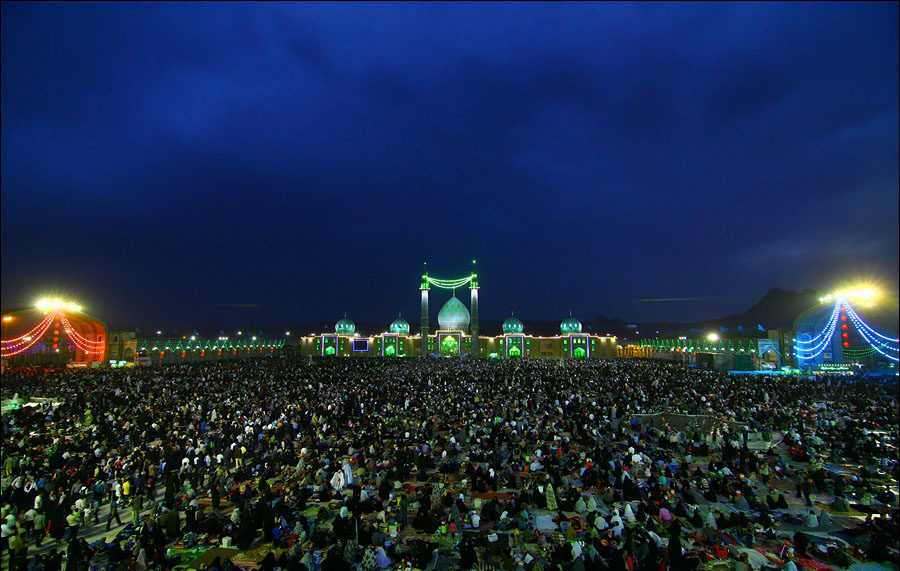
Laylat al-Raghaib, translated as the Night of Wishes, is a Muslim vigil observed at the start of Rajab, the first of three sacred months in the Islamic calendar. Kept widely across Turkey and parts of the Balkans, the night invites believers to fast, ask for mercy, give alms, and offer special night prayers in illuminated mosques.
History and scholarly debates
According to the scholar Abu Bakr al-Turtushi, gatherings for Raghaib prayers began in eleventh-century Jerusalem. During the thirteenth century, the observance gained immense popularity across the Middle East, even as religious jurists debated whether Muhammad had ever sanctioned the practice. In Damascus, scholars such as Izz ad-Din and Ibn al-Salah argued whether it constituted a forbidden or a meritorious innovation. The Ayyubid authorities briefly outlawed the prayer in 1235 before public enthusiasm forced its return. Ottoman scholars later defended the evening, and by the late sixteenth century, mosques were regularly illuminated with lamps on minarets.
Observance and night prayers
Worshippers mark the day by fasting on Thursday or Friday and gathering after sunset for devotional acts. Congregants perform repeated units of prayer incorporating Surah al-Qadr and Surah al-Ikhlas, followed by specific invocations blessing the Prophet Muhammad. Beyond communal services, the night is dedicated to repentance, Quran reading, and voluntary almsgiving. In Turkish tradition, where it is counted among the five major Kandil nights, communities developed musical praise poems called Regaibiyye during the eighteenth century to honor the Prophet alongside the lighting of mosque minarets.
Spiritual beliefs and customs
Traditional narratives recount that the night received its name from heavenly hosts who assemble around the Kaaba to plead for the forgiveness of those who fast. Ottoman lore also associated this time with Amina learning she was carrying Muhammad. In daily community life, especially across Turkish towns, families observe the night by preparing fried lokma pastries and sharing small round loaves of bread with neighbors.
How Laylat al-Raghaib is kept
Observants fast during the day before coming together at night in brightly lit mosques. They perform sets of voluntary prayers featuring specific Quranic chapters, followed by repeated salutations upon the Prophet. People spend hours seeking forgiveness through personal supplication, reading the Quran, and offering charitable donations to those in need, often sharing freshly baked breads and sweets.
When and where
It takes place annually on the Thursday evening that precedes the first Friday of Rajab, which is the seventh month of the Islamic lunar calendar.
The tradition is especially prominent in Turkey and among Muslim communities in the Balkans, as well as among Shia Muslims and groups influenced by Sufism.
What Laylat al-Raghaib means
The observance represents an opening to the three sacred months preceding Ramadan. Believers see it as a moment of divine grace when angels gather to seek pardon for the faithful, encouraging worshippers to purify their intentions, ask for forgiveness, and direct their hopes toward God.
Questions people ask about Laylat al-Raghaib
When is Laylat al-Raghaib kept?
Laylat al-Raghaib is kept every year on the Thursday night before the first Friday of Rajab.
What is Laylat al-Raghaib?
It is an Islamic night of worship observed on the first Thursday evening of Rajab. Believers engage in fasting, special prayers, supplications, and charitable acts to mark the start of the three sacred months.
Where is the night celebrated today?
It is primarily observed in Turkey, where it is one of the five Kandil nights, as well as in Balkan Muslim communities and among Shia and Sufi-influenced groups.
What do people eat during this observance?
In Turkish custom, people typically prepare sweet fried dough called lokma and bake small round loaves of bread to distribute to neighbors and visitors.
Why is it called the Night of Wishes?
The Arabic root of Raghaib relates to desire. Devotional accounts suggest angels gather around the Kaaba on this night to ask God to forgive and grant the requests of the faithful.
See also
 Eid al-FitrThe feast that ends Ramadan, opened with morning prayers, sweets and visits home
 Ramadan in TurkeyA holy month of fasting, prayer, and community meals, observed across Turkey with unique local customs.
 Mid-Sha'banAn Islamic night of prayer, remembrance, and seeking divine forgiveness.Mid-Sha'banAn Islamic night of prayer, forgiveness, ancestral remembrance and sweet offerings
Good reading and sources
The facts on this page come from the Wikipedia article "Laylat al-Raghaib", written by its contributors and used under the CC BY-SA 4.0 licence, and from its Wikidata record (CC0). EveryParampara rewrote the text in its own words, with AI assistance, and compares every page with the article to make sure no passage is copied. It may be reused under the same CC BY-SA 4.0 licence with a link back.
It may contain mistakes. Traditions differ from one family, village and community to the next, and the people who keep them know them best. If something is wrong, tell us. Last refreshed 2026-10-06.
More from Turkey
All the traditions of Turkey
🇹🇷 TurkeyRamadan in Turkey
A holy month of fasting, prayer, and community meals, observed across Turkey with unique local customs.Spiritual · Fasting and breaking the fast
🇮🇷 Iran and 5 moreMid-Sha'banنصف شعبان
An Islamic night of prayer, remembrance, and seeking divine forgiveness.Spiritual
🇮🇷 Iran and 5 moreMid-Sha'banنصف شعبان
An Islamic night of prayer, forgiveness, ancestral remembrance and sweet offeringsSpiritual · Sweets given and shared
 🇹🇷 Konya, Turkey and 4 moreMevlevi OrderMevlevilik
A Sufi tradition from Konya known for its whirling ceremony and devotion to Rumi's teachings.Spiritual
🇹🇷 Konya, Turkey and 4 moreMevlevi OrderMevlevilik
A Sufi tradition from Konya known for its whirling ceremony and devotion to Rumi's teachings.Spiritual
The same idea elsewhere
Fasting and feasting compared 🇮🇪 Ireland and 5 moreHalloween
An annual observance on 31 October marking the eve of All Saints' Day, rooted in Christian tradition and Celtic heritageFestival · Sweets given and shared
🇮🇪 Ireland and 5 moreHalloween
An annual observance on 31 October marking the eve of All Saints' Day, rooted in Christian tradition and Celtic heritageFestival · Sweets given and shared
 🇦🇺 Australia and 5 moreGood Friday
A solemn Christian holy day commemorating the crucifixion and death of Jesus Christ.Spiritual · Fasting and breaking the fast
🇦🇺 Australia and 5 moreGood Friday
A solemn Christian holy day commemorating the crucifixion and death of Jesus Christ.Spiritual · Fasting and breaking the fast
 🇮🇳 Ayodhya, India and 7 moreDiwaliदीपावली (Dīpāvalī)
A five-day festival of lights celebrated across India and its diaspora to mark the victory of light over darkness.Festival · Feasts and festival meals
🇮🇳 Ayodhya, India and 7 moreDiwaliदीपावली (Dīpāvalī)
A five-day festival of lights celebrated across India and its diaspora to mark the victory of light over darkness.Festival · Feasts and festival meals
 🇵🇭 Philippines and 5 moreHoly WeekἉγία καὶ Μεγάλη Ἑβδομάς
The solemn seven days leading to Easter, recalling the final week and Passion of JesusSpiritual · Fasting and breaking the fast
🇵🇭 Philippines and 5 moreHoly WeekἉγία καὶ Μεγάλη Ἑβδομάς
The solemn seven days leading to Easter, recalling the final week and Passion of JesusSpiritual · Fasting and breaking the fast