🇹🇷 Traditions of Turkey
62 traditions from Turkey, best known first, across 34 cities and towns.
Turkish traditions rest on deep Anatolian and Ottoman foundations, uniting Central Asian origins with Mediterranean and Middle Eastern customs. Everyday life revolves around generous shared meals, musical bardic poetry, and close family networks. Across the country, regional habits shift from coastal olive groves to bustling tradesmen diners.
Daily life across Turkey bridges historical imperial ways and modern habits. Extended families gather around long breakfasts and hearty home cooking, where fresh bread, yogurt dishes, and tea anchor the table. While coastal provinces favour olive oil and fresh seafood, the interior and south celebrate roasted meats and delicate pastries. Alongside these culinary rites, communities preserve oral storytelling, sung folk verses, and a deep appreciation for shared neighbourhood hospitality in town and countryside alike.
The morning table
The morning meal carries the name kahvaltı, which translates as before coffee. People begin the day with black tea brewed strong and served in small glasses. A standard morning table gathers several cheeses, olives, fresh tomatoes, cucumbers, and rich clotted cream known as kaymak. Eggs appear in dishes like menemen, scrambled gently with peppers and tomatoes, or çılbır, where poached eggs sit over garlic yogurt. Breads and pastries accompany every bite, from sesame rings called simit to savoury filled börek and fried dough. In northern valleys, cooks prepare kuymak, a hot pan of melted local cheese and cornmeal. This long morning spread remains a cherished daily ritual across all households.
Everyday home cooking
Home cooking remains the foundation of daily family meals. Dinner often opens with warm soup in the colder months, followed by slow-cooked legumes or seasonal vegetables stewed with minced meat. Grains complete the plate, alternating between buttery rice pilaf and hearty cracked bulgur. On the side, bowls of cacık, a refreshing blend of cold yogurt, crisp cucumber slices, and garlic, balance the heat of the main dish. During summer, warm stews give way to zeytinyağlı dishes, which are vegetables cooked in olive oil and served cool. Everyday dining keeps meat as an accent rather than a necessity, letting grains, bread, and local produce take the central place.
Regional food traditions
Cooking styles reflect the geography of each area. Western shores along the Aegean and Mediterranean rely heavily on wild herbs, fresh fish, and abundant olive oil. In the north, Black Sea communities build their diet around the small anchovy called hamsi alongside dishes made from maize. Central Anatolian plains are known for filled pasta dumplings called mantı, flatbread gözleme, and slow-cooked wheat keşkek. The southeast earns fame for its skilled meat cookery, producing spiced kebabs, complex meze spreads, and syrup-soaked pastries like baklava and cheese-filled künefe. Cities such as Istanbul and Bursa maintain palace traditions, known for mild spicing, stuffed vegetables called dolmas, and braised eggplant dishes.
Folk tales and poetry
Oral storytelling and musical verse hold an enduring place in community life. Wandering minstrel bards, known as aşık or ozan, sing narrative poems accompanied by stringed instruments, continuing a custom dating back many centuries. Celebrated figures like Yunus Emre and Aşık Veysel left verses that speak to spiritual longing, human kindness, and rustic wisdom. Alongside these songs, generations have grown up on comic folk tales featuring the clever trickster Nasreddin Hoca, the bald boy hero Keloğlan, and the shadow play characters Karagöz and Hacivat. Epic cycles such as the stories of Dede Korkut and the hero Köroğlu celebrate bravery and nomadic heritage, keeping regional folklore alive across generations.
Tradesmen eateries and dining
Beyond the household kitchen, informal dining centres on the esnaf lokantası, or tradesmen diner. These unpretentious canteens open before dawn to serve early morning workers affordable home-style meals, such as red lentil soup, simmered vegetable stews, stuffed dolma, and bulgur. Steam tables display fresh batches of dishes, allowing guests to assemble a quick, balanced lunch without formality. Towns also feature compact eateries dedicated entirely to single culinary crafts. Speciality cooks focus exclusively on grilled meatballs called köfte, spit-roasted döner, stuffed baked potatoes called kumpir, or spiced offal dishes like kokoreç. These neighbourhood spots provide dependable sustenance for workers and families going about their daily business.
Family life and change
Social life is grounded in strong family bonds and extended kinship networks. While rural communities often preserve patriarchal authority and traditional social customs, rapid urbanisation has fostered smaller nuclear households in major cities like Ankara and Istanbul. Women participate widely in modern public life and higher education, following a path marked historically by early female military pilots. Religious devotion and constitutional secularism exist side by side, shaping civic norms and daily rhythms. Across provinces, ethnic communities including Kurds, Arabs, Laz, and Armenians retain their distinct languages and customs alongside mainstream Turkish culture, creating a diverse social landscape where ancient habits adapt to contemporary urban routines.
The facts in this overview come from the Wikipedia article "Culture of Turkey", written by its contributors and used under the CC BY-SA 4.0 licence. EveryParampara rewrote the text in its own words, with AI assistance, and compares every page with the article to make sure no passage is copied. It may be reused under the same CC BY-SA 4.0 licence with a link back.
The table in Turkey
Foods and drinks by the moment they belong to.
Cities, towns and villages of Turkey
 🇹🇷 Turkey and 5 moreEid al-Fitrعيد الفطر
The feast that ends Ramadan, opened with morning prayers, sweets and visits homeFestival · Feasts and festival meals
🇹🇷 Turkey and 5 moreEid al-Fitrعيد الفطر
The feast that ends Ramadan, opened with morning prayers, sweets and visits homeFestival · Feasts and festival meals
 🇮🇷 Iran and 7 moreNowruzنوروز
The Iranian new year at the March equinox, kept with fire, greenery and picnicsSeasonal
🇮🇷 Iran and 7 moreNowruzنوروز
The Iranian new year at the March equinox, kept with fire, greenery and picnicsSeasonal
 🇪🇬 Egypt and 5 moreMawlidمولد (Mawlid)
An annual festival marking the birth of the Prophet Muhammad, marked by poetry, processions and feasts.Festival · Feasts and festival meals
🇪🇬 Egypt and 5 moreMawlidمولد (Mawlid)
An annual festival marking the birth of the Prophet Muhammad, marked by poetry, processions and feasts.Festival · Feasts and festival meals
 🇹🇷 Turkey and 5 moreNazarnazar boncuğu
A blue glass eye amulet worn and displayed to deflect the evil eye.Folklore
🇰🇿 Kazakhstan and 3 moreAitysh
Two improvising akyns trade rhymed sung verse in a contest on dombra and komuzPerformance
🇹🇷 Turkey and 5 moreNazarnazar boncuğu
A blue glass eye amulet worn and displayed to deflect the evil eye.Folklore
🇰🇿 Kazakhstan and 3 moreAitysh
Two improvising akyns trade rhymed sung verse in a contest on dombra and komuzPerformance
 🇷🇺 Tula, Russia and 3 moreSamovarсамовар
A heated urn that brews tea for a slow, sociable pour, from Russia to Iran and KashmirTable custom · Tea, coffee and drinking ceremonies
🇷🇺 Tula, Russia and 3 moreSamovarсамовар
A heated urn that brews tea for a slow, sociable pour, from Russia to Iran and KashmirTable custom · Tea, coffee and drinking ceremonies
 🇦🇿 Azerbaijan and 1 moreArmudu tea glassArmudu stəkan
A pear-shaped glass used in Azerbaijan to serve and drink black tea.Table custom · Tea, coffee and drinking ceremonies
🇦🇿 Azerbaijan and 1 moreArmudu tea glassArmudu stəkan
A pear-shaped glass used in Azerbaijan to serve and drink black tea.Table custom · Tea, coffee and drinking ceremonies
 🇹🇷 Kayseri, Turkey and 4 moreHalay
A traditional line and circle folk dance kept across Turkey, Azerbaijan, Armenia, Iran, and Syria.Performance
🇹🇷 Kayseri, Turkey and 4 moreHalay
A traditional line and circle folk dance kept across Turkey, Azerbaijan, Armenia, Iran, and Syria.Performance
 🇰🇬 Cholpon-Ata, Kyrgyzstan and 2 moreWorld Nomad GamesДүйнөлүк көчмөндөр оюндары
A two-yearly contest of Central Asian nomadic sports, first staged in Kyrgyzstan in 2014Game
🇰🇬 Cholpon-Ata, Kyrgyzstan and 2 moreWorld Nomad GamesДүйнөлүк көчмөндөр оюндары
A two-yearly contest of Central Asian nomadic sports, first staged in Kyrgyzstan in 2014Game
 🇮🇳 India and 5 moreGhazalغَزَل
A short rhyming poem of love and parting, recited and sung from Arabia to South AsiaPerformance
🇮🇳 India and 5 moreGhazalغَزَل
A short rhyming poem of love and parting, recited and sung from Arabia to South AsiaPerformance
 🇹🇷 Samsun, TurkeyHoronχορόν
Line dances of Turkey's eastern Black Sea coast, danced with shaking shouldersPerformance
🇹🇷 Samsun, TurkeyHoronχορόν
Line dances of Turkey's eastern Black Sea coast, danced with shaking shouldersPerformance
 🇹🇷 Konya, Turkey and 4 moreMevlevi OrderMevlevilik
A Sufi tradition from Konya known for its whirling ceremony and devotion to Rumi's teachings.Spiritual
🇹🇷 Konya, Turkey and 4 moreMevlevi OrderMevlevilik
A Sufi tradition from Konya known for its whirling ceremony and devotion to Rumi's teachings.Spiritual
 🇬🇪 Tbilisi, Georgia and 4 moreGeorgian polyphonic singing
Several voices at once, sung without instruments at Georgian feasts and weddingsPerformance
🇬🇪 Tbilisi, Georgia and 4 moreGeorgian polyphonic singing
Several voices at once, sung without instruments at Georgian feasts and weddingsPerformance
 🇮🇹 Naples, Italy and 5 moreCaffè sospeso
An anonymous gift of a paid cup of coffee for a stranger in needTable custom · Tea, coffee and drinking ceremonies
🇮🇹 Naples, Italy and 5 moreCaffè sospeso
An anonymous gift of a paid cup of coffee for a stranger in needTable custom · Tea, coffee and drinking ceremonies
 🇹🇷 TurkeyRamadan in Turkey
A holy month of fasting, prayer, and community meals, observed across Turkey with unique local customs.Spiritual · Fasting and breaking the fast
🇹🇷 TurkeyRamadan in Turkey
A holy month of fasting, prayer, and community meals, observed across Turkey with unique local customs.Spiritual · Fasting and breaking the fast
 🇾🇪 Mokha, Yemen and 7 moreArabic coffeeqahwa (Arabic: قهوة)
A bitter, spiced brew served as a gesture of hospitality across the Arab world.Table custom · Tea, coffee and drinking ceremonies
🇾🇪 Mokha, Yemen and 7 moreArabic coffeeqahwa (Arabic: قهوة)
A bitter, spiced brew served as a gesture of hospitality across the Arab world.Table custom · Tea, coffee and drinking ceremonies
 🇮🇷 Isfahan, Iran and 4 moreChaharshanbe Suriچهارشنبهسوری
An Iranian festival of fire and renewal celebrated on the eve of the final Wednesday before spring.Festival · Tea-time and snacking customs
🇮🇷 Isfahan, Iran and 4 moreChaharshanbe Suriچهارشنبهسوری
An Iranian festival of fire and renewal celebrated on the eve of the final Wednesday before spring.Festival · Tea-time and snacking customs
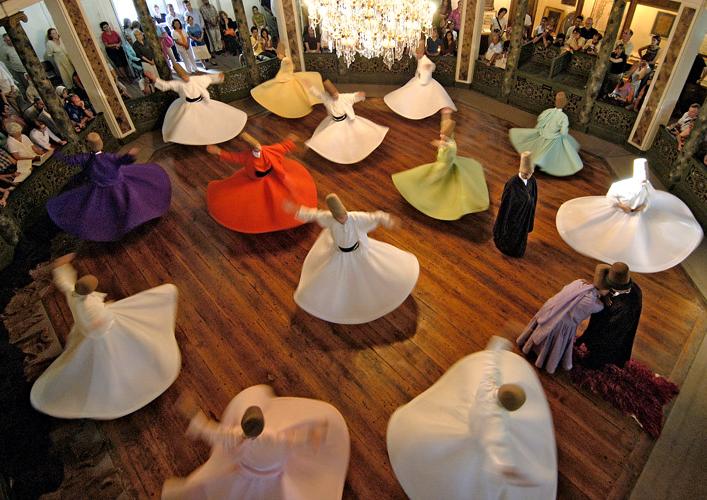 🇹🇷 Turkey and 1 moreSamaSema (Turkish); سَماع (Persian)
A Sufi rite of listening, music and turning, kept by Mevlevi and other Sufi ordersSpiritual
🇹🇷 Turkey and 1 moreSamaSema (Turkish); سَماع (Persian)
A Sufi rite of listening, music and turning, kept by Mevlevi and other Sufi ordersSpiritual
 🇦🇲 Yerevan, Armenia and 6 moreArmenian Genocide Remembrance DayՄեծ Եղեռնի զոհերի հիշատակի օր
An annual day of mourning and remembrance for the victims of the 1915 Armenian Genocide.Spiritual
🇦🇲 Yerevan, Armenia and 6 moreArmenian Genocide Remembrance DayՄեծ Եղեռնի զոհերի հիշատակի օր
An annual day of mourning and remembrance for the victims of the 1915 Armenian Genocide.Spiritual
 🇹🇷 Turkey and 6 moreHıdırellez
A spring festival marking the meeting of two prophets, celebrated across Turkey and the Balkans.Festival · Feasts and festival meals
🇹🇷 Turkey and 6 moreHıdırellez
A spring festival marking the meeting of two prophets, celebrated across Turkey and the Balkans.Festival · Feasts and festival meals
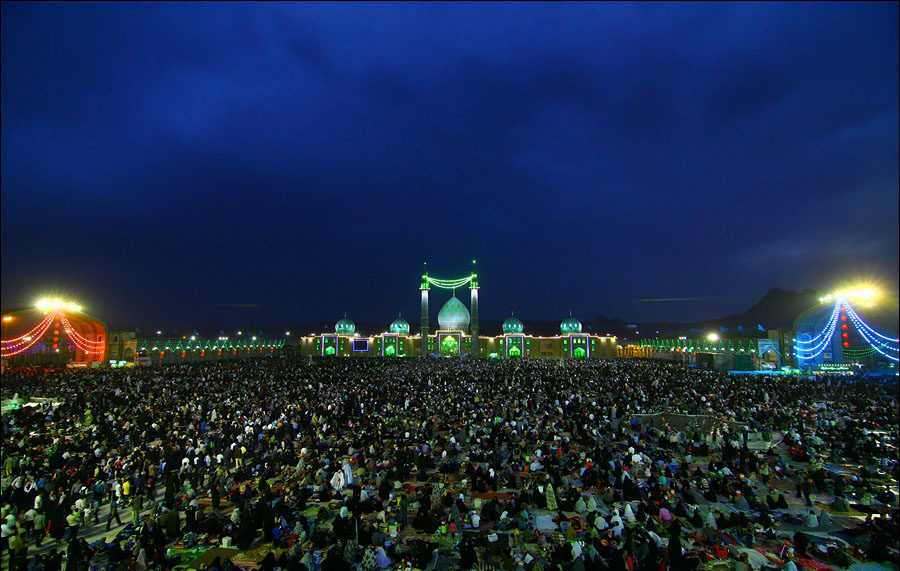 🇮🇷 Iran and 5 moreMid-Sha'banنصف شعبان
An Islamic night of prayer, remembrance, and seeking divine forgiveness.Spiritual
🇮🇷 Iran and 5 moreMid-Sha'banنصف شعبان
An Islamic night of prayer, remembrance, and seeking divine forgiveness.Spiritual
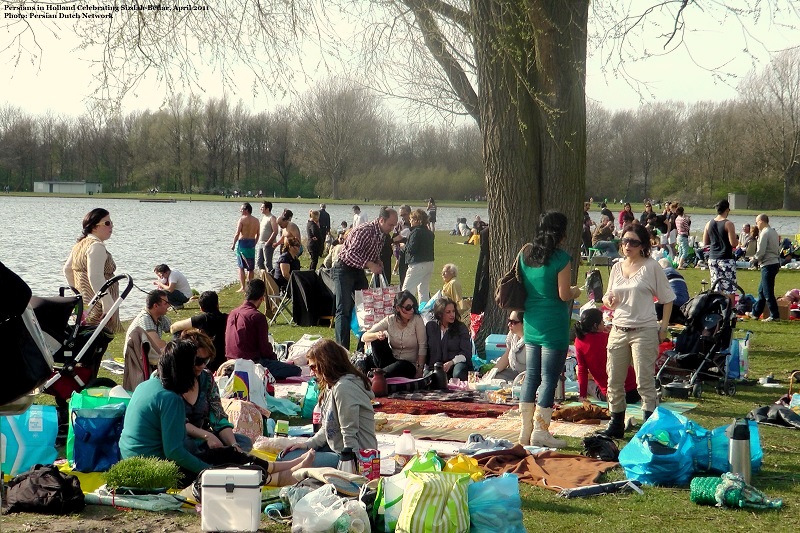 🇮🇷 Iran and 4 moreSizdah Bedarسیزدهبدر
An open-air picnic holiday concluding the Iranian New Year celebrationsFestival
🇮🇷 Iran and 4 moreSizdah Bedarسیزدهبدر
An open-air picnic holiday concluding the Iranian New Year celebrationsFestival
 🇫🇮 Finland and 5 moreMolybdomancy
Pouring molten lead or tin into water, then reading the shape as an omenFolklore
🇫🇮 Finland and 5 moreMolybdomancy
Pouring molten lead or tin into water, then reading the shape as an omenFolklore
 🇹🇷 Erzurum, TurkeyJereedCirit
Riders on horseback throw blunt wooden javelins at rivals in this Turkish team sportGame
🇹🇷 Erzurum, TurkeyJereedCirit
Riders on horseback throw blunt wooden javelins at rivals in this Turkish team sportGame
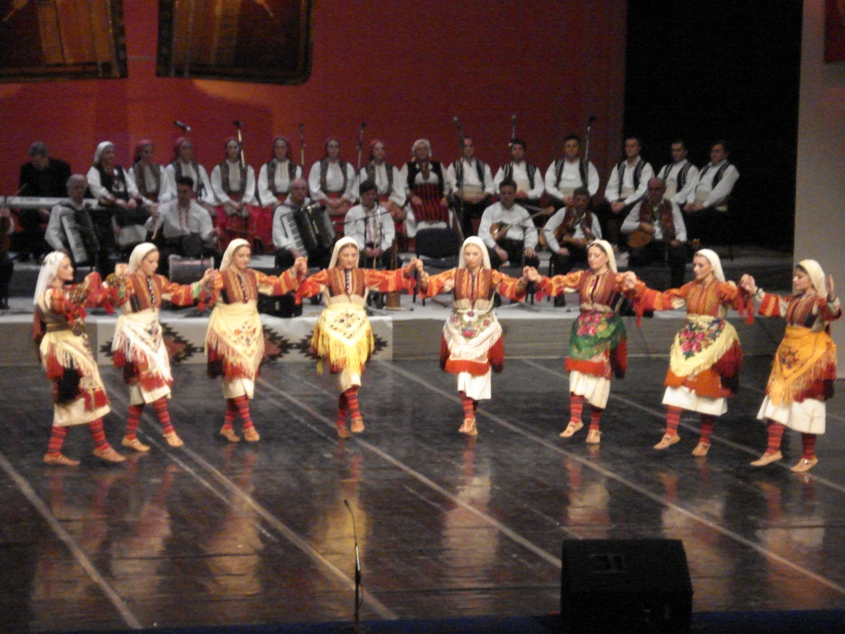 🇷🇴 Bucharest, Romania and 7 moreHorahoră (Romanian), хоро (Bulgarian), оро (Macedonian), הורה (Hebrew)
A circle dance from Southeast Europe, danced at weddings and festivalsPerformance
🇷🇴 Bucharest, Romania and 7 moreHorahoră (Romanian), хоро (Bulgarian), оро (Macedonian), הורה (Hebrew)
A circle dance from Southeast Europe, danced at weddings and festivalsPerformance
 🇹🇷 Edirne, Turkey and 3 moreOil wrestlingYağlı güreş
Oiled wrestlers in leather trousers: Turkey's national sport, centred on KırkpınarGame
🇹🇷 Edirne, Turkey and 3 moreOil wrestlingYağlı güreş
Oiled wrestlers in leather trousers: Turkey's national sport, centred on KırkpınarGame
 🇮🇷 Mashhad, Iran and 7 moreIftarإفطار
The sunset meal that breaks the Ramadan fast, eaten with family and communityTable custom · Fasting and breaking the fast
🇮🇷 Mashhad, Iran and 7 moreIftarإفطار
The sunset meal that breaks the Ramadan fast, eaten with family and communityTable custom · Fasting and breaking the fast
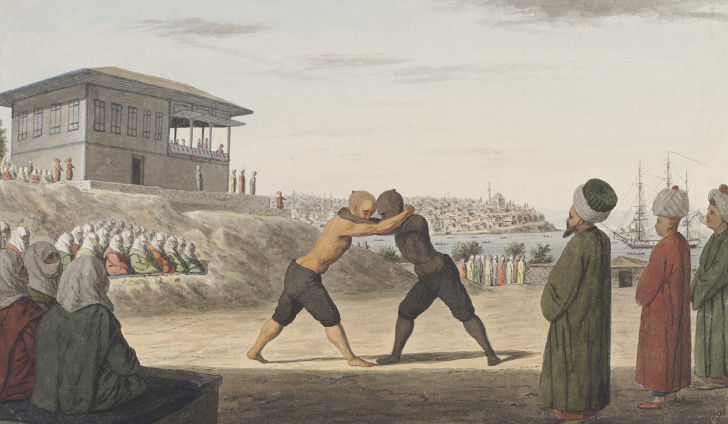 🇹🇷 Edirne, TurkeyKırkpınar
A three-day Turkish oil wrestling contest near Edirne, held each June since 1360Game
🇹🇷 Edirne, TurkeyKırkpınar
A three-day Turkish oil wrestling contest near Edirne, held each June since 1360Game
 🇮🇱 Safed, Israel and 5 moreHakafotהַקָּפוֹת
Circling the synagogue platform with the Torah scrolls, at Sukkot and Simchat TorahSpiritual
🇮🇱 Safed, Israel and 5 moreHakafotהַקָּפוֹת
Circling the synagogue platform with the Torah scrolls, at Sukkot and Simchat TorahSpiritual
 🇹🇷 Turkey and 5 moreNewrozنەورۆز
A Kurdish spring festival and new year celebration marked by bonfires, dance, and the lighting of fires.Festival
🇹🇷 Turkey and 5 moreNewrozنەورۆز
A Kurdish spring festival and new year celebration marked by bonfires, dance, and the lighting of fires.Festival
 🇹🇷 Turkey and 3 moreKalpak
A tall cap of Turkic peoples, thick for winter and wide and light for summerDress
🇹🇷 Turkey and 3 moreKalpak
A tall cap of Turkic peoples, thick for winter and wide and light for summerDress
 🇹🇷 Van, TurkeyTurkish breakfastkahvaltı
A long, shared Turkish morning meal of many small dishes, sweet and savoury, with teaTable custom · Breakfast
🇹🇷 Van, TurkeyTurkish breakfastkahvaltı
A long, shared Turkish morning meal of many small dishes, sweet and savoury, with teaTable custom · Breakfast
 🇬🇪 Georgia and 5 moreChokha
A high-collared wool coat of the Caucasus, worn by men for battle and ceremonyDress
🇬🇪 Georgia and 5 moreChokha
A high-collared wool coat of the Caucasus, worn by men for battle and ceremonyDress
 🇹🇷 Istanbul, Turkey and 5 moreSimit
A sesame-encrusted ring bread sold by street vendors across Turkey and the former Ottoman lands.Table custom · Breakfast
🇹🇷 Istanbul, Turkey and 5 moreSimit
A sesame-encrusted ring bread sold by street vendors across Turkey and the former Ottoman lands.Table custom · Breakfast
 🇬🇷 Greece and 5 moreEvil eye
A belief in harm cast by envious glares, met with protective charms and spoken blessingsFolklore
🇬🇷 Greece and 5 moreEvil eye
A belief in harm cast by envious glares, met with protective charms and spoken blessingsFolklore
 🇮🇷 Tabriz, Iran and 3 morePersian miniatureنگارگری ایرانی
A tradition of small, brightly coloured paintings created for books and albums.Craft
🇮🇷 Tabriz, Iran and 3 morePersian miniatureنگارگری ایرانی
A tradition of small, brightly coloured paintings created for books and albums.Craft
 🇱🇧 Beirut, Lebanon and 7 moreEid il-Burbaraعيد البربارة
A winter feast of costumes, sweet boiled wheat, and sprouting seeds across the LevantFestival · Feasts and festival meals
🇱🇧 Beirut, Lebanon and 7 moreEid il-Burbaraعيد البربارة
A winter feast of costumes, sweet boiled wheat, and sprouting seeds across the LevantFestival · Feasts and festival meals
 🇺🇿 Uzbekistan and 5 moreKurashкөрәш
Central Asian traditional upright folk wrestling using cloth belts or towelsGame
🇹🇷 Turkey and 2 moreSufi whirling
A Sufi meditation in which dervishes spin in circles to turn toward GodSpiritual
🇺🇿 Uzbekistan and 5 moreKurashкөрәш
Central Asian traditional upright folk wrestling using cloth belts or towelsGame
🇹🇷 Turkey and 2 moreSufi whirling
A Sufi meditation in which dervishes spin in circles to turn toward GodSpiritual
 🇬🇷 Greece and 5 moreKallikantzarosκαλικάντζαρος
A malevolent goblin of Greek and Balkan folklore, active in the Christmas season.Folklore
🇬🇷 Greece and 5 moreKallikantzarosκαλικάντζαρος
A malevolent goblin of Greek and Balkan folklore, active in the Christmas season.Folklore
 🇦🇲 Yerevan, Armenia and 5 moreKhachkarխաչքար
A carved stone cross raised as a memorial, a grave marker and a prayer in stoneCraft
🇦🇲 Yerevan, Armenia and 5 moreKhachkarխաչքար
A carved stone cross raised as a memorial, a grave marker and a prayer in stoneCraft
 🇹🇷 Istanbul, TurkeyTurkish tea culture
Two stacked pots, tulip glasses, and a choice of strong or weak tea in TurkeyTable custom · Tea, coffee and drinking ceremonies
🇹🇷 Istanbul, TurkeyTurkish tea culture
Two stacked pots, tulip glasses, and a choice of strong or weak tea in TurkeyTable custom · Tea, coffee and drinking ceremonies
 🇹🇷 Istanbul, TurkeyTurkish folk dance
Regional line and circle dances of Turkey, each with its own step and rhythmPerformance
🇹🇷 Istanbul, TurkeyTurkish folk dance
Regional line and circle dances of Turkey, each with its own step and rhythmPerformance
 🇹🇷 Bursa, Turkey and 5 moreKaragöz and Hacivat
A Turkish shadow play of two quarrelling friends, acted on a lit screen behind a curtainPerformance
🇹🇷 Bursa, Turkey and 5 moreKaragöz and Hacivat
A Turkish shadow play of two quarrelling friends, acted on a lit screen behind a curtainPerformance
 🇹🇷 Turkey and 5 moreCoffee culture
The habits and etiquette of drinking coffee, and the cafés built around itTable custom · Tea, coffee and drinking ceremonies
🇹🇷 Turkey and 5 moreCoffee culture
The habits and etiquette of drinking coffee, and the cafés built around itTable custom · Tea, coffee and drinking ceremonies
 🇪🇬 Egypt and 4 moreOudعُود (ʿūd)
A fretless, pear-shaped Middle Eastern lute, plucked with a plectrum called a rishaPerformance
🇪🇬 Egypt and 4 moreOudعُود (ʿūd)
A fretless, pear-shaped Middle Eastern lute, plucked with a plectrum called a rishaPerformance
 🇮🇶 Kufa, Iraq and 5 moreArabic calligraphykhatt (خَطّ)
Artistic handwriting of the Arabic script, practiced as a sacred craft and a living visual tradition.Craft
🇮🇶 Kufa, Iraq and 5 moreArabic calligraphykhatt (خَطّ)
Artistic handwriting of the Arabic script, practiced as a sacred craft and a living visual tradition.Craft
 🇹🇷 Edirne, TurkeyKakava
A Romani night by the river in Edirne: bonfire, candles and pilafFestival · Feasts and festival meals
🇹🇷 Edirne, TurkeyKakava
A Romani night by the river in Edirne: bonfire, candles and pilafFestival · Feasts and festival meals
Photo credits on this page
The small pictures above come from Wikimedia Commons under free licences. Some are cropped to fit.
- Halay: Post of Moldova, Public domain, source
- World Nomad Games: Save the Dream, CC BY 2.0, source
- Eid al-Fitr: Mohammed Tawsif Salam, CC BY-SA 4.0, source
- Turkish breakfast: MustafaERTAN, CC BY-SA 4.0, source
- Ghazal: Poem by Sa'di of Shiraz (13th century). 19th century manuscript, Public domain, source
- Chaharshanbe Suri: Philippe Giabbanelli, CC BY 3.0, source
- Armenian Genocide Remembrance Day: This photo was made by Hayordi . Այս լուսանկարի հեղինակը Հայորդին է :, CC BY-SA 4.0, source
- Hıdırellez: Правительство Республики Крым, CC BY 4.0, source
- Mid-Sha'ban: sayyed shahab-o- din vajedi, CC BY 4.0, source
- Mawlid: Firdaus Latif, CC BY-SA 2.0, source
- Horon: Macukali, Public domain, source
- Sizdah Bedar: PersianDutchNetwork, CC BY-SA 3.0, source
- Mevlevi Order: Georges Jansoone ( JoJan ), CC BY 3.0, source
- Chichilaki: Mostafameraji, CC BY-SA 4.0, source
- Kurash: IlshatS, CC BY-SA 4.0, source
- Nowruz: Katzenfee50, CC0, source
- Simit: Unknown author, CC BY-SA 3.0, source
- Evil eye: FocalPoint, CC BY-SA 3.0, source
- Persian miniature: 13th century CE painter, Public domain, source
- Eid il-Burbara: Durziil89, CC0, source
- Sama: myself, Public domain, source
- Molybdomancy: Micha L. Rieser, Attribution, source
- Caffè sospeso: Bex Walton, CC BY 2.0, source
- Arabic coffee: Canbel, CC BY-SA 4.0, source
- Ramadan in Turkey: Wiki leylek, CC BY-SA 4.0, source
- Nazar: Alev Akın, CC BY-SA 4.0, source
- Kalpak: Prosopee, CC BY-SA 3.0, source
- Chokha: Pyotr Gankevich, CC BY-SA 3.0, source
- Hakafot: Meir624, CC BY-SA 3.0, source
- Jereed: anonymous Greek artist, ca. 1809, Public domain, source
- Samovar: Unknown author, CC BY-SA 3.0, source
- Armudu tea glass: Interfase, CC BY-SA 3.0, source
- Kırkpınar: anonymous Greek artist, ca. 1809, Public domain, source
- Turkish folk dance: quinn.ayna, CC BY-SA 2.0, source
- Hora: Chajeshukarie ( talk ), Public domain, source
- Iftar: Shariful Islam (Masum), CC BY-SA 4.0, source
- Oil wrestling: No machine-readable author provided. Math34 assumed (based on copyrigh, Public domain, source
- Kallikantzaros: Katolophyromai, CC BY-SA 4.0, source
- Khachkar: Arantz, CC BY-SA 3.0, source
- Turkish tea culture: henribergius, CC BY-SA 2.0, source
- Karagöz and Hacivat: Francesco Bini, CC BY-SA 4.0, source
- Newroz: Salar Arkan - سالار ارکان, CC BY-SA 4.0, source
- Coffee culture: The original uploader was Hajor at English Wikipedia ., CC BY 3.0 br, source
- Oud: Creator:Manol (Emmanuel Venios), CC0, source
- Kakava: CeeGee, CC BY-SA 4.0, source
- Arabic calligraphy: Aieman Khimji, CC BY 2.0, source