Spiritual and religiousMiddle EastMuslim
Mid-Sha'ban
In its own language: نصف شعبان
An Islamic night of prayer, forgiveness, ancestral remembrance and sweet offerings
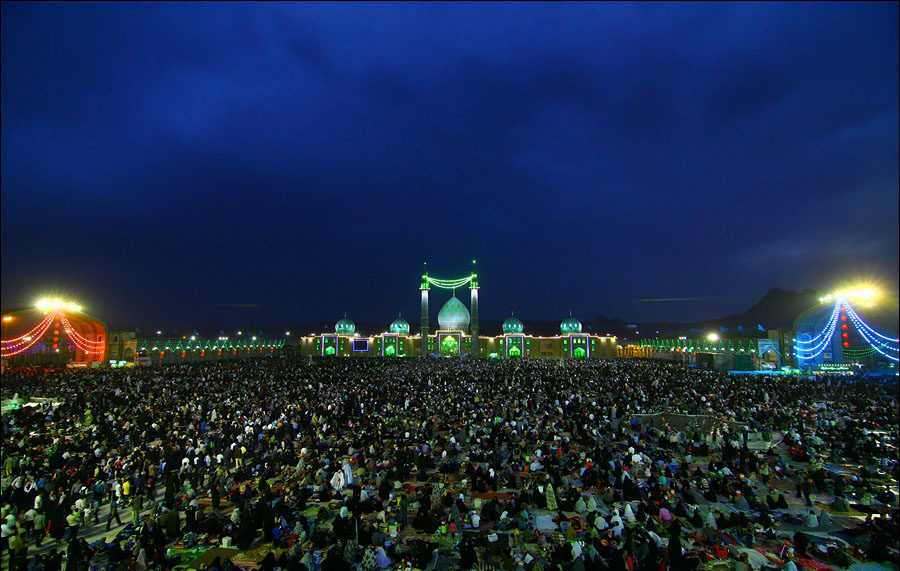
Mid-Sha'ban, also known as Shab-e-Barat, is an Islamic observance held on the eve of the fifteenth of Sha'ban across South, Central, Southeast, and West Asia. Muslims spend the night offering prayers, seeking divine forgiveness, remembering departed ancestors, and sharing sweets.
When is Mid-Sha'ban in 2027?
Mid-Sha'ban 2027 is on Saturday, 23 January 2027. The date follows the moon or a local calendar, so it can move by a day. Other years: 2026, Tuesday, 3 February 2026; 2028, Wednesday, 12 January 2028.
Mid-Sha'ban, widely called Shab-e-Barat across South Asia and Berat Kandili in Turkey, is an Islamic night of worship observed on the fifteenth eve of the month of Sha'ban. Muslims gather to pray for pardon, reflect on their deeds, and remember deceased family members. For Twelver Shia Muslims, the date also marks the birth of Muhammad al-Mahdi, the twelfth Imam.
What the night means
Muslims regard this night as an occasion of mercy and salvation. Many believe God records the destinies and fortunes of individuals for the coming twelve months during this time, forgiving sins for those who turn to prayer. In various traditions, believers also ask for mercy on behalf of departed relatives. For Twelver Shia communities, the night carries additional sacred meaning as the birth anniversary of Muhammad al-Mahdi, traditionally placed in 255 AH (868 CE), which inspires celebratory lights and special supplications.
Prayers and remembrance
Devotions begin at dusk and often continue through the dark hours until the dawn meal. Worshippers recite the Quran, perform special invocations, and gather in mosques for lectures or communal remembrance. Visiting graveyards is a widespread practice based on accounts of the Prophet Muhammad praying at Baqi cemetery. Families clean gravesites, burn candles or incense, scatter flowers, and offer prayers for their deceased ancestors. In parts of Iran, people also burn wild rue and salt near graves as a protective rite against envy.
Sweets and community gatherings
Food sharing is central to the occasion. In South Asia, households prepare sweet dishes like halwa or zarda to give to neighbors and people in need. In Bangladesh, markets sell decorative loaves shaped like fish alongside milk sweets and savory dishes. Children in Iraq receive candies while walking through local streets. Across Iran, Turkey, and other regions, streets and minarets are illuminated with lamps and lanterns. While many scholars encourage private worship and fasting, attitudes vary, and some theological authorities advise against elaborate street celebrations.
How Mid-Sha'ban is kept
Observance begins at sunset on the fourteenth of Sha'ban. Families clean ancestor graves, light candles, and pray in cemeteries. At home and in mosques, worshippers spend the night reciting the Quran, performing optional prayers, and participating in communal zikr or sermons. Specially prepared sweets like halwa and dates are distributed to neighbors and the poor. Some devotees observe fasting during the preceding or following daylight hours, ending night prayers with a pre-dawn meal.
When and where
Mid-Sha'ban falls on the night following sunset on the fourteenth day of Sha'ban, the eighth month of the Islamic lunar calendar. Because the lunar year is shorter than the solar year, the date shifts roughly eleven days earlier in the Gregorian calendar each year.
The holiday is observed across South Asia, Central Asia, Southeast Asia, and West Asia. It is widely kept in countries such as Iran, India, Pakistan, Bangladesh, Turkey, Iraq, and Indonesia.
What Mid-Sha'ban means
The observance represents redemption, divine mercy, and spiritual renewal. Believers view it as a moment when God evaluates deeds and sets future fortunes. Lighting lamps and sharing sweets symbolize hope, hospitality, and honouring the memory of ancestors.


Mid-Sha'ban dates: 2026, 2027, 2028
| Year | Mid-Sha'ban date |
|---|---|
| 2026 | Tuesday, 3 February 2026 |
| 2027 | Saturday, 23 January 2027 |
| 2028 | Wednesday, 12 January 2028 |
This date follows the moon or a local calendar and can move by a day, so check with a local source nearer the time.
Questions people ask about Mid-Sha'ban
When is Mid-Sha'ban in 2027?
Mid-Sha'ban 2027 is on Saturday, 23 January 2027. The date follows the moon or a local calendar, so it can move by a day. Other years: 2026, Tuesday, 3 February 2026; 2028, Wednesday, 12 January 2028.
What is Mid-Sha'ban or Shab-e-Barat?
It is an Islamic observance held on the eve of the fifteenth of Sha'ban. Muslims spend the night in prayer, seeking divine forgiveness, remembering ancestors, and sharing sweets.
Why do people visit cemeteries on this night?
Visiting graveyards is customary to pray for the forgiveness of deceased ancestors and relatives, inspired by traditions of the Prophet Muhammad praying at Baqi cemetery.
What special meaning does it hold in Shia Islam?
Twelver Shia Muslims celebrate the night as the birthday of Muhammad al-Mahdi, their twelfth Imam, marking the occasion with city illuminations, prayers, and festive gatherings.
See also
 Eid al-FitrThe feast that ends Ramadan, opened with morning prayers, sweets and visits home
 Night of PowerThe night Muslims believe the Quran first came down, sought in Ramadan's last ten nights
 TheyyamA sacred ritual dance and divine invocation from North Malabar in India
 PretaOfferings and rites for spirits enduring deep hunger across Asian traditions.
Good reading and sources
- Shab-e-Baraat 2020: Date, history and significance of Shab-e-BaraatHindustan Times, Article
- Shab-e-Barat 2021: Know about the importance of the dayThe Indian Express, Article
- Tradition of breadmaking on SHAB-E-BARAT still alive in Old DhakaThe Daily Star, Article
- Shab-e-Baraat 2020: Date, history and significance of Shab-e-BaraatHindustan Times, Article
- Shab-e-Barat 2021: Know about the importance of the dayThe Indian Express, Article
- Tradition of breadmaking on SHAB-E-BARAT still alive in Old DhakaThe Daily Star, Article
The facts on this page come from the Wikipedia article "Mid-Sha'ban", written by its contributors and used under the CC BY-SA 4.0 licence, and from its Wikidata record (CC0). EveryParampara rewrote the text in its own words, with AI assistance, and compares every page with the article to make sure no passage is copied. It may be reused under the same CC BY-SA 4.0 licence with a link back.
It may contain mistakes. Traditions differ from one family, village and community to the next, and the people who keep them know them best. If something is wrong, tell us. Last refreshed 2026-10-06.
More from Iran
All the traditions of Iran 🇮🇱 Jerusalem, Israel and 5 moreTisha B'Avתשעה באב
A solemn fast day in July or August to mourn the destruction of the Jerusalem Temples and other Jewish tragedies.Spiritual · Fasting and breaking the fast
🇮🇷 Iran and 5 moreMid-Sha'banنصف شعبان
An Islamic night of prayer, remembrance, and seeking divine forgiveness.Spiritual
🇮🇱 Jerusalem, Israel and 5 moreTisha B'Avתשעה באב
A solemn fast day in July or August to mourn the destruction of the Jerusalem Temples and other Jewish tragedies.Spiritual · Fasting and breaking the fast
🇮🇷 Iran and 5 moreMid-Sha'banنصف شعبان
An Islamic night of prayer, remembrance, and seeking divine forgiveness.Spiritual
 🇨🇳 China and 5 moreAncestor worship
Honouring dead relatives with offerings and prayers, kept in many cultures worldwideSpiritual
🇨🇳 China and 5 moreAncestor worship
Honouring dead relatives with offerings and prayers, kept in many cultures worldwideSpiritual
 🇮🇷 Iran and 2 moreRowzeh-khani
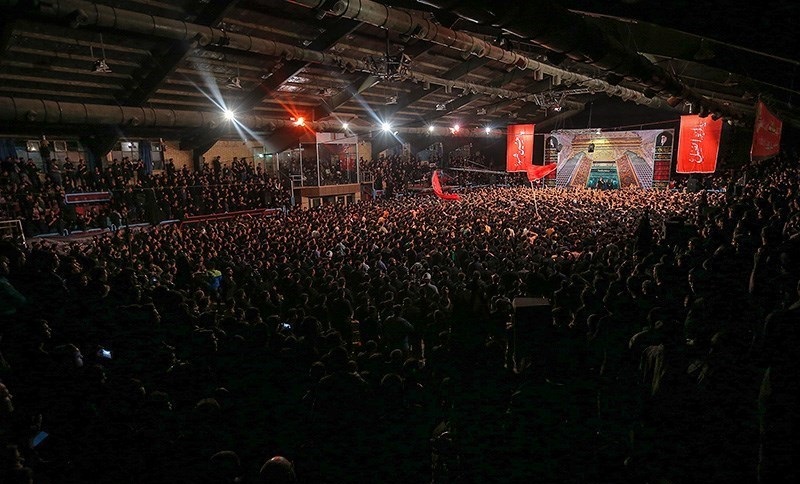
A Shia Muslim ritual of reciting mourning narratives about the Battle of Karbala.Spiritual
🇮🇷 Iran and 2 moreRowzeh-khani
A Shia Muslim ritual of reciting mourning narratives about the Battle of Karbala.Spiritual
The same idea elsewhere
Remembering the ancestors compared 🇮🇪 Ireland and 5 moreHalloween
An annual observance on 31 October marking the eve of All Saints' Day, rooted in Christian tradition and Celtic heritageFestival · Sweets given and shared
🇮🇪 Ireland and 5 moreHalloween
An annual observance on 31 October marking the eve of All Saints' Day, rooted in Christian tradition and Celtic heritageFestival · Sweets given and shared
 🇮🇳 Ayodhya, India and 7 moreDiwaliदीपावली (Dīpāvalī)
A five-day festival of lights celebrated across India and its diaspora to mark the victory of light over darkness.Festival · Feasts and festival meals
🇮🇳 India and 5 morePretaप्रेत
Offerings and rites for spirits enduring deep hunger across Asian traditions.Spiritual
🇮🇳 Ayodhya, India and 7 moreDiwaliदीपावली (Dīpāvalī)
A five-day festival of lights celebrated across India and its diaspora to mark the victory of light over darkness.Festival · Feasts and festival meals
🇮🇳 India and 5 morePretaप्रेत
Offerings and rites for spirits enduring deep hunger across Asian traditions.Spiritual
 🇧🇩 Bangladesh and 1 moreAlpanaআলপনা (Alpona)
A Bengali floor painting tradition using rice flour paste to mark festivals and rituals.Performance
🇧🇩 Bangladesh and 1 moreAlpanaআলপনা (Alpona)
A Bengali floor painting tradition using rice flour paste to mark festivals and rituals.Performance