Festivals and celebrationsEast AsiaMuslimJewish
Lunar New Year
New year festivals dated by the moon, kept from East Asia to the Middle East

Lunar New Year is the start of a year in calendars that count months by the moon. Pure lunar calendars hold to twelve months and let the date drift through the seasons, while lunisolar calendars add a leap month now and then to stay close to the sun. Billions of people keep these new years, from Chinese, Korean and Vietnamese communities to Muslim and Jewish ones.
When is Lunar New Year in 2027?
Lunar New Year 2027 runs from 7 to 21 February 2027. Other years: 2026, 17 February to 3 March 2026; 2028, 26 January to 9 February 2028.
Lunar New Year is the start of the year in calendars that count months by the moon. Some of those calendars also follow the sun, and their new year arrives in winter or spring. Others ignore the sun, so the date drifts through the seasons. The name covers many festivals, each with its own customs, kept by billions of people from East Asia to the Middle East.
Two kinds of calendar
Every lunar month opens with a new moon. Twelve of them come to about eleven days less than a solar year, the time the earth takes to travel once around the sun. A purely lunar calendar keeps that count and never corrects it, so its new year slides backwards through the seasons. Lunisolar calendars keep twelve months in most years but add a thirteenth, called a leap month, every few years. That holds them in step with the sun. Neither kind of calendar gives a new year that stays on one day of the Gregorian calendar, the civil calendar used in much of the world.
Where the date falls
The rules for fixing the first day differ from calendar to calendar. A purely lunar year restarts at the first new moon counted once twelve months have passed, with the sun left out of the reckoning. Lunisolar calendars tie the restart to the sun. Chinese New Year arrives a couple of new moons after the December solstice, and in years carrying a leap month it comes later still. Korea and Vietnam usually celebrate on the same day, because they work from the Chinese calendar or a close variant, though their customs and the length of the holiday can differ.
What the name means
The festivals are far older than the English words for them. The earliest printed use of "Chinese New Year" in English comes from a 1704 translation of an Italian travel book. "Lunar New Year" appeared within the British Empire: a London and China newspaper used the phrase in 1865 for a Thai festival. British Hong Kong wrote it into law in 1968, replacing "Chinese New Year" on its list of public holidays. The wider name suits calendars that several countries share, and people from Vietnam and South Korea in particular have encouraged its use.
Around the world
East Asian communities mark a lunisolar new year drawn from the Chinese calendar. China calls it the Spring Festival, Korea Seollal, Vietnam Tết. Mongolians keep Tsagaan Sar and Tibetans Losar, and the Ryukyu islands of Japan still follow the lunisolar date while the rest of Japan moved to the solar new year. In South and Southeast Asia, Burmese, Cambodian, Lao, Sri Lankan and Thai celebrations follow the Buddhist calendar and fall in mid-April. Muslim communities keep a lunar new year that moves through the seasons, and Jewish communities keep Rosh Hashanah in autumn.
Recognition and change
Lunar New Year became a United Nations holiday in 2023. The General Assembly decision behind it pointed to the Spring Festival, the new year of the Chinese calendar, which Vietnam, Singapore, Malaysia and Korea also keep. In the United States, California and New York treat it as a public holiday. Naming is still argued over there: since the mid-2010s Korean and Vietnamese Americans have objected to official use of "Chinese New Year", and in 2019 an online activist group in South Korea pressed foreign websites and broadcasters to change the term.
How Lunar New Year is kept
Households come together, and what they do differs by calendar and country. Before the Chinese New Year, homes are cleaned from top to bottom, a practice that grew out of an older year-end rite meant to drive off illness. Families then share a meal, and in Vietnam they gather to make bánh tét. Muslims greet the Hijri new year with prayer and quiet reflection. Jewish communities hear the shofar blown on Rosh Hashanah, then keep ten days of awe that close with Yom Kippur.
When and where
Each calendar sets its own day, so the date moves in the Gregorian calendar. Chinese-calendar communities keep it in late January or February. Buddhist new years in South and Southeast Asia fall in mid-April. The Hijri new year shifts about eleven days earlier each year and can arrive twice within one Gregorian year. Rosh Hashanah comes in autumn, near the September equinox.
It is kept across East Asia, in Chinese, Vietnamese, Korean, Mongolian and Tibetan communities, and by their diasporas in countries such as Canada and the United States. Buddhist new year celebrations are held in Thailand, Cambodia, Laos and Sri Lanka. Muslim and Jewish new years are observed across the Middle East and wherever those communities live. Singapore, Malaysia and Brunei name Chinese New Year as an official holiday.
What Lunar New Year means
A new year is a threshold, a point for settling accounts with the past and beginning again. Cleaning the house before Chinese New Year is about sweeping misfortune out of the door. Rosh Hashanah is taught as a day of judgment for all humanity, opening ten days of repentance. Tu BiShvat, the new year for trees, gives every tree a birthday and is now kept with an eye on the environment. For Muslims the Hijri new year is a quiet marker of time passing rather than a feast.


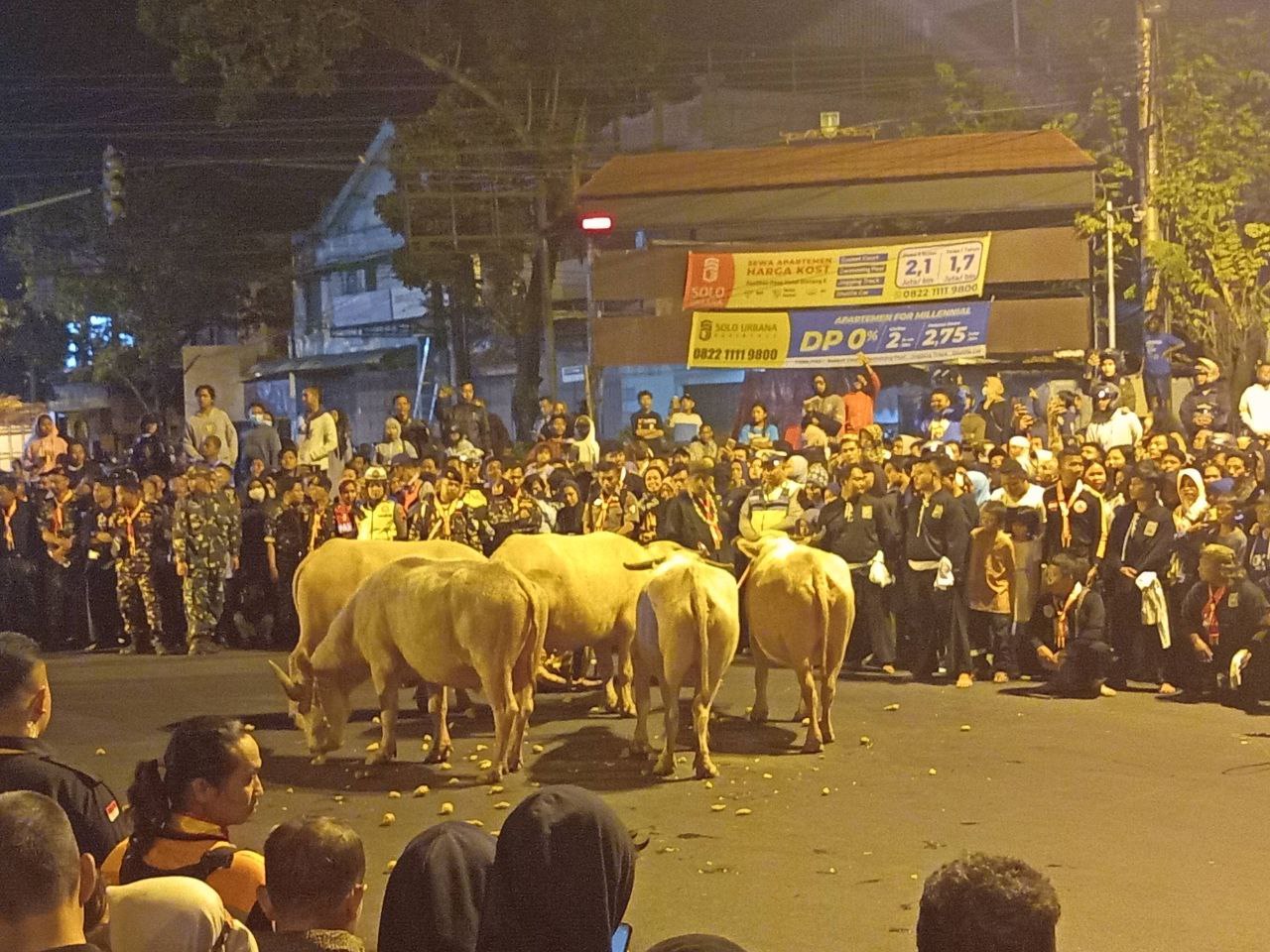

Days Lunar New Year is marked
Lunar New Year dates: 2026, 2027, 2028
| Year | Lunar New Year date |
|---|---|
| 2026 | 17 February to 3 March 2026 |
| 2027 | 7 to 21 February 2027 |
| 2028 | 26 January to 9 February 2028 |
Questions people ask about Lunar New Year
When is Lunar New Year in 2027?
Lunar New Year 2027 runs from 7 to 21 February 2027. Other years: 2026, 17 February to 3 March 2026; 2028, 26 January to 9 February 2028.
What is Lunar New Year?
It is the first day of the year in calendars that count months by the moon. Some of those calendars also follow the sun and insert a leap month; others follow the moon alone, so their new year moves through the seasons.
Where is it kept?
In China, Vietnam, Korea, Mongolia, Tibet, Singapore, Malaysia and Brunei, among other places, and by communities from those countries living abroad. Thai, Cambodian and Sri Lankan new years are kept in mid-April. Muslim and Jewish new years are observed worldwide.
Why not just call it Chinese New Year?
Because the festivals are not all Chinese and not all lunar. Vietnam and South Korea have pressed for the broader term, and some American politicians have taken it up. In China itself the festival is officially called the Spring Festival.
Is it a public holiday anywhere?
In some places. Singapore, Malaysia and Brunei name Chinese New Year as an official holiday, and California and New York in the United States mark Lunar New Year as a public holiday. The United Nations added it to its own holiday list in 2023.
See also
 DiwaliA five-day festival of lights celebrated across India and its diaspora to mark the victory of light over darkness.
 VesakA day to honor the birth, awakening, and passing of the Buddha, kept by Buddhists across Asia.
 Mid-Autumn FestivalAn annual harvest festival celebrating family reunions, full moons and mooncakes
 Ganesh ChaturthiA Hindu festival celebrating the arrival of Ganesha, marked by clay idols, sweets, and public processions.
Good reading and sources
- Nisga'a ring in their new year with Hobiyee celebration in B.C.CBC, Article
- Nisga'a ring in their new year with Hobiyee celebration in B.C.CBC, Article
- Lunar New Year on WikipediaEncyclopedia
- More photos on Wikimedia CommonsPhotos and video
- Wikidata recordOpen data
The facts on this page come from the Wikipedia article "Lunar New Year", written by its contributors and used under the CC BY-SA 4.0 licence, and from its Wikidata record (CC0). EveryParampara rewrote the text in its own words, with AI assistance, and compares every page with the article to make sure no passage is copied. It may be reused under the same CC BY-SA 4.0 licence with a link back.
It may contain mistakes. Traditions differ from one family, village and community to the next, and the people who keep them know them best. If something is wrong, tell us. Last refreshed 2026-10-05.
More from China
All the traditions of China
🇨🇳 China and 5 moreMid-Autumn Festival中秋節
An annual harvest festival celebrating family reunions, full moons and mooncakesFestival · Sweets given and shared
 🇷🇺 Kazan, Russia and 2 moreSabantuyСабан туе (Saban tuyı)
A summer festival of folk sports and feasting celebrated by Tatar, Bashkir, Chuvash, and Kazakh communities.Festival · Feasts and festival meals
🇷🇺 Kazan, Russia and 2 moreSabantuyСабан туе (Saban tuyı)
A summer festival of folk sports and feasting celebrated by Tatar, Bashkir, Chuvash, and Kazakh communities.Festival · Feasts and festival meals
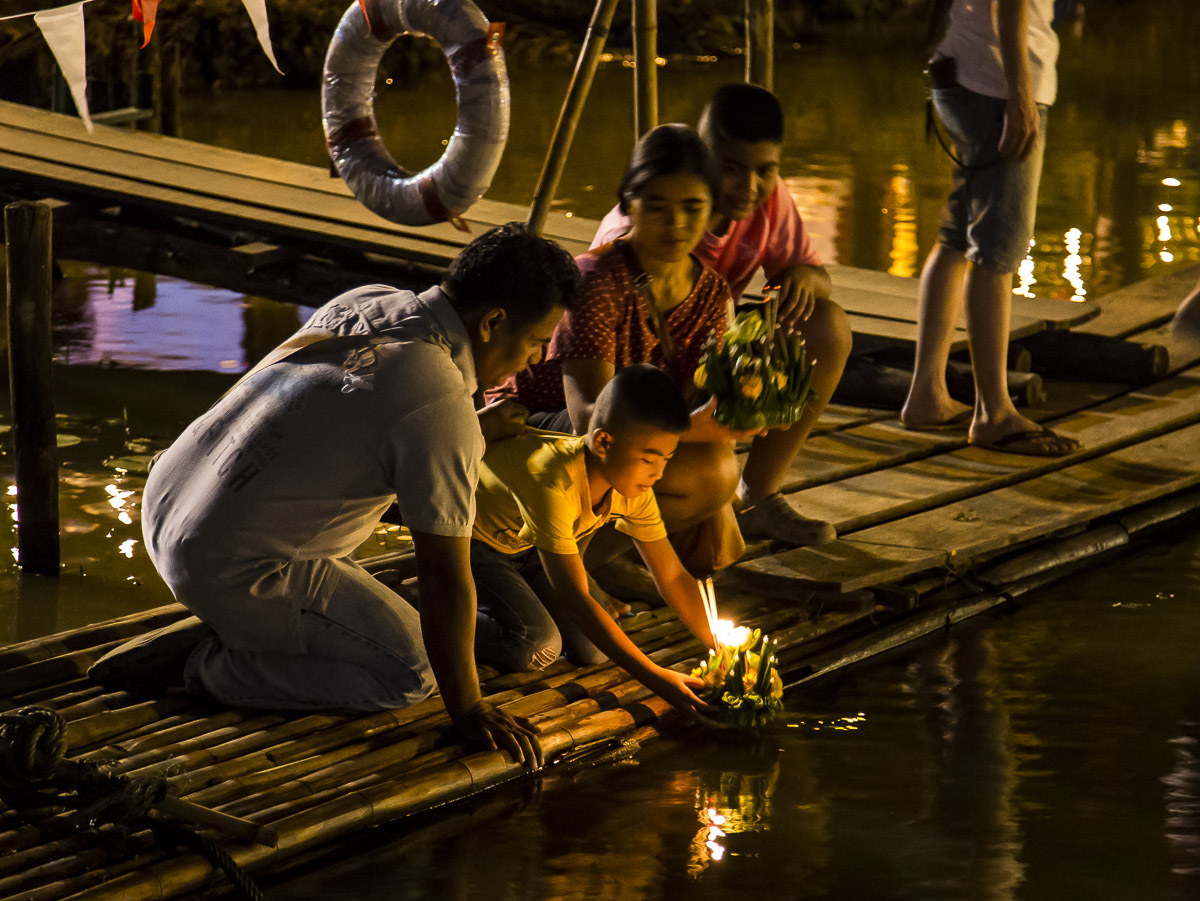 🇹🇭 Chiang Mai, Thailand and 5 moreLoy Krathongลอยกระทง
A Thai festival of floating leaf baskets on rivers to honor water and release negativity.Festival
🇹🇭 Chiang Mai, Thailand and 5 moreLoy Krathongลอยกระทง
A Thai festival of floating leaf baskets on rivers to honor water and release negativity.Festival
 🇨🇳 China and 5 moreChinese New Year's Evechúxī
A reunion day for ethnic Chinese families before the Lunar New Year, marked by feasts, rituals, and staying up late.Festival · Dinner
🇨🇳 China and 5 moreChinese New Year's Evechúxī
A reunion day for ethnic Chinese families before the Lunar New Year, marked by feasts, rituals, and staying up late.Festival · Dinner
The same idea elsewhere
New Year compared 🇧🇹 Bhutan and 4 moreLosarལོ་གསར་
The Tibetan Buddhist New Year festival of renewal, offerings, and family feastsSeasonal · Feasts and festival meals
🇧🇹 Bhutan and 4 moreLosarལོ་གསར་
The Tibetan Buddhist New Year festival of renewal, offerings, and family feastsSeasonal · Feasts and festival meals
 🇮🇳 India and 1 moreUgadiఉగాది
A South Indian New Year feast celebrating life with sweet, sour, and bitter tastesSeasonal
🇮🇳 India and 1 moreUgadiఉగాది
A South Indian New Year feast celebrating life with sweet, sour, and bitter tastesSeasonal
 🇮🇳 India and 1 moreCheti Chandچيٽي چنڊ
The Sindhi New Year festival celebrating the arrival of spring and JhulelalSeasonal · Feasts and festival meals
🇮🇳 India and 1 moreCheti Chandچيٽي چنڊ
The Sindhi New Year festival celebrating the arrival of spring and JhulelalSeasonal · Feasts and festival meals
 🇮🇳 Guwahati, IndiaBohag Bihu
A multi-day Assamese New Year festival of cattle rites, music, gifts and feastsSeasonal · Feasts and festival meals
🇮🇳 Guwahati, IndiaBohag Bihu
A multi-day Assamese New Year festival of cattle rites, music, gifts and feastsSeasonal · Feasts and festival meals