Seasons, harvest and the calendarSouth AsiaHindu
Cheti Chand
In its own language: چيٽي چنڊ
The Sindhi New Year festival celebrating the arrival of spring and Jhulelal

Cheti Chand is the New Year festival celebrated by Sindhi Hindus across India, Pakistan, and worldwide diasporas. Held in early spring during the lunar month of Chet, it honors the deity Jhulelal with festive processions, river offerings, music, and community banquets.
When is Cheti Chand marked?
Cheti Chand is kept as part of Ugadi and Gudi Padwa, which is on Wednesday, 7 April 2027.
Cheti Chand is the annual New Year celebration of the Sindhi Hindu community, welcoming spring and commemorating the birth of their patron protector, Jhulelal. Observed in late March or early April, the occasion unites families for community banquets, joyful street dancing, and riverside rituals. Devotees offer prayers of gratitude and renew their cultural bonds across India, Pakistan, and the global diaspora.
Origins and the Jhulelal legend
Sindhi tradition traces this holiday back to the year 1007, marking the emergence of Uderolal. According to local belief, community members gathered beside the River Indus to seek help from the water god Varun Dev during a time of oppression under the ruler Mirkhshah. In response, the deity appeared as Jhulelal, a warrior elder who defended the people and urged the ruler to grant equal freedom of faith to Hindus and Muslims alike. Both communities came to revere this figure, with Sufi followers honouring him as Khwaja Khizir or Zindapir.
Processions and the sacred offering
A central custom of the celebration involves carrying the Baharana Sahib, a decorative shrine representing Jhulelal, in a procession to a nearby river or lake. This ceremonial display includes a lighted oil lamp, crystal sugar, cardamom seeds, fruit, and grain offerings. Behind these sits a brass water pot crowned with a whole coconut, fresh leaves, and colourful blooms, alongside a sacred image of Jhulelal. Community members accompany the float with festive dancing and decorated stages displaying various Hindu deities.
Community gatherings and fairs
The roots of the observance connect closely with the Daryapanthi tradition. Historically, during British colonial governance, extensive annual gatherings and fairs took place at shrines in Uderolal and near Hyderabad in Pakistan. Today, Sindhis continue this festive practice with expansive public fairs, grand feasts, and cultural performances. The festivities provide an opportunity for scattered communities to meet, share meals, and honour the turn of the agricultural season alongside their spiritual heritage.
How Cheti Chand is kept
Celebrations span two days and bring communities together for fairs, feasting, and group dancing. People gather to assemble the Baharana Sahib, placing an oil lamp, sugar crystals, cardamom, and fruit alongside a water vessel decorated with a coconut and flowers. Devotees carry this shrine in a lively parade featuring floats of Jhulelal and other deities before immersing the offerings into a local body of water, thanking the river for protection and abundance.
When and where
The festival takes place during the opening days of the Sindhi month of Chet, corresponding to late March or early April. Its timing aligns with regional New Year holidays across India, including Ugadi and Gudi Padwa.
Cheti Chand is observed widely across India and Pakistan, particularly around historic sites near Hyderabad and Uderolal. Sindhi diaspora communities around the world also hold large gatherings and riverside rituals each year.
What Cheti Chand means
For Sindhi Hindus, the holiday celebrates both the natural revival of spring harvests and divine salvation. Honouring Jhulelal recalls the triumph of religious tolerance and mutual respect over tyranny, reminding worshippers of their resilience, unity, and shared cultural identity rooted along the Indus River.
On the table
Flavours: Cardamom
Days Cheti Chand is marked
Questions people ask about Cheti Chand
When is Cheti Chand marked?
Cheti Chand is kept as part of Ugadi and Gudi Padwa, which is on Wednesday, 7 April 2027.
What is Cheti Chand?
Cheti Chand is the Sindhi Hindu New Year festival. It marks the arrival of spring and harvest while commemorating the birth of Jhulelal, the community's revered protector and an incarnation of the deity Varun Dev.
How do devotees worship Jhulelal during the festival?
Worshippers prepare the Baharana Sahib, a sacred offering featuring an oil lamp, spices, fruit, and a decorated water pot. They carry it in musical processions to rivers or lakes for immersion.
Who was Mirkhshah in the Cheti Chand story?
According to tradition, Mirkhshah was a tyrannical ruler whose oppression prompted Sindhis to pray at the River Indus. In response, Jhulelal appeared to defend the community and demand religious freedom for all faiths.
See also
 LosarThe Tibetan Buddhist New Year festival of renewal, offerings, and family feasts
 UgadiA South Indian New Year feast celebrating life with sweet, sour, and bitter tastes
 LohriA northern Indian midwinter festival of evening bonfires, folk songs and harvest foodsSohraiA harvest and cattle observance kept by indigenous communities in eastern India
Good reading and sources
The facts on this page come from the Wikipedia article "Cheti Chand", written by its contributors and used under the CC BY-SA 4.0 licence, and from its Wikidata record (CC0). EveryParampara rewrote the text in its own words, with AI assistance, and compares every page with the article to make sure no passage is copied. It may be reused under the same CC BY-SA 4.0 licence with a link back.
It may contain mistakes. Traditions differ from one family, village and community to the next, and the people who keep them know them best. If something is wrong, tell us. Last refreshed 2026-10-04.
More from India
All the traditions of India 🇮🇷 Iran and 7 moreNowruzنوروز
The Iranian new year at the March equinox, kept with fire, greenery and picnicsSeasonal
🇮🇷 Iran and 7 moreNowruzنوروز
The Iranian new year at the March equinox, kept with fire, greenery and picnicsSeasonal
 🇮🇳 IndiaIndian national calendar
India's official civil solar calendar, designed to bring unity to timekeepingSeasonal
🇮🇳 IndiaIndian national calendar
India's official civil solar calendar, designed to bring unity to timekeepingSeasonal
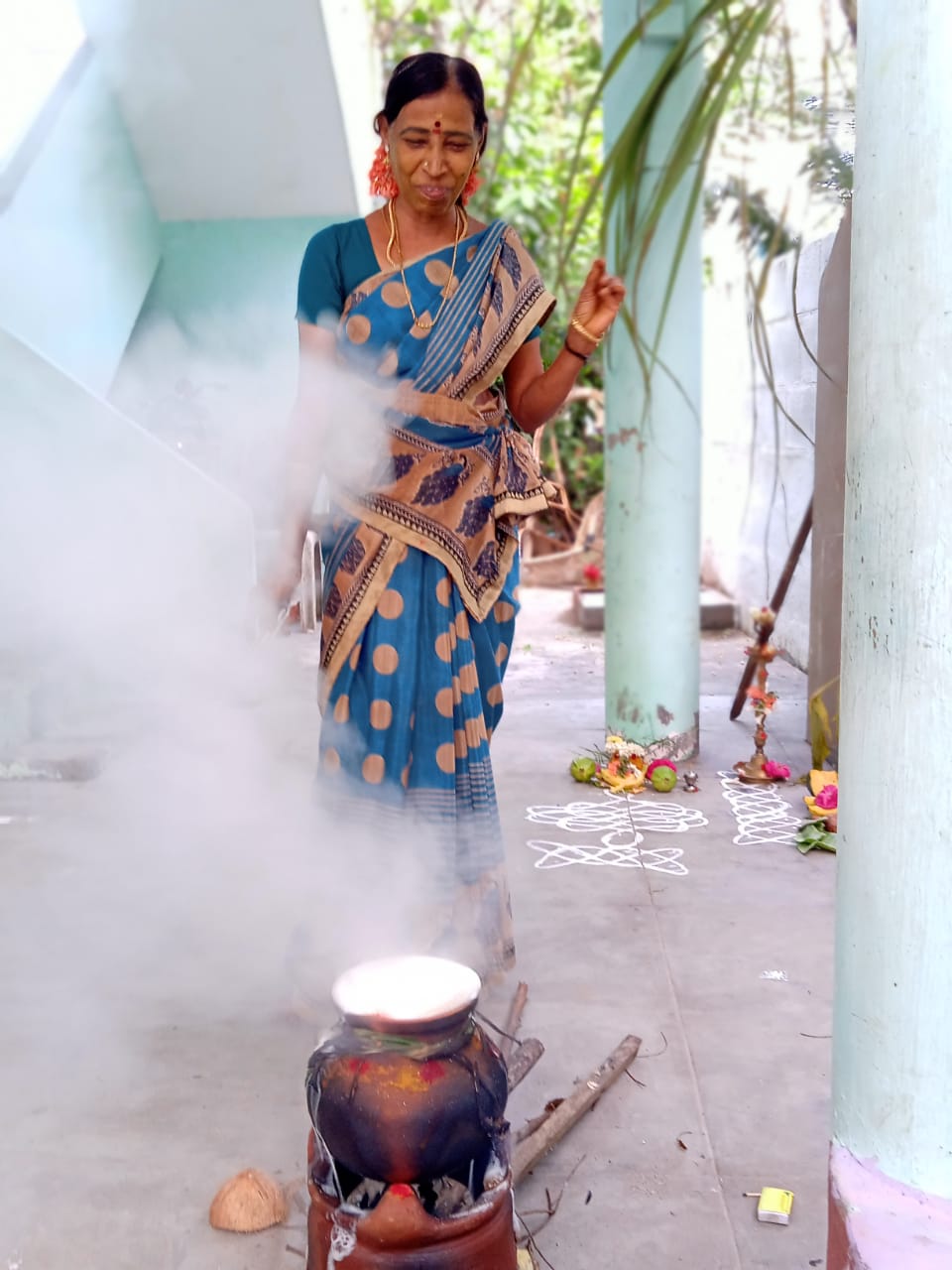 🇮🇳 India and 5 morePongal
Three or four days of boiling rice, garlanded cattle and thanks to the sunSeasonal · Sweets given and shared
🇧🇹 Bhutan and 4 moreLosarལོ་གསར་
The Tibetan Buddhist New Year festival of renewal, offerings, and family feastsSeasonal · Feasts and festival meals
🇮🇳 India and 5 morePongal
Three or four days of boiling rice, garlanded cattle and thanks to the sunSeasonal · Sweets given and shared
🇧🇹 Bhutan and 4 moreLosarལོ་གསར་
The Tibetan Buddhist New Year festival of renewal, offerings, and family feastsSeasonal · Feasts and festival meals
The same idea elsewhere
New Year compared 🇧🇬 Bulgaria and 4 moreKukeriкукери (kukeri)
Masked and belled figures who tour Bulgarian villages at New Year to drive off harmSpiritual
🇧🇬 Bulgaria and 4 moreKukeriкукери (kukeri)
Masked and belled figures who tour Bulgarian villages at New Year to drive off harmSpiritual
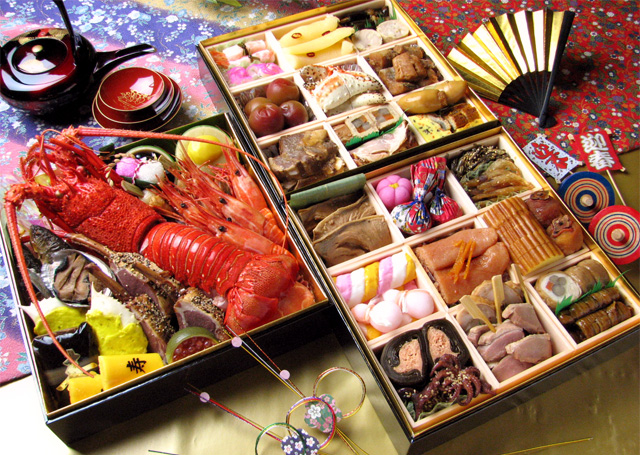 🇯🇵 Tokyo, JapanJapanese New Year正月
An annual celebration of renewal, seasonal foods, and bell ringing across JapanSeasonal · Feasts and festival meals
🇯🇵 Tokyo, JapanJapanese New Year正月
An annual celebration of renewal, seasonal foods, and bell ringing across JapanSeasonal · Feasts and festival meals
 🇹🇭 Bangkok, ThailandSongkranสงกรานต์
The three-day Thai New Year festival marked by water rituals and blessings for eldersFestival
🇹🇭 Bangkok, ThailandSongkranสงกรานต์
The three-day Thai New Year festival marked by water rituals and blessings for eldersFestival
 🇨🇳 Hong Kong, China and 5 moreLunar New Year
New year festivals dated by the moon, kept from East Asia to the Middle EastFestival
🇨🇳 Hong Kong, China and 5 moreLunar New Year
New year festivals dated by the moon, kept from East Asia to the Middle EastFestival