Macedonian embroidery
A hand-stitched village craft of vests, shirts and head covers in North Macedonia

Macedonian embroidery is the stitched ornament of Macedonian culture, worked onto the vests, tunic-like shirts and head covers worn in North Macedonia's villages. It grew from proto-Slavic and Old-Balkan roots with strong Byzantine influence, and reached its height in the nineteenth century.
Embroidery is one of the oldest hand crafts of the Macedonians: stitched ornament worked onto clothing, most of all the vests, shirts and head covers worn in villages. Patterns passed from one generation to the next, shaped by Old-Balkan and Byzantine influences. The craft reached its height in the nineteenth century and has been studied and recorded ever since.
What it is
Macedonian embroidery is the name for all the embroidery that belongs to Macedonian culture. It is hand-worked ornament on cloth, and the pieces that carry it are clothing rather than framed pictures: vests, shirts and head covers. It appeared with the arrival of Slavic peoples in the Balkan Peninsula and travelled down the generations, in keeping with the beliefs and spirituality of Macedonians. Its roots are proto-Slavic, and later periods and cultures added to it. The nineteenth century was its high point. Books and collections now hold many of the patterns.
Origins and history
The tradition grew as Slavic settlers reached the Balkans, taking older Balkan elements into their styles as they settled. Byzantine culture mattered a great deal, helped by simple proximity, and its luxurious textiles show in the way Macedonian shirts are decorated. Five centuries under the Ottoman Empire did not, in the sources' account, leave Islam written into the embroidery itself, though colours shifted and new motifs came in. The distinct Macedonian manner that emerged is credited to the collective artistic capacity of the community where it grew, rather than to outside hands alone.
Dress and objects
Vests are the commonest carrier. Traditional vests, above all the village kind, were embroidered and stayed in everyday use for a long time. Female vests, embroidered shirts and head covers were the usual places to find the work. The female shirt is tunic-shaped and typical of North Macedonia; it keeps traces of an ancient ornamented Balkan tunic that predates the Slavic arrival and appears among other Slavic peoples too. Head wear includes bride vests, valued for their history. In form, technique, ornamentation and function they closely resemble vests worn by some peoples of the Povolzhye region, a likeness pointing to old cultural links.
What it means
Embroidery was decoration with a duty. Because it moved down the generations along with the beliefs and spirituality of Macedonians, a pattern could say something about who a person was and where they came from. The work was collective in spirit: the sources credit the particular Macedonian character of the craft to the artistic potential of the whole environment that produced it, not to named individual makers. Bride vests are the clearest case of embroidery treated as heritage rather than trimming, kept and examined for their form, technique, ornamentation and function together.
Today and change
Village vests stayed in day-to-day use until the early decades of the twentieth century and then slipped out of ordinary dress. What remains is a body of patterns and garments held in collections and written down. Angelina Krsteva's 1987 book on Macedonian traditional embroidery was published in Skopje by the Folklore Institute, and Anica Petrusheva's 1991 work on traditional dress appeared in Ethnology of the Macedonians, from the Macedonian Academy of Sciences and Arts. Colours and motifs had kept changing through all of this, but the stitches and the garment shapes stayed recognisable.
How Macedonian embroidery is kept
Embroidery was learned in the home and handed down from one generation to the next. Pieces were made for the garments people actually wore: village vests, tunic-like shirts and head covers, including the bride's vest kept for a marriage. Each place worked its own mix of stitch and motif, and forms were adjusted as Slavic settlers met older Balkan cultures. Byzantine textiles, admired for their luxury, left their mark on the decoration of shirts. Work of this kind was collective, drawn from the surroundings and the skills of the community where it was made.
When and where
Macedonian embroidery belongs to North Macedonia, where the tradition is strongest. Traditional vests were most common in the villages, and that is where the craft kept its everyday place longest. Much of what is known about it comes from Skopje, where the Folklore Institute published a study of Macedonian traditional embroidery in 1987.
What Macedonian embroidery means
For the people who made it, embroidery carried belief as well as ornament. Patterns were passed on in keeping with the beliefs and spirituality of Macedonians, so a garment could show both household skill and a shared inherited language of decoration. The makers worked collectively: the distinct Macedonian manner is described as the product of the artistic capacity of the community as a whole. Bride vests are treated as the most historically charged pieces, valued for their form, technique and ornament together.
Questions people ask about Macedonian embroidery
What is Macedonian embroidery?
It covers every kind of embroidery that belongs to Macedonian culture. The work is stitched ornament, mostly on clothing: traditional vests worn in villages, tunic-like shirts and head covers. It is a household craft rather than an industry, and it passed between generations rather than through workshops.
When did it flourish?
It reached its height of development in the nineteenth century. Its roots are older, going back to the proto-Slavic period and the arrival of Slavic peoples in the Balkans, and it went on changing as it met Old-Balkan and Byzantine forms.
Where is it kept?
In North Macedonia, and most strongly in the villages, where traditional vests were everyday wear for a long time. Scholars have documented it too: the Folklore Institute in Skopje published a book on Macedonian traditional embroidery in 1987.
Which garments carry it?
Traditional vests come first, especially the village ones, with female vests, embroidered shirts and head covers as the usual carriers. Shirts are tunic-shaped and hold traces of an older Balkan tunic. Among the head pieces, bride vests are singled out for their historical value.
Did Ottoman rule change the embroidery?
The sources say Islamic influence is not reflected further in Macedonian embroidery. Even so, changes in colour and the arrival of new motifs are visible in the patterns. The distinct Macedonian style is credited mainly to the community that made it.
See also
 VechornytsiEvening gatherings of Ukrainian youth, with songs, jokes, games and winter divination
 Galičnik Wedding FestivalAn annual village wedding festival celebrated every July in North Macedonia
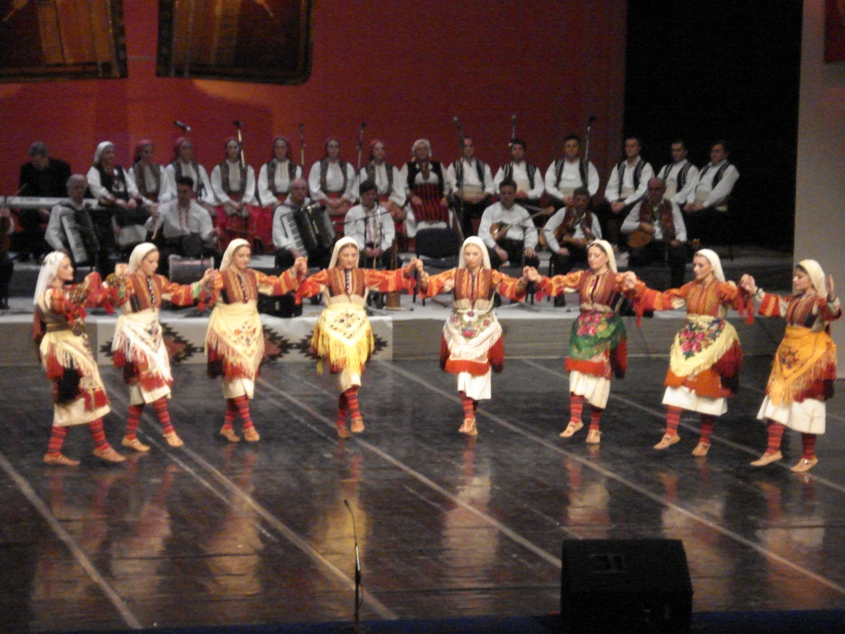 HoraA circle dance from Southeast Europe, danced at weddings and festivals
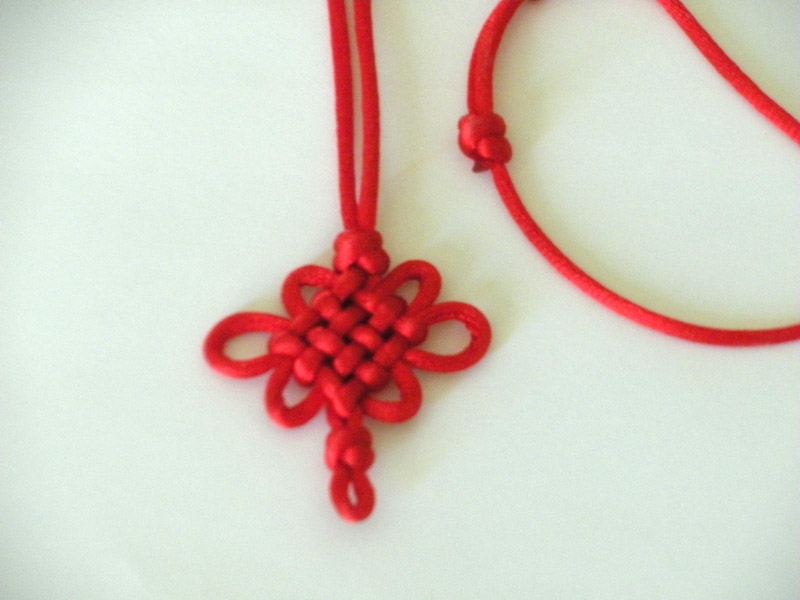 Chinese knottingA folk craft of cord tied into lucky shapes, made in China and given as charms
Good reading and sources
The facts on this page come from the Wikipedia article "Macedonian embroidery", written by its contributors and used under the CC BY-SA 4.0 licence, and from its Wikidata record (CC0). EveryParampara rewrote the text in its own words, with AI assistance, and compares every page with the article to make sure no passage is copied. It may be reused under the same CC BY-SA 4.0 licence with a link back.
It may contain mistakes. Traditions differ from one family, village and community to the next, and the people who keep them know them best. If something is wrong, tell us. Last refreshed 2026-10-11.
More from North Macedonia
All the traditions of North Macedonia
🇲🇰 Galičnik, North MacedoniaGaličnik Wedding FestivalГаличка свадба
An annual village wedding festival celebrated every July in North MacedoniaFestival
🇷🇴 Bucharest, Romania and 7 moreHorahoră (Romanian), хоро (Bulgarian), оро (Macedonian), הורה (Hebrew)
A circle dance from Southeast Europe, danced at weddings and festivalsPerformance
🇺🇦 Ukraine and 8 moreVechornytsiвечорниці
Evening gatherings of Ukrainian youth, with songs, jokes, games and winter divinationSeasonal
 🇮🇷 Iran and 21 moreNowruzنوروز
The Iranian new year at the March equinox, kept with fire, greenery and picnicsSeasonal
🇮🇷 Iran and 21 moreNowruzنوروز
The Iranian new year at the March equinox, kept with fire, greenery and picnicsSeasonal
The same idea elsewhere
Weddings compared 🇼🇸 Samoa and 1 moreʻIe tōga
Precious woven mats exchanged in Samoan ceremonies to honor family ties and chiefly status.Dress
🇼🇸 Samoa and 1 moreʻIe tōga
Precious woven mats exchanged in Samoan ceremonies to honor family ties and chiefly status.Dress
 🇮🇩 Indonesia and 2 moreKenduri
A communal prayer meal and gathering shared across Indonesia, Malaysia and BruneiSpiritual · Feasts and festival meals
🇮🇩 Indonesia and 2 moreKenduri
A communal prayer meal and gathering shared across Indonesia, Malaysia and BruneiSpiritual · Feasts and festival meals
 🇹🇱 Timor-LesteUma Lulik
Sacred ancestral clan houses and ritual shrines in East TimorSpiritual
🇺🇬 UgandaKwanjula
A formal marriage introduction ritual of the Baganda people in Uganda, where families meet to exchange gifts and seek blRite of passage
🇹🇱 Timor-LesteUma Lulik
Sacred ancestral clan houses and ritual shrines in East TimorSpiritual
🇺🇬 UgandaKwanjula
A formal marriage introduction ritual of the Baganda people in Uganda, where families meet to exchange gifts and seek blRite of passage