Life-cycle ritesSoutheast AsiaJewishHindu
Matchmaking
The custom of using a trusted intermediary to introduce partners for marriage

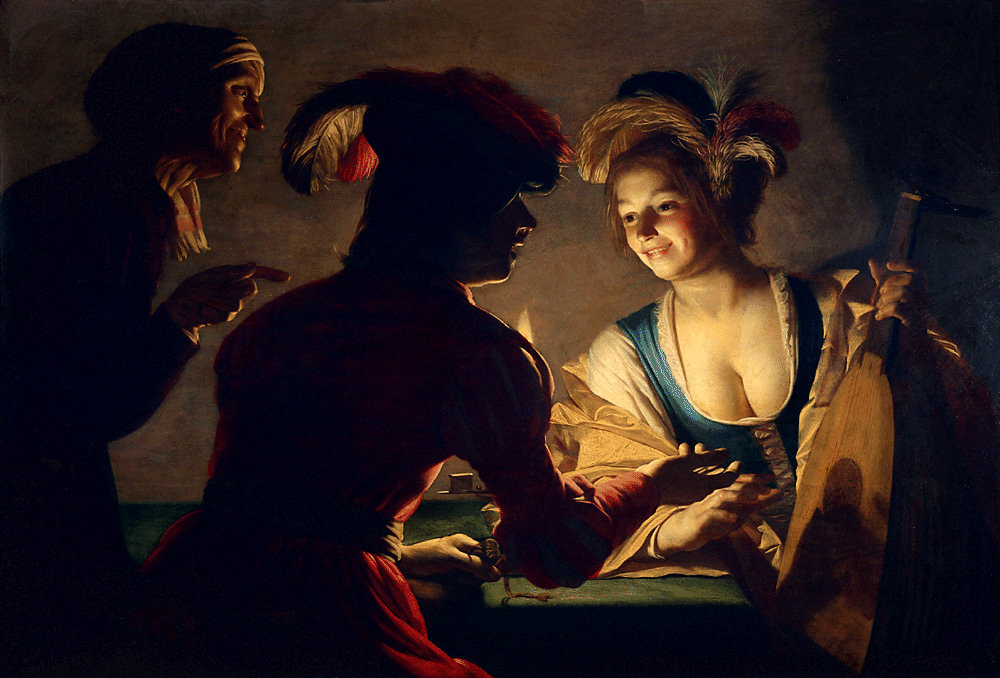
Matchmaking is the practice of arranging introductions between prospective partners, typically for marriage. Practised across many cultures by community elders, religious leaders, professional brokers or state agencies, it relies on family networks, astrology or personal compatibility.
When is Matchmaking kept?
Matchmaking is kept on when individuals seek marriage or reach marriageable age.
Matchmaking is the custom of bringing two people together to explore marriage through a third-party intermediary. Across different societies and eras, families have relied on professional brokers, spiritual guides, communal gatherings and dedicated institutions to arrange introductions. The goal is to build enduring unions that honour personal compatibility, family ties and communal traditions.
Spiritual and community guides
Religious leaders and community figures have long served as trusted intermediaries. In medieval Catholic villages, local priests often assisted in pairing couples, while rabbis fulfilled similar roles in Jewish life. In Ashkenazi Jewish history, professional brokers called shadchans acted as ambassadors between families. Their role became vital during the Crusades in Europe, helping maintain communal continuity during turbulent times. In modern Orthodox communities, this tradition continues through the shidduch introduction system. Similarly, Hindu astrologers have historically acted as trusted family advisors, reading astrological charts to confirm that a proposed marriage carried good fortune and parental approval.
Dances and social chaperones
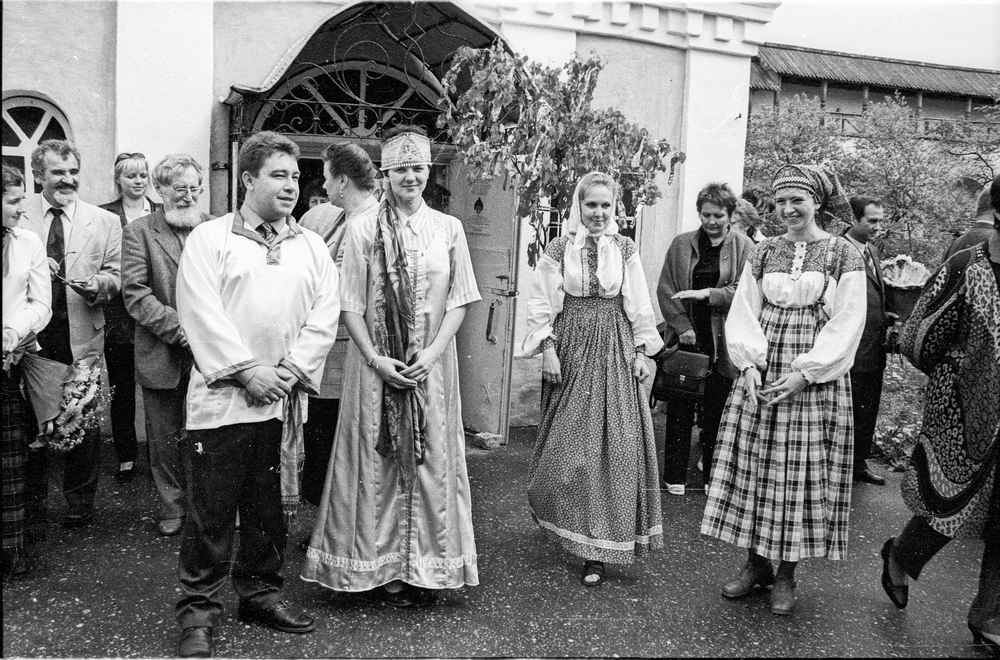
In rural and frontier communities, such as early North America, young people working on distant family farms had few opportunities to meet. Communal gatherings, especially church services, contra dances and square dances, provided approved spaces for courtship. Matchmakers and chaperones attended these gatherings to observe interactions and report potential romances back to parents. In societies where economic security and suitors with good prospects mattered, these intermediaries balanced family expectations with social courtship. Some matchmakers worked informally as keen community observers, while others were formally asked by parents to guide their children toward suitable matches.
Modern systems and revival
Matchmaking has evolved alongside modern technology and urban life. In Singapore, the government established the Social Development Unit to provide citizens with matchmaking services and technology once reserved for elites. In Iran, dozens of dating agencies operate under the supervision of the Ministry of Islamic Culture and Guidance. Recent years have seen a renewed global interest in professional matchmaking. Driven by fatigue with automated dating apps and popular culture representations, many seekers now combine digital screening, personality assessments and artificial intelligence with the personal mentorship of human matchmakers and clergy.
How Matchmaking is kept
Matchmaking begins when a single person or their family enlists an intermediary, such as a professional broker, cleric or elder. The matchmaker gathers information on personal values, family background and preferences. In some traditions, advisors consult horoscopes, tarot cards or personality profiles before suggesting a union. The matchmaker discreetly reaches out to both households to assess interest. If both sides agree, an introduction is arranged, often chaperoned or structured under community guidelines, allowing the prospective couple to meet and decide whether to proceed toward marriage.
When and where
Matchmaking is an ongoing social practice rather than an annual holiday. It takes place whenever an individual reaches an age considered ready for marriage, or when a family decides to seek an alliance for their son or daughter.
Matchmaking exists across the world. It is found in Jewish and Hindu communities, throughout Asian countries like Singapore and Iran, and across North America and Europe, both in historical rural settings and in modern professional dating agencies.
What Matchmaking means
Matchmaking reflects the understanding that marriage unites not just two people, but two families and their wider community. In historical Jewish practice, matchmakers helped preserve group survival and social bonds during periods of persecution and upheaval. The involvement of trusted mediators, whether village clergy or astrologers, symbolises communal blessing, social order and the pursuit of harmonious, stable unions.

Questions people ask about Matchmaking
When is Matchmaking kept?
Matchmaking is kept on when individuals seek marriage or reach marriageable age.
What is matchmaking?
Matchmaking is the practice of using an intermediary, known as a matchmaker or marriage broker, to pair people together for marriage. The matchmaker may work professionally for a fee, act as a community chaperone, or serve as a religious guide.
What is a shadchan in Jewish tradition?
A shadchan is a traditional Jewish marriage broker. Originating prominently during the European Crusades to maintain communal continuity amidst disruption, these matchmakers acted as goodwill ambassadors between families. Today, Orthodox communities continue arranged introductions through the shidduch system.
How have astrologers and clergy participated in matchmaking?
Hindu astrologers historically advised families and used star alignments to sanctify approved matches. In Western history, village priests in Medieval Catholic society and rabbis in Jewish communities frequently acted as trusted intermediaries to help arrange marriages.
Where is matchmaking supported by public institutions?
In Singapore, the government runs the Social Development Unit to provide dating technology and professional counsel to citizens. In Iran, the Ministry of Islamic Culture and Guidance oversees dozens of registered dating and matchmaking agencies.
See also
 SaptapadiThe seven-step ritual that finalizes a Hindu marriage, observed across India.
 Islamic marriageThe sacred contract, agreement and wedding celebration forming an Islamic marriage
 Rite of passageA ceremony that marks leaving one group and entering another, with a new status
 Hindu weddingA traditional Hindu marriage ceremony involving sacred rituals and vows witnessed by fire.
Good reading and sources
- Matchmaking on WikipediaEncyclopedia
- More photos on Wikimedia CommonsPhotos and video
- Wikidata recordOpen data
The facts on this page come from the Wikipedia article "Matchmaking", written by its contributors and used under the CC BY-SA 4.0 licence, and from its Wikidata record (CC0). EveryParampara rewrote the text in its own words, with AI assistance, and compares every page with the article to make sure no passage is copied. It may be reused under the same CC BY-SA 4.0 licence with a link back.
It may contain mistakes. Traditions differ from one family, village and community to the next, and the people who keep them know them best. If something is wrong, tell us. Last refreshed 2026-10-05.
More from Singapore
All the traditions of Singapore 🇨🇳 China and 5 morePostpartum confinement
A period of rest, nourishment, and seclusion for mothers after giving birth.Rite of passage
🇨🇳 China and 5 morePostpartum confinement
A period of rest, nourishment, and seclusion for mothers after giving birth.Rite of passage
 🇨🇳 China and 5 moreLion dance舞獅
A dynamic ritual dance featuring costumed lions, drums and martial acrobaticsPerformance
🇨🇳 China and 5 moreLion dance舞獅
A dynamic ritual dance featuring costumed lions, drums and martial acrobaticsPerformance
 🇨🇳 China and 6 moreRed envelope紅包 / 红包 (hóngbāo)
Money in a red packet, given at Lunar New Year, weddings and other big daysEtiquette
🇨🇳 China and 6 moreRed envelope紅包 / 红包 (hóngbāo)
Money in a red packet, given at Lunar New Year, weddings and other big daysEtiquette
 🇮🇩 Palembang, Indonesia and 3 moreSongketᬲᭀᬂᬓᬾᬢ᭄
A hand-woven cloth threaded with gold or silver, worn at weddings and royal courtsDress
🇮🇩 Palembang, Indonesia and 3 moreSongketᬲᭀᬂᬓᬾᬢ᭄
A hand-woven cloth threaded with gold or silver, worn at weddings and royal courtsDress
The same idea elsewhere
Weddings compared 🇳🇪 In-Gall, NigerCure Salée
A yearly gathering of Tuareg and Wodaabe nomads in In-Gall to mark the end of the rainy season.Festival
🇺🇬 UgandaKwanjula
A formal marriage introduction ritual of the Baganda people in Uganda, where families meet to exchange gifts and seek blRite of passage
🇳🇪 In-Gall, NigerCure Salée
A yearly gathering of Tuareg and Wodaabe nomads in In-Gall to mark the end of the rainy season.Festival
🇺🇬 UgandaKwanjula
A formal marriage introduction ritual of the Baganda people in Uganda, where families meet to exchange gifts and seek blRite of passage
 🇼🇸 Samoa and 1 moreʻIe tōga
Precious woven mats exchanged in Samoan ceremonies to honor family ties and chiefly status.Dress
🇼🇸 Samoa and 1 moreʻIe tōga
Precious woven mats exchanged in Samoan ceremonies to honor family ties and chiefly status.Dress
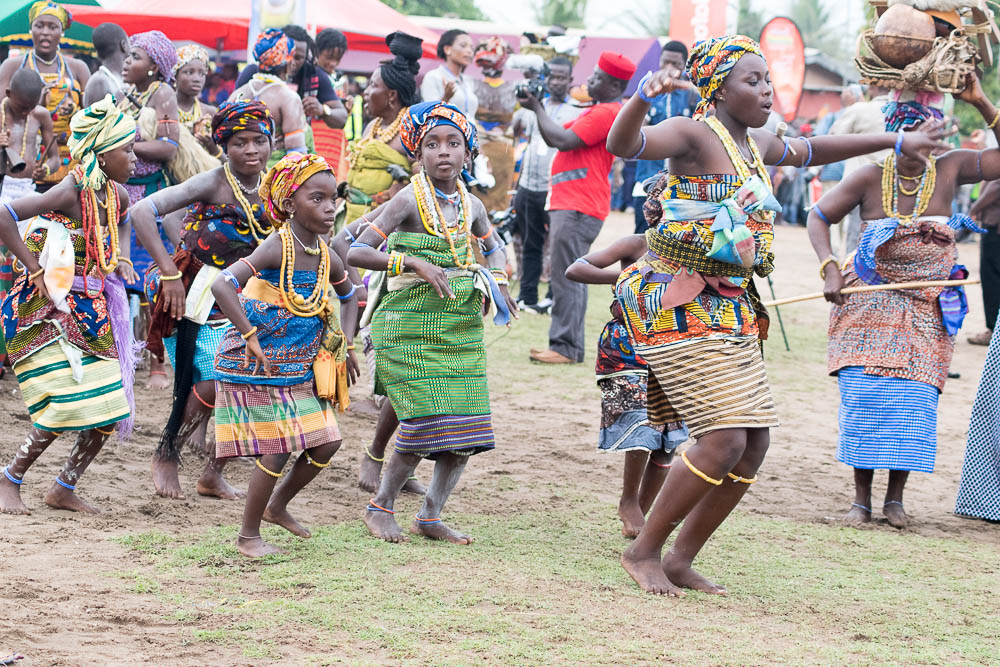 🇬🇭 Ghana and 2 moreAgbadza
An Ewe music and dance, born of war songs and kept for funerals, weddings and festivalsPerformance
🇬🇭 Ghana and 2 moreAgbadza
An Ewe music and dance, born of war songs and kept for funerals, weddings and festivalsPerformance