Dress and adornmentSoutheast AsiaHindu
Meitei clothing in Myanmar
Traditional garments worn by the Meitei community in Myanmar, featuring distinctive silk weaving and ceremonial styles.
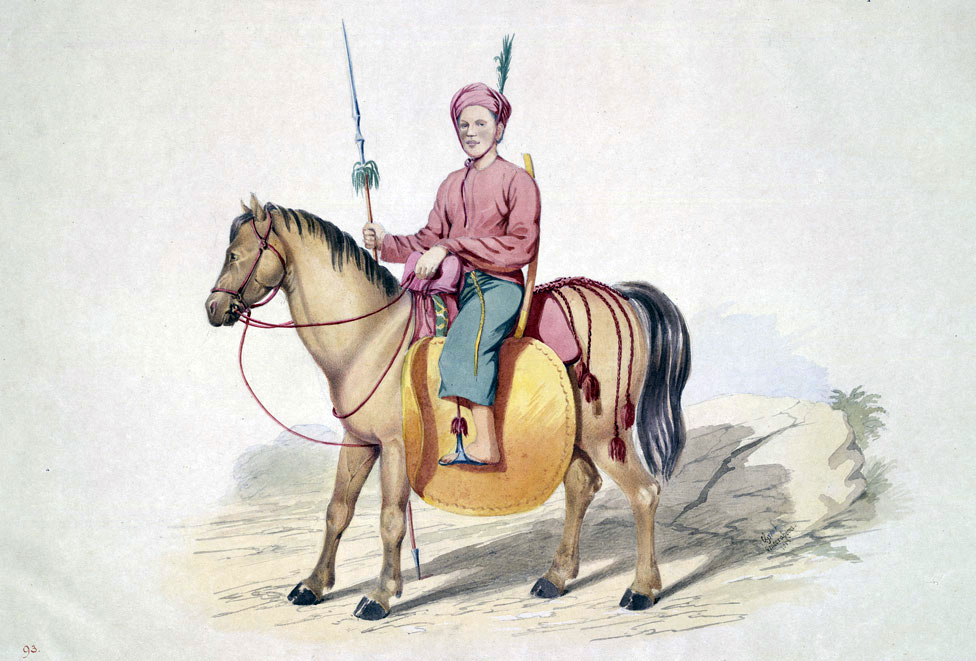
The Meitei people of Myanmar maintain a distinct sartorial identity through specific garments for men and women. Their textile heritage is renowned for the Acheik silk, a complex woven fabric with historical ties to royalty and religious ceremonies.
When is Meitei clothing in Myanmar kept?
Meitei clothing in Myanmar is kept on daily wear and during festivals like Lai Haraoba.
Meitei attire in Myanmar reflects a unique cultural blend, preserving ancient weaving techniques and garment styles. Men typically wear longyis, while women don striped sarongs or intricate Acheik silk. These clothes are essential for weddings, religious rites, and daily life within the community.
Men's traditional wear
Male members of the community usually wear a longyi for everyday activities. During formal events, they switch to a white pheijom and a sleeveless vest. A sacred thread is often visible around the neck. Historically, military officers in the eighteenth century combined these local items with Burmese shirts. Some men near the Ningthi River avoid longyis due to social stigma, though this practice is shifting.
Women's garments
Women generally wear a striped sarong tucked on the left side, paired with a long-sleeved blouse. Married women tie their hair in a knot at the back, adorned with white flowers and gold jewelry. Brides wear an Acheik sarong, a high-quality silk piece with elaborate patterns. Young girls participating in rituals may wear special embroidered wrappers known as mayek naiba.
The Acheik silk tradition
Acheik is a prestigious silk fabric introduced around 1775 near Amarapura. It features horizontal stripes with floral designs created using many shuttles. The name implies connection, and the patterns resemble rainbows or water waves. Weavers use odd numbers for layers to symbolize life and health. This craft requires significant skill, with some pieces taking two women to weave manually.
Historical context
Silk production in the region dates back centuries, with Manipur supplying raw materials. Royal families once restricted certain colors and patterns of Acheik to themselves. Over time, the design spread to other regions, influencing local weavers. Today, it remains a symbol of cultural pride and artistic achievement for the Meitei people in Myanmar.
How Meitei clothing in Myanmar is kept
Men wear longyis daily and white pheijoms for ceremonies. Women wear striped sarongs or Acheik silk for special occasions. Weavers create textiles using handlooms, following strict rules about color and pattern symmetry. Communities display these garments during festivals and weddings.
When and where
Worn year-round for daily life and specific times for festivals like Lai Haraoba.
Primarily in Myanmar, especially Mandalay and Amarapura, with roots in Manipur.
What Meitei clothing in Myanmar means
Odd numbers in weaving represent life and longevity. Even numbers are avoided as they signify death. Colors follow natural pairings, such as red next to yellow. The intricate patterns reflect beauty and spiritual connection.
Questions people ask about Meitei clothing in Myanmar
When is Meitei clothing in Myanmar kept?
Meitei clothing in Myanmar is kept on daily wear and during festivals like Lai Haraoba.
What is the main type of silk worn by Meitei women?
The Acheik silk is the most notable fabric. It features horizontal stripes and floral designs woven with many shuttles. It was historically reserved for royalty but is now worn by married women and brides.
How do Meitei men dress for ceremonies?
Men wear a white pheijom, a sleeveless vest, and a sacred thread. They may also cover their heads with a cloth tied on the left side. This attire distinguishes them from everyday longyi wear.
Why are odd numbers used in Acheik weaving?
Weavers use odd numbers for layers and spaces because even numbers are associated with death. Odd numbers are believed to bring long life and good health to the wearer.
See also
 PaithaniA handwoven silk sari from Maharashtra, with a squared border and a peacock pallu
 JambiyaA short curved dagger worn at the waist by Yemeni men, its handle a sign of status
 SherwaniA long buttoned coat for men, worn at weddings and state occasions in South Asia
 TurbanCloth wound around the head, worn for faith, rank, shade and identity
Good reading and sources
The facts on this page come from the Wikipedia article "Meitei clothing in Myanmar", written by its contributors and used under the CC BY-SA 4.0 licence, and from its Wikidata record (CC0). EveryParampara rewrote the text in its own words, with AI assistance, and compares every page with the article to make sure no passage is copied. It may be reused under the same CC BY-SA 4.0 licence with a link back.
It may contain mistakes. Traditions differ from one family, village and community to the next, and the people who keep them know them best. If something is wrong, tell us. Last refreshed 2026-10-12.
More from Myanmar
All the traditions of Myanmar 🇲🇲 Myanmar and 1 moreLongyiလုံချည်
A tube of cloth worn from waist to feet in Myanmar, folded shut with no knotDress
🇲🇲 Myanmar and 1 moreLongyiလုံချည်
A tube of cloth worn from waist to feet in Myanmar, folded shut with no knotDress
 🇲🇲 Amarapura, MyanmarAcheikအချိတ်
A Burmese silk weave of waves and stripes, made with up to 200 shuttlesDress
🇲🇲 Amarapura, MyanmarAcheikအချိတ်
A Burmese silk weave of waves and stripes, made with up to 200 shuttlesDress
 🇮🇳 Ayodhya, India and 10 moreDiwaliदीपावली (Dīpāvalī)
A five-day festival of lights celebrated across India and its diaspora to mark the victory of light over darkness.Festival · Feasts and festival meals
🇮🇳 Ayodhya, India and 10 moreDiwaliदीपावली (Dīpāvalī)
A five-day festival of lights celebrated across India and its diaspora to mark the victory of light over darkness.Festival · Feasts and festival meals
 🇲🇲 Bagan, MyanmarNat worshipနတ်
Veneration of guardian spirits and nature deities alongside Buddhism in MyanmarSpiritual
🇲🇲 Bagan, MyanmarNat worshipနတ်
Veneration of guardian spirits and nature deities alongside Buddhism in MyanmarSpiritual
The same idea elsewhere
All of this kind 🇮🇱 Israel and 1 moreTzitzitצִיצִית
Knotted ritual fringes worn on a four-cornered garment, a reminder of the commandmentsDress
🇮🇱 Israel and 1 moreTzitzitצִיצִית
Knotted ritual fringes worn on a four-cornered garment, a reminder of the commandmentsDress
 🇪🇬 Egypt and 5 moreTraditional tattooing
The ancient custom of marking the skin for protection, healing, status and sacred ritesDress
🇪🇬 Egypt and 5 moreTraditional tattooing
The ancient custom of marking the skin for protection, healing, status and sacred ritesDress
 🇼🇸 Samoa and 1 moreʻIe tōga
Precious woven mats exchanged in Samoan ceremonies to honor family ties and chiefly status.Dress
🇼🇸 Samoa and 1 moreʻIe tōga
Precious woven mats exchanged in Samoan ceremonies to honor family ties and chiefly status.Dress
 🇺🇦 Chernivtsi, Ukraine and 5 moreVyshyvanka DayДень вишиванки
An annual day for wearing traditional Ukrainian embroidered shirts across the worldDress
🇺🇦 Chernivtsi, Ukraine and 5 moreVyshyvanka DayДень вишиванки
An annual day for wearing traditional Ukrainian embroidered shirts across the worldDress