Music, dance and storytellingSouth AsiaHinduMuslim
Baul tradition
In its own language: বাউল
A Bengali devotional minstrel path uniting mystic poetry, music and dance

The Baul tradition is a Bengali spiritual and musical path practiced across Bangladesh and eastern India. Wandering minstrels and householders share mystical songs that blend Sufi devotion with Vaishnava philosophy, finding the sacred within the human form.
When is Baul tradition kept?
Baul tradition is kept on throughout the year, with major musical assemblies each winter.
Bauls are mystic minstrels from the Bengal region who express spiritual insight through song, poetry and dance. Drawing on both Islamic Sufism and Hindu Vaishnavism, their philosophy looks past orthodox boundaries to seek the divine inside the human body. Practitioners sing unwritten verses passed down across generations, accompanied by string and percussion instruments, while living either as wandering mendicants or quiet village householders.
Beliefs and inner philosophy
Baul philosophy centres on deho sadhana, a spiritual path based on cultivating the body. Devotees view the physical self as a living sanctuary where divine truth resides, rather than searching for God in temples or mosques. Their poetic verses gently question religious labels, asking why social marks like rosaries should divide humanity. Spiritual progress relies on mental clarity, breath control and sacred partnerships. Male seekers practice alongside a female companion, known as a sangini, who is honoured as a vital spiritual guide. In this worldview, genuine devotion transcends dogma, celebrating universal love through direct personal experience and humble daily awareness.
Music and instruments
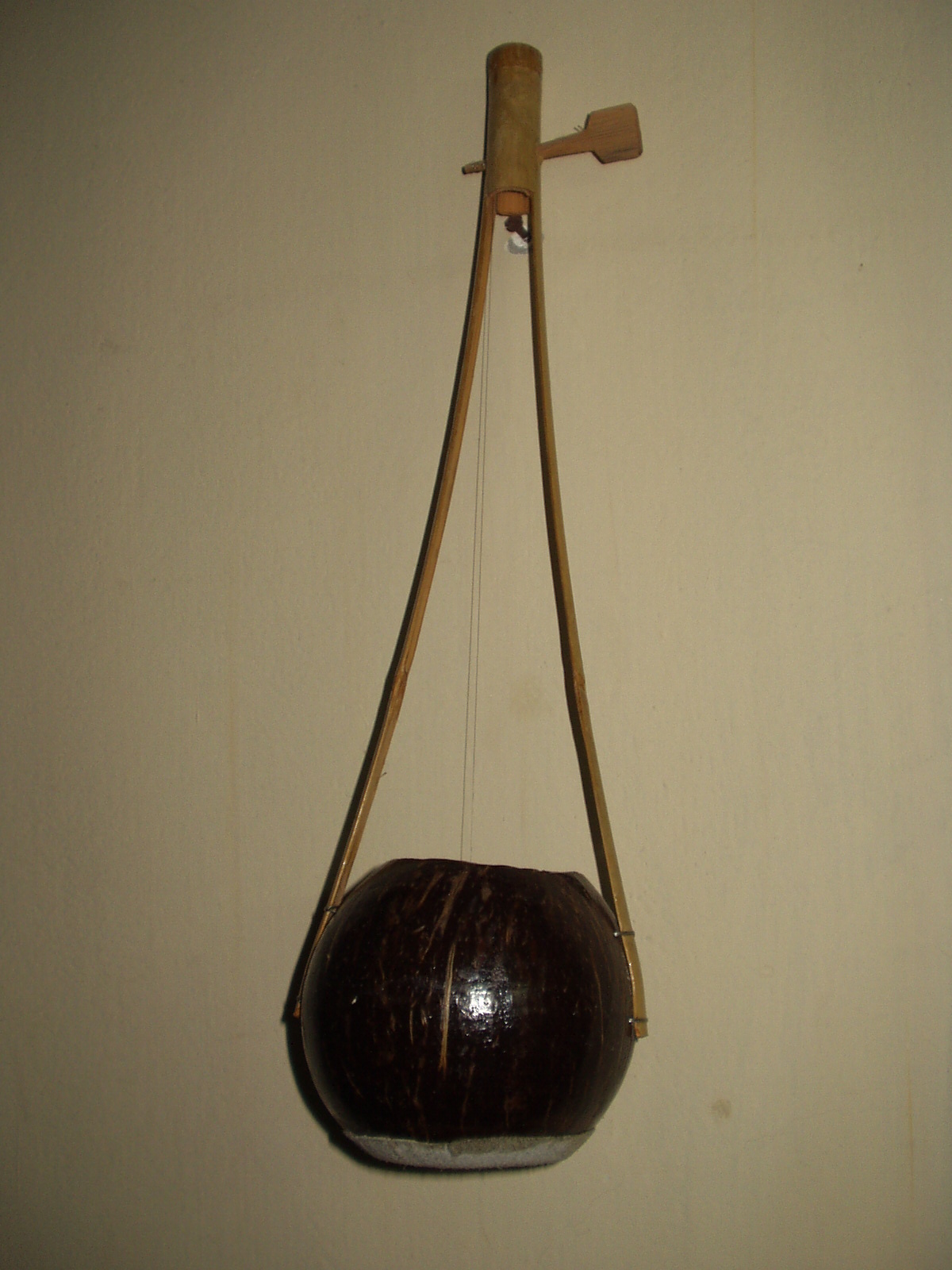
Music forms the core of Baul expression, conveying complex metaphysical ideas in simple rural imagery. Melodies are sung spontaneously and learned by ear rather than written in books. The primary instrument is the ektara, a single-stringed drone crafted from a dried gourd shell, split bamboo and animal skin. Singers also play the dotara, a plucked wooden lute with four strings, as well as the khamak drum. Rhythmic accompaniment comes from clay duggi drums, cymbals, flutes and ankle bells that chime during ecstatic dance movements. Modern performers occasionally weave contemporary terms like radios or mobile phones into traditional verses, keeping their folk art responsive to ongoing cultural shifts.
Ways of life
Followers of the tradition generally belong to one of two paths. Ascetics, known as renunciants, abandon ordinary domestic obligations and rely on charity collected in cloth shoulder bags. They travel between rural lodges called akhdas, wearing simple white garments in Bangladesh to represent purity, or saffron and red robes across the border in India. Other Bauls maintain settled family lives, residing with their relatives in quiet corners of rural communities. Both groups honor lineage teachers called gurus, under whose direction marriage unions may be sealed through a ritual exchange of floral garlands rather than formal legal ceremonies.
History and gatherings
The name Baul dates back at least to fifteenth-century Bengali literature, though its early practitioners left no written historical records. The nineteenth-century poet-philosopher Lalon Shah emerged as the tradition's most renowned voice, composing hundreds of verses that shaped modern Bengali thought. In addition to regular gatherings at local shrines, thousands of singers and listeners travel every January to the village of Kenduli for the Jaydeb Mela festival. Here, musicians perform throughout the winter nights, carrying forward an oral heritage that UNESCO recognised as an intangible cultural masterpiece.
How Baul tradition is kept
Baul singers gather in community lodges, shrine courtyards and open fairs to share devotional music. Plucking an ektara or dotara in one hand and ringing bells tied around their ankles, performers dance gently while delivering lyrical poems. Ascetic members travel from place to place seeking alms with shoulder bags, whereas householders practice devotional songs at home. During large regional festivals, musicians from various lineages sit together through the night, exchanging songs, meditating with their spiritual companions and discussing philosophical teachings under the guidance of elder gurus.
When and where
Baul music and meditation continue year-round across villages and shrines. The largest public congregation takes place annually in mid-January during the Jaydeb Mela festival, while other major gatherings mark the memorial days of esteemed preceptors like Lalon Shah.
The tradition thrives throughout rural Bengal, extending across Bangladesh as well as eastern Indian regions including West Bengal, Tripura, Meghalaya and the Barak Valley of Assam. Key centers include Lalon's shrine in Kushtia and the festival grounds at Kenduli.
What Baul tradition means
For Bauls, the human body represents a microcosm of the entire cosmos. They believe the divine presence cannot be captured by formal dogmas or social hierarchies, but must be discovered inside oneself through song, loving connection and physical discipline. White clothing stands for spiritual cleanliness and simplicity, while the resonance of single-stringed instruments mirrors the individual soul's longing to harmonize with universal divine love.



Questions people ask about Baul tradition
When is Baul tradition kept?
Baul tradition is kept on throughout the year, with major musical assemblies each winter.
What is the Baul tradition?
The Baul tradition is a Bengali devotional movement of mystic minstrels. Practitioners blend elements from Sufi Islam and Vaishnava Hinduism, singing philosophical poetry to folk melodies while rejecting rigid religious divisions in favor of direct, personal spirituality.
Where do Bauls live and perform?
Bauls are rooted in the historic Bengal region, living mainly in Bangladesh and neighboring parts of eastern India. They perform in village courtyards, rural spiritual lodges, shrine grounds in Kushtia, and at large fairgrounds such as Kenduli.
What instruments accompany Baul songs?
The most iconic instrument is the ektara, a one-stringed drone instrument made from a gourd and bamboo. Singers also use the dotara lute, the khamak plucked drum, small earthen drums, flutes, cymbals, and ankle bells that ring during dances.
Who was Lalon Shah?
Lalon Shah was an influential nineteenth-century Baul saint and poet from Kushtia. He composed numerous mystic songs emphasizing human equality and inner divinity without writing them down, leaving an oral legacy that defined Bengali folk culture.
See also
 GarbaA Gujarati circle dance performed around a sacred flame during the festival of Navratri
 South Asian truck artThe craft of painting and adorning cargo trucks and buses across India and Pakistan.
 KambalaAn annual traditional buffalo race across muddy paddy fields in southwestern India
 Postpartum confinementA period of rest, nourishment, and seclusion for mothers after giving birth.
Good reading and sources
- Encyclopaedia BritannicaArticle
- The song of the holy foolsThe Guardian, Article
- The song of the holy foolsThe Guardian, Article
- Baul on WikipediaEncyclopedia
- More photos on Wikimedia CommonsPhotos and video
- Wikidata recordOpen data
The facts on this page come from the Wikipedia article "Baul", written by its contributors and used under the CC BY-SA 4.0 licence, and from its Wikidata record (CC0). EveryParampara rewrote the text in its own words, with AI assistance, and compares every page with the article to make sure no passage is copied. It may be reused under the same CC BY-SA 4.0 licence with a link back.
It may contain mistakes. Traditions differ from one family, village and community to the next, and the people who keep them know them best. If something is wrong, tell us. Last refreshed 2026-10-04.
More from Bangladesh
All the traditions of Bangladesh 🇵🇰 Islamabad, Pakistan and 2 moreQawwaliقَوّالی
Devotional Sufi singing from South Asia, led by hereditary parties at shrinesPerformance
🇵🇰 Islamabad, Pakistan and 2 moreQawwaliقَوّالی
Devotional Sufi singing from South Asia, led by hereditary parties at shrinesPerformance
 🇮🇳 Puri, India and 1 morePattachitra
A cloth scroll painting tradition from eastern India featuring mythological stories and folk tales.Performance
🇮🇳 Puri, India and 1 morePattachitra
A cloth scroll painting tradition from eastern India featuring mythological stories and folk tales.Performance
 🇧🇩 Bangladesh and 1 moreAlpanaআলপনা (Alpona)
A Bengali floor painting tradition using rice flour paste to mark festivals and rituals.Performance
🇧🇩 Bangladesh and 1 moreAlpanaআলপনা (Alpona)
A Bengali floor painting tradition using rice flour paste to mark festivals and rituals.Performance
 🇮🇳 Imphal, India and 1 moreManipuri danceJagoi Raas, Raas Jagoi
A classical dance from Manipur, danced as an offering to Radha and KrishnaPerformance
🇮🇳 Imphal, India and 1 moreManipuri danceJagoi Raas, Raas Jagoi
A classical dance from Manipur, danced as an offering to Radha and KrishnaPerformance
The same idea elsewhere
Weddings compared 🇨🇳 China and 5 moreLion dance舞獅
A dynamic ritual dance featuring costumed lions, drums and martial acrobaticsPerformance
🇨🇳 China and 5 moreLion dance舞獅
A dynamic ritual dance featuring costumed lions, drums and martial acrobaticsPerformance
 🇬🇪 Tbilisi, Georgia and 4 moreGeorgian polyphonic singing
Several voices at once, sung without instruments at Georgian feasts and weddingsPerformance
🇬🇪 Tbilisi, Georgia and 4 moreGeorgian polyphonic singing
Several voices at once, sung without instruments at Georgian feasts and weddingsPerformance
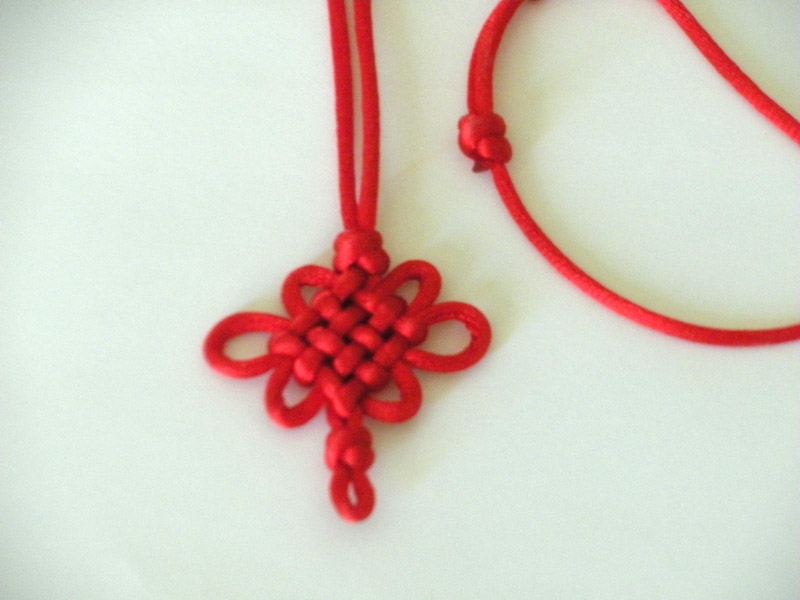 🇨🇳 China and 2 moreChinese knotting中國結 (Zhōngguó jié)
A folk craft of cord tied into lucky shapes, made in China and given as charmsCraft
🇨🇳 China and 2 moreChinese knotting中國結 (Zhōngguó jié)
A folk craft of cord tied into lucky shapes, made in China and given as charmsCraft
 🇲🇦 Tan-Tan, MoroccoTan-Tan Moussem
An annual gathering of Saharan nomadic tribes with music, trading and equestrian artsFestival
🇲🇦 Tan-Tan, MoroccoTan-Tan Moussem
An annual gathering of Saharan nomadic tribes with music, trading and equestrian artsFestival