Music, dance and storytellingNorth AmericaJewish
Klezmer
In its own language: קלעזמער
An Ashkenazi Jewish instrumental tradition of lively dance tunes and ritual melodies

Klezmer is an instrumental musical tradition created by Ashkenazi Jews in Central and Eastern Europe, celebrated for its expressive dance tunes and ritual melodies. Centred on weddings and community celebrations, players use ornaments that echo the human voice, blending sacred prayer motifs with regional folk styles.
When is Klezmer kept?
Klezmer is kept during weddings, festive gatherings, and community celebrations.
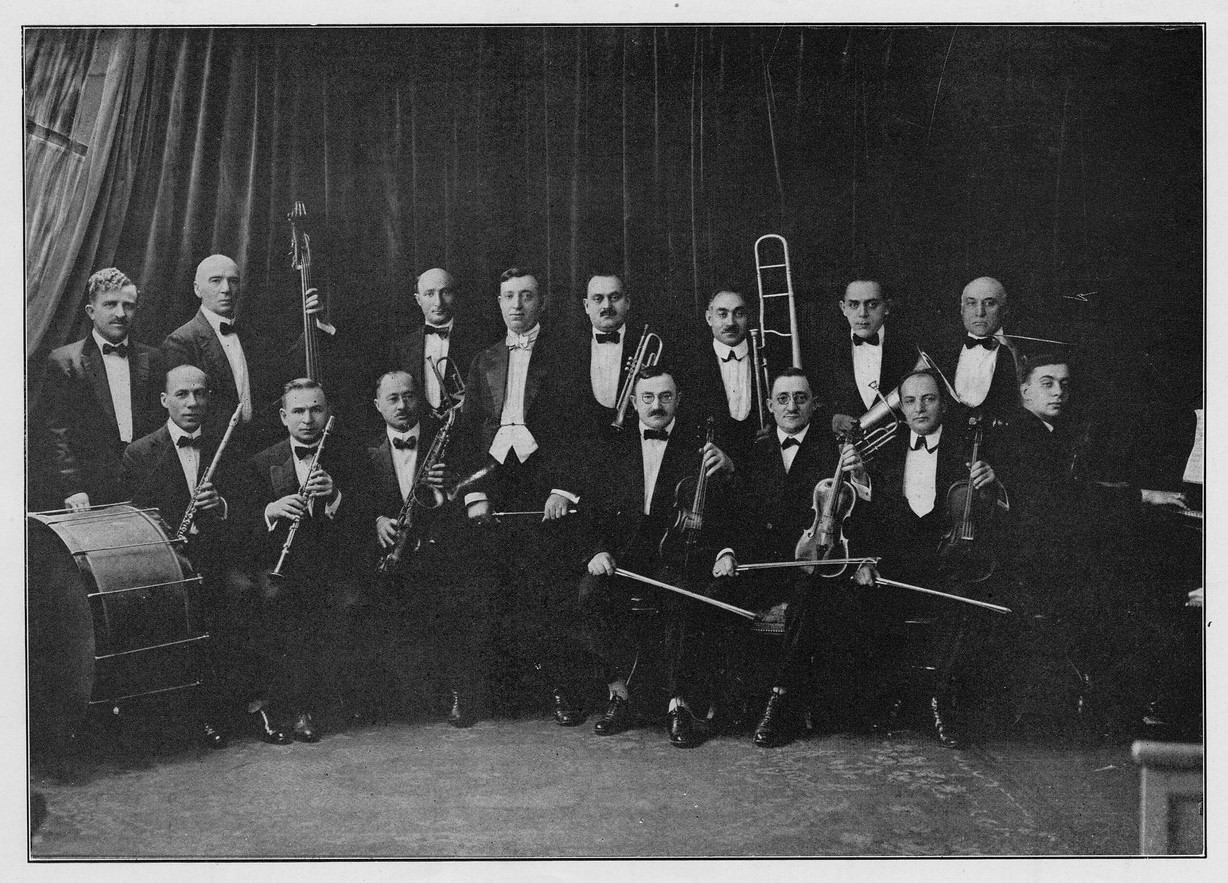
Klezmer is the instrumental folk music of Ashkenazi Jewish communities from Central and Eastern Europe. Built around lively dances, festive marches, and reflective melodies for listening, it accompanied major life events, especially weddings. The music blends sacred prayer songs and cantorial vocal ornaments with the folk styles of neighbouring Slavic, Romanian, and Ottoman cultures, creating an expressive sound that mimics weeping, laughing, and sighing.
Origins and history
The word klezmer comes from Hebrew roots meaning instruments of song. In sixteenth-century Bohemia and Poland, the term began to describe professional Jewish musicians who belonged to craft guilds. Over several centuries, these players absorbed melodies from Hasidic spiritual songs, synagogue cantors, Ottoman court pieces, and Slavic dances. When millions of Eastern European Jews moved to the United States in the early twentieth century, musicians such as Dave Tarras and Naftule Brandwein recorded the style and mixed it with brass bands and jazz. Though the Holocaust devastated European Jewish communities, a major revival beginning in the late 1970s restored the tradition across North America, Europe, and Israel.
Style and ornaments
What distinguishes klezmer is its vocal quality. Musicians deliberately shape their instruments to produce sounds resembling human emotion, using techniques derived from cantorial prayer. These include the krekhts, which produces a gentle groan or sob, and the tshok, a sharp, laughing cackle. Players add slides, bent notes, trills, and subtle appoggiaturas rather than wide vibrato. Melodic lines were traditionally passed down through practical apprenticeships rather than formal academy training. Whether performed on violins, clarinets, accordions, or the hammered cimbalom, the music balances expressive freedom and improvisation with strict traditional rules regarding cadence and tasteful restraint.
Music for the dance
A central role of the repertoire is guiding community dancing. The most widespread form is the freylekhs, an upbeat circle dance set in two-four time. In the American diaspora, the syncopated Moldavian bulgar became exceptionally prominent. Other popular dance forms include the sher, a square set where couples trade places, and the solemn khosidl, which features dignified steps and playful pantomime. During traditional weddings, the mitsve-tants, or kosher dance, honors the bride as family elders dance before her holding a handkerchief to avoid direct touch. Fast Ukrainian kolomeikes, Romanian sirbas with quick triplets, and regional waltzes complete the energetic celebration.
Listening and ritual tunes
Beyond the dance floor, klezmer encompasses reflective and ceremonial melodies. Freeform pieces such as the doyne, adopted from Romanian folk practice, allow soloists to improvise intricate melodic variations without a fixed rhythm. At traditional weddings, the music accompanies key moments: singing to the seated bride alongside a wedding jester, guiding guests through the streets with processional march tunes, and entertaining seated diners with meditative table songs known as tish-nigunim. Slower waltzes provide gentle background music for banqueting guests. When celebrations draw to an end, the band plays parting pieces such as dobranotsh to wish everyone a peaceful journey and good night.
How Klezmer is kept
At a traditional celebration, musicians guide each stage of the gathering. The day opens with welcoming melodies and quiet ceremonial music, such as serenading the bride before the ceremony. As festivities get underway, the band switches between joyful circle dances, partner dances, and syncopated group numbers that draw guests to the floor. During the meal, players offer contemplative table tunes and slow waltzes for listening. Special ritual dances allow family and community members to honor the newlyweds. The event concludes with lively parting songs and farewell marches that escort guests into the night.
When and where
Klezmer is performed throughout the year during communal milestones and social celebrations. It is most closely tied to Jewish weddings, but musicians also play at festivals, community gatherings, concerts, and life-cycle events.
Originating across Ashkenazi Jewish settlements in Eastern and Central Europe, klezmer is kept alive across global Jewish communities today. It thrives in the United States, Israel, Germany, Poland, Romania, and Russia through festivals, bands, and cultural revivals.
What Klezmer means
Klezmer translates the spiritual depth and everyday emotional life of Ashkenazi culture into sound. By weaving cantorial sighs, laughing inflections, and religious motifs into secular dance rhythms, the music expresses both mourning and joy. It connects contemporary communities with their ancestral European heritage, turning communal rites and festive gatherings into shared expressions of survival, piety, and shared celebration.


Questions people ask about Klezmer
When is Klezmer kept?
Klezmer is kept during weddings, festive gatherings, and community celebrations.
What is klezmer music?
Klezmer is an instrumental musical tradition developed by Ashkenazi Jews in Central and Eastern Europe. It features energetic circle dances, reflective listening melodies, and ritual tunes played at weddings and community gatherings.
What instruments are used in a klezmer band?
Bands traditionally feature violins, clarinets, accordions, brass instruments, and the cimbalom, a hammered dulcimer. Modern groups often adapt these arrangements to include other orchestral instruments.
What makes the klezmer musical style distinctive?
The style uses expressive ornaments that mimic human voices, such as laughing sounds, sighs, and groans. Musicians blend Jewish cantorial melodies and prayer cadences with regional Slavic, Ottoman, and Romanian folk rhythms.
See also
 Saint Stephen's DayA Christian feast day celebrating the first martyr with feasts, rides and folk customs.
 PotlatchA ceremonial feast of gift-giving and wealth distribution among First Nations on the Northwest Coast.
 BirriaA rich, seasoned meat stew from western Mexico, cooked for gatherings and holidays
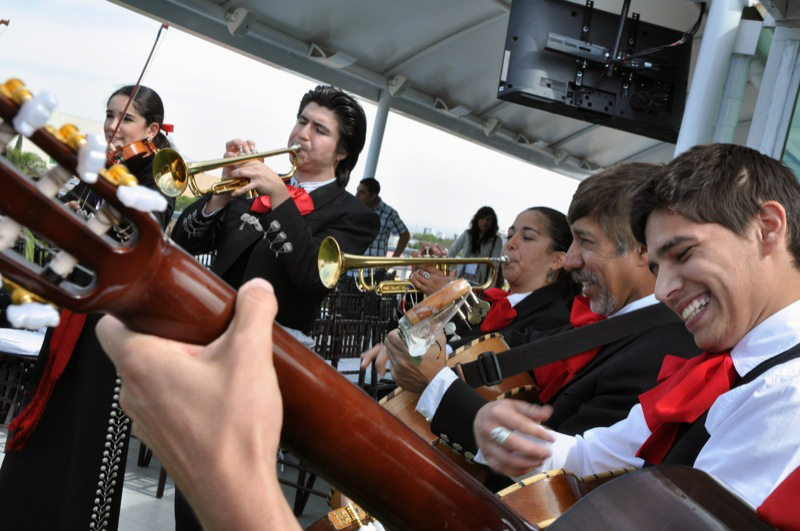 MariachiA Mexican string and trumpet music tradition featuring charro attire and communal singing.
Good reading and sources
- Klezmer on WikipediaEncyclopedia
- More photos on Wikimedia CommonsPhotos and video
- Wikidata recordOpen data
The facts on this page come from the Wikipedia article "Klezmer", written by its contributors and used under the CC BY-SA 4.0 licence, and from its Wikidata record (CC0). EveryParampara rewrote the text in its own words, with AI assistance, and compares every page with the article to make sure no passage is copied. It may be reused under the same CC BY-SA 4.0 licence with a link back.
It may contain mistakes. Traditions differ from one family, village and community to the next, and the people who keep them know them best. If something is wrong, tell us. Last refreshed 2026-10-04.
More from the United States
All the traditions of the United States 🇬🇪 Tbilisi, Georgia and 4 moreGeorgian polyphonic singing
Several voices at once, sung without instruments at Georgian feasts and weddingsPerformance
🇮🇪 Ros Muc, Ireland and 2 moreSean-nós dancedamhsa ar an sean nós
An improvised solo Irish dance: low footwork, free arms and a loud battering beatPerformance
🇬🇪 Tbilisi, Georgia and 4 moreGeorgian polyphonic singing
Several voices at once, sung without instruments at Georgian feasts and weddingsPerformance
🇮🇪 Ros Muc, Ireland and 2 moreSean-nós dancedamhsa ar an sean nós
An improvised solo Irish dance: low footwork, free arms and a loud battering beatPerformance
 🇵🇭 Palo, Philippines and 1 moreTinikling
A Philippine folk dance where dancers step between clapping bamboo polesPerformance
🇵🇭 Palo, Philippines and 1 moreTinikling
A Philippine folk dance where dancers step between clapping bamboo polesPerformance
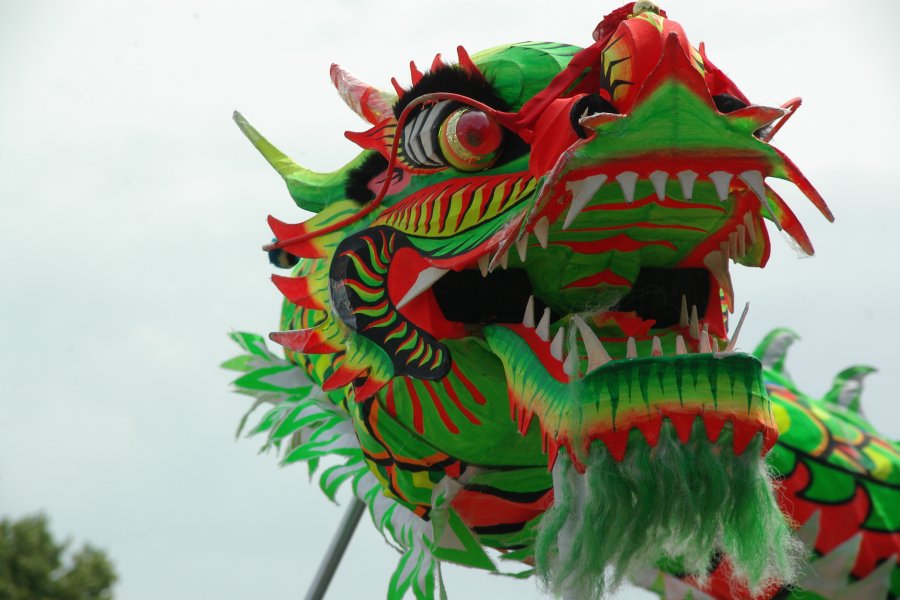 🇨🇳 China and 3 moreDragon dance舞龍 / 舞龙
A long dragon puppet on poles, danced by a team at Chinese New Year and other festivalsPerformance
🇨🇳 China and 3 moreDragon dance舞龍 / 舞龙
A long dragon puppet on poles, danced by a team at Chinese New Year and other festivalsPerformance
The same idea elsewhere
Weddings compared 🇮🇩 Indonesia and 2 moreKenduri
A communal prayer meal and gathering shared across Indonesia, Malaysia and BruneiSpiritual · Feasts and festival meals
🇮🇩 Indonesia and 2 moreKenduri
A communal prayer meal and gathering shared across Indonesia, Malaysia and BruneiSpiritual · Feasts and festival meals
 🇹🇱 Timor-LesteUma Lulik
Sacred ancestral clan houses and ritual shrines in East TimorSpiritual
🇹🇱 Timor-LesteUma Lulik
Sacred ancestral clan houses and ritual shrines in East TimorSpiritual
 🇼🇸 Samoa and 1 moreʻIe tōga
Precious woven mats exchanged in Samoan ceremonies to honor family ties and chiefly status.Dress
🇺🇬 UgandaKwanjula
A formal marriage introduction ritual of the Baganda people in Uganda, where families meet to exchange gifts and seek blRite of passage
🇼🇸 Samoa and 1 moreʻIe tōga
Precious woven mats exchanged in Samoan ceremonies to honor family ties and chiefly status.Dress
🇺🇬 UgandaKwanjula
A formal marriage introduction ritual of the Baganda people in Uganda, where families meet to exchange gifts and seek blRite of passage