Seasons, harvest and the calendarEuropeChristian
Name days in Slovakia
In its own language: Meniny
The Slovak tradition of celebrating personal name days alongside birthdays
Across Slovakia, people celebrate meniny, or name days, when their personal name appears on the national calendar. Rooted in traditional saints' days, this custom receives just as much recognition and celebration as an ordinary birthday.
When is Name days in Slovakia kept?
Name days in Slovakia is kept on annually on the date paired with one's given name.
In Slovakia, nearly every date on the calendar is linked with specific personal names. People commemorate their name day, known locally as meniny, whenever their forename appears on that schedule. Within Slovak society, this festive occasion receives a level of attention and celebration comparable to an individual's actual birthday.
The calendar schedule
Standard Slovak calendars display the name or names matched with each date. While several names may be linked to a single day, calendars typically print only one or two primary entries, often highlighting them in bold print. Most children in the country receive names taken directly from this traditional schedule. Names from minority backgrounds, such as Hungarian, as well as foreign names, represent the main exceptions to this practice.
Origins and importance
The practice developed from the Roman Catholic calendar of saints, which originally provided the list of names for each date. Over time, these dates became standard personal celebrations throughout the country. In modern Slovak culture, an individual's name day carries an importance almost identical to a birthday. Friends, family, and acquaintances recognize the day when a person's name turns up on the printed calendar, making it an enduring part of social life.
Naming practices
Because dates and personal names are closely tied together, parents in Slovakia usually choose their children's names from the recognized list. Doing so ensures that a child shares a designated date on the national calendar. The most notable exceptions occur when families select names from minority communities, such as Hungarian names, or choose foreign names that are not printed on standard calendars published across the country.
How Name days in Slovakia is kept
A person celebrates when their given name arrives on the calendar. In Slovak culture, this event receives similar importance to a birthday. Family members, friends, and colleagues recognize the person whose name is assigned to that date. Because daily calendars publicly list the bolded names for each day, people easily track when someone they know is having their name day.
When and where
A name day falls on the specific calendar date assigned to a person's given name. These associations are published annually in standard Slovak calendars throughout the year.
This custom is kept throughout Slovakia. It is an established part of daily life across the country, where printed household and public calendars display the assigned names for every date.
What Name days in Slovakia means
A name day links personal identity to the passage of the year. Originally based on the Roman Catholic veneration of saints, the observance honours an individual's given name. In contemporary Slovak life, marking meniny reflects the value placed on personal recognition, giving each individual an annual day of celebration that stands alongside their birthday.
Questions people ask about Name days in Slovakia
When is Name days in Slovakia kept?
Name days in Slovakia is kept on annually on the date paired with one's given name.
What is a name day in Slovakia?
Known locally as meniny, a name day is an annual celebration held on the calendar date tied to a person's given name. It holds an importance in Slovak culture similar to that of a birthday.
How did the Slovak name day calendar originate?
The list originally derived from the Roman Catholic calendar of saints. Over time, it developed into a standard calendar where dates are assigned to specific personal names.
Are all Slovak names found on the calendar?
Most children in Slovakia are given names from the published calendar. The main exceptions include names from minority languages, such as Hungarian, as well as foreign names not included in the standard list.
How many names appear on each date?
Calendars usually print only one or two names per date, highlighting them in bold, even though more names may officially belong to that day.
See also
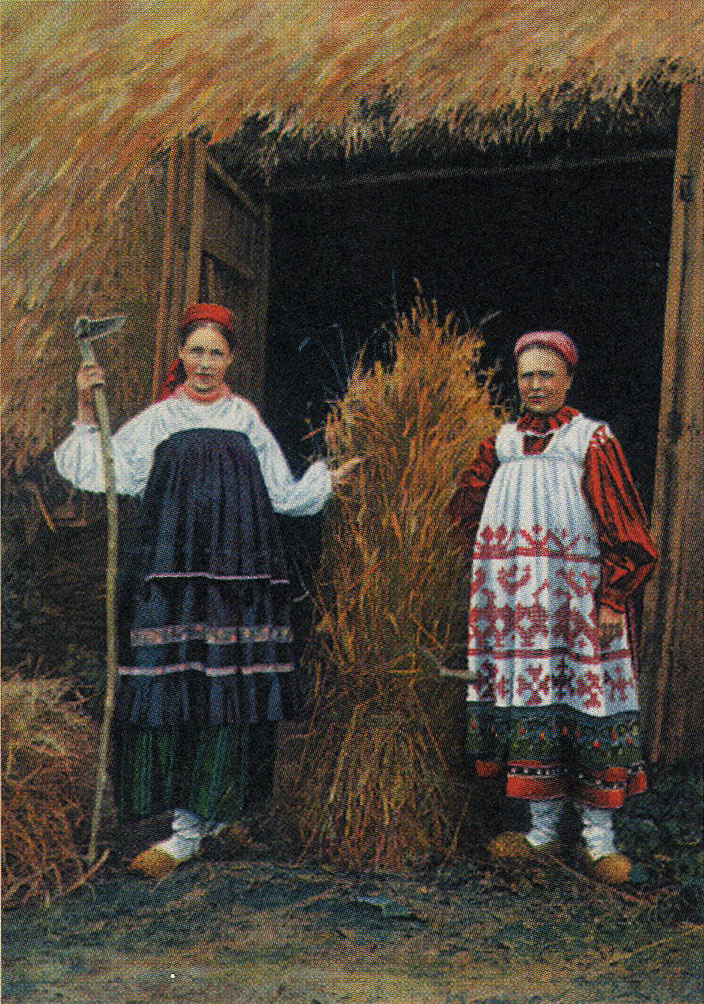 DozhinkiA Slavic harvest festival of the last sheaf, a woven wreath and a shared meal
 Easter whippingAn Easter Monday custom of tapping women with braided willow switches for vitality
 VechornytsiEvening gatherings of Ukrainian youth, with songs, jokes, games and winter divination
 MakahikiA four-month Hawaiian new year season of peace, harvest gifts, feasts and games
Good reading and sources
The facts on this page come from the Wikipedia article "Name days in Slovakia", written by its contributors and used under the CC BY-SA 4.0 licence, and from its Wikidata record (CC0). EveryParampara rewrote the text in its own words, with AI assistance, and compares every page with the article to make sure no passage is copied. It may be reused under the same CC BY-SA 4.0 licence with a link back.
It may contain mistakes. Traditions differ from one family, village and community to the next, and the people who keep them know them best. If something is wrong, tell us. Last refreshed 2026-10-05.
More from Slovakia
All the traditions of Slovakia
🇨🇿 Czechia and 2 moreEaster whippingpomlázka
An Easter Monday custom of tapping women with braided willow switches for vitalitySeasonal
🇵🇱 Kraków, Poland and 5 moreDozhinkiDożynki
A Slavic harvest festival of the last sheaf, a woven wreath and a shared mealSeasonal
🇺🇦 Ukraine and 7 moreVechornytsiвечорниці
Evening gatherings of Ukrainian youth, with songs, jokes, games and winter divinationSeasonal
 🇸🇰 Pezinok, SlovakiaPezinok Grape Harvest FestivalPezinské vinobranie
An annual autumn harvest and wine festival filling the streets of Pezinok, SlovakiaSeasonal · Tea, coffee and drinking ceremonies
🇸🇰 Pezinok, SlovakiaPezinok Grape Harvest FestivalPezinské vinobranie
An annual autumn harvest and wine festival filling the streets of Pezinok, SlovakiaSeasonal · Tea, coffee and drinking ceremonies
The same idea elsewhere
Naming ceremonies compared 🇬🇭 Ghana and 3 moreDamba festivalDamba chuɣu
A Ghanaian celebration of royal authority, ancestral memory, music and danceFestival
🇬🇭 Ghana and 3 moreDamba festivalDamba chuɣu
A Ghanaian celebration of royal authority, ancestral memory, music and danceFestival
 🇮🇩 IndonesiaSlametan
A short communal meal on Java where neighbours share food, prayer and a wish for peaceSpiritual · Feasts and festival meals
🇮🇩 IndonesiaSlametan
A short communal meal on Java where neighbours share food, prayer and a wish for peaceSpiritual · Feasts and festival meals
 🇷🇼 RwandaKwita Izina
Rwanda's yearly ceremony naming newborn mountain gorillas, after a baby-naming customRite of passage
🇷🇼 RwandaKwita Izina
Rwanda's yearly ceremony naming newborn mountain gorillas, after a baby-naming customRite of passage