Seasons, harvest and the calendarEuropeChristian
Easter whipping
In its own language: pomlázka
An Easter Monday custom of tapping women with braided willow switches for vitality

On Easter Monday morning across Czechia, Slovakia, and areas of Hungary, men visit households with braided willow twigs decorated with ribbons. They lightly strike female friends or relatives while reciting spring rhymes, receiving decorated eggs in return to wish them health and youth.
When is Easter whipping kept?
Easter whipping is kept on annually on Easter Monday morning.
Easter whipping is a central European spring practice held each Easter Monday. Men craft plaited switches from fresh willow branches, adorned with colourful ribbons, and visit local homes. They gently tap women on the legs or douse them with water while chanting traditional verses. In folk belief, this annual contact with pliable green wood imparts youth, vitality, and health for the months ahead, while hosts offer patterned eggs in gratitude.
The braided switch
Participants weave the switches by hand using between four and twenty-four supple willow stems. The finished whips range from fifty centimetres to around two metres in size, with bright fabric ribbons tied to the tip. Different regions use distinct names for the implement: Czechs call it a pomlázka or karabáč, Slovaks say korbáč or šibák, and Hungarians refer to it as a siba or korbács. The word pomlázka shares roots with the idea of restoring youth, while the term korbáč traces back to an old Turkish word for a plaited whip.
Easter Monday visits
The tradition begins on Easter Monday morning when male visitors call on homes in their neighbourhood. Upon entering, callers sing or chant short rhymes asking for painted eggs and celebrating the arrival of spring. They lightly tap the women of the house on the legs with their switches or sprinkle them with water and scent. In exchange for the visit, women present their guests with decorated eggs or small presents. If men arrive late in the day after twelve o'clock, women traditionally turn the tables by dousing them with buckets of cold water.
Meaning and modern views
Folk tradition regards the touch of the willow as a transfer of life force, promising health, beauty, and fertility throughout the coming year. While meant symbolically rather than harshly, the custom draws varied reactions today. A 2019 survey found that sixty percent of Czech households still observed Easter whipping or water splashing. However, modern criticism has grown over physical discomfort, bruising, and heavy drinking. In a 2022 study, seventy-nine percent of Czech women surveyed voiced dislike for the practice, citing pain and embarrassment alongside excessive alcohol intake during the rounds.
Neighbouring customs
Other countries in Central and Eastern Europe observe related Easter customs involving water or fresh greenery. In Poland, people assemble tall Easter palms using pussy willow and floral decorations for religious processions. In Croatia, residents craft switches from olive branches, though these are never used to strike individuals. While sharing themes of spring renewal and seasonal plant life, these neighbouring rituals developed independently from the whipping practices observed across the Czech, Slovak, and Hungarian borderlands.
How Easter whipping is kept
On the morning of Easter Monday, men go from house to house carrying handmade whips crafted from fresh willow branches. Callers chant or sing short verses about eggs, fertility, and generosity before tapping female household members on the legs with the switch. Some choose to spray water or perfume instead. The women present them with hand-painted eggs or other gifts. If male visitors arrive past midday, women retaliate by pouring cold water over them. Some participants put on extra layers of clothing beforehand to cushion the blows.
When and where
The ritual takes place on Easter Monday, beginning in the early morning hours. Its date changes each year following the movable Christian Easter calendar in early spring.
This custom is widely practiced across the Czech Republic and Slovakia, as well as in certain Hungarian communities. Related rituals featuring water or greenery occur in neighbouring Poland and Croatia.
What Easter whipping means
The flexible green willow branches symbolize renewed vitality after winter. Being tapped with the switch is traditionally believed to bestow youth, beauty, good health, and fertility for the upcoming twelve months. The name pomlázka itself derives from the concept of rejuvenation, reflecting the idea of passing the tree's fresh spring energy into the person.
On the table
- Decorated eggs
Questions people ask about Easter whipping
When is Easter whipping kept?
Easter whipping is kept on annually on Easter Monday morning.
What is Easter whipping?
It is an Easter Monday custom where men visit homes with braided willow switches, lightly tapping women or spraying them with water to impart health and youth.
Where and when is the custom observed?
The custom takes place on Easter Monday morning. It is maintained across Czechia and Slovakia, as well as in several Hungarian localities, following the movable spring holiday.
How is the Easter switch made?
Makers hand-plait between four and twenty-four supple willow twigs into a switch measuring between fifty centimetres and two metres long, finishing the end with colourful ribbons.
What do women give to visitors?
In return for the visit and seasonal verses, women traditionally offer guests decorated eggs or other small presents. If men arrive after midday, women may throw cold water on them.
See also
 Kupala NightA summer solstice folk festival marked by bonfires, water rituals and herbal gatherings across Eastern Europe.
 BusójárásA six-day winter carnival of carved wooden masks, folk music, and parades in Mohács
 KoliadaA traditional winter caroling and solstice festival kept across Slavic Europe
 LosarThe Tibetan Buddhist New Year festival of renewal, offerings, and family feasts
Good reading and sources
- Easter whip on WikipediaEncyclopedia
- More photos on Wikimedia CommonsPhotos and video
- Wikidata recordOpen data
The facts on this page come from the Wikipedia article "Easter whip", written by its contributors and used under the CC BY-SA 4.0 licence, and from its Wikidata record (CC0). EveryParampara rewrote the text in its own words, with AI assistance, and compares every page with the article to make sure no passage is copied. It may be reused under the same CC BY-SA 4.0 licence with a link back.
It may contain mistakes. Traditions differ from one family, village and community to the next, and the people who keep them know them best. If something is wrong, tell us. Last refreshed 2026-10-04.
More from Czechia
All the traditions of Czechia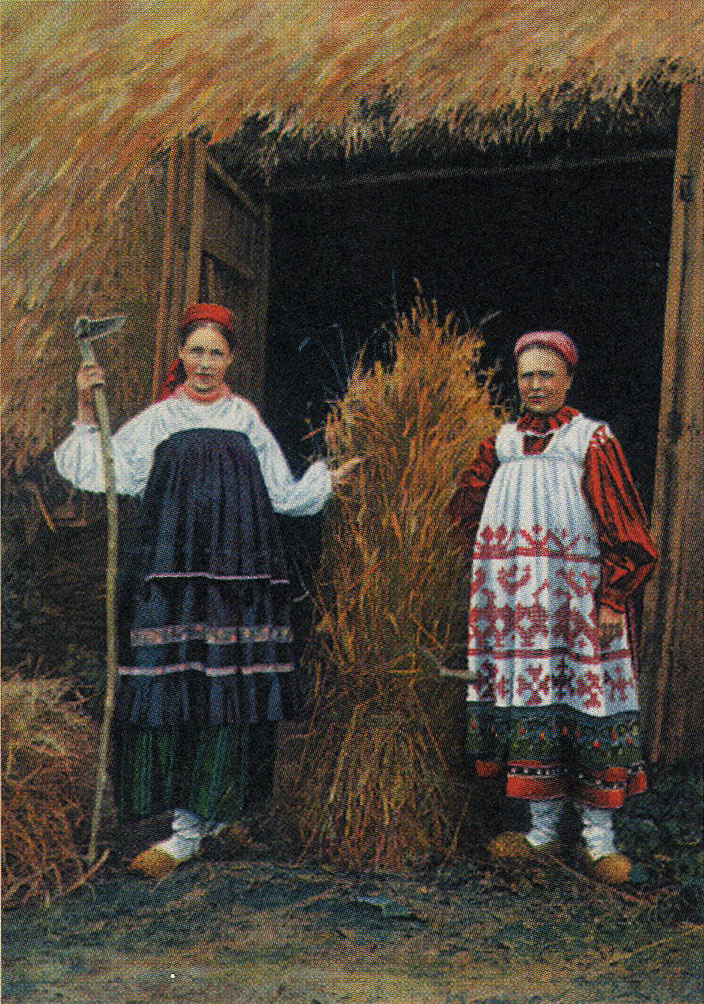 🇵🇱 Kraków, Poland and 5 moreDozhinkiDożynki
A Slavic harvest festival of the last sheaf, a woven wreath and a shared mealSeasonal
🇨🇿 CzechiaName days in the Czech RepublicSvátek
A daily custom where people celebrate on the calendar date assigned to their given name.Seasonal
🇵🇱 Kraków, Poland and 5 moreDozhinkiDożynki
A Slavic harvest festival of the last sheaf, a woven wreath and a shared mealSeasonal
🇨🇿 CzechiaName days in the Czech RepublicSvátek
A daily custom where people celebrate on the calendar date assigned to their given name.Seasonal
 🇨🇿 Vlčnov, CzechiaRide of the KingsJízda králů
A Moravian spring procession where horsemen escort a silent boy king holding a roseFestival
🇺🇦 Ukraine and 7 moreKoliadaКоляда
A traditional winter caroling and solstice festival kept across Slavic EuropeFestival
🇨🇿 Vlčnov, CzechiaRide of the KingsJízda králů
A Moravian spring procession where horsemen escort a silent boy king holding a roseFestival
🇺🇦 Ukraine and 7 moreKoliadaКоляда
A traditional winter caroling and solstice festival kept across Slavic EuropeFestival
The same idea elsewhere
Spring and renewal compared 🇰🇷 Jeju, South KoreaGut굿
Sacred rites of song, dance, and spirit communion performed by Korean shamansSpiritual
🇰🇷 Jeju, South KoreaGut굿
Sacred rites of song, dance, and spirit communion performed by Korean shamansSpiritual
 🇯🇵 JapanChildren's Dayこどもの日
A Japanese holiday on May fifth celebrating the happiness and growth of childrenFestival
🇯🇵 JapanChildren's Dayこどもの日
A Japanese holiday on May fifth celebrating the happiness and growth of childrenFestival
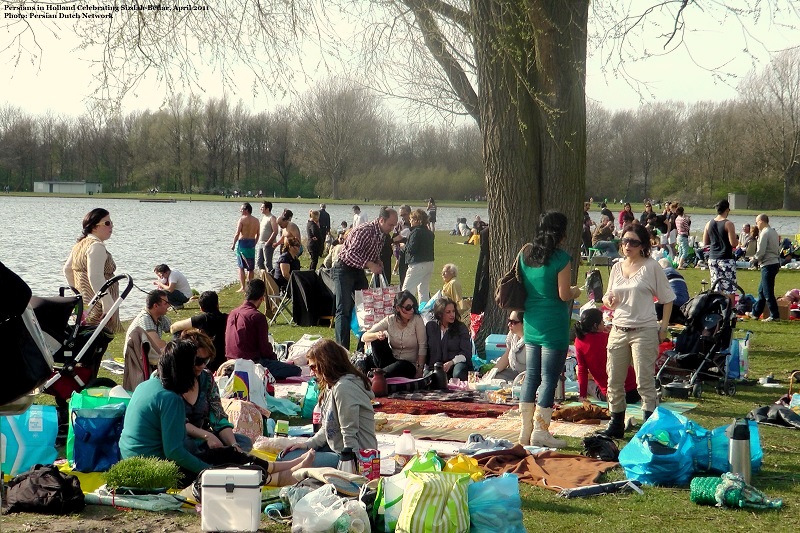 🇮🇷 Iran and 4 moreSizdah Bedarسیزدهبدر
An open-air picnic holiday concluding the Iranian New Year celebrationsFestival
🇮🇷 Iran and 4 moreSizdah Bedarسیزدهبدر
An open-air picnic holiday concluding the Iranian New Year celebrationsFestival
 🇯🇵 Kyoto, JapanAoi Matsuri葵祭
A classical Kyoto festival with an imperial procession and ancient shrine ritualsFestival
🇯🇵 Kyoto, JapanAoi Matsuri葵祭
A classical Kyoto festival with an imperial procession and ancient shrine ritualsFestival