Games, sport and playSoutheast AsiaIndigenous and traditional
Pasola
A ritual horseback spear contest in western Sumba marking the rice-planting season

Pasola is a traditional horseback spear-fighting contest from western Sumba, Indonesia, held in February and March. Riders throw wooden spears in ceremonial mock battles to mark the planting season, honour ancestors, and pray for a bountiful harvest.
When is Pasola kept?
Pasola is kept on across four weeks in February and March.
Pasola is a traditional equestrian spear contest from western Sumba in Indonesia, staged to welcome the rice-planting season. Horse riders gallop across open fields and fling blunt wooden javelins at opposing riders. Rooted in ancestral customs and regional folklore, the event once served to spill blood onto the soil to ensure a good rice crop, though it now functions mainly as a festive mock tournament.
The legend of Waiwuang
According to local lore, the ritual began with a woman living in the village of Waiwuang. Her husband, who led the settlement, departed on a prolonged journey. Assuming he had died, she chose a new partner from another community and eloped. When her first husband unexpectedly returned, she elected to remain with her new spouse. To ease the sorrow of their abandoned leader, the villagers arranged a competitive spear-throwing gathering. The name of the event comes from the local term for spear, which is derived from the Sanskrit word sula.
From combat to ritual sport
In earlier times, participants engaged in fierce combat using metal-tipped spears. Shedding the blood of horses and fighters onto the dirt was considered a vital offering to ancestral spirits, thanking them for previous yields and encouraging future agricultural abundance. Falling in battle was viewed as a great honour. Over generations, the gathering transitioned into a ceremonial mock fight. Contestants now wield blunted wooden shafts without iron points. To uphold the ritual connection to spilled blood, communities sacrifice chickens, dogs, and pigs instead. Armed police officers attend to prevent rivalries from turning into genuine violence.
The coastal signs and calendar
The timing of the games relies on ecological changes. The season traditionally opens when a particular species of sea worm swims onto the shore. This natural occurrence signifies that the rainy period has drawn to a close and rice planting must begin. The entire observance runs for four weeks across February and March. While natural cues formerly dictated the exact start, village elders now establish the schedule ahead of time, allowing visitors and tourists to watch the spectacles safely from the sidelines.
How Pasola is kept
Riders mount their horses and charge across an open field, hurling blunt wooden javelins at opposing horsemen while dodging incoming throws. The matches take place during a four-week season alongside animal sacrifices involving chickens, pigs, and dogs. Armed police officers stand by to prevent personal conflicts from breaking out among participants and onlookers.
When and where
Pasola takes place over four weeks during February and March. The season traditionally starts when sea worms appear along the coast, marking the end of the rains and the time for planting crops. Community elders now determine the specific dates in advance.
This tradition is held across the western region of Sumba island in Indonesia. The contests are staged in rural village arenas, continuing a practice tied specifically to local agricultural communities.
What Pasola means
Pasola originated as an ancestral rite to ensure an abundant rice harvest. Pouring blood into the earth was regarded as a sacred offering to the ancestors for agricultural prosperity. It also recalls the legend of a heartbroken village chief whose community organized the games to lift his spirits.

Questions people ask about Pasola
When is Pasola kept?
Pasola is kept on across four weeks in February and March.
What is Pasola?
Pasola is a traditional mounted spear-throwing contest held in western Sumba, Indonesia. Horsemen throw blunt wooden spears at one another during a four-week period to celebrate the start of the rice-planting season.
Why do riders throw spears in Pasola?
The practice began as a ritual sacrifice where shedding blood onto the soil honoured ancestral spirits and ensured a good rice harvest. It also stems from a local story about lifting the spirits of a grieving village leader.
Is Pasola dangerous?
While fighters in the past used sharp metal tips and viewed death as an honour, modern matches use blunt wooden spears. Fatalities today are rare and accidental, and police monitor the field to maintain peace.
See also
 MawlidAn annual festival marking the birth of the Prophet Muhammad, marked by poetry, processions and feasts.
 MelastiA Balinese Hindu purification ritual held at the sea before Nyepi to cleanse sacred objects and people.
 BarongA sacred Balinese masked dance drama depicting the eternal struggle of good and evil
 PenjorA curved bamboo pole decorated with leaves and offerings, raised in Bali to mark Galungan and invite prosperity.
Good reading and sources
- Pasola on WikipediaEncyclopedia
- More photos on Wikimedia CommonsPhotos and video
- Wikidata recordOpen data
The facts on this page come from the Wikipedia article "Pasola", written by its contributors and used under the CC BY-SA 4.0 licence, and from its Wikidata record (CC0). EveryParampara rewrote the text in its own words, with AI assistance, and compares every page with the article to make sure no passage is copied. It may be reused under the same CC BY-SA 4.0 licence with a link back.
It may contain mistakes. Traditions differ from one family, village and community to the next, and the people who keep them know them best. If something is wrong, tell us. Last refreshed 2026-10-05.
More from Indonesia
All the traditions of Indonesia 🇮🇹 Naples, Italy and 5 moreGreasy pole
A slippery pole climbed, walked or crossed to win a prize at the top or the far endGame
🇮🇹 Naples, Italy and 5 moreGreasy pole
A slippery pole climbed, walked or crossed to win a prize at the top or the far endGame
 🇮🇩 Bali, Indonesia and 3 morePencak silat
Indonesia's many schools of full-body fighting, with strikes, locks, throws and bladesGame
🇮🇩 Bali, Indonesia and 3 morePencak silat
Indonesia's many schools of full-body fighting, with strikes, locks, throws and bladesGame
 🇯🇵 Japan and 5 moreHouse
A traditional children's make-believe game of acting out domestic family rolesGame
🇮🇩 Bali, IndonesiaMelasti
A Balinese Hindu purification ritual held at the sea before Nyepi to cleanse sacred objects and people.Spiritual
🇯🇵 Japan and 5 moreHouse
A traditional children's make-believe game of acting out domestic family rolesGame
🇮🇩 Bali, IndonesiaMelasti
A Balinese Hindu purification ritual held at the sea before Nyepi to cleanse sacred objects and people.Spiritual
The same idea elsewhere
Harvest and thanksgiving compared 🇮🇳 Ayodhya, India and 7 moreDiwaliदीपावली (Dīpāvalī)
A five-day festival of lights celebrated across India and its diaspora to mark the victory of light over darkness.Festival · Feasts and festival meals
🇮🇳 Ayodhya, India and 7 moreDiwaliदीपावली (Dīpāvalī)
A five-day festival of lights celebrated across India and its diaspora to mark the victory of light over darkness.Festival · Feasts and festival meals
 🇮🇱 Jerusalem, IsraelSukkotסוכות
A seven-day autumn Jewish festival of temporary booths, harvest prayers and hospitalitySpiritual
🇮🇱 Jerusalem, IsraelSukkotסוכות
A seven-day autumn Jewish festival of temporary booths, harvest prayers and hospitalitySpiritual
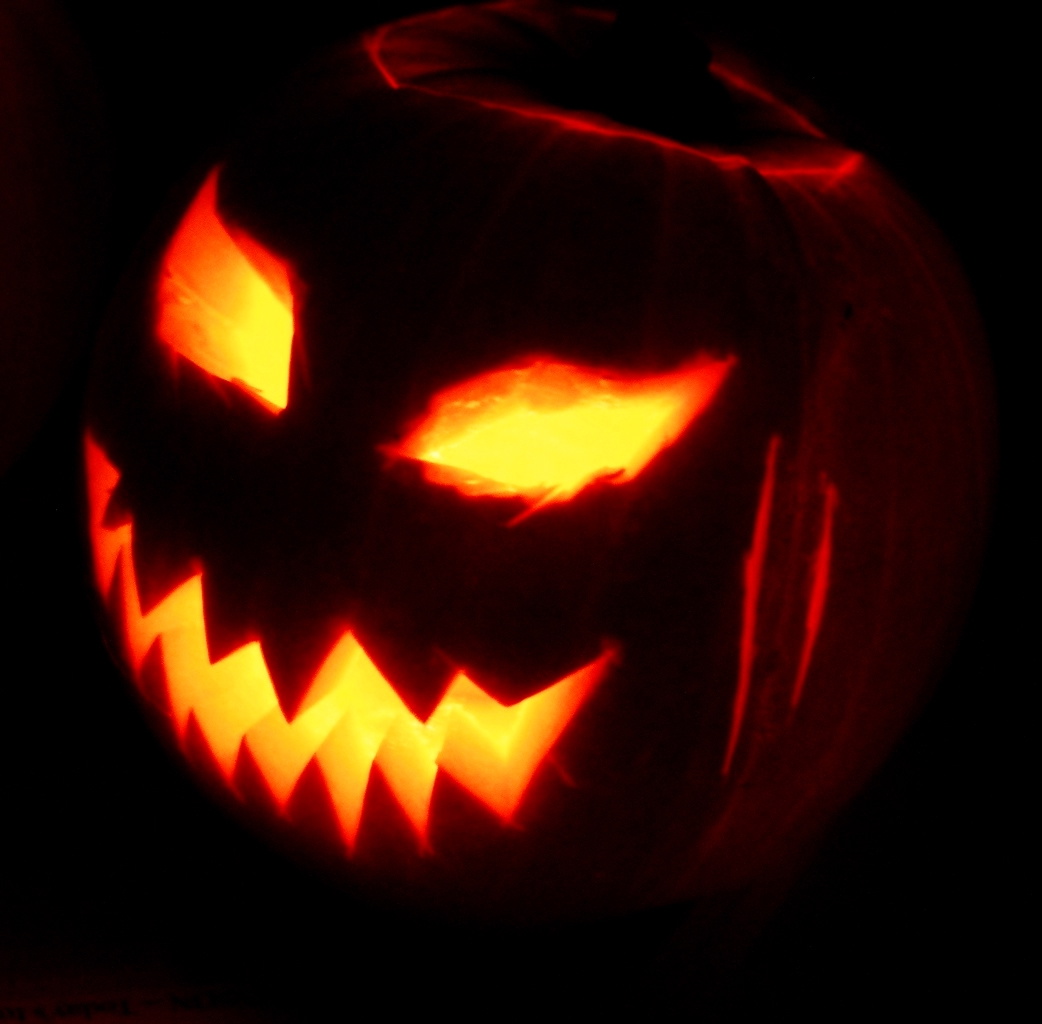 🇮🇪 Ireland and 2 moreJack-o'-lantern
A carved pumpkin lantern lit with a candle to brighten and protect Halloween nightsFolklore
🇮🇪 Ireland and 2 moreJack-o'-lantern
A carved pumpkin lantern lit with a candle to brighten and protect Halloween nightsFolklore
 🇵🇪 Cusco, Peru and 4 moreIntiinti (Quechua)
The Inca sun deity, honoured with temples, offerings and the June festival Inti RaymiSpiritual
🇵🇪 Cusco, Peru and 4 moreIntiinti (Quechua)
The Inca sun deity, honoured with temples, offerings and the June festival Inti RaymiSpiritual