Spiritual and religiousSoutheast AsiaHindu
Penjor
In its own language: ᬧᬾᬜ᭄ᬚᭀᬃ
A curved bamboo pole decorated with leaves and offerings, raised in Bali to mark Galungan and invite prosperity.

The penjor is a tall, arched bamboo pole installed across Bali during the Hindu festival of Galungan. It serves as a symbol of prosperity and spiritual connection. Families decorate these poles with coconut leaves and food offerings to honor their ancestors and deities.
When is Penjor marked?
Penjor is kept as part of Galungan, which runs from 13 to 22 January 2027.
The penjor stands as a towering sign of welcome and blessing in Balinese Hindu homes. Crafted from a single bent bamboo stalk, it is adorned with greenery and small gifts. Communities raise these poles to celebrate Galungan, marking a time when ancestors visit the living world.
What it is
This ritual object takes the shape of a long bamboo pole that bends gracefully at the top. The curve mimics the tail of the barong spirit or the peak of Mount Agung. Heights typically range from five to ten meters. You will see them lining streets and fronting private compounds throughout Bali. They appear not just for major festivals but also during temple anniversaries and other life-cycle events.
How it is kept
Families prepare the pole by selecting a sturdy stalk and bending its upper section. They then attach a base shrine decorated with a lamak, which is a woven mat. The main body is wrapped in yellow coconut leaves called plawa. Artisans hang various items from the fronds to create a rich tapestry of color and texture. These decorations include roots, fruits, and traditional cakes.
Symbolism
The structure represents the connection between the physical and spiritual realms. Its form honors the sacred mountain and protective spirits. The hanging items serve as offerings to invite good fortune into the household. By displaying the penjor, residents express gratitude and seek harmony with the divine forces that watch over their community and daily lives.
How Penjor is kept
Families select a tall bamboo stalk and bend its tip to create the characteristic arch. They secure a small shrine at the base, often featuring a woven lamak mat. The pole is then wrapped in yellow coconut leaves. Decorators hang symbolic items like sweet potato roots, cucumbers, oranges, bananas, rice, corn, and coins from the foliage. Some installations remain permanent fixtures at specific sites.
When and where
It is installed on the day of Galungan. This date follows the Balinese Pawukon calendar cycle.
These poles are found throughout Bali, Indonesia. They stand in front of homes, family compounds, and near temples.
What Penjor means
The penjor embodies prosperity and spiritual protection. Its curved shape recalls the tail of the benevolent barong spirit and the summit of Mount Agung. The offerings attached to it represent gratitude for the earth's bounty and a desire for continued blessings from the gods and ancestors.


Days Penjor is marked
Questions people ask about Penjor
When is Penjor marked?
Penjor is kept as part of Galungan, which runs from 13 to 22 January 2027.
What is a penjor?
It is a tall, curved bamboo pole used as a religious symbol in Bali. It is decorated with leaves and offerings to mark the Galungan festival and other important Hindu ceremonies.
Where can I find them?
They are widespread in Bali, Indonesia. Look for them in front of private homes, family compounds, and near temple grounds throughout the region.
Why is it shaped that way?
The arch resembles the tail of the barong spirit or the peak of Mount Agung. This shape connects the home to sacred natural and spiritual landmarks.
See also
 MelastiA Balinese Hindu purification ritual held at the sea before Nyepi to cleanse sacred objects and people.
 Qingming FestivalA spring custom of sweeping family graves and honouring ancestors across East Asia.
 Ghost FestivalA full-moon night in the seventh lunar month for feeding ghosts and guiding souls home
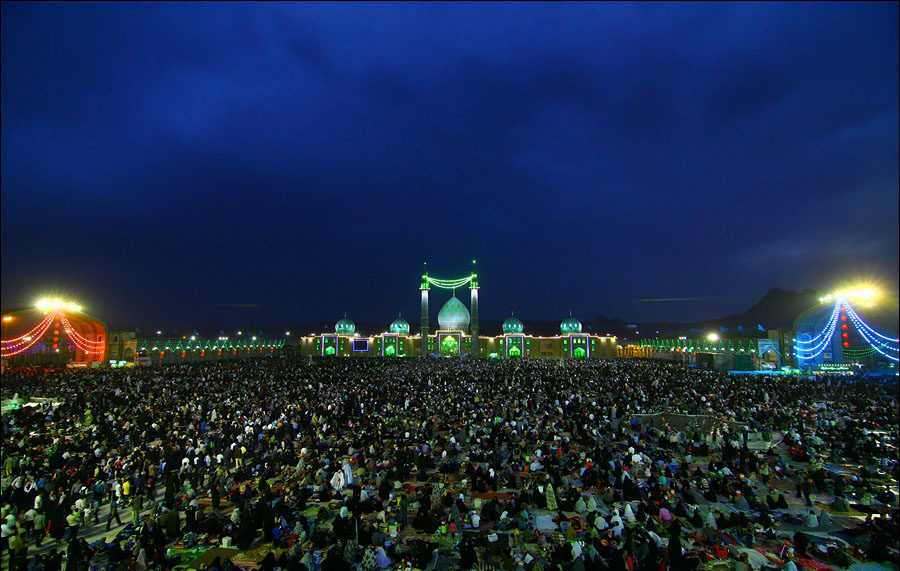 Mid-Sha'banAn Islamic night of prayer, remembrance, and seeking divine forgiveness.
Good reading and sources
- Penjor on WikipediaEncyclopedia
- More photos on Wikimedia CommonsPhotos and video
- Wikidata recordOpen data
The facts on this page come from the Wikipedia article "Penjor", written by its contributors and used under the CC BY-SA 4.0 licence, and from its Wikidata record (CC0). EveryParampara rewrote the text in its own words, with AI assistance, and compares every page with the article to make sure no passage is copied. It may be reused under the same CC BY-SA 4.0 licence with a link back.
It may contain mistakes. Traditions differ from one family, village and community to the next, and the people who keep them know them best. If something is wrong, tell us. Last refreshed 2026-10-05.
More from Indonesia
All the traditions of Indonesia 🇹🇭 Thailand and 7 moreSpirit house
A small roofed shrine on a pillar, kept in homes and villages across Southeast Asia to honour protective spirits.Spiritual
🇮🇩 Bali, IndonesiaMelasti
A Balinese Hindu purification ritual held at the sea before Nyepi to cleanse sacred objects and people.Spiritual
🇨🇳 China and 5 moreQingming Festival清明节
A spring custom of sweeping family graves and honouring ancestors across East Asia.Spiritual
🇨🇳 China and 5 moreGhost Festival中元節 / 中元节 (Zhōngyuán jié)
A full-moon night in the seventh lunar month for feeding ghosts and guiding souls homeSpiritual
🇹🇭 Thailand and 7 moreSpirit house
A small roofed shrine on a pillar, kept in homes and villages across Southeast Asia to honour protective spirits.Spiritual
🇮🇩 Bali, IndonesiaMelasti
A Balinese Hindu purification ritual held at the sea before Nyepi to cleanse sacred objects and people.Spiritual
🇨🇳 China and 5 moreQingming Festival清明节
A spring custom of sweeping family graves and honouring ancestors across East Asia.Spiritual
🇨🇳 China and 5 moreGhost Festival中元節 / 中元节 (Zhōngyuán jié)
A full-moon night in the seventh lunar month for feeding ghosts and guiding souls homeSpiritual
The same idea elsewhere
Remembering the ancestors compared 🇮🇪 Ireland and 5 moreHalloween
An annual observance on 31 October marking the eve of All Saints' Day, rooted in Christian tradition and Celtic heritageFestival · Sweets given and shared
🇮🇪 Ireland and 5 moreHalloween
An annual observance on 31 October marking the eve of All Saints' Day, rooted in Christian tradition and Celtic heritageFestival · Sweets given and shared
 🇮🇳 Ayodhya, India and 7 moreDiwaliदीपावली (Dīpāvalī)
A five-day festival of lights celebrated across India and its diaspora to mark the victory of light over darkness.Festival · Feasts and festival meals
🇮🇳 Ayodhya, India and 7 moreDiwaliदीपावली (Dīpāvalī)
A five-day festival of lights celebrated across India and its diaspora to mark the victory of light over darkness.Festival · Feasts and festival meals
 🇮🇷 Iran and 7 moreNowruzنوروز
The Iranian new year at the March equinox, kept with fire, greenery and picnicsSeasonal
🇮🇷 Iran and 7 moreNowruzنوروز
The Iranian new year at the March equinox, kept with fire, greenery and picnicsSeasonal
 🇮🇱 Jerusalem, Israel and 1 moreHanukkahחֲנֻכָּה
An eight-day Jewish festival marking the rededication of the Second Temple in Jerusalem and the miracle of a single day'Festival
🇮🇱 Jerusalem, Israel and 1 moreHanukkahחֲנֻכָּה
An eight-day Jewish festival marking the rededication of the Second Temple in Jerusalem and the miracle of a single day'Festival