Festivals and celebrationsEuropeChristian
Patronal festival
In its own language: Fiesta patronal
A town's yearly feast for its patron saint, with processions, a fair and shared food

A patronal festival is a yearly celebration held in places shaped by Christianity for the saint or virgin regarded as a town's heavenly patron. Kept from Italy and Spain to the Philippines and Puerto Rico, it falls on the patron's day and brings processions, a fair, music and shared meals.
When is Patronal festival kept?
Patronal festival is kept every year, on the feast day of the place's patron saint.
In towns across many Christian-influenced countries, one day a year belongs to the place's patron: a saint or the Virgin, chosen as its heavenly advocate. Neighbours honour that figure with a procession, dress the streets, and hold a fair that can last a single day or a full week. The festival marks the town's own identity, not the nation's.
What it is
Each patronal festival belongs to one place and one holy figure. The saint or the Virgin is treated as that community's advocate in heaven, and the celebration is their day. In Spanish it is a fiesta patronal, in Italian a festa patronale, in Portuguese a festa patronal, in French a fête patronale. The date is usually the patron's own feast in the church calendar, so Rome keeps 29 June for Saints Peter and Paul while Milan keeps 7 December for Saint Ambrose. Bigger cities often hold several such festivals, one for each parish and its own patron.
Origins and history
The custom grew where Christianity shaped public life, which is why the same idea appears under different names across Europe and Latin America. No single founding moment is recorded. What is documented is a long association with colonial and parish life: in the Philippines, many town fiestas trace back to the Spanish colonial period. In Serbian culture the pattern runs differently, since families there honour their own patron saint, the slava, in place of a local one. Some patronal days also carry national weight, such as the feast of Saint George for England, Georgia, Bulgaria, Romania, Portugal and several Spanish regions.
How it is kept
Length varies. A small place may mark one day; others stretch to a week or more, depending on money and local habit. Religious processions carry the patron's image through streets that residents have decorated. Alongside the procession runs a fair, called a verbena in Spanish and a sagra in Italian, which can borrow the look of a travelling carnival and sets up market stalls, fairground rides and music. Wine and beer are served, and dancing starts, sometimes arranged and sometimes on its own. Tarantellas are common at these gatherings in southern Italy and in Argentina. In Puerto Rico the music and entertainment begin on the first day, while most Latin American countries give day one to the saint.
Fiestas in the Philippines
Nowhere is the festival described at greater length than in the Philippines, where almost every city, town and barangay holds an annual Catholic fiesta for its patron. Many go back to Spanish colonial times. The day often opens with mass, and a communal meal follows. Households open their doors and feed whoever comes, including people they have never met. Streets are hung with small flags called banderitas. Carnivals travel between towns, and there are fairs, contests and dancing outdoors.
Examples in Spain
Spain's calendar is crowded with these feasts. Zaragoza keeps the Fiestas del Pilar near 12 October, Barcelona keeps La Mercè near 24 September, and Alicante lights bonfires for Saint John near 24 June. The Fallas hold their main days from 15 to 19 March, with fireworks every evening from 1 March. Pamplona's San Fermín spans 6 to 14 July. Madrid, and rural parts of Extremadura and Andalusia, mark San Isidro Labrador around 15 May. Italy keeps a national patronal day on 4 October for Saints Francis and Catherine, and Porto holds the Festa de São João on or close to 23 June.
How Patronal festival is kept
Preparation comes first: residents decorate the streets and set up the fair. On the day itself a procession carries the patron's image, usually with a mass for the Catholic community. The fair then runs, sometimes for a single day and sometimes for a week, with market stalls, fairground rides and music. Wine and beer are poured, and dancing starts, either planned or unplanned. In Latin America the opening day is normally reserved for the saint and the rest for entertainment; Puerto Rico begins its music straight away. Towns in the Philippines add a shared meal and open their homes to visitors.
When and where
The date is set by the church calendar, on the feast of the place's patron saint, so it differs from town to town. Rome keeps 29 June for Saints Peter and Paul, Milan 7 December for Saint Ambrose, Naples 19 September for Saint Januarius, Venice 25 April for Saint Mark, Florence 24 June for Saint John the Baptist. Italy also holds a national patronal day on 4 October.
The custom belongs to regions where Christianity shaped public life. Italy and Spain have large numbers of town feasts, and the Philippines holds one in almost every city, town and barangay. Portugal, Puerto Rico and Argentina are named as well, while Serbian families keep a different form, the slava, for their own patron saint.
What Patronal festival means
The saint or the Virgin stands for the place itself. A town calls this figure its heavenly advocate, meaning someone in heaven who speaks for it, and the yearly feast is the moment that bond is renewed. The procession, the decorated streets and the shared table say the same thing: this community has a protector and a name. Neighbours who feed strangers are extending that welcome outward.

Questions people ask about Patronal festival
When is Patronal festival kept?
Patronal festival is kept every year, on the feast day of the place's patron saint.
What is a patronal festival?
A yearly celebration held for the patron of a place, a saint or the Virgin seen as its heavenly advocate. It is kept in countries shaped by Christianity, usually on that patron's feast day, with a procession, a fair, music and shared food.
Where is it kept?
Mainly in countries shaped by Christianity. The sources name Italy, Spain, Portugal, the Philippines and Puerto Rico, and mention Argentina too. In the Philippines nearly every city, town and barangay holds one, many dating from the Spanish colonial period.
How long does it last?
It can be a single day or run for a week or more, depending on local money and habit. Spain's San Fermín spans 6 to 14 July, and the Fallas keep their main days from 15 to 19 March.
Is it only a religious event?
No. A procession, and often a mass, comes first, but the day also brings a fair, wine and beer, dancing and meals. In most of Latin America the saint has the first day and the entertainment follows; in Puerto Rico both begin together.
See also
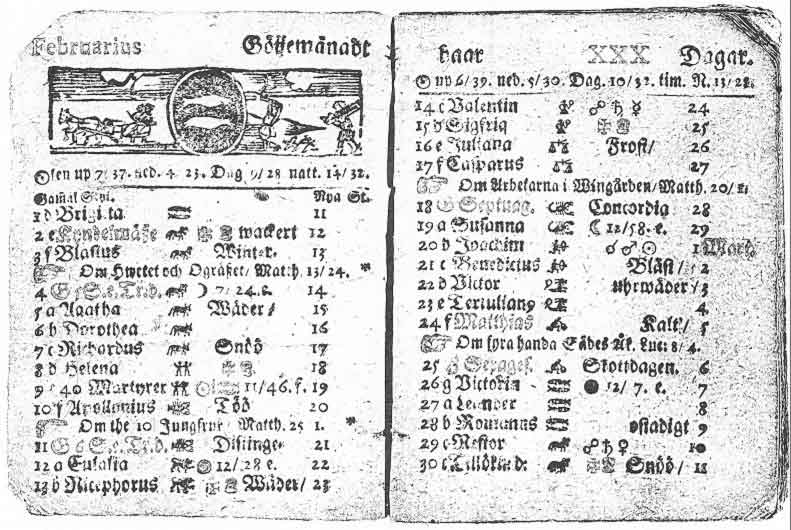 Name dayA calendar tradition where people celebrate the feast day of the saint after whom they are named.
 Christmas marketA seasonal street market held during Advent in German-speaking regions and beyond, featuring stalls, food, and crafts.
 JāņiAn annual Latvian summer solstice celebration of bonfires, singing and woven wreaths
 CaffèItaly's daily coffee habit: espresso taken standing at the bar, and moka coffee at home
Good reading and sources
- Patronal festival on WikipediaEncyclopedia
- More photos on Wikimedia CommonsPhotos and video
- Wikidata recordOpen data
The facts on this page come from the Wikipedia article "Patronal festival", written by its contributors and used under the CC BY-SA 4.0 licence, and from its Wikidata record (CC0). EveryParampara rewrote the text in its own words, with AI assistance, and compares every page with the article to make sure no passage is copied. It may be reused under the same CC BY-SA 4.0 licence with a link back.
It may contain mistakes. Traditions differ from one family, village and community to the next, and the people who keep them know them best. If something is wrong, tell us. Last refreshed 2026-10-05.
More from Italy
All the traditions of Italy
🇬🇷 Greece and 5 moreName day
A calendar tradition where people celebrate the feast day of the saint after whom they are named.Festival
🇩🇪 Nuremberg, Germany and 5 moreChristmas marketWeihnachtsmarkt
A seasonal street market held during Advent in German-speaking regions and beyond, featuring stalls, food, and crafts.Festival · Tea, coffee and drinking ceremonies
🇮🇹 Rome, ItalyMegalesiaMegalenses Ludi
An ancient Roman spring festival of theatrical plays, races and feasts for CybeleFestival · Feasts and festival meals
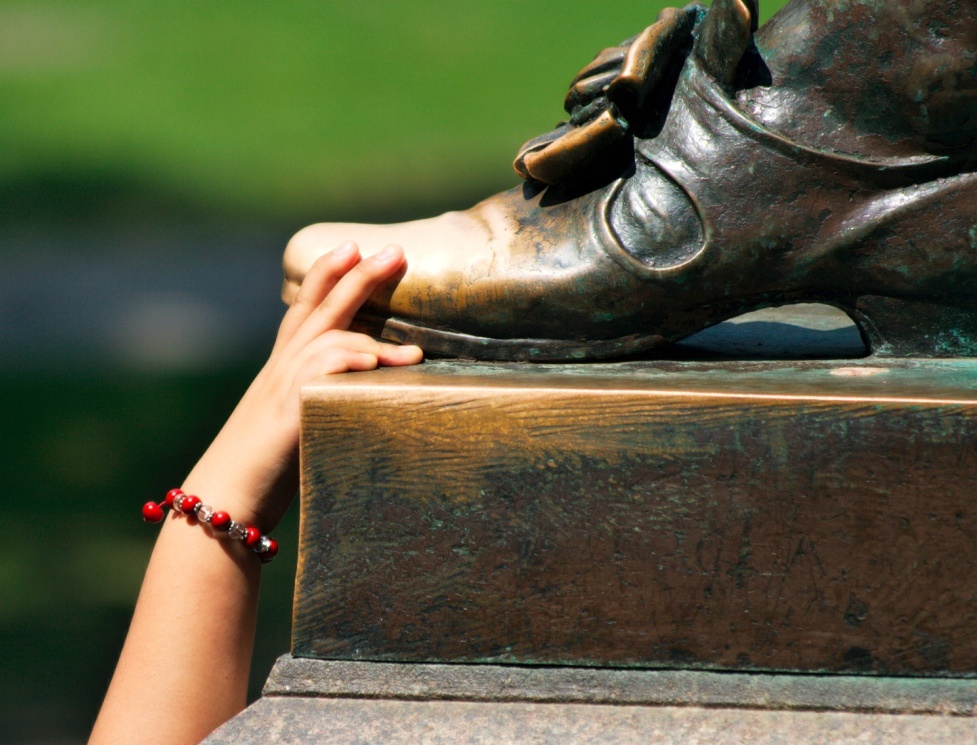 🇺🇸 United States and 5 moreStatue rubbing
A global custom of touching public statues to seek luck, love, or a return to the city.Festival
🇺🇸 United States and 5 moreStatue rubbing
A global custom of touching public statues to seek luck, love, or a return to the city.Festival
The same idea elsewhere
Hospitality and welcome compared 🇹🇷 Turkey and 5 moreEid al-Fitrعيد الفطر
The feast that ends Ramadan, opened with morning prayers, sweets and visits homeFestival · Feasts and festival meals
🇧🇩 Bangladesh and 3 moreAs-salamu alaykumسَلَامٌ عَلَيْكُمْ
A traditional Arabic greeting of peace exchanged in daily life and prayerEtiquette
🇹🇷 Turkey and 5 moreEid al-Fitrعيد الفطر
The feast that ends Ramadan, opened with morning prayers, sweets and visits homeFestival · Feasts and festival meals
🇧🇩 Bangladesh and 3 moreAs-salamu alaykumسَلَامٌ عَلَيْكُمْ
A traditional Arabic greeting of peace exchanged in daily life and prayerEtiquette
 🇮🇱 Jerusalem, IsraelSukkotסוכות
A seven-day autumn Jewish festival of temporary booths, harvest prayers and hospitalitySpiritual
🇮🇱 Jerusalem, IsraelSukkotסוכות
A seven-day autumn Jewish festival of temporary booths, harvest prayers and hospitalitySpiritual
 🇮🇱 Jerusalem, Israel and 1 morePurimפּוּרִים
A lively Jewish festival of storytelling, shared food, masks and charityFestival · Feasts and festival meals
🇮🇱 Jerusalem, Israel and 1 morePurimפּוּרִים
A lively Jewish festival of storytelling, shared food, masks and charityFestival · Feasts and festival meals