Customs of food and drinkEurope
Caffè
Italy's daily coffee habit: espresso taken standing at the bar, and moka coffee at home

Caffè is what Italians call coffee, and the word also covers their everyday coffee culture. The usual form is espresso, drunk standing at a bar, though many people make it at home in a caffettiera, a small stovetop pot. Naples drinks the most and keeps the strongest tradition, and Trieste is the main coffee port.
When is Caffè kept?
Caffè is kept on daily, at the bar or at home.
Caffè is the Italian word for coffee, and it also names a way of drinking it. Order a caffè in Italy and you get a straight espresso, usually taken standing at the bar. At home, many people make coffee in a stovetop pot called a caffettiera. Coffee houses and bars have long been places to meet, talk and pass the time.
What it is
In an espresso bar, the word caffè means a straight espresso, nothing added. It arrives on a saucer with a small demitasse spoon, and sometimes with a wrapped chocolate and a glass of water. People often drink it standing at the bar rather than sitting down. Espresso takes its name from the Italian verb esprimere, meaning to express, and refers to hot water pushed under pressure through ground coffee. Caffè can also mean the Italian way of making coffee, or a coffee bar of the kind found across Europe. The range of drinks ordered under this name is large, and about twenty are common throughout the country.
Origins and history
The word caffè probably comes from Kaffa, a region of Ethiopia where coffee is thought to have originated. Muslims first used and spread coffee worldwide from the port of Mocha in Yemen, and Europeans later took the name mokka from that port. In Italy, coffee houses became common in the 19th century as places to drink caffè. Drinking coffee at home began in the early 20th century, once moka pots were available to ordinary households. Coffee houses also grew into meeting places for artists, writers and politicians.
Coffee houses
A caffetteria is a coffee house or café, a place where caffè was traditionally made in a moka pot. Older caffetterie drew the upper classes and hosted art and culture events, which gave several of them lasting fame. Caffè Greco on Via Condotti in Rome and Caffè Florian in Venice both opened after the middle of the 18th century, and both became known as meeting points for artists, intellectuals and politicians. This caffetterie culture was mostly enjoyed by men, while women held tea meetings of their own. Coffee houses still work much the same way, though laptops and blogs have replaced ink, paper and newspapers.
The moka pot at home
The caffettiera, the pot used to make coffee at home, is a small steam machine in three parts: a bottom boiler, a central filter for the grounds, and an upper cup. Italian engineer Luigi Di Ponti invented one in 1933 and sold the patent to Alfonso Bialetti, who dealt in aluminium. It soon became a common object in Italian homes, and Bialetti Industries still makes the original model as the Moka Express. The Neapolitan version works differently and is turned upside down when the drink is ready, so its boiler and cup can be swapped.
Types and places
Italian coffee comes in many forms. Beyond plain espresso there are the ristretto, a shorter pour, the macchiato, espresso marked with a little milk, the marocchino, the cappuccino made with whipped milk foam, and caffellatte, coffee and milk in similar amounts. Some are sweetened, some are served over ice cream as an affogato, and caffè d'orzo is made from barley rather than coffee. Consumption is highest in Naples, which also keeps the strongest coffee tradition. Trieste is the main coffee port and a centre of coffee processing, with 1,500 cups drunk per person each year, about twice the national average. In 2021 Naples and Trieste both said they hoped to have their coffee culture recognised by UNESCO.
How Caffè is kept
A customer orders un caffè at the bar and drinks it there, usually standing. The espresso comes on a saucer with a demitasse spoon, and sometimes a small glass of water and a wrapped chocolate. Coffee houses serve the same drink in a setting made for sitting and talking; people meet there to chat, work, read and write. At home, the caffettiera goes on the stove and the coffee is shared among the household. Coffee drinking is a daily habit rather than an occasion, and it is strongest in Naples.
When and where
There is no fixed date. Caffè belongs to every day of the year and is tied to no festival or season. Bars and coffee houses set their own hours, and the drink is taken at any time of day. In 2021 Naples and Trieste said they hoped to have their coffee culture recognised by UNESCO, but the habit is kept daily rather than on one day.
Coffee is drunk all over Italy, and the sources name Naples as the city where consumption is highest and the tradition strongest. Trieste is the country's main coffee port and has a large coffee processing industry. Rome and Venice hold two of the oldest and best known coffee houses, Caffè Greco and Caffè Florian.
What Caffè means
Coffee houses are places where people mix easily, both within their own circles and with strangers, and saying you will meet for coffee usually means meeting to talk. Crowded rooms encourage this: strangers share a table, and the cosy layout invites conversation. In the past, people gathered in such places to chat, write for local newspapers, read those same papers and pass the time. For Italians, attention to the blend and to preparation is part of how the drink is valued, and the bar or caffetteria is an everyday social setting.


Questions people ask about Caffè
When is Caffè kept?
Caffè is kept on daily, at the bar or at home.
What is caffè?
Caffè is the Italian word for coffee. In a bar it means a straight espresso, served in a small cup on a saucer with a demitasse spoon, sometimes with a wrapped chocolate and a glass of water. It can also refer to the Italian way of making coffee.
Where is it strongest?
Naples has the highest consumption in Italy and keeps the strongest coffee tradition. Trieste is the main coffee port and a centre of coffee processing, where around 1,500 cups are drunk per person each year, about twice the national average.
What is a caffettiera?
It is the pot used to make coffee at home, a small steam machine with a boiler, a filter and an upper cup. Luigi Di Ponti invented one in 1933 and sold the patent to Alfonso Bialetti, whose firm still makes the Moka Express.
Do the drinks vary across Italy?
About twenty coffee types are popular nationwide, and many regional varieties exist. The ristretto, macchiato, marocchino, cappuccino, caffellatte, affogato and shakerato are among the best known, alongside caffè d'orzo.
See also
 Caffè sospesoAn anonymous gift of a paid cup of coffee for a stranger in need
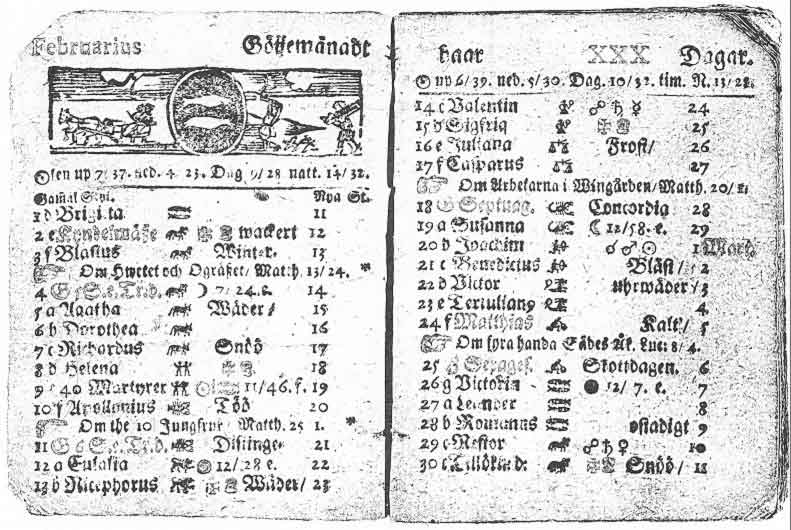 Name dayA calendar tradition where people celebrate the feast day of the saint after whom they are named.
 Christmas marketA seasonal street market held during Advent in German-speaking regions and beyond, featuring stalls, food, and crafts.
 CicchettiA Venetian custom of small counter snacks enjoyed with a glass of local white wine
Good reading and sources
- Coffee in Italy on WikipediaEncyclopedia
- More photos on Wikimedia CommonsPhotos and video
- Wikidata recordOpen data
The facts on this page come from the Wikipedia article "Coffee in Italy", written by its contributors and used under the CC BY-SA 4.0 licence, and from its Wikidata record (CC0). EveryParampara rewrote the text in its own words, with AI assistance, and compares every page with the article to make sure no passage is copied. It may be reused under the same CC BY-SA 4.0 licence with a link back.
It may contain mistakes. Traditions differ from one family, village and community to the next, and the people who keep them know them best. If something is wrong, tell us. Last refreshed 2026-10-05.
More from Italy
All the traditions of Italy
🇮🇹 Naples, Italy and 5 moreCaffè sospeso
An anonymous gift of a paid cup of coffee for a stranger in needTable custom · Tea, coffee and drinking ceremonies
 🇹🇷 Turkey and 5 moreCoffee culture
The habits and etiquette of drinking coffee, and the cafés built around itTable custom · Tea, coffee and drinking ceremonies
🇮🇹 Venice, ItalyCicchettiCicheti
A Venetian custom of small counter snacks enjoyed with a glass of local white wineTable custom · Tea-time and snacking customs
🇹🇷 Turkey and 5 moreCoffee culture
The habits and etiquette of drinking coffee, and the cafés built around itTable custom · Tea, coffee and drinking ceremonies
🇮🇹 Venice, ItalyCicchettiCicheti
A Venetian custom of small counter snacks enjoyed with a glass of local white wineTable custom · Tea-time and snacking customs
 🇪🇸 Jijona, Spain and 5 moreTurrón
A festive Mediterranean nut-and-honey confection shared at Christmas and local feastsTable custom · Sweets given and shared
🇪🇸 Jijona, Spain and 5 moreTurrón
A festive Mediterranean nut-and-honey confection shared at Christmas and local feastsTable custom · Sweets given and shared
The same idea elsewhere
Tea, coffee and the drinking ceremony compared 🇨🇳 Chaozhou, China and 1 moreGongfu tea工夫茶
A skilled Chinese method of brewing tea in small teaware with precise heat and timingTable custom · Tea, coffee and drinking ceremonies
🇨🇳 ChinaGuanxi关系
A Chinese tradition of cultivating trusted networks and reciprocal obligationsEtiquette
🇰🇼 KuwaitDewaniya
An evening gathering and reception central to Kuwaiti social, business, and civic lifeEtiquette · Tea, coffee and drinking ceremonies
🇨🇳 Chaozhou, China and 1 moreGongfu tea工夫茶
A skilled Chinese method of brewing tea in small teaware with precise heat and timingTable custom · Tea, coffee and drinking ceremonies
🇨🇳 ChinaGuanxi关系
A Chinese tradition of cultivating trusted networks and reciprocal obligationsEtiquette
🇰🇼 KuwaitDewaniya
An evening gathering and reception central to Kuwaiti social, business, and civic lifeEtiquette · Tea, coffee and drinking ceremonies
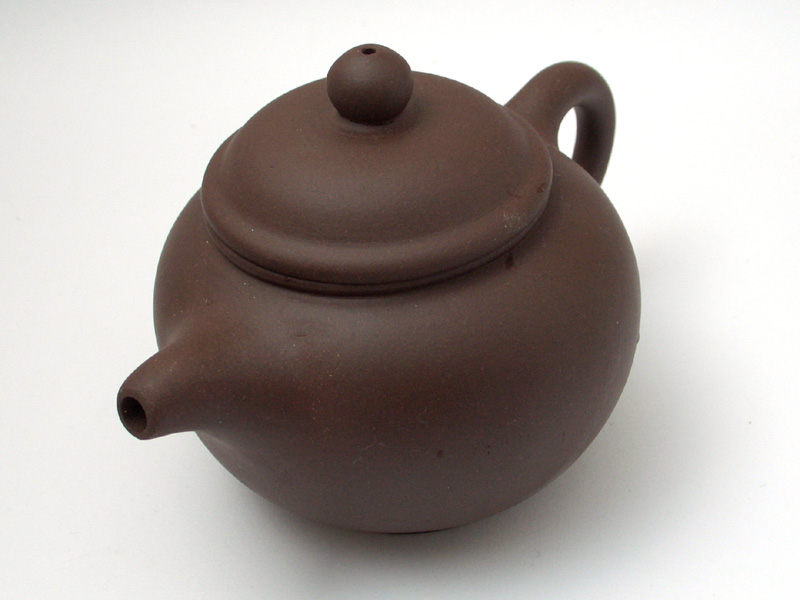 🇨🇳 Yixing, ChinaYixing clay teapot紫砂
Handcrafted Chinese purple clay teapots that season with every brewCraft · Tea, coffee and drinking ceremonies
🇨🇳 Yixing, ChinaYixing clay teapot紫砂
Handcrafted Chinese purple clay teapots that season with every brewCraft · Tea, coffee and drinking ceremonies