Festivals and celebrationsNorth AmericaChristianSecular and civic
Piñata
A festive decorated container broken open with a stick to scatter treats and fruit
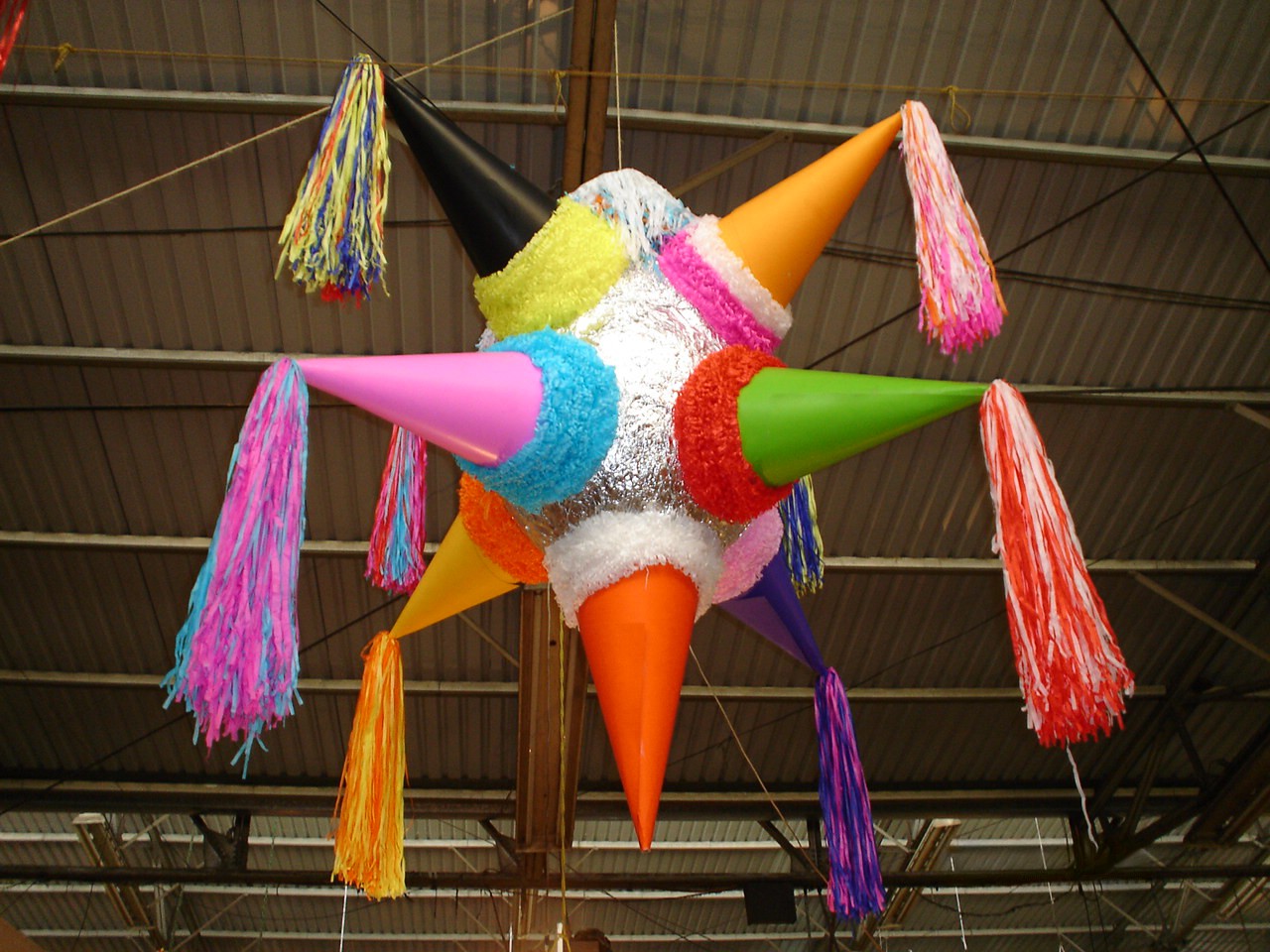
A piñata is a decorated shell filled with treats and broken during celebrations, especially in Mexico and the wider Americas. Blindfolded players take turns striking it with a stick during birthdays and December festivals until it breaks and scatters candy.
When is Piñata marked?
Piñata is kept as part of Las Posadas, which runs from 16 to 24 December 2026.
A piñata is a colourful container made of papier-mache or clay, packed with fruit and sweets, and suspended overhead to be broken at festivities. Widely cherished across Mexico and Latin America, it forms a central ritual of birthday parties and December gatherings. Players take turns swinging at the moving vessel while blindfolded, guided by cheering guests until the treats shower down.
Origins and spiritual history
Container-breaking rituals reached Europe by the fourteenth century and were brought to Mexico by Spanish friars in the sixteenth century. In the town of Acolman around 1586, Augustinian monks combined European customs with Indigenous ceremonies, including Aztec rites honoring Huitzilopochtli and Maya blindfolded games. Early Catholic teachers used a seven-pointed star where the cones stood for deadly sins, the pot represented evil, and the sweets acted as temptations. Over time, the practice shed most of its solemn religious tone, transforming into a cheerful party centerpiece across Latin America and the United States.
The game and ritual
During a party, the container hangs from a rope while someone pulls it up and down to challenge the hitter. A participant, often a child, wears a blindfold, holds a wooden stick, and is turned around to add disorientation. The surrounding crowd sings a traditional rhyming song that serves as a timer for each turn. Once the song finishes, the next player steps up until someone strikes a decisive blow. As the shell cracks open, children rush forward to gather the fallen prizes, while hosts often hand small consolation baskets to those who gather nothing.
Materials and cartonería
Crafting piñatas belongs to the Mexican papercraft art known as cartonería. Artisans originally shaped clay pots and wrapped them in coloured paper, tinsel, and ribbons. Because clay shards pose safety risks, modern makers build lightweight shells from layers of cardboard and papier-mache moulded over balloons, decorated with bright crepe paper. While the traditional spiky sphere remains a staple for December Posadas as a symbol of the Star of Bethlehem, makers also craft figures ranging from donkeys to popular cartoon personalities, superhero figures, and satirical caricatures.
How Piñata is kept
A decorated container is suspended from a high rope, controlled by someone who raises and lowers it. Guests, usually children, take individual turns trying to break it. Each hitter is blindfolded, handed a wooden stick, and spun around to disrupt their balance. The crowd sings a traditional verse that sets the time limit for the attempt. When the shell finally shatters, sweets and seasonal fruit tumble to the ground, and participants scramble to collect the treats. Children who miss out receive small baskets called colaciones.
When and where
Piñatas appear throughout the year at birthday parties, Halloween, and Cinco de Mayo. Their busiest season falls in mid-December during the nine days of Las Posadas, leading up to Christmas.
The tradition is strongest in Mexico, where towns such as Acolman and San Juan de la Puerta specialize in making them. It is also widely kept across Latin America and within Hispanic communities in the United States.
What Piñata means
In early Catholic teaching, the classic vessel bore seven cone points symbolizing the deadly sins. The blindfold stood for unyielding faith, while the wooden stick represented virtue conquering evil. Breaking the pot signified overcoming temptation, and the shower of fruit and sweets stood for divine rewards. For Christmas, the pointed star design also evokes the Star of Bethlehem.


Days Piñata is marked
Questions people ask about Piñata
When is Piñata marked?
Piñata is kept as part of Las Posadas, which runs from 16 to 24 December 2026.
What is a piñata?
A piñata is a decorated container made of papier-mache or clay, packed with fruit and sweets, that players try to break with a stick during parties and festivals.
Where and when is the piñata tradition observed?
It is most popular in Mexico and the United States. While played year-round at birthday parties, it is most prominent during the December Posadas before Christmas.
Why are participants blindfolded when hitting a piñata?
Blindfolding makes striking the container challenging and fun. Historically in Mexican Catholic teaching, the blindfold represented blind faith guiding a person through the disorientation of earthly temptation.
What items are traditionally placed inside a piñata?
Mexican tradition fills the vessel with wrapped candies alongside seasonal fruits and produce, including guavas, oranges, jicamas, tejocotes, and cut pieces of fresh sugar cane.
See also
 ChristmasA festival of Jesus's birth, kept on 25 December with gifts, lights and shared meals
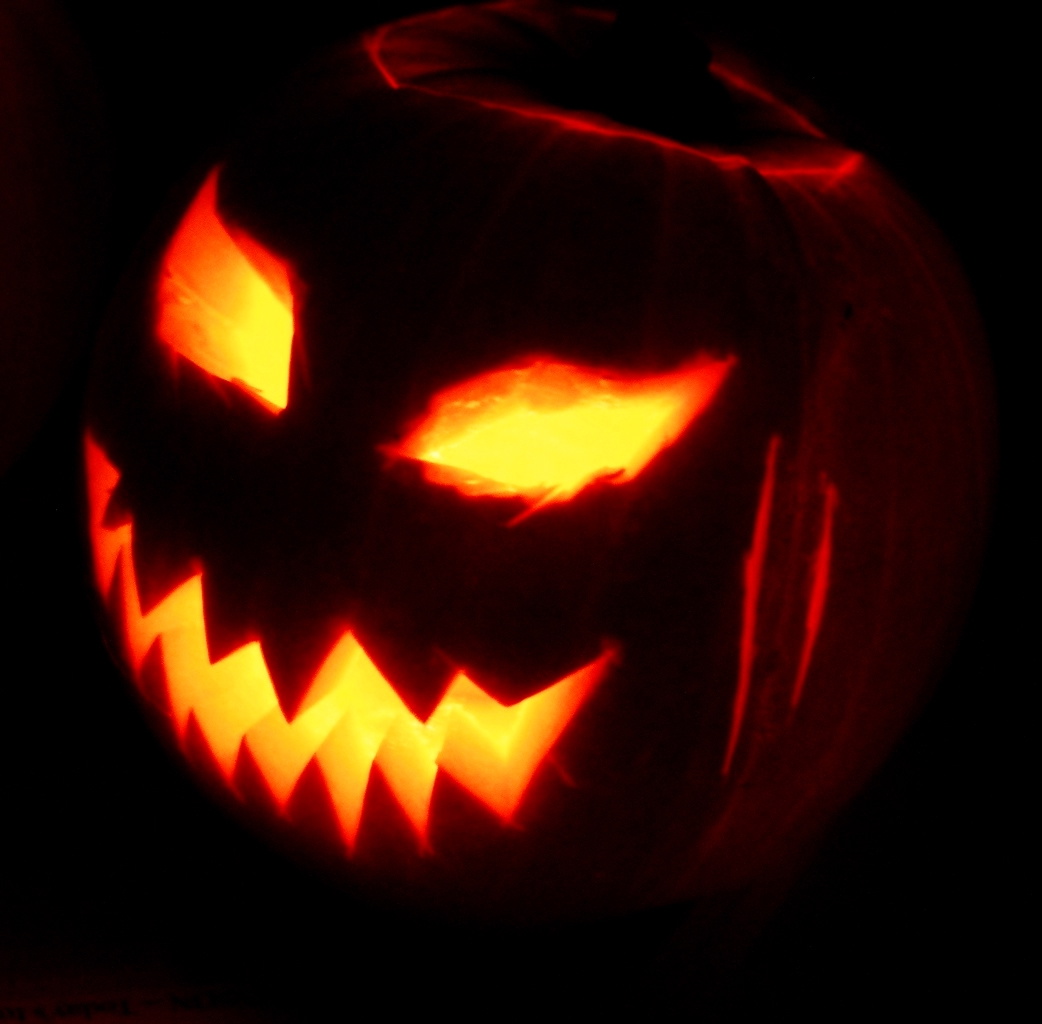 HalloweenAn annual observance on 31 October marking the eve of All Saints' Day, rooted in Christian tradition and Celtic heritage
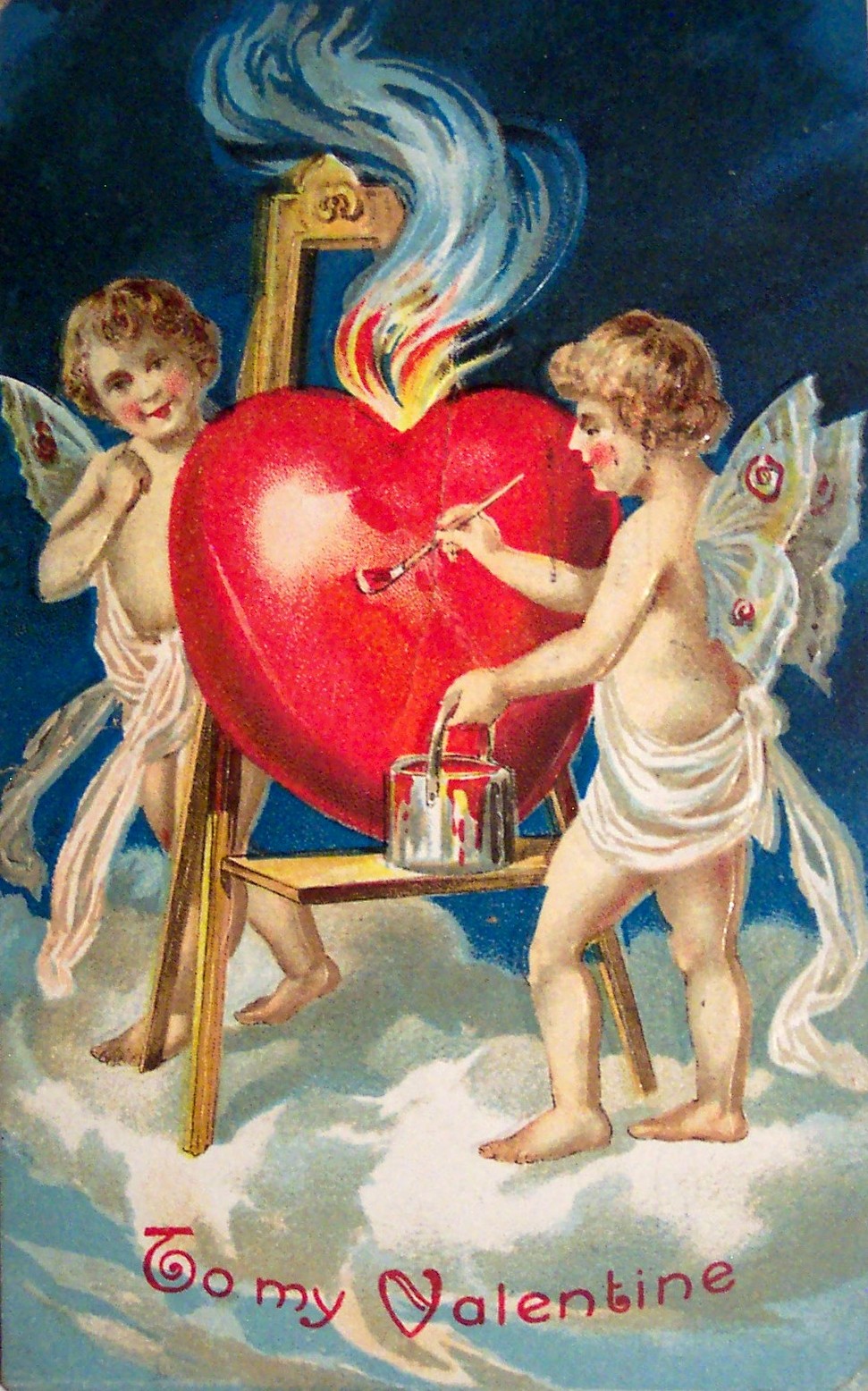 Valentine's DayA Christian feast day and cultural celebration of love kept on February 14 in many countries.
 Christmas treeA decorated evergreen or artificial tree placed indoors to mark the Christmas season.
Good reading and sources
- Piñata on WikipediaEncyclopedia
- More photos on Wikimedia CommonsPhotos and video
- Wikidata recordOpen data
The facts on this page come from the Wikipedia article "Piñata", written by its contributors and used under the CC BY-SA 4.0 licence, and from its Wikidata record (CC0). EveryParampara rewrote the text in its own words, with AI assistance, and compares every page with the article to make sure no passage is copied. It may be reused under the same CC BY-SA 4.0 licence with a link back.
It may contain mistakes. Traditions differ from one family, village and community to the next, and the people who keep them know them best. If something is wrong, tell us. Last refreshed 2026-10-04.
More from Mexico
All the traditions of Mexico
🇮🇪 Ireland and 5 moreHalloween
An annual observance on 31 October marking the eve of All Saints' Day, rooted in Christian tradition and Celtic heritageFestival · Sweets given and shared
 🇲🇽 Mexico City, Mexico and 1 moreDay of the DeadDía de Muertos
A Mexican remembrance of deceased family and friends with altars, marigolds and feastsFestival · Sweets given and shared
🇲🇽 Mexico City, Mexico and 1 moreDay of the DeadDía de Muertos
A Mexican remembrance of deceased family and friends with altars, marigolds and feastsFestival · Sweets given and shared
 🇲🇽 Huamantla, Mexico and 4 moreSawdust carpettapete de aserrín
Colored sawdust designs laid on streets to greet religious processions in Latin America and beyond.Festival
🇲🇽 Huamantla, Mexico and 4 moreSawdust carpettapete de aserrín
Colored sawdust designs laid on streets to greet religious processions in Latin America and beyond.Festival
 🇲🇽 San Salvador Huixcolotla, Mexico and 1 morePapel picado
A Mexican folk art of cutting intricate designs into tissue paper for festive and spiritual displays.Festival
🇲🇽 San Salvador Huixcolotla, Mexico and 1 morePapel picado
A Mexican folk art of cutting intricate designs into tissue paper for festive and spiritual displays.Festival
The same idea elsewhere
All of this kind
🇮🇹 Rome, Italy and 4 moreChristmas
A festival of Jesus's birth, kept on 25 December with gifts, lights and shared mealsFestival
🇬🇧 United Kingdom and 4 moreValentine's Day
A Christian feast day and cultural celebration of love kept on February 14 in many countries.Festival
 🇹🇷 Turkey and 5 moreEid al-Fitrعيد الفطر
The feast that ends Ramadan, opened with morning prayers, sweets and visits homeFestival · Feasts and festival meals
🇩🇪 Germany and 5 moreChristmas tree
A decorated evergreen or artificial tree placed indoors to mark the Christmas season.Festival
🇹🇷 Turkey and 5 moreEid al-Fitrعيد الفطر
The feast that ends Ramadan, opened with morning prayers, sweets and visits homeFestival · Feasts and festival meals
🇩🇪 Germany and 5 moreChristmas tree
A decorated evergreen or artificial tree placed indoors to mark the Christmas season.Festival